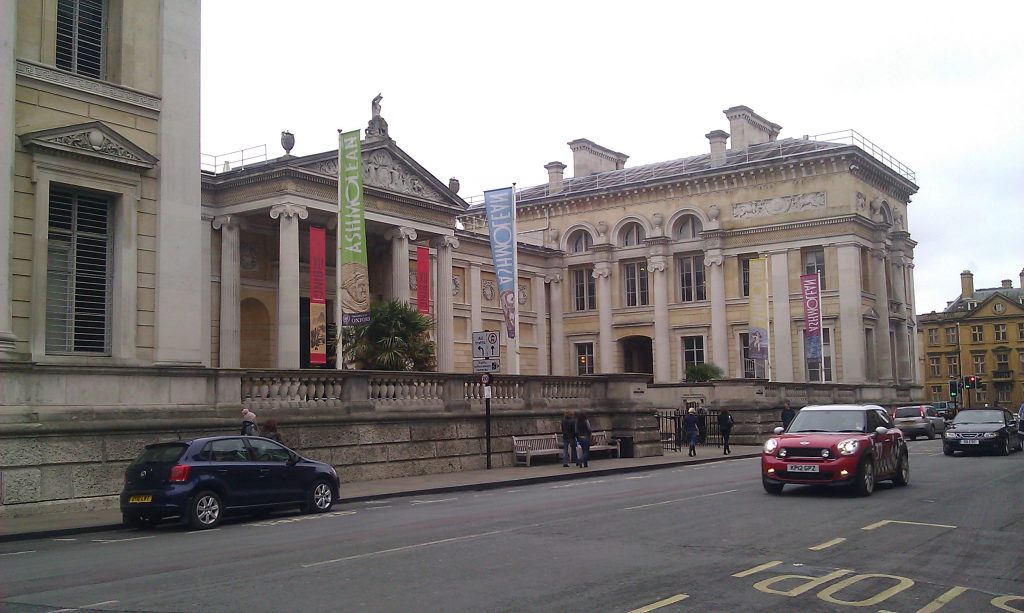
The Ashmolean is a lovely museum. It’s like a miniature combination of the British Museum, The National Gallery, and the V&A. It has a superb collection including the Cretan Archaeology excavated by the Museum’s Director, Arthur Evans in Knossos. Not only that, but it is Britain’s oldest secular Museum, opening over fifty years before the British Museum.
But its origins are even older. This is a story near to my heart. And and I’m going to tell the story as it was told to me by Mrs Nicholson. She founded the Garden History Museum (now Garden Museum) and a formidable person. I was the part-time Curator for a few years in the 1990s.
The Garden History Museum
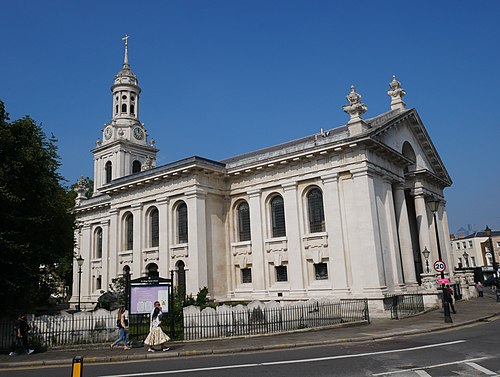
The Museum is in St Mary’s Church, Lambeth. The Church, despite being the last burial place of various Bishops of London, was going to be made redundant. Mrs Nicholson was not having this and launched a campaign to preserve it. In the graveyard was the grave of the famous Gardeners the Tradescants, father, son, and grandson. She hit on the idea of saving the Church by making it into the Museum of Garden History. One of the first in the world, apparently. Some years later, I was employed as the part-time Curator, despite knowing very little about flowers or gardens.
So What Has This to do with the Ashmolean Museum
You are wondering?
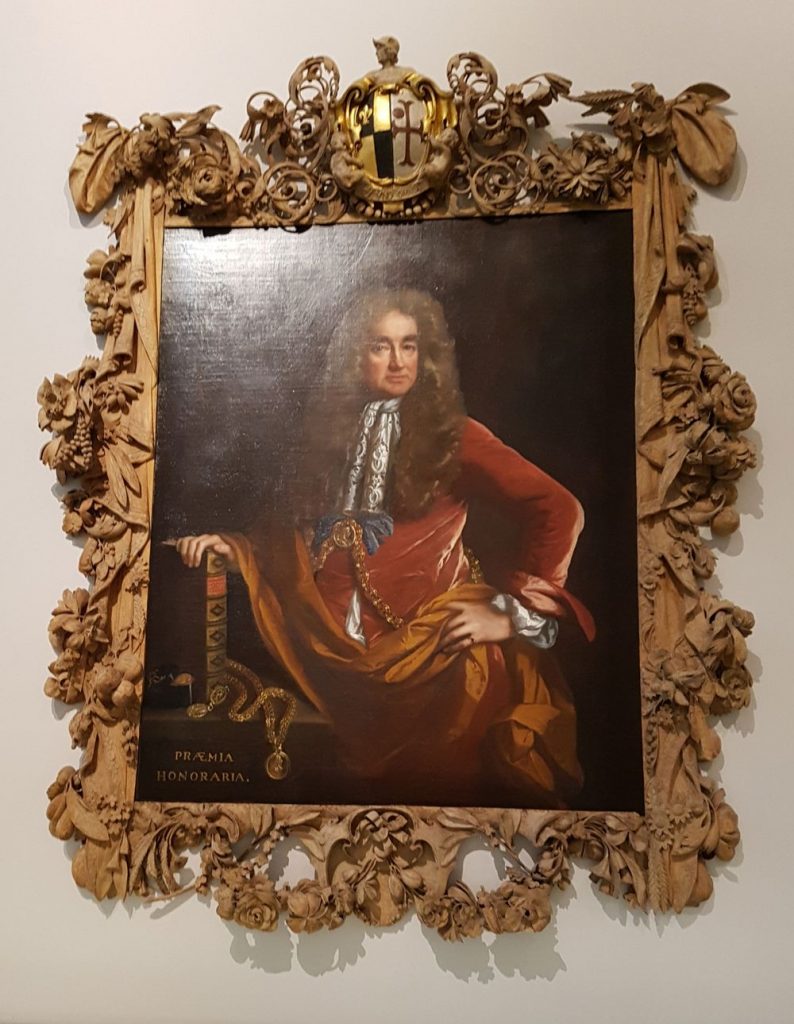
When Mrs Nicholson came into the Church she stamped on the floor. I enquired why? And was told that this was where Elias Ashmole was buried. He being the founder of the Ashmolean Museum in Oxford. This is the wonderful story which I tell every time I take a group to the Ashmolean Museum.
Tradescants Ark
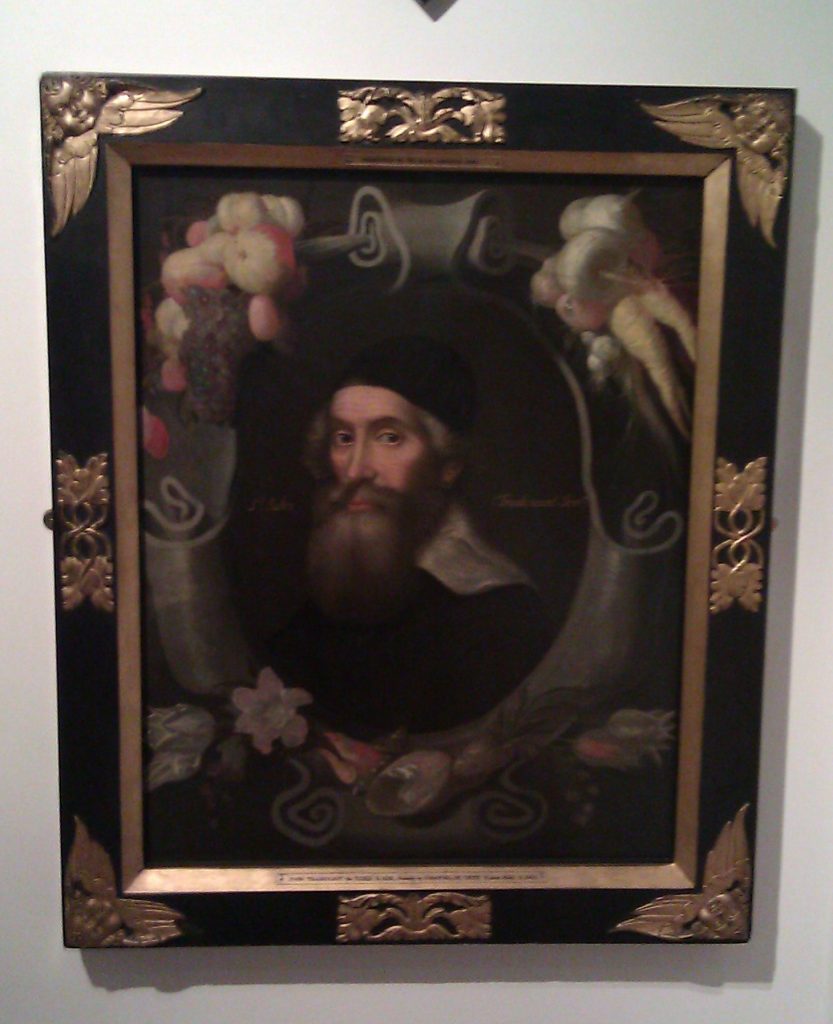
Apart from being among the first famous Gardeners in the UK, the Tradescants ran Britain’s first Museum. It was in Lambeth, London and was called the Ark. The cabinet of curiosities was famous in Britain and Abroad. It had many wonders, shells, sculptures, weapons, clothes, shells, a piece of the True Cross, a Vegetable Lamb, and the lamp held by Guy Fawkes in the Gunpowder plot
John Tradescant the Elder, collected for the Duke of Buckingham. He also helped build the fortifications at the La Rochelle for Buckingham’s disastrous expedition. Tradescant travelled as far afield as Africa to collect curiosities. He also wrote to Ships’ Captains travelling to Africa to bring anything strange back for him.
John Tradescant Junior and Elias Ashmole
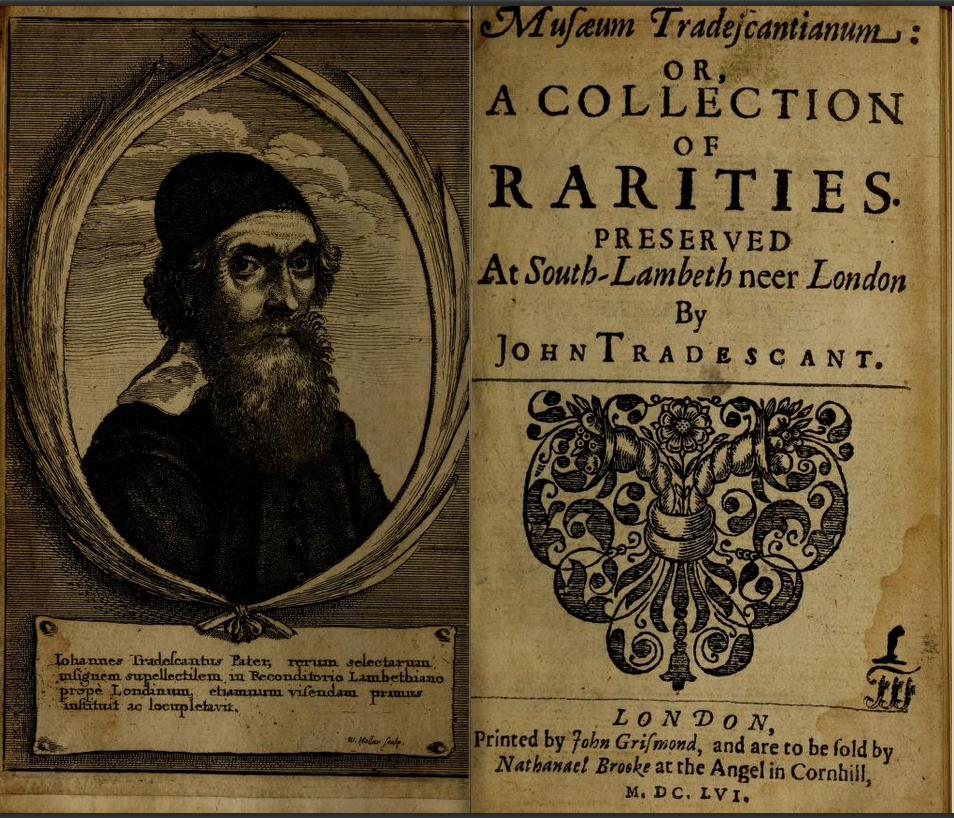
When he died, his son, John Tradescant the Younger, took over. Both the Gardening and the Museum. His neighbour Elias Ashmole helped out, and together they created Britain’s first Museum Catalogue (shown below).
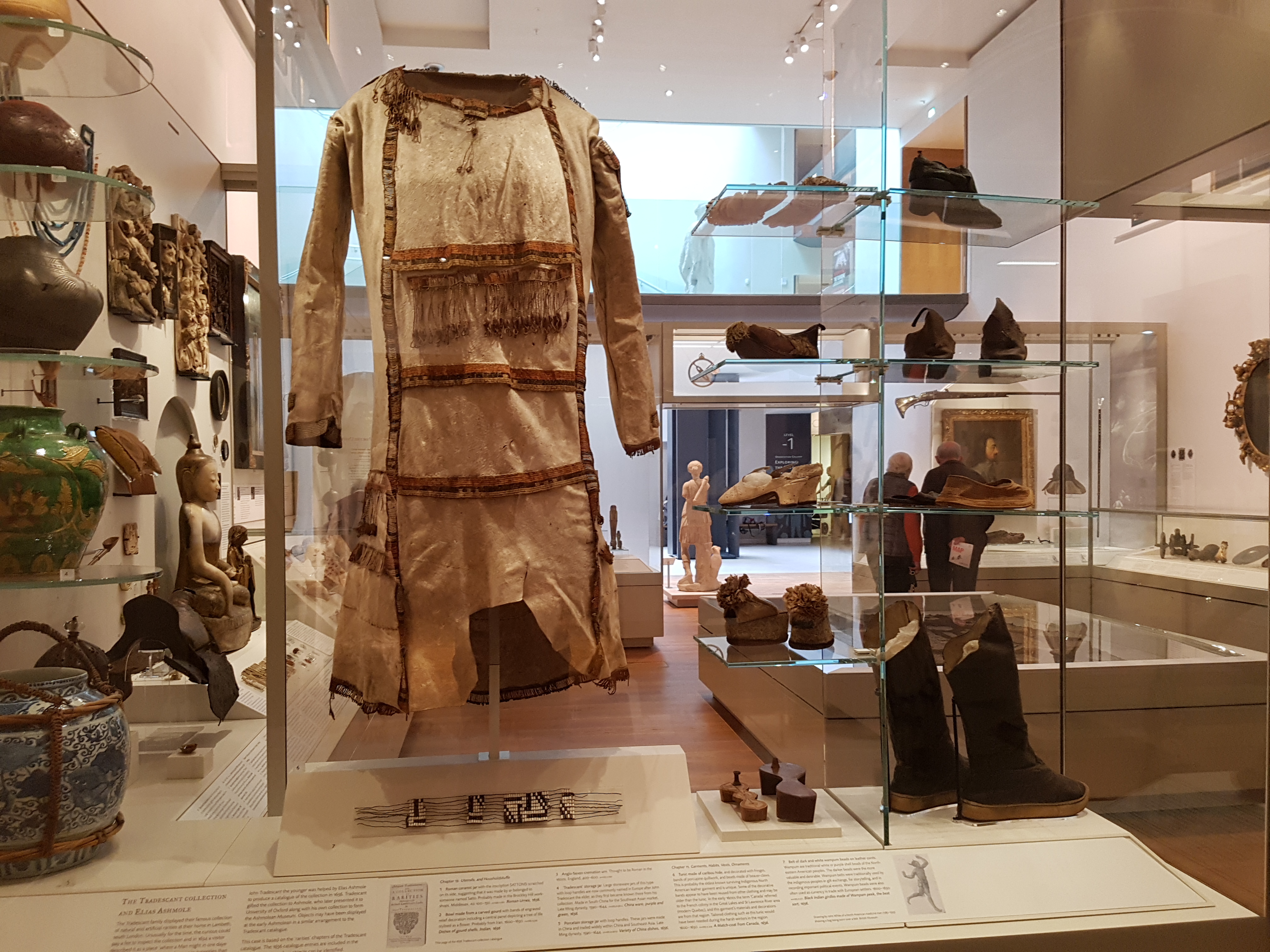
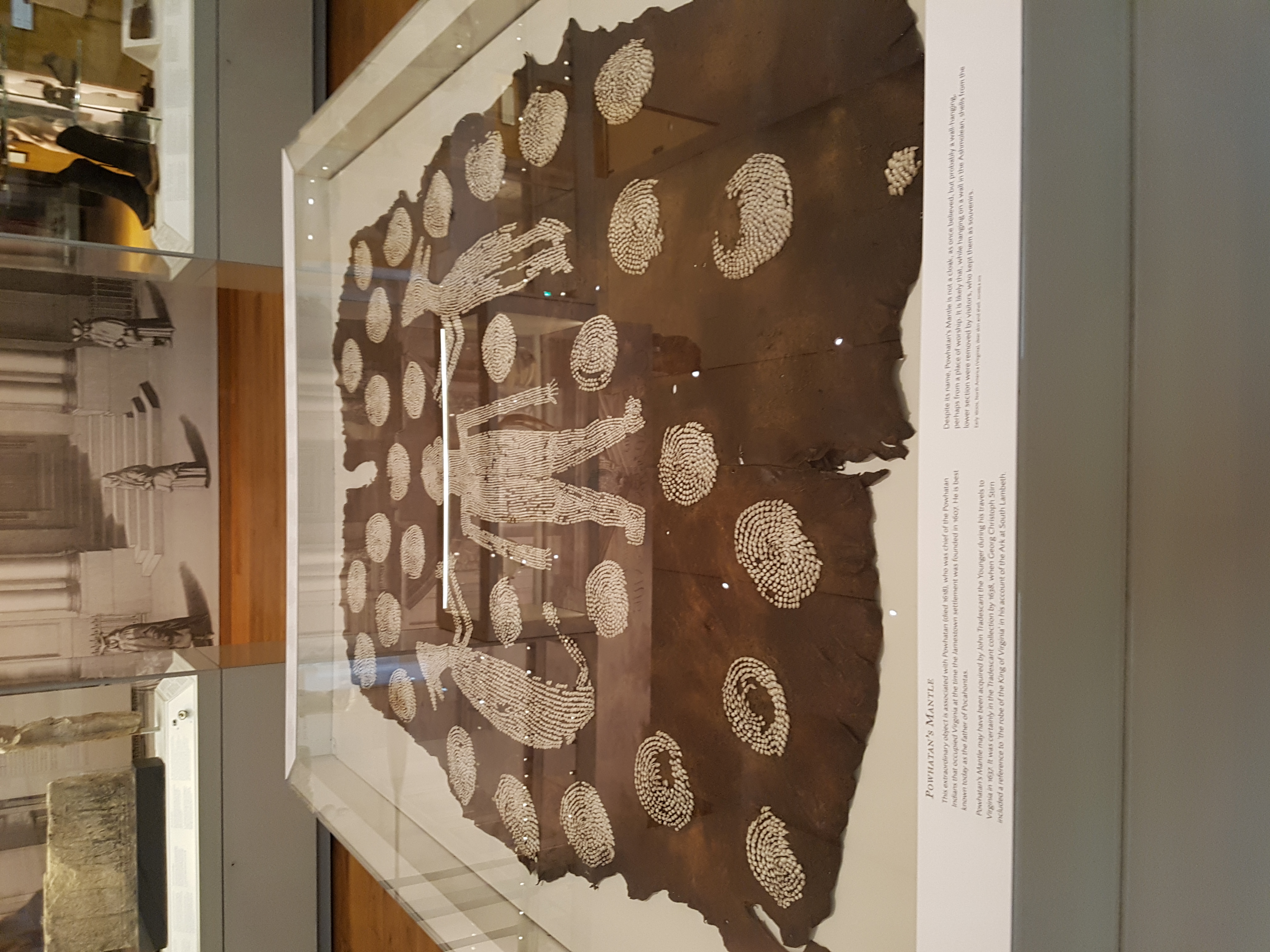
Sadly, the third John Tradescant, died. His father was bereft, and feared what would come of the wonderful collection. The collection his father had left him and which he had augmented. He travelled to America and bought back some of the oldest Native American clothing surviving, including Powhatan’s Mantle (or cloak).
One day, he went to the pub at Elias Ashmole’s request. They discussed the problem of the survival of the collection. Ashmole took out a document and told Tradescant that if he signed it, it would ensure that the collection survived. Tradescant signed it. Went home, his wife, Hester called him a fool and told him to rescind it. Ashmole refused pointing out it was a legal document that had been freely signed before witnesses.
Hester Tradescant and the Ashmolean Museum
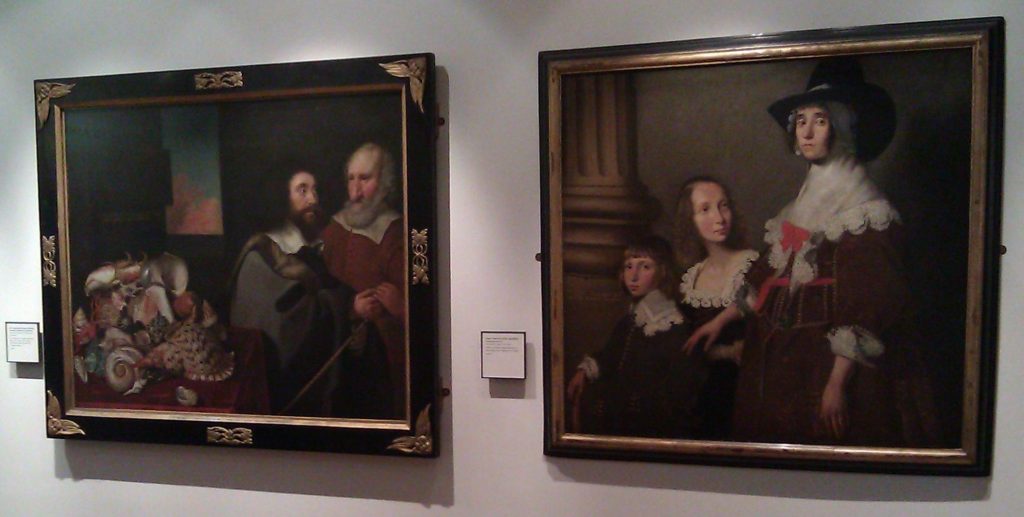
Tradescant died. His wife, who had control of the collection till she died, was legally harassed by Ashmole. He accused her of profiting from the collection. She was found dead in her garden pond. Ashmole shipped the collection up the Thames to Oxford. He made a legal agreement with the University to provide it a permanent home. They built the original Ashmolean which is still on Broad Street but is now the Museum of the History of Science. The building was not used just for a collection of ‘knic-knackery’ as it was called but also a laboratory, dissection theatre, and with meeting rooms.
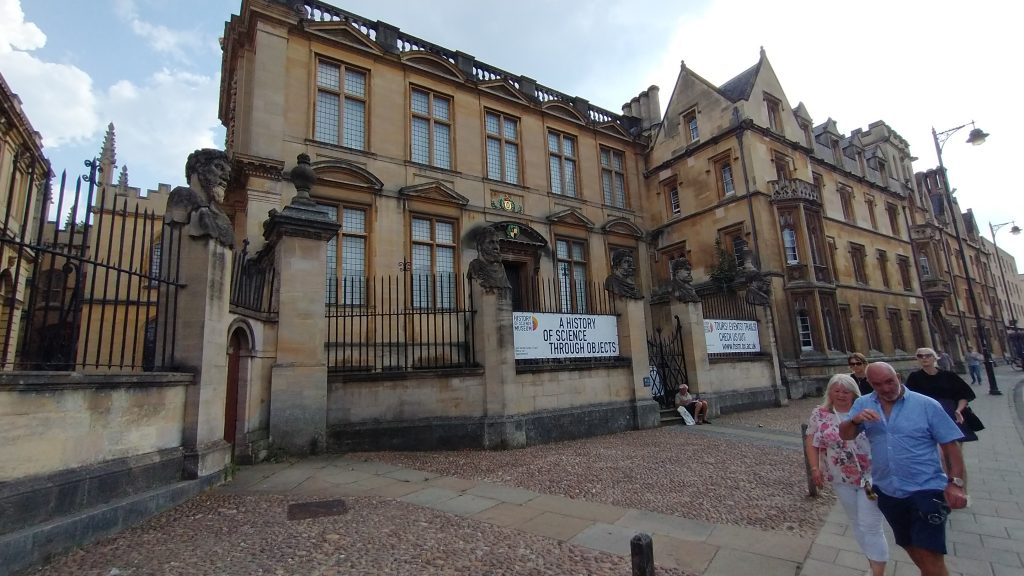
Now, the problem with all this according to Mrs Nicholson, was twofold. Firstly, Ashmole was responsible for the death of Hester. Secondly, the oldest Museum in Britain should be called the Tradescant Museum, not the Ashmolean. The core of the Museum was, after all, Tradescant’s Ark. (Ashmole did add his own collections to the Gift).. Mrs Nicholson could never forgive Ashmole for stealing the Tradescants’ glory. Arthur MacGregor, Director of the Ashmolean Museum was a trustee of the Museum of Garden History, and would point out that without Ashmole the collection might well not have survived.
For other posts relevant to Tradescant and Ashmole, see the following posts:
Cog Almanac’s on Display at the Ashmolean Museum:
https://www.chr.org.uk/anddidthosefeet/making-my-own-cog-almanac-for-my-halloween-walk/
the Duke of Buckingham and the True Cross:
https://www.chr.org.uk/anddidthosefeet/may-3rd-roodmas-the-true-cross-and-the-coronation/
Mr Ashmole’s cure for toothache:
https://www.chr.org.uk/anddidthosefeet/february-9th-st-apollonia-a-day-to-cure-the-toothache/
Arts and Crafts at the Ashmolean Museum:
https://www.chr.org.uk/anddidthosefeet/december-12th-ashmolean-advent-calendar-the-singing-pierides/
First Published May 24th 2025, revised 2026