St George’s Day, Shakespeare’s Birthday  April 23rd

shakWilliam Shakespeare by Martin Droeshout from the 1st Folio
William Shakespeare by Martin Droeshout from the 1st Folio

By tradition, Shakespeare was born on St George’s Day April 23rd 1564. He died on the same day in 1616 at age 52. Cervantes died on the same day.

Shakespeare’s death date is given by the burial register at the Holy Trinity Church, Stratford on Avon where he was buried. His baptismal record also survives at the same church and is on April 26th 1564. So, we don’t actually know when he was born, but christening were held soon after birth for fear of the high infant mortality rates, so 23rd April has been assigned to be Shakespeare’s birthday.

Taken to the chamber

Anne Shakespeare would have ‘taken to her chamber’ about four weeks before the due date. The windows or shutters were fastened, as fresh air was thought to be bad for the birthing process. Female friends and relatives came to visit; the room would be decorated with fine carpets, hangings, silver plates and fine ornaments. It was held that external events could influence the birth, any shocks or horrors might cause deformities and anomalies, so a calm lying-in room was clearly a good idea.

When labour began, female friends, relatives, and the midwife were called to help out. A caudle of spiced wine or beer was given to the mother to strengthen her through the process. Today, the maternal mortality rate is 7 per 100,000. An estimate for the 16th Century is 1500 per 100,000. So most women would have heard of or attended the birth of a women who had died during or following children birth. There were also no forceps. So if a baby were stuck and could not be manually manipulated out, then the only way forward was to get a surgeon to use hooks to dismember the baby. This was the only way to save the life of the mother. Doctors were not normally in attendance, but could be called in emergency,

Swaddling
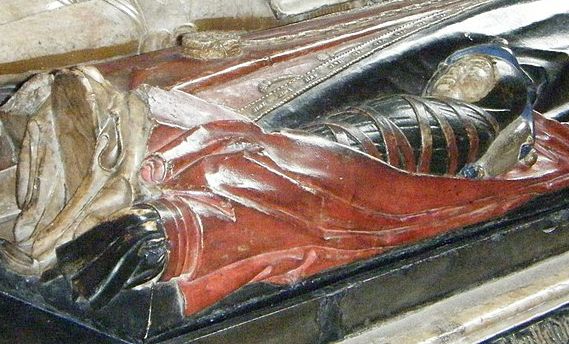
Detail of tomb of Alexander Denton and his first wife Anne Willison, and her baby dressed in swaddling clothes Photo Wikipedia Hugh Llewelyn

Immediately after washing, the baby was swaddled. The swaddling was often very tight and could affect the baby’s growth. Also, it might have affected the learning process. The free movemenb of hands and feet are now considered important in the early learning process. Swaddling lasted eight to nine months, and only went out of fashion after Jean Jacques Rousseau wrote against the practice.

Christening & Registration

Puerperal fever killed many women even after successful childbirth, for example Queen Jane Seymour who died after 5 days. During these dangerous early days, the mother was kept in a dark room. Perhaps three days after birth, friends were invited to celebrate ‘upsitting’ when the mother was no longer confined to bed. This is when christening would take place. Edward VI was christened to a huge audience in the chapel at Hampton Court three days after his birth.

Licensed midwives could baptise newborn babies provided they used the correct wording and informed the Church. This allowed the registration of the birth to be properly reported. Thomas Cromwell was responsible for the law in 1538 which insisted on a parish register to record weddings, christenings, and funerals. The law was reaffirmed by Queen Elizabeth in 1558. Registers had to be stored in a locked chest in the Church. In 1597, the records had to be on parchment not paper. In 1603 the chest had to have three locks! Since writing this I have realised the significance of the three locks. In St Eadburga’s Church in Broadway in there is a locked box for alms, and it has three locks too. This was so that it could only be opened when all 3 Church Wardens were present.

If the christening were in the church, the mother might not be there as she was expected to stay in her chamber for another week or so. A week or a few weeks later, the mother would be ‘churched.’ This was a thanks-giving ceremony. Puritans did not like the idea as it might be confused with a purification ceremony.

Breastfeeding

Breastfeeding would last a year or so but, buty high status women choose to use a wet-nurse.  They went to some effort to find a suitable wet nurse. It was believed that the quality of the breast milk was important for the babies’ development both physically and temperamentally. Poor children who lost their mothers were unlikely to survive. For without breast milk, the baby would be fed pap – bread soaked in cow’s milk.

Thanks very much to Alison Sim’s book ‘The Tudor Household’ for a lot of the above.

On This Day

1016 – Edmund Ironside succeeded his father Æthelred the Unready as King of England.  Unfortunately, Edmund dies soon after dividing England with Danish King Cnut. Subsequently, Cnut takes over the entire country.

1661 – King Charles II crowned in Westminster Abbey. Read my post on John Evelyn’s reaction to the restoration of Monarchy after the the Commonwealth period of Republican Government.

1942 – World War II:  German bombers hit Exeter, in what became known as the Baedeker Raids. They were in retaliation for the success of the British bombing of Lübeck, and of Rostock.  In the following days the Luftwaffe bombed Bath, Norwich and York.  A German official said they would bomb every building with three stars in the Baedeker Tourist Guide.  Hitler said the English were: ‘beings with whom you can only talk after you have first knocked out their teeth

First published in 2023 and republished in April 2024. On This day added 2026
John Stow, London’s Historian 22nd April

John Stow

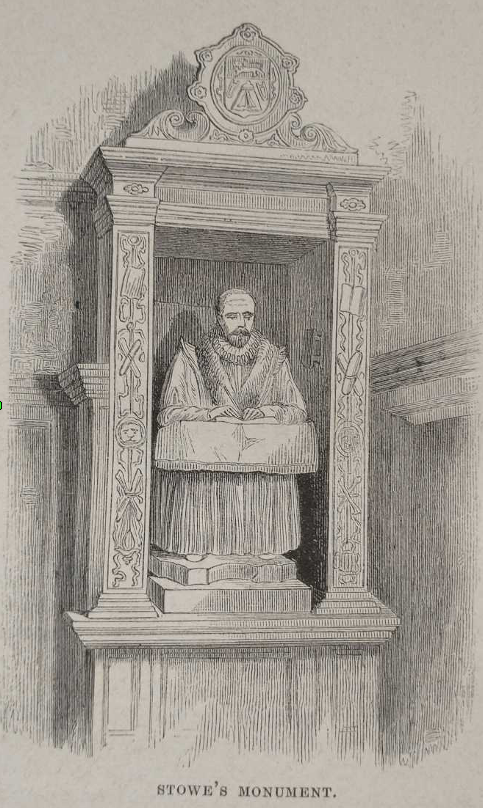
On the corner of Leadenhall Street and St Mary Axe in the City of London is one of the very few medieval Churches that survived the Great Fire of London is 1666. It was sheltered by the firebreak that was the Leadenhall, a big market building made of stone. This is where the great London historian John Stow is buried. His Survey of London is one of the best sources for Medieval and Tudor London. Every three years, there is a commemorative service and his quill is changed. Last year it was on the 22nd April. The next is due in 2027, date yet to be announced. The Lord Mayor attends, and it is organised by Stow’s Guild – the Merchant Taylors.

John Stow, author of the ‘Survey of London‘ first published in 1598. Available at the wonderful Project Gutenberg: ‘https://www.gutenberg.org/files/42959/42959-h/42959-h.htm’

John Stow records that his father returned to his home at Austin Friars one day to find his house had been moved. He had no warning, nor payment for the loss of land. He had the misfortune to live adjourning the property of Thomas Cromwell. This is what Stow wrote:

‘My father had a garden there, and a house standing close to his south pale; this house they loosed from the ground, and bare upon rollers into my father’s garden twenty-two feet, ere my father heard thereof; no warning was given him, nor other answer, when he spake to the surveyors of that work, but that their master Sir Thomas commanded them so to do; no man durst go to argue the matter, but each man lost his land, and my father paid his whole rent, which was 6s. 6d. the year, for that half which was left. Thus much of mine own knowledge have I thought good to note, that the sudden rising of some men causeth them to forget themselves.’

St Andrew Undershaft

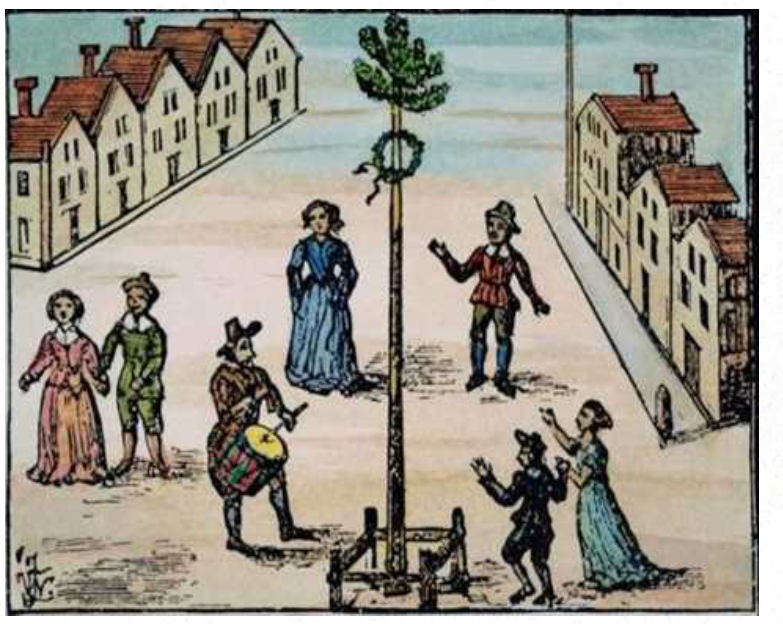
The Church is London’s Maypole Church as it was here the Maypole or the shaft was stored under the eves of the Church. Hence, St Andrew’s sobriquet of ‘Undershaft’. The May Day riot of 1517 put an end to the dancing around the Maypole but the pole itself survived until 1547. Then, in a Puritan riot, the ‘stynking idol’ was destroyed. (see my May Day blog post here for more more details.)

There is also a plaque to Hans Holbein, but no one knows for sure where he is buried. He died in London in 1543, possibly of plague. The present church was built in 1532, but it is first recorded in the 12th Century.

For my post on St Andrew – look here.

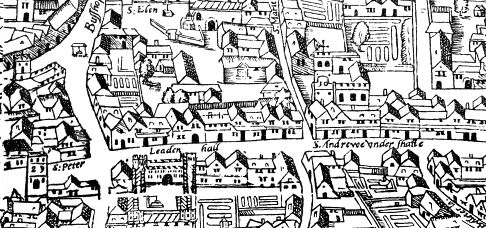
Agas Map 1561 showing St Andrews (right centre)

On This Day

Today is Earth Day. It was set up in 1970. For more information click here.

2016 – On Earth Day the landmark Paris Agreement was signed by 123 countries including the United States, the United Kingdom, and China. The USA is the World’s the second largest emitter. They withdrew from the agreement in 2020, rejoined in 2021, and withdrew again in 2026. Iran has signed it but not ratified it.

First Published on 30th November 2022, Revised 2023, moved to April in 2024, and revised 2025, On This Day added 2026

St Beuno and a Poem to the Vagina April 20th


Drawing of a Stained glass window depicting Saint Beuno. D A R C 12345 – Own work

Today is St Beuno’s Day. St Beuno is also known as St Bono. He was an 8th Century Welsh Abbot of some power. The grandson of a prince of Powys in Wales who was descended from Vortigern. (see my post on Vortigern here.) Vortigern was a predecessor to King Arthur. Beuno was educated in Bangor Monastery, one of the foremost Celtic monasteries in Wales. During his ministry he restored 7 dead people to life including St Winifred (or Winefred).

Winifred & St Beuno

St Winifred’s Holywell, from Facebook.

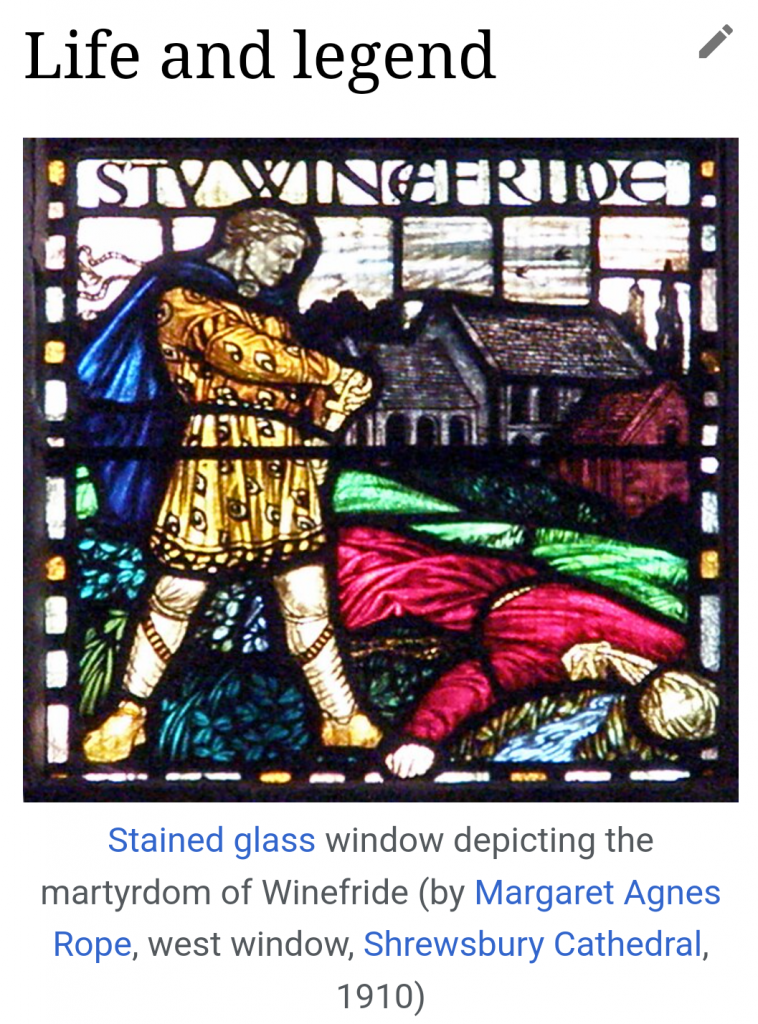
She was Beuno’s niece, a virgin who refused the advances of a certain Caradog. Furious at her taking vows, Caradog tried to seduce her, but she refused. So, he chopped her head off.

Where her head landed a spring sprung amd became a holy spring.  The spot, in Flintshire is still called Holywell. It has been described as the Lourdes of Wales and one of my tours go past it . This is how I heard about St Beuno.

Anyway, the story goes that Beuno put his niece’s head back on her shoulders and restored her to life. How he did that, is a mystery.

From Facebook

She lived a full life with a brilliant Church career. Of course, she is the patron of those who have suffered unwanted advances (but believe me there are many other candidates for that particular honour amongst the female Saints! Have a look at my post on St Agatha for another example of male sexual abuse).

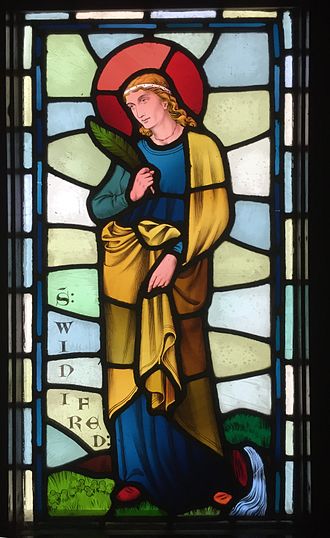
Stained glass depiction of St Winifred, designed by William Burges, at Castell Coch, Cardiff. Wikipedia Hchc2009 – Own work

More on St Winefride’s on her feast day on 3rd November.

Medieval Powys, & Neglected Parts of the Female Anatomy

I drafted this in January 2025, when I came across a reference to St Beuno in a fabulous exhibition at the British Library.  The show was called ‘Medieval Women – In their own Words’.

On display amongst the many wonderful manuscripts and books of the 11th – 15th Century was a Welsh poem.  The author was Gwerful Mechain (1460–1502), the only female medieval Welsh poet with a surviving and a substantial body of work. She is known for her erotic poetry, in which she praised the vulva among other things.

What is extraordinary is that I should, by complete chance, be publishing this the day after posting about the statue of the erect Minotaur! So, you can see how even-handed I am? Erect penises one day, love poem to the Vagina the next!

Here it is in full, in a modern translation:

To the Vagina by Gwerful Mechain

Every poet, drunken fool
Thinks he’s just the king of cool,
(Every one is such a boor,
He makes me sick, I’m so demure),
He always declaims fruitless praise
Of all the girls in his male gaze.
He’s at it all day long, by God,
Omitting the best bit, silly sod:
He praises the hair, gown of fine love,
And all the girl’s bits up above,
Even lower down he praises merrily
The eyes which glance so sexily;
Daring more, he extols the lovely shape
Of the soft breasts which leave him all agape,
And the beauty’s arms, bright drape,
Even her perfect hands do not escape.
Then with his finest magic
Before night falls, it’s tragic,
He pays homage to God’s might,
An empty eulogy: it’s not quite right:
For he’s left the girl’s middle unpraised,
That place where children are upraised,
The warm bright quim he does not sing,
That tender, plump, pulsating broken ring,
That’s the place I love, the place I bless,
The hidden quim below the dress.
You female body, you’re strong and fair,
A faultless, fleshy court plumed with hair.
I proclaim that the quim is fine,
Circle of broad-edged lips divine,
It’s a valley, longer than a spoon or hand,
A cwm to hold a penis strong and grand;
A vagina there by the swelling bum,
Two lines of red to song must come.
And the churchmen all, the radiant saints,
When they get the chance, have no restraints,
They never fail their chance to steal,
By Saint Beuno, to give it a good feel.
So I hope you feel well and truly told off,
All you proud male poets, you dare not scoff,
Let songs to the quim grow and thrive
Find their due reward and survive.
For it is silky soft, the sultan of an ode,
A little seam, a curtain on a hole bestowed,
Neat flaps in a place of meeting,
The sour grove, circle of greeting,
Superb forest, faultless gift to squeeze,
Fur for a fine pair of balls, tender frieze,
A girl’s thick glade, it is full of love,
Lovely bush, blessed be it by God above.

From: Gramich, Katie, Orality and Morality: Early Welsh Women’s Poetry, 2005, Cardiff University: Cardiff, pp. 8-9.
(http://www2.lingue.unibo.it/acume/acumedvd/Essays%20ACUME/AcumeGramichfinal.pdf)

Date: c1480 (original in Welsh); 2003 (translation in English) By: Gwerful Mechain (1462-1500) Translated by: Katie Gramich

For more about St Beuno https://en.wikipedia.org/wiki/Beuno

First published on April 20th 2025, revised 2026

Murder of St Alphage April 19th 1012

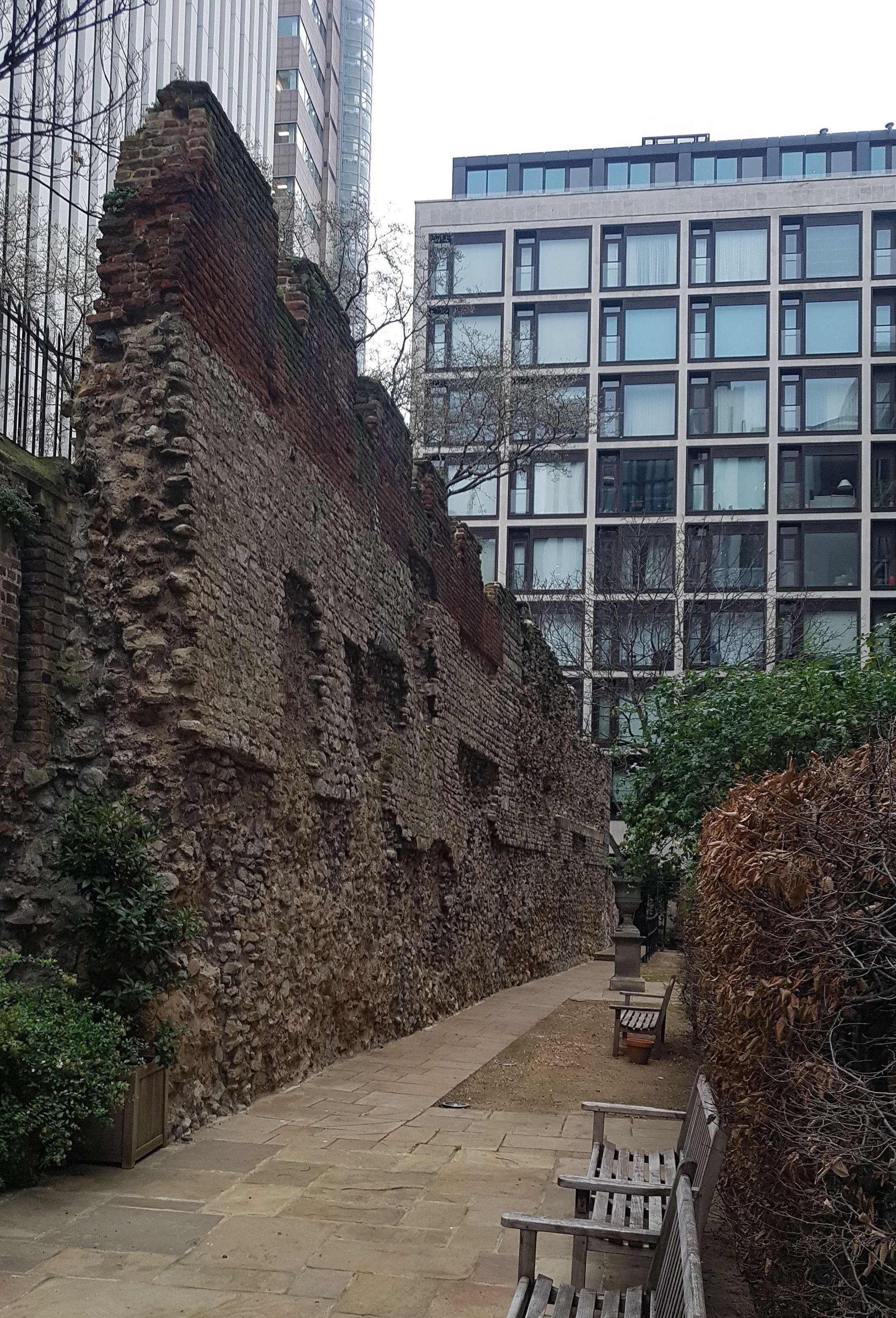
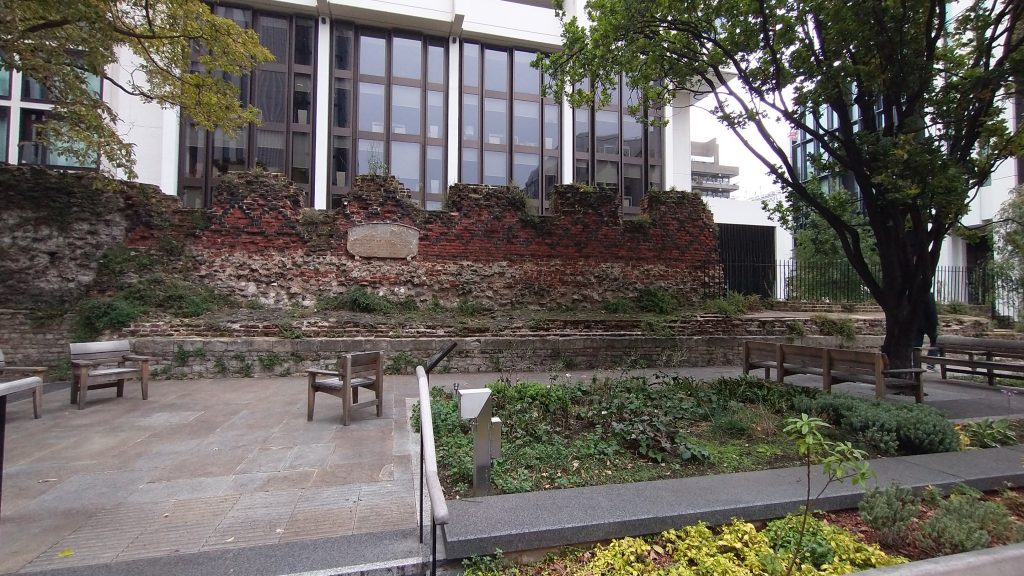
St Alphage. Church Tower on right, City Wall to left. Photo K Flude

I first came across St Alphage when I was working at the Museum of London. The Museum was built on the High Walk at London Wall. The raised Courbusian Walkway looked down on a ruin of a Gothic Church Tower, almost destroyed during the Blitz. This was St Alphage, a Church dedicated to the Saxon Archbishop of Canterbury. (Alphage is also spelt Alphege or Alfege or Ælfheah.)

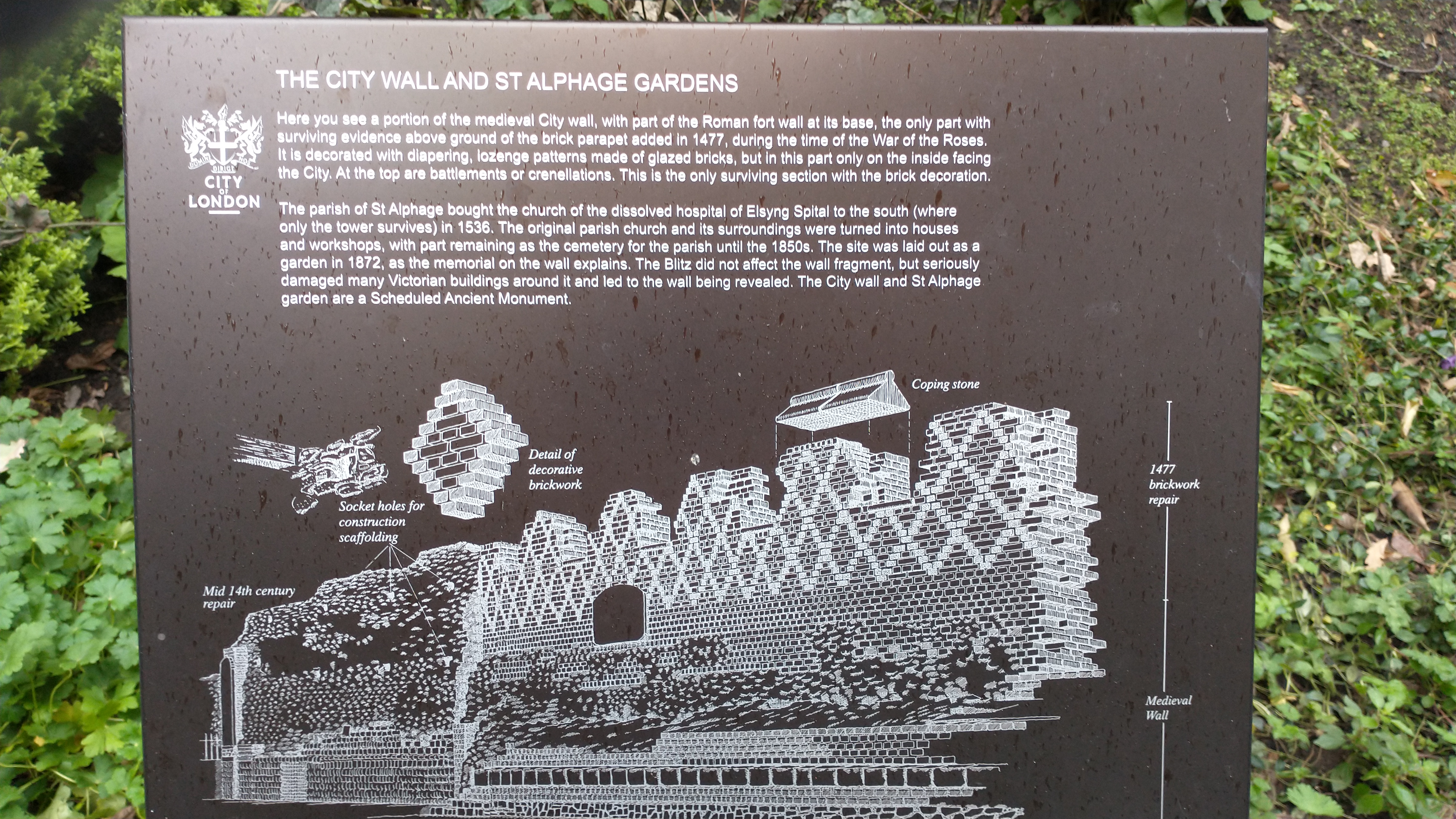
On the other side of the Walkway was the old graveyard of the Church. This preserved one of the very best sections of the old London Wall. Special because on one side its full height was displayed. On the other, the only crenelated bit of the City Wall survived. And the only surviving part of the Wall dating to the War of the Roses.

St Alphage Wall explained in an information plaque.
St Alphage Wall explained on an information plaque.

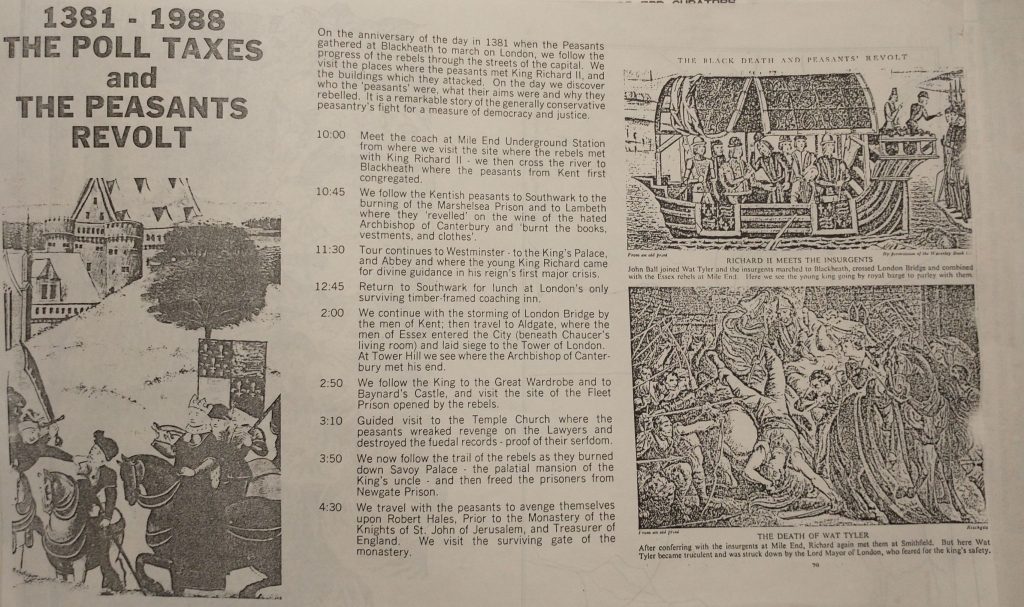
In the 1980s fellow Museum of London Archaeologist, Paul Herbert and I set up a Guided Walks company (Citisights of London). Our walks started from outside the Museum of London, and so St Alphage formed a big part of our success. It led to Guided Walks and tours being a big part of my life. So, St Alphage, thank you!

A Citisights Day Tour the Peasants Revolt (1980s)

St Alphage,  Elsyng Spittle and St Mary

The Church was previously a monastic settlement called Elsyng Spittle (aka St Mary within Cripplegate). The Augustinian Canons looked after 100 blind men. It was refounded by Williain Elsing, and dissolved by Henry VIII in 1536. The Church was kept for a Parish Church. But the Puritans were not keen on dedications to St Mary. So, they renamed it after a London based Christian Martyr.

It remained a Parish Church until damaged in an air raid in World War One. (possibly on 8th September 1916 in a Zeppelin Raid – but I am speculating). The Church was partly demolished in 1923, leaving the Tower. The lower part of the Medieval Tower survived bombing in the Blitz. At 12.15 am on 25th Aug 1940, the first bombs on the City of London fell nearby in Fore Street. But the tower was hit in 1940. It was listed Grade 1 in 1950. Kept by the rebuilding of London Wall, and the Barbican area. Then substantially benefitting from a remodelling of the area in an excellent scheme of 2022.

St Ælfheah of Canterbury and Greenwich

StAlfege Greewich - Doyle own work Wikipedia CC BY-SA 4.0
StAlfege Greewich – Doyle own work Wikipedia CC BY-SA 4.0

St Ælfheah was captured during a Viking attack on Canterbury. The Viking hoard relocated to Greenwich where they tried to negotiate a fat ransom for him. He was one of the richest men in the Kingdom. This is what the Anglo Saxon Chronicle says:

.. the raiding-army became much stirred up against the bishop because he did not want to offer them any money, and forbade that anything might be granted in return for him. Also they were very drunk, because there was wine brought from the south. Then they seized the bishop, led him to their “hustings” on the Saturday in the octave of Easter, and then pelted him there with bones and the heads of cattle; and one of them struck him on the head with the butt of an axe, so that with the blow he sank down and his holy blood fell on the earth, and sent forth his holy soul to God’s kingdom.

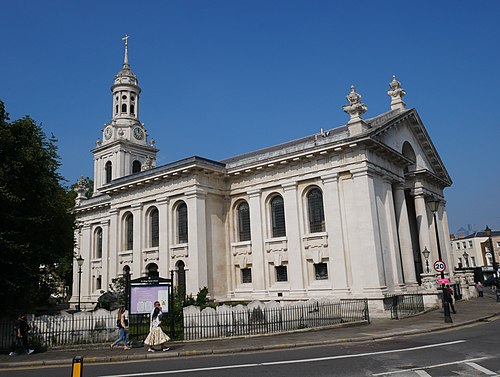
St Alfege Greenwich, which is now a lovely Hawksmoor Church is said to be on the site of St Ælfheah‘s death. Thorkell the Tall tried to save the Archbishop, but failed and subsequently changed sides and joined the English King.  Thrum, who was converted by Alphage, ended his agony  by hitting him on the head with the butt of an axe. This seems like a strangely Viking form of mercy!

St Alphage’s body was taken to St Pauls Cathedral where it became venerated and brought income to St Pauls. His remains were removed in suspicious and violent circumstances by soldiers of King Cnut who translated the Saint’s bones to Greenwich. It is suggested King Cnut was punishing London for their opposition to him.

The Minotaur by Michael Ayrton

Also, part of the experience of visiting St Alphage from the High Walk was the statue of the Minotaur. I first came across this phallic Bull in Postman’s Park and am very fond of him. Then it disappeared and reappeared on the High Walk. Now it is on the ground level near the garden of St Alphage.

I understand that Michael Ayrton wanted to make a point about the destruction of London. He felt that the developers were more destructive than the Luftwaffe. They were like a Bull in a China Shop! So he created this statue of a very vigorous Bull (represented by the Minotaur). It is a very unusual work of art in that it sports a fully erect penis. Art History is full of naked women, but the erect male organ has largely not been seen to be a fit subject for art. For more about Ayrton follow this link.

On This Day

1775 – Battles of Lexington and Concorde begin the American Revolutionary War.

First Written on April 19th 2025, revised 2026

Peak Magnolia April 16th

Magnolia and Cherry blossom in Weymouth Terrace Haggerston London. Photo K Flude

It might already have peaked in London, but there are lots of lovely magnolias still flowering. This year, last week was very hot and plant experts feared it would lead to a brief spring.  However, the shirt-sleeve warmth was soon followed by a cold spell, dropping in some places to 0 degrees C. This may have saved the situation and prolonged the spring flowering. 

Magnolias, Earnest ‘Chinese’ Wilson, said were the most esteemed of all flowers.  He introduced new species from the Himalayas. Magnolias are among the oldest flowers and have their origins in the Cretaceous period. They evolved 100 million years ago before the evolution of bees.  So they are pollinated by beetles, which is one reason for the size of the flowers.

The first magnolias to come to Britain were from America. John Banister sent Magnolia Virginiana to Henry Compton Bishop of London, who was also highly involved in the colony in Virginia. Compton sent Banister out as a missionary, but both loved flowers. Banister wrote the first flora of N. America which was included in John Ray‘s Historia Plantarum. Sadly, he was accidently shot while exploring.

Magnolias were named after the French botanist Pierre Magnol (1638-1715) ‘Professor of Botany and Director of the Royal Botanic Garden of Montpellier’.  Magnol invented the idea of plant families, which Linnaeus developed.

Herbal uses

Mrs Grieve’s ‘A Modern Herbal’ suggests Magnolia was used for rheumatism and malaria. A warm infusion was thought to be laxative, sudorific (induces ‘sweating so that the sweat runs down the body in rills!’), If cold. If warm was antiperiodic (useful against diseases like malaria which keep coming back) and mildly tonic.

Where to see Magnolias

In London, they can be seen everywhere but Google suggests:

Kensington (Phillimore Gardens, The Boltons), Chelsea (Carlyle Square), and Notting Hill (Lancaster Road).  And of course Kensington Gardens and Kew Gardens. My favourites ones are in the roads around my house, often in the most unprepossessing of places. 

Magnolias and Camelias in Albion Square, Haggerston,. London. Photo by K Flude

But it is a delight to go to Hidecote the National Trust Property in Mickleton just off the edge of the Cotswolds. In April, it has spectacular magnolias. Unfortunately, I don’t have any good photos except this one which shows all the magnolia petals on the ground!

Hdcote in Magnolia time. Photo K Flude

Ernest ‘Chinese’ Wilson 1876 – 1930

Prunus Serrula, (aka Tibetan Cherry) brought to England by Ernest Wilson. My favourite tree because of its bark which feels like copper. Photo K Flude

He was born in Chipping Camden where there is a lovely memorial garden which contains my favourite tree, and many plants he introduced. He brought back over 2000 species into the West of which 60 are named after him. One of his expeditions took place during the Boxer revolution. So he adopted a native disguise and risked execution.

At 16, he was apprenticed at the Birmingham Botanical Gardens. Then he worked at the Royal Botanic Gardens, Kew. His next adventure was to be hired as the Chinese plant collector with James Veitch & Sons (originally based in Chelsea). He eventually moved to America, where he became keeper of the Arnold Arboretum in Boston. Unfortunately, he and his wife died in a car accident in 1930.

For my post on Chipping Camden click here.

On This Day

1116 (or 1117) – St Magnus the Martyr Executed. He was executed because of dynastic disputes amongst Vikings in the Orkneys. Magnus lived a pious life refusing, for example, to fight in the Battle of Menai Straits in Wales, and various miracles took place after his death. He is remembered by the Church of St Magnus at the foot of London Bridge in London. But that was, before the 18th Century, thought to be dedicated one or other of the other many St Magnus’s (6). The Church is by Christopher Wren, and very high Church Protestant. On the occasion I visited on his feast day I felt like I was in a Roman Temple.

Published on 16th April 2026

Beginning of the Financial Year April 6th

Google Screenshot welcoming the Beginning of the Financial Year

Why is April 6th the Beginning of the Financial Year?

If you remember, in the medieval period, the official New Year was on March 25th. This was the Day of the Annunciation, the Day Mary conceived Jesus. (for much more on this see my post march-25th-feast-of-the-annunciation/). But in 1752, we followed belatedly, Pope Gregory’s reorganisation of the Julian Calendar. We had to put our days back in sync with the Sun. This had gone 11 days out of kilter since Julius Caesar’s reorganisation of the calendar (see my post here!). As we lost 11 days, we had to put them back. So the beginning of the Financial Year in 1753 was changed to April 5th. A further adjustment in 1800 was necessary, as this would have been a leap year. So the new Financial Year moved to April 6th. And it has remained so ever since. For more on the Gregorian Calendar look here.

Today, we breathe a sigh of relief if we have transferred money into our ISAs or briefed our investment advisers, or rue the day that we didn’t get around to any of it, yet again, or didn’t have any money to take advance of tax breaks.

Exploring Mayfair

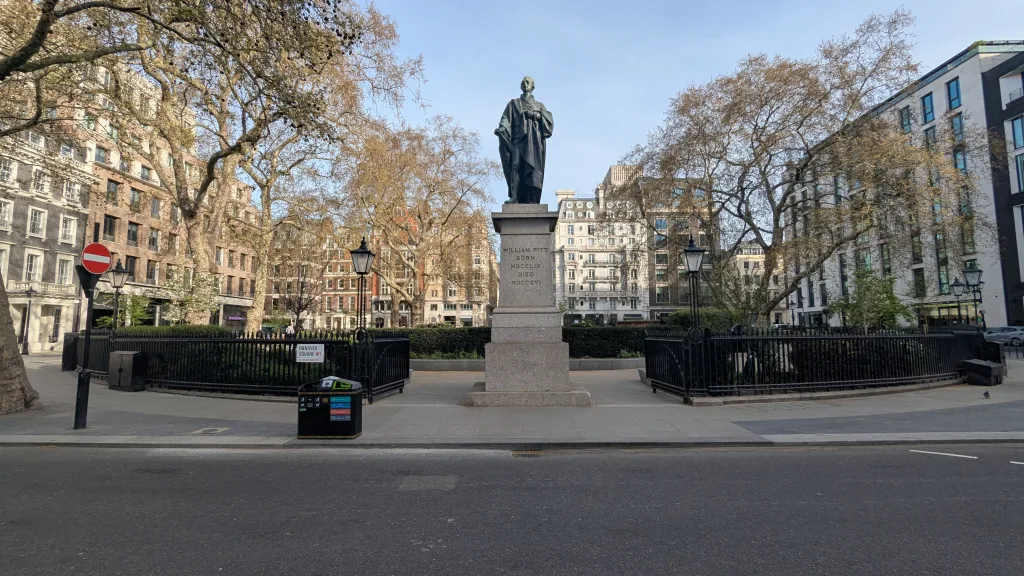
Hanover Square laid out in 1717. Statue of William Pitt the Younger.

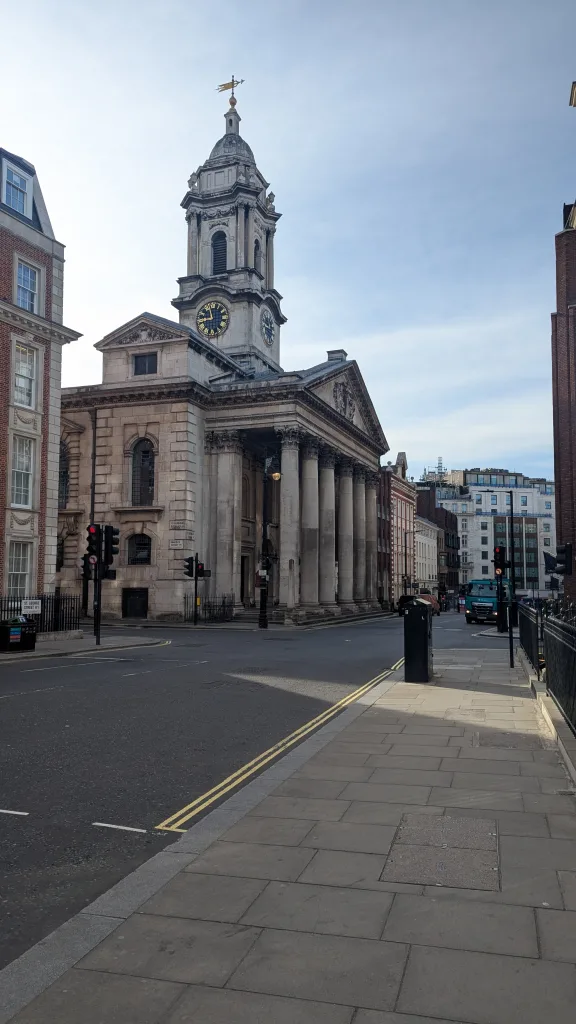
On April 6th 2025, and 2026. I did Jane Austen in Mayfair walks. Today, I met my client at Claridges, (£930 a night). Arriving early, I had a chance to look around, and work out some changes to my Jane Austen walk. I decided to start it at Bond Street, rather than Green Park. This gives a chance to look at Hanover Square, where the tedious Palmers fictionally live (Sense & Sensibility). It is also the location of St George’s Church where Henry Crawford is telling Fanny he will marry her (Mansfield Park). (He won’t).

St George’s Church – St George’s Street, Mayfair London.

I really love exploring Cities, and here are a few reasons. I knew the Tyburn River used to flow near here. So, I was delighted to see a place where the road to the west rose in height and the road to the east also climbed a small hill. This was the valley of the Tyburn. As I reached the depression, looking left and right, instead of grand boulevards were two pokey little lanes, cutting at an angle in which you could imagine the babbling brook.

Post walk research confirmed the guess, this was the course of the Tyburn. Below is an open-source map from the Londonist. Look at their post for more on the Tyburn.

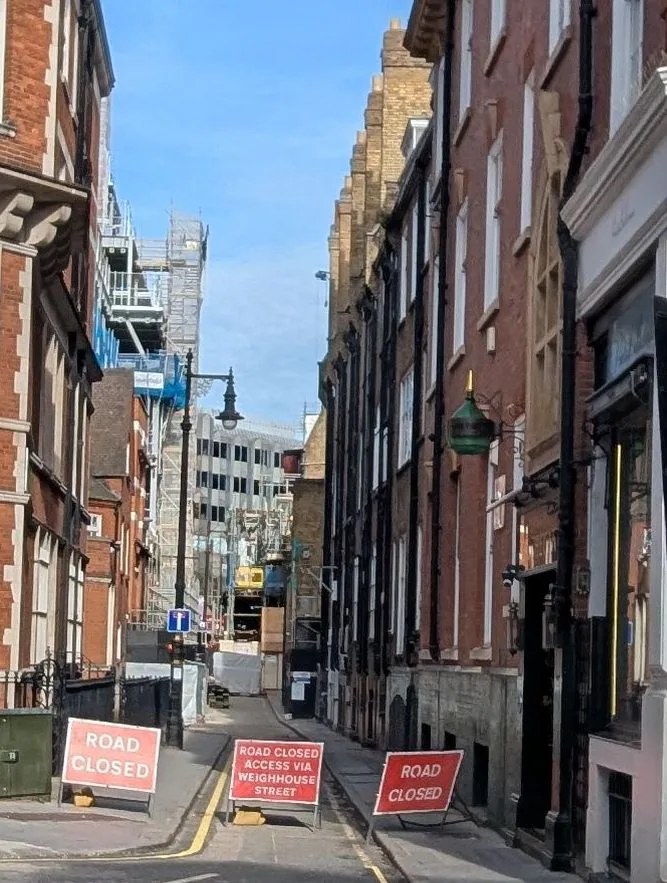
Further down Brook Street were a couple of delightful buildings. First a juxta-position of a Georgian town house with a fine brutalist tower, and then a fabulous triangular brick corner house.

Brook St, London, Photos K Flude

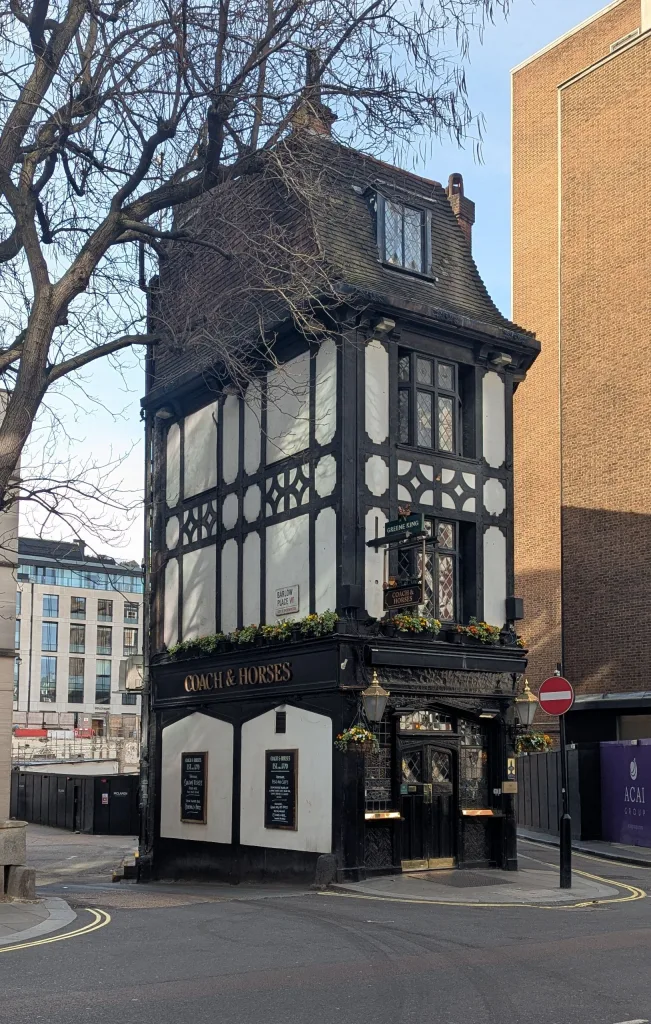
Finally, in Bruton Street just where the Tyburn would have crossed the road was the very epitome of an old inn – the Coach & Horses which survives since 1770, 5 years before the birth of Jane Austen! It is the ‘oldest surviving unreconstructed tavern in Mayfair.’ If you want to do my Jane Austen walk for London Walks, please follow this link.

Object of the Day – Allies

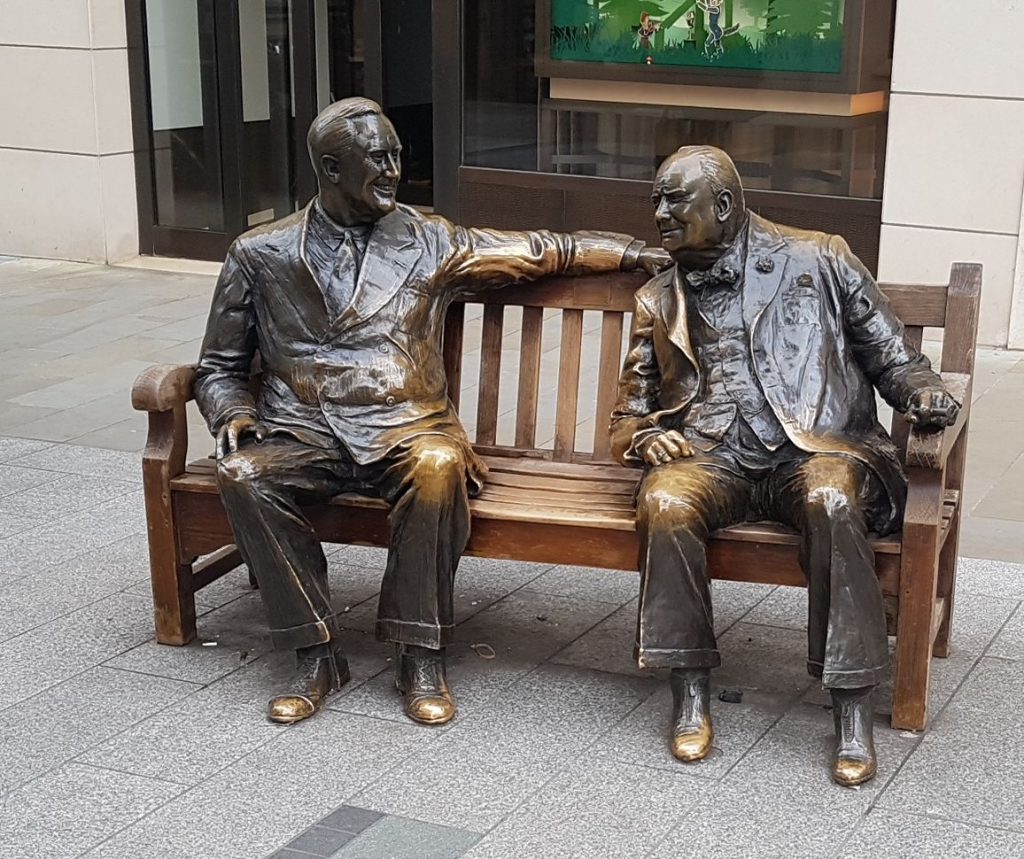
Allies by Lawence Holofcener. 2nd May 1995 to commemorate 50 years of Peace. Photo by K Flude

On my walk, like last year, we saw the statue of Churchill sitting on a park bench chatting with Roosevelt. Seemed like it was from a different world? Given President Trump’s recent statements on NATO?

Details of the Statue

Wise Words on Tariffs.

As it’s the end of the financial year I might be forgiven for keeping in this post words from last year when, coincidentally, I did the same walk. Last year the issue was Tariffs. This is what President Ronald Reagan said about high tariffs.

YouTube video of Ronald Reagan on Tariffs

First Published 6th April 2025, Mayfair content added and post revised 2026

Anglo-Saxon Easter

Lullingstone Mosaic representing Spring
Easter – Lullingstone Roman Mosaic representing Spring

The German name for Easter is Ostern. The English name is Easter which the Venerable Bede, in the 8th Century, derived from the Goddess Eostra. They probably have the same derivation. But this is all the evidence there is for the Goddess, despite many claims for the deep history of Easter traditions.

Easter, Estry and Canterbury

Philip A. Shaw has proposed that the name of Eastry in Kent might derive from a local goddess, called Eostra. Canterbury had a leading place in the development of the early Church both in England and Germany. So, perhaps, this led to the adoption of a local cult name in these two countries. Otherwise, the name for Easter in Europe derives from Pascha which comes from the Hebrew Passover and Latin. In French it’s Pâques, in Italian Pasqua, Spanish Pascua; Dutch Pasen, Swedish Påsk; Norwegian Påske and so on.

The Church’s Choice for the Date of Easter

The timing of Easter is the first full moon after the Spring Equinox. I have already explained that Spring was the time the Church set for the Creation, the Crucifixion and other key points in the Christian Calendar. See my post the-beginning-of-the-universe-as-we-know-it-birthday-of-adam-lilith-eve-conception-of-jesus-start-of-the-year.

Eleanor Parker in her lovely book ‘Winter in the World’ gives a lyrical insight into how the dates were chosen. The Anglo-Saxons held the belief that God would only choose the perfect time for the Creation and the events of Easter. The Creation began with the birth of the Sun and the Moon. So it was fixed to the Equinox, when the days were of equal length, and the fruits of the earth were stirring into life. But Holy Week also needed to be in harmony with the Moon. Therefore, Easter was tied, like Passover, to the first full moon after the Equinox, which is also when the events take place in the Gospels.

Winters in the World by Eleano Parker

The quotations Parker uses from early English religious writing and poetry shows a profound interest in nature and the universe. It is a very appealing viewpoint. It seems to me that this is something the Church lost in later times, and replaced with a fixation with dogma and ‘worship’ of the Holy Trinity, rather than a spiritual sense of wonder at the Universe.

Celtic & Roman Churches in Conflict

At the time, fixing the date of Easter was very controversial as the Celtic Church in Britain had a different calendar to the Roman Catholic Church. Easter fell on a different day. The Anglian King of Northumberland, for example, celebrated Easter on a different day to that of his wife. King Oswiu was exiled to Ireland where he was influenced by Celtic Christianity. His wife, Eanflæd, from Northumberland, had been baptised by the Roman Catholic missionary, Paulinus.

Easter and the Synod of Whitby

Oswiu, became King of Northumberland and ‘Bretwalda’ (ruler of all Britain). He encouraged a reconciliation. This culminated at the Synod of Whitby (664AD), between the two churches. The Celtic Church finally agreed to follow the Catholic calendar and other controversial customs. The Abbess at Whitby during the Synod was Hilda of Whitby. The Celtic position was defended by Bishop Colmán and the Roman position by St Wilfred. Bishop Colmán resigned his position as Bishop of Lindisfarne, returned to Iona and then set up a monastery back in Ireland. Wilfrid studied at Lindisfarne, Canterbury, France and Rome. After her husband’s death, Queen Eanflaed became Abbess of Whitby,

The antagonism between the two churches went back to the time of St Augustine in the early 7th Century. In a meeting between St Augustine and Celtic churchmen, St Augustine was judged to have been arrogant, unwilling to listen. So agreement was not reached. Sometime afterwards, the Anglo-Saxons attacked the Celts at the Battle of Chester. Hundreds of monks from the Abbey at Bangor were slaughtered.

Days off at Easter & Rituals

Ælfric of Eynsham gives a powerful commentary on the rituals of the Church over Easter. They were full of drama and participation. These included Palm leaf processions on Palm Sunday, feet washing and giving offerings to the poor on Maundy Thursday. Then followed three ‘silent days’ with no preaching. Instead there were rituals and services aiming to encourage empathy for the ordeal of Jesus. This included the nighttime service of Tenebrae. All lights were extinguished in the Church while the choir sang ‘Lord Have Mercy’. The darkness represented the despair that covered the world after Jesus’ death. Good Friday was the day for the adoration of the Cross. The Cross would be decorated with treasures and symbolised turning a disaster into a triumph.

It seemed to me that I saw a wondrous tree
Lifted up into the air, wrapped in light,
brightest of beams. All that beacon was
covered with gold; gems stood
beautiful at the surface of the earth,….

The Dream of the Rood quoted in Eleanor Parker’s ‘Winter in the World’

The Harrowing of Hell

The days before Easter Sunday are known as the ‘Harrowing of Hell’. This was a very popular theme in the medieval period (featuring in Piers Plowman for example). Jesus went down to hell to free those, like John the Baptist, who had been trapped. Becauase when he died the world had no saviour until the first Easter. The name ‘Harrowing’ comes from ‘Old English word hergian ‘to harry, pillage, plunder’. The ‘Clerk of Oxford’ Blog provides more information on the Harrowing of Hell on this page,

The Clerk of Oxford Blog is written by Eleanor Parker. She started in 2008, whilst an undergraduate student at Oxford. The blog won the 2015 Longman-History Today award for Digital History‘.

The above is but a very poor précis of Eleanor Parker’s use of Anglo-saxon poetry and literature. She brings an Anglo-Saxon Easter to life. So if you are interested to know more please get a copy of her book.

Easter Days off

King Alfred’s law code gave labourers the week before and after Easter off work. This made it the main holiday of the year.

First Published in 2023 and republished in 2025, 2026

Francis Drake Knighted at Deptford April 4th

Sketch from an old print. Francis Drake being knighted by Queen Elizabeth I.  In fact, the Queen delegated the dubbing to a French Diplomat

The Queen’s half share in the profits of the Golden Hind’s circumnavigation of the world, amounted to more than her normal annual income. So it is no wonder she knighted the Captain, Sir Francis Drake. The ceremony took place in the dock in what is now South East London at Deptford.

The Spanish were furious that a Pirate should be so honoured. The Queen may have given a French man the honour of dubbing Sir Francis. She did this, perhaps to encourage the French to support the English against the Spanish?

The annual Royal Income for King Charles III is £86.3 million.  This is paid in the Sovereign’s Grant.  It gives you an idea of Drake’s booty. But I imagine she had a greater share of the nation’s wealth than Charles, as she was the Government not just a honorific cutter of ribbons.

Francis Drake. Hero or Bloodthirsty Pirate?

Francis Drake was one of the British heroes I read about as a child. I had a thick book with stories about people King Alfred the Great, Hereward the Wake, Robin Hood, Drake, Charles II, Bonny Prince Charlie, Flora MacDonald, Florence Nightingale, David Livingstone etc. Some of them horrifically Imperialist and racist!

Drake is remembered for being the first English person to sail around the world. And his exploits in ‘singeing the beard of the King of Spain’ on his piratical raids on the Spanish Main.

In the books I read, the Spanish were the bad guys, and we were on the side of the Angels. Drake was one of the swash-buckling heroes who turned Britain from a not very important country on the edge of Europe, to one of the World’s Great Powers.

Portrait of Francis Drake with Drake Jewel given to him by Queen Elizabeth I

On the other hand, he was also a pioneer of the Slave Trade, was involved in atrocities in Ireland and in the Spanish Territories. He summarily executed one of his crew in dubious circumstances. Perhaps more significantly, his contemporaries did not entirely trust him.

Francis Drake and the Spanish Armada

As the Spanish Armada sailed along the southern coast of England, the English Navy sniped at the heels of the Spanish ships. Drake was tasked with leading the nighttime harrying of the Armada up the Channel. The idea was to stop them landing and to drive them away and into the hostile waters of the North Sea. Drake in the Revenge was leading the pursuit, and the other ships were told to follow. He was to keep a single lantern alight in the stern of his ship. But the Lantern went out, and the British pursuit was disrupted.

The next morning, Drake comes back having captured the Spanish galleon Nuestra Señora del Rosario, flagship of Admiral Pedro de Valdés.  The ship contained the gold to pay the Spanish Armada, which Drake seized. Was this a fortuitous accident which rebounded to Drake’s considerable financial advantage or something more deliberate?

In the end, the lantern incident did not stop the British forcing the Spanish to flee around the North of Scotland.  On this perilous voyage only about 60 of their ships returned to Spain out of about 130. And Britain was saved from the Spanish Armada.

Nuestra Señora del Rosario and Agatha Christie

I used to lead an Agatha Christie program which included a visit to Torre Abbey in Devon.   And it was here that the Spanish ship’s crew were imprisoned after Francis Drake took the ship.

The Abbey was a Premonstratensian Abbey. Its tithe barn was used to hold the prisoners of war from the ship of whom there were 397.

The Spanish Bar, Torre Abbey. Photo 2012 Kevin Flude
The Spanish Barn, Torre Abbey. Photo 2012 Kevin Flude

Sir John Gilbert, who was Sheriff of Devon at the time, used 160 Spanish Prisoners of War to develop his estate above the River Dart. The Estate is in a magnificent position, overlooking the drowned valley of the Dart. It is now enjoyed by those millions of visitors to what became the summer home of Agatha Christie (Greenway). The Poison Garden in the Garden of the Abbey is themed around poisons used in Agatha Christie’s books.

The Golden Hind & Deptford

Queen Elizabeth I decided that the Golden Hind should be permanently docked in Deptford.  So the ship was placed in a ‘dry’ dock filled with soil.  The ship decayed and by 1660 nothing much was left. 

I remember as a young archaeologist that some of our team took time out to work with Peter Marsden. He is one of the great experts in Naval archaeology, and he led a search to find Drake’s ship.  There was a huge fanfare in the London newspapers. ‘Find the Hind’ I think must have been the hopeful Headlines. But, rather embarrassingly, given the build up, they failed to find anything of significance.

Further exploratory excavations took place in 2012, with no greater success.

The defeat of the Spanish Armada 1588 showing July22nd Start Point Devon with English ships pursuing the Spanish
Panorama biew of the Spanish Army from an old history book

Golden Hind souvenirs

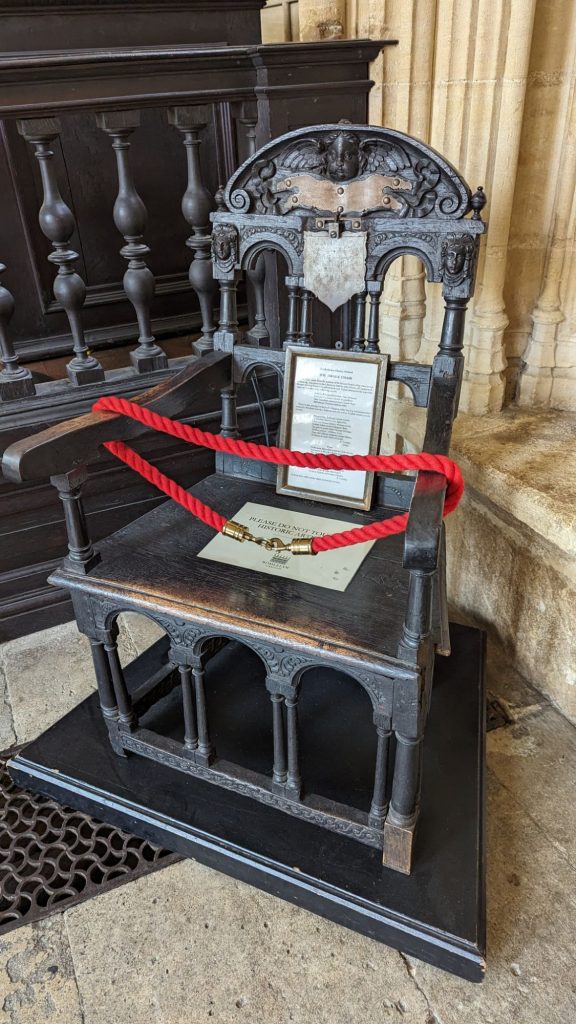
Chair made from timbers of the Golden Hind in the Dinity Hall, Oxford, photo K Flude

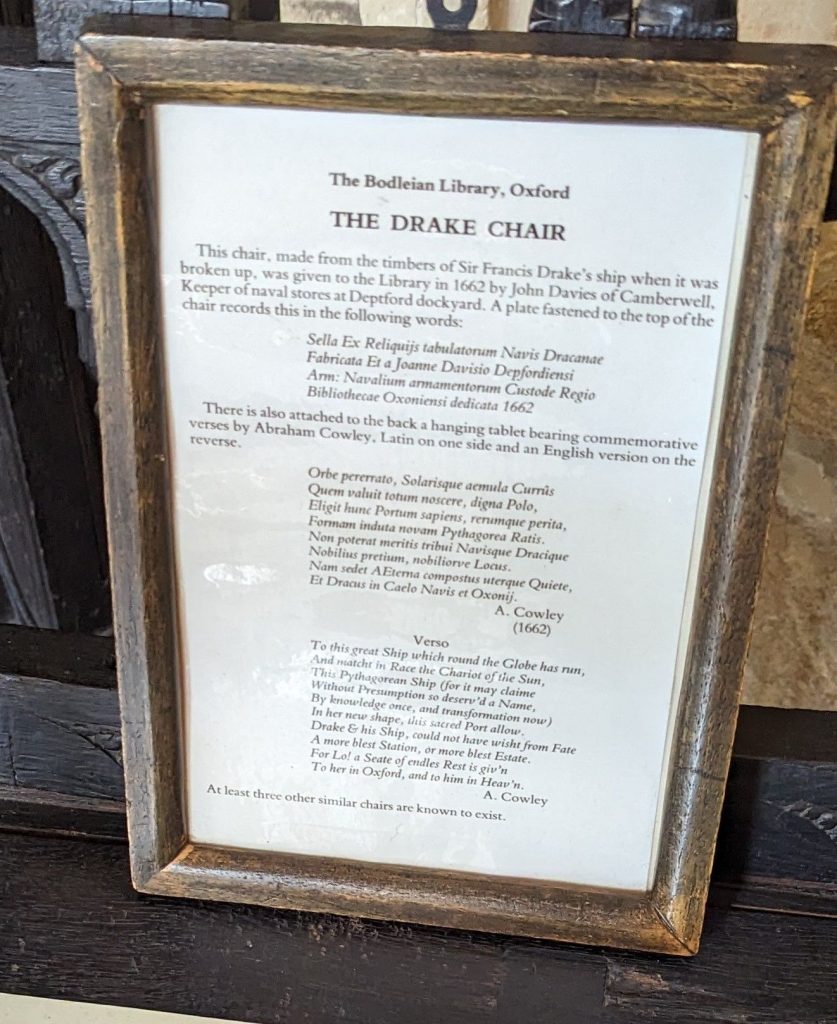
The Keeper of the Naval Stores at Deptford made chairs from the ruins of Drake’s ship, and one of them is on display at the Divinity Hall, Oxford.

Information panel on the Chair made from the ruins of the Golden Hind, photo K Flude

Sir Francis Drake and Middle Temple Hall

In London, Sir Francis Drake visited Middle Temple Hall, off of Fleet St regularly. A table (called the cupboard) is reputedly made from the hatch cover of the Golden Hind.  This is where the newly qualified barristers stood to have their registration entered into the Inn’s books. Sadly, it did not survive the bombing of 1941.

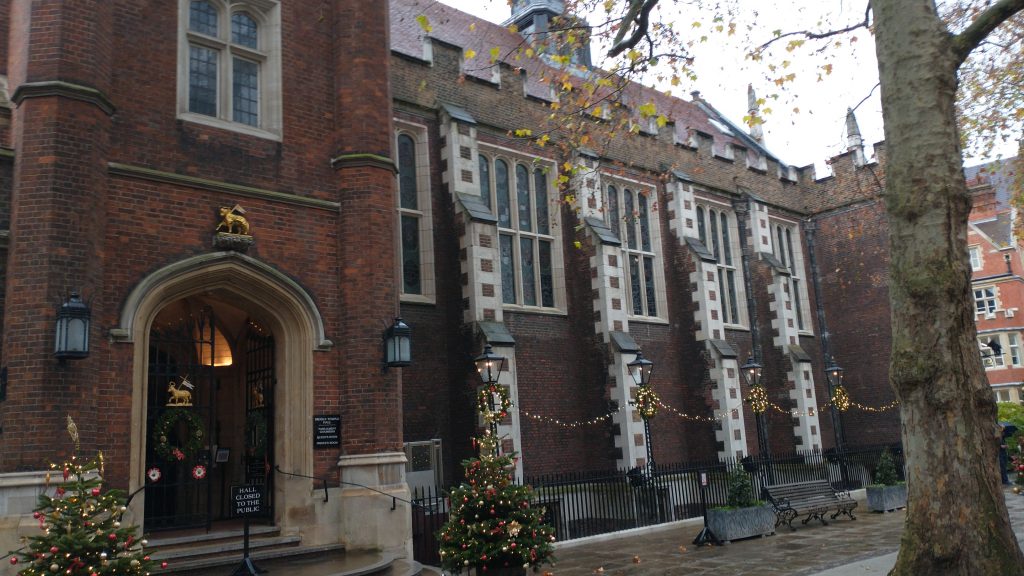
Middle Temple Hall. Photo K Flude 2021

The lantern which hung in the entrance Hall allegedly came from the ship’s poop deck (so not the one he failed to keep lit!). Other famous mariners associated with the Middle Temple include Sir Martin Frobisher and Sir Walter Raleigh. Shakespeare’s company performed Twelfth Night in the Middle Temple Hall

https://www.middletemple.org.uk/about-us/history/elizabethan-and-jacobean-times

On this day

The Romans celebrated the Great Mother, the Cybele in the festival of the Megalesia. To celebrate bringing a meteorite of Cybele to her temple in Rome in 204BC. Celebrated by the Games of the Great Mother

1660 – Declaration of Breda by King Charles II promises a general pardon to all royalists and opponents of the monarchy for crimes committed during the English Civil War. Excluded were the Regicides who signed Charles I’s death warrant.

1814 – Napoleon abdicated and on April 11 ordered into exile in Elbe.

1949  Twelve nations sign the North Atlantic Treaty creating NATO. They were the Western Union – ( France, UK, Belgium, Netherlands, and Luxembourg) and the United States, Canada, Portugal, Italy, Norway, Denmark, and Iceland

1968 – Martin Luther King Jr.  assassinated by James Earl Ray in Memphis, Tennessee

First published 2024, revised 2025, On This Day added 2026

Chelsea Buns, Hot Cross Buns. Long Rope Day & Good Friday

photo of three hot cross buns on a blue transfer ware plate
Good Friday Hot Cross Buns

This year, Good Friday is on Friday 3rd of April, and the day we eat Hot Cross Buns. The Hot Cross Bun is a simpler sort of bun than the Chelsea Bun, which was the bun to have at Easter in London in the 18th Century.

Hot Cross Buns Good Friday Traditions

There seem to be all sorts of dubious traditions around the origins of the Hot Cross Bun. It has been suggested that the Greeks knew how to put a cross on a bun. Also, that the Anglo-Saxons celebrated the Goddess Eostre with the crossed bun. It is suggested that the cross represents, not the cross, but the four quarters of the moon, the four seasons and the Wheel of the Year. But there is very little evidence for Eostre other than the Venerable Bede’s mentioning her name. Bede says:

‘‘Eosturmonath has a name which is now translated ‘Paschal month’, and which was once called after a goddess of [the English people] named Eostre, in whose honour feasts were celebrated in that month’ (quoted from florencehrs.substack.com/p/eostre-pagan-fertility-goddess)

So nothing is known about Eostra herself nor her rituals and customs. So her association with Hot Cross Buns cannot be known. However, the cross, and the association with Easter, makes the bun powerful, so there are many superstitions on record. A piece of an Easter Hot Cross Bun given to the sick may promote a cure. It was said that a bun cooked and served at Easter will not go off for a year. This might help explain the traditions that hanging them up on a string or ribbon is a good thing. One hung in a kitchen prevents fire. On a ship prevents sinking. In East London, the Widow’s Son Pub in East London has an old bun. This remembers a sailor-son who never returned to eat it on Good Friday.

Making and Eating Hot Cross Buns

The technology of putting a cross on a Bun requires nothing more complicated than a flour and water paste so it might well be an ancient tradition. A more impressive cross can be made with shortcrust pastry. The bun itself is simply flour, milk, butter, egg, salt, spices and mixed fruit. Here is a recipe from the BBC www.bbcgoodfood.com

In my opinion, they need to be purchased from a shop. Home-made Hot Cross Bun might be better but would be strangely disappointing. It’s normally eaten toasted and buttered although I prefer the soft doughy untoasted and unbuttered bun. But then I can get carried away and eat the entire pack of four.

The Good Friday Chelsea Bun

Old Chelsea Bun House Frederick Napoleon Shepherd - from a print at the Museum of London (Wikipedia)
Old Chelsea Bun House Frederick Napoleon Shepherd – from a print at the Museum of London (Wikipedia)

‘RRRRRare Chelsea Buns’ as Jonathan Swift called them in a letter to Stella in 1711.

Fragrant as honey and sweeter in taste
As flaky and white as if baked by the light
As the flesh of an infant soft, doughy and slight.

The buns were made from eggs, butter, sugar, lemon and spices. The tradition was that, on Good Friday, 18th and 19th Century Londoners would go to Chelsea to buy Chelsea Buns. Thousands of people would turn up at the Five Fields. These stretched from Belgravia to what is now Royal Hospital Street. There were swings, drinking booths, nine pins and ‘vicious events that disgraced the metropolis’. The Bun House was on Jew’s Row as Royal Hospital Street was then called. As several King Georges visited the Bun House it became known as the Royal Chelsea Bun House. It was run by the Hands family. They were said to sell 50,000 Buns on the day. Stromboli tea garden was nearby.

Chelsea Cabinets of Curiosity

Inside the Chelsea Bun House was a collection of curiosities. Chelsea became known for its collection of curiosities in the 18th Century. Of course, there was the great Hans Sloane’s collection which was the founding collection of the British Museum. And then there was Don Saltero’s which was a coffee house that had curiosities on the wall. The Bun House displayed clocks, curiosities, models, paintings, and statues on display to attract a discerning Public.

Find me a Chelsea Bun! (Or make one yourself!)

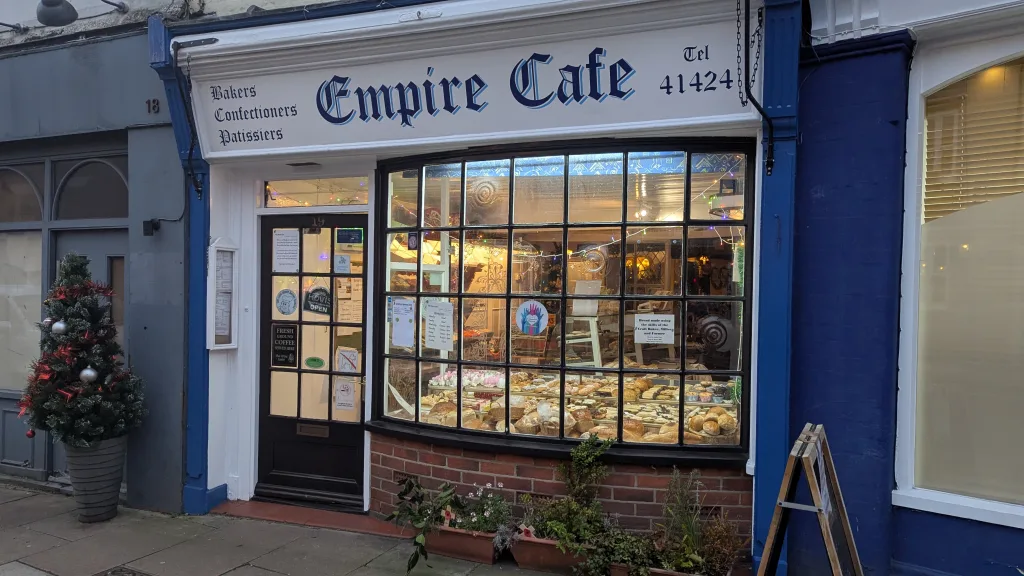
Me. I love a Chelsea Bun above all buns, But can you get them any more? The British Library Cafe was the last place I found that sold them. And that was 7 years ago. I did Chelsea Buns on sale in the Empire Cafe in Newbury but apart from that nada. Their place has been taken first by Danish Pastries and more recently the ubiquitous Cinnamon Bun. If you see any Chelsea Buns on sale please let me know.

To make yourself one follow this link. https://www.christinascucina.com/chelsea-buns-british-buns-similar-to-cinnamon-rolls/

Chelsea_bun by Petecarney wikipedia
Chelsea Bun by Petecarney wikipedia

Long Rope Day

There is a tradition of Skipping on Good Friday. I can’t say I ever saw it – in my school skipping was a perennial activity, mostly enjoyed by the girls, but the boys would sometimes be intrigued enough to join in.

There is a great article about Long Rope Day in the Guardian with a wonderful picture of a collective skip. Find it here! https://www.theguardian.com/culture/2023/apr/06/english-heritage-tradition-skipping-aeaster

More Easter traditions here. My post on Pancake Day. For Lardy Cake read my Fat Thursday post.

First Written in 2023, and combined with the Chelsea Bun in April 2025, Revised and Newbury added April 3rd 2026

The Month of April

Regent’s Canal, London in the Month of April. Photo K Flude

The name of the Month of April comes from Latin. From Aperilis from aperio meaning ‘to open’. This is the month when the Earth opens up, the blossoms bloom, buds budding, the flowers flowering.

In Anglo-Saxon times, the Venerable Bede mentioned that they called the month Eostremonath. But there really is no other evidence for the Goddess Eostre. But it is from her that we get our word ‘Easter’. In Gaelic it’s the Cuckoo’s month ‘Ceitein na h-oinsich’. In Welsh it is Ebrill which comes from the Latin.

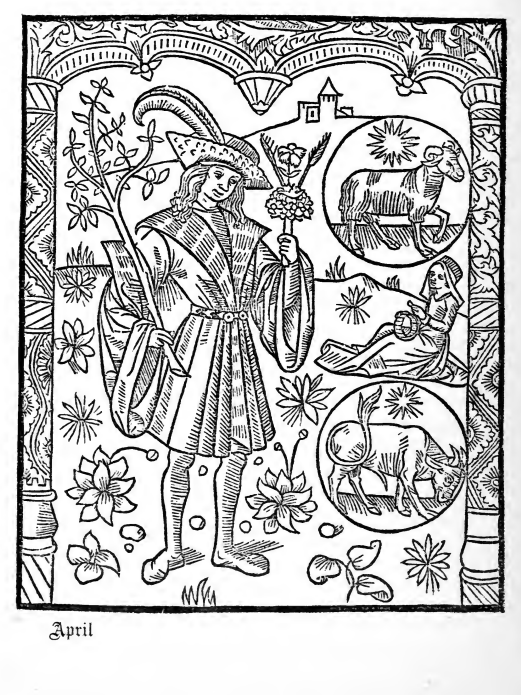
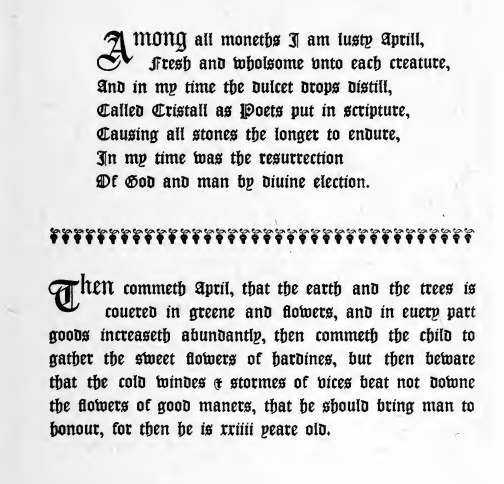
Title Page of the Kalendar of Shepherds for April
Title Page of the Kalendar of Shepherds for the Month of April

The image from the medieval Kalendar of Shepherds shows all the beautiful flowers blooming. The central figure is a rich man bearing bows of tree and flowers. Behind him is a female sitting on the grass embroidering. Love is in the air, and a castle on the hill. The star signs of the month are shown in the roundels.

Aries sign of the Zodiac
Taurus sign of the zodiac

Star Signs as Greek Deities

Astrological signs and their associated Dieties.

I can’t remember where I found this illustration nor its justification. But, is it strange that the Greek God Ares is not the patron of the Star sign Aries? Of course, Ares/Mars has March named after him. Ares is a fire sign, its colour is red, and ruled by the planet Mars.

Aries is no ordinary Ram, he has wings and is called Chrysomallos. Ino the step-mother of Phrixus and Helle, wife of the King of Boeotia, hated her step-children, and plotted their death. But they were rescued by the flying Ram which had a Golden Fleece. Unfortunately, Helles fell off and drowned in what became known as the Hellespont, Phrixus came to safety in Colchis, and in an act of terrible piety, sacrificed the poor lamb to Zeus as a “Thank You”! The fleece was later taken by Jason and the Argonauts. (So, now we know why Zeus is the patron God of Aries!)

Hestia is the Goddess of the Heath. In other words, she is the Goddess of all those wonderful things that are encompassed by the word ‘Home’. (You’ll find more on Hestia in my reflections-on-the-solstice/)

The Month of April in the Kalendar of Shepherds

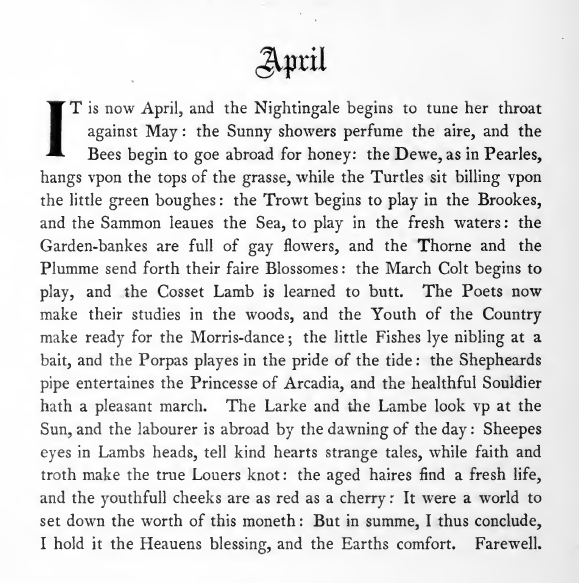
The Kalendar of Shepherds as usual gives a lyrical insight into the countryside in the month of April:

Kalendar of Shepherds description of nature and farming in April

It continues with a poem. Beneath the poem is text which describes what happens to the child in the fourth set of 6 years. January represents a child’s life from 0 – 6, February 6 – 12. So April represents the ages 18 – 24 – the spring time of Man. But also a time when the struggle between vice and virtue in the young mind.

For more about the Kalendar of Shepherds read my post.

First written on 7th April 2025, (some content was moved from its original April Fools Day post home). Revised and section on Aries added 2026