The Spring Equinox March 20th

Video by Heike Herbert of Druids at the Spring Equinox at Tower Hill, London

New content will be found at the bottom in the ‘On This Day section.’ So, Spring has sprung, not only meteorologically speaking but also astronomically. We are 20 days into the meteorological Spring which started on 1 March (see my post here.) Today, we are starting the astronomical or solar Spring.

The 20th of March is the Spring Equinox, or Vernal Equinox, midway between the Winter Solstice and the Summer Solstice. The sun has been rising further north each day since December 21st. Today it rises due East, and sets due West. The day and night are roughly equal in length (although by no means exactly). At 14:45 today, the Sun is directly overhead at the Equator.

The term vernal comes from the Latin for Spring, and today is the Primavera, the first day of Spring. The Anglo-Saxons originally used the word lencthen (Lent) for Spring. But later adopted the idea of the ‘springing’ of the year when the plants bud. In Middle English, the word Spring is also used for sunrise, the waxing of the moon and the rising tides. These are called spring tides. But also for the sprouting of the beard and the first appearance of pubic hair! Happy Spring Time!

Printemps

Up to the 15th Century, the English also used the French term ‘prime-temps’ in the sense of ‘first times’. This follows the idea that the year is young, while Winter represents old age. As we shall see, on March 25th, there was also a belief that the world was created in Spring at the Equinox. Jesus was also conceived at this point of the annual cycle. (see my post /march-25th-the-beginning-of-the-universe-as-we-know-it-birthday-of-adam-lilith-eve-conception-of-jesus-start-of-the-year)

Zodiacally, if that is a word, Spring is Aries (brave and impulsive); Taurus (sensual and stubborn), and Gemini (dynamic and talented).

Druids at Tower Hill
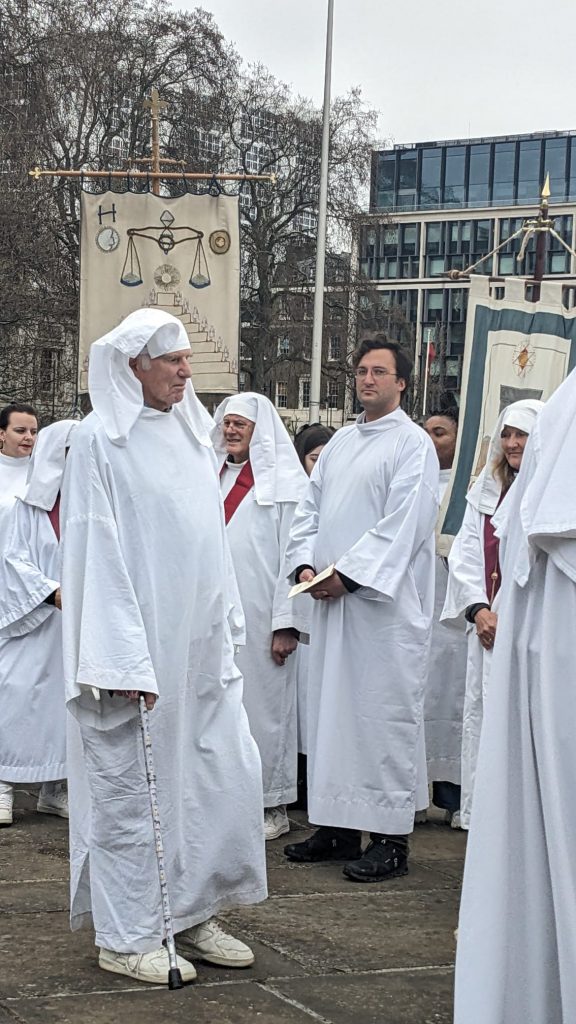
Druids at the Spring Equinox Tower Hill London, Photo by Heike Herbert

The Druids have a ceremony at Tower Hill every year on the Spring Equinox. When I last attended I remember the druid costumes were often made with nylon sheets, and their footware was mostly tennis shoes. I see from the photos the nylon has at least been replaced with cotton, and the plimsolls with trainers. Not quite sure what that pair of black trainers are doing in the picture!

As my photos are getting long in the teeth, I have used photos by Heike Herbert. She attends most years. The ones above from 3 years ago. In 2025, she reported that the atmosphere has been affected by a street food market,. This restricted the space for the Druid Circle. The food stalls are there every Thursday, so it only impacts the Druid assembly once every 7 years! In 2026 the Druids meet at Tower Hill at 12 noon.
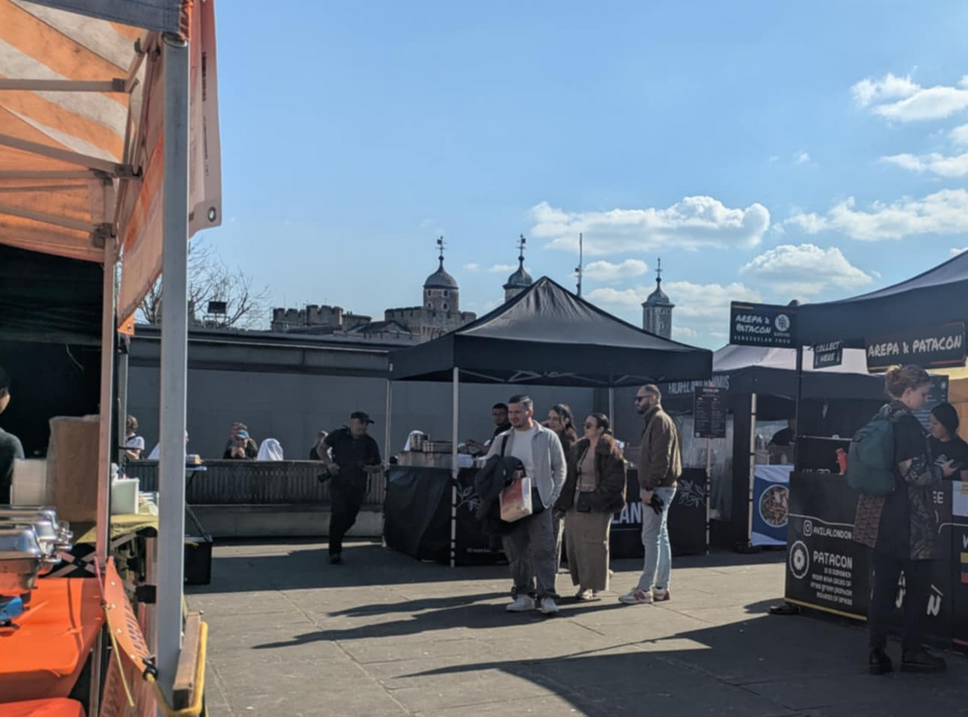
Tower Hill, Spring Equinox, 2025 and street food, Photo by Heike Herbert

Modern Druids

I say modern druids because there is no convincing evidence that the modern fellowships of Druids can trace their origins back to prehistory. Druidry was reinvented in the 18th Century — for example, the Ancient Order of Druids was formed in 1781. They were set up as societies in the tradition of the Freemasons. They held to belief in the fundamental importance of nature. However, one group, the British Circle of the Universal Bond, claim descent from a group persecuted by the Bishop of Oxford in 1166. Look at their website for more details and for an idea of their beliefs.

Prehistoric Spring Equinox

When did the Equinox first had importance for human society? The answer is, probably, at least as long as we have been reasoning creatures. On January 14th, I draw attention to a recent discovery by an amateur ‘citizen scientist’. He suggested there was evidence in Cave Painting for the use of a Palaeolithic Calendar. Follow this link to see the post.

Stonehenge and the Sun

At Stonehenge, in the old Car Park, they found three huge Pine post-holes in a line. Dating evidence shows they were erected in the Mesolithic period, thousand of years before Stonehenge. They align to the direction of the Mid-Summer Sunrise and Mid-Winter Sunset (NNE/SSW). If, and it’s a big if, you were sighting from Stonehenge itself, which was built some 5000 years in the future.
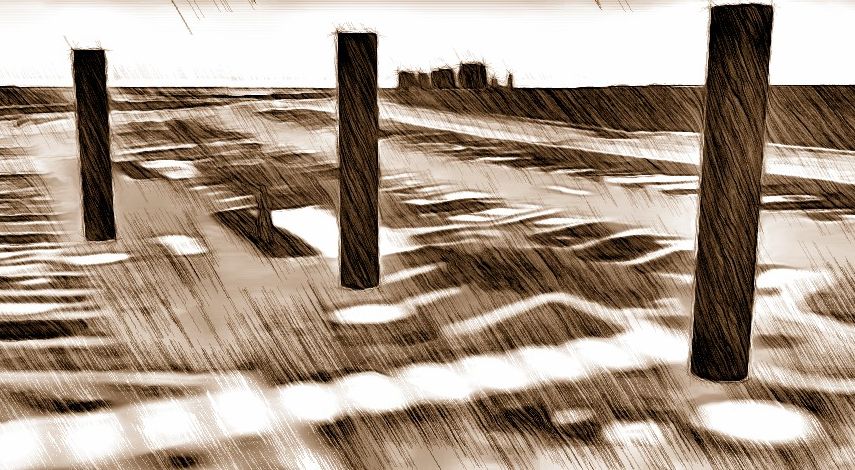
Imaginary reconstruction of the Carpark Postholes

It is a bit of a stretch using two pieces of evidence so far apart in time. But recent excavations have revealed that there are natural periglacial striations in the soft chalk bedrock at Stonehenge. These lines point to the Solstices. They not only predate Stonehenge but also the three post holes. The striations may well have been visible from the time they were created when the glaciers melted.

Around 12,000 years ago (date from my memory so approximate), the climate changed and the glaciers melted. This left a lot of water rushing around the landscape. At Stonehenge, it gouged out striations in the chalk. By chance, or as ordered by the Gods/Goddesses/Divine Nature, the striations pointed to the Solstice Axis. Richard Jacques excavations in the Stonehenge area revealed that the aurochs came to the Stonehenge area for grazing and water. Aurochs are huge wild cows with enough meat on them to feed 200 people. So, the solar axis is near a place where the Gods/Goddesses/Divine Nature provided super-abundance in the guise of herds of Aurochs.
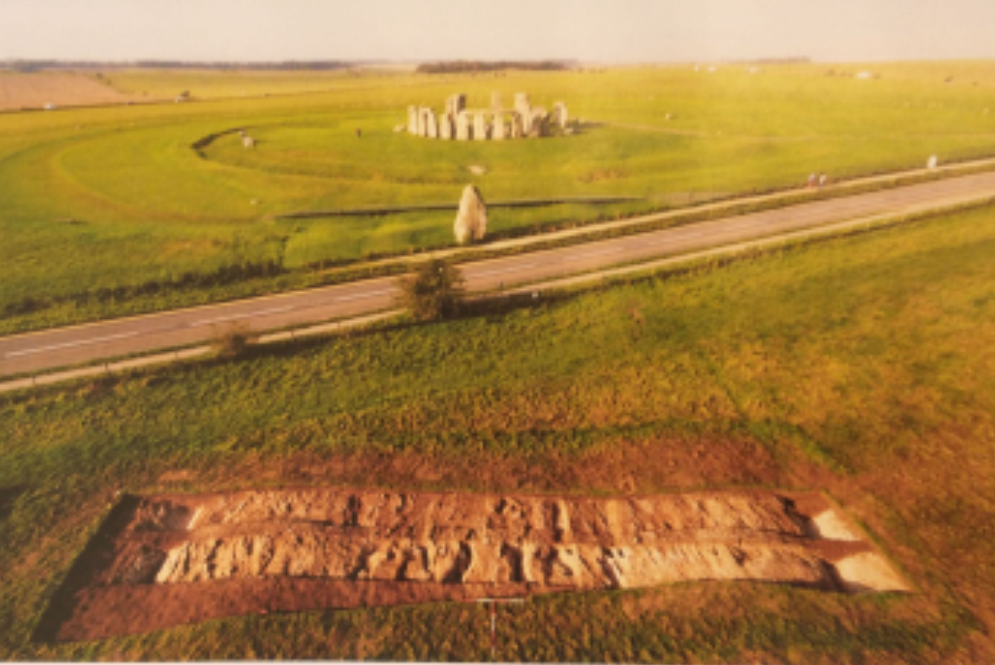
Foreground shows the periglacial striations aligned on the Solstice. Source Current Archaeology?

Burial Mounds aligned to the Equinox

That the major movements of the Sun were of interest to Neolithic and Bronze Age society is confirmed by the alignment of many megalithic monuments dating from 3,600 BC onwards, including, of course, Stonehenge. All around the UK are long barrows and other burial mounds, many of which are indeed sited/sited E-W to the Equinoxes. Many are fairly approximate. But at Loughcrew, County Meath in Ireland the Vernal Equinox shines right into the burial chamber. The sun’s light shines onto a stone marked by stone carvings. Similar alignments exist at Knowth and Dowth in the Boyne Valley. More about Loughcrew in my post here)

Harmony & the Spring Equinox.

The Equinox also has another role, which is to be the anchor of the cardinal points. The world is orientated to North, South, East, West. The Equinox is a time when there is a harmony, a balance in the universe. Therefore, it is a fortunate, a lucky time, a time to fall in love or undertake notable undertakings. But, in the Christian world marriage traditionally had to wait a little longer, until after the commemoration of the death of the Messiah,

On This Day

Today, is The International Day of Happiness. This was set up by the UN on 28 June 2012. This year’s theme:

explores the relationship between social media and happiness, highlighting the potential challenges for our wellbeing as well as ways we can all use tech for good.

Go to the web site for more information. But these are the three steps they suggest: (I’ve cut and pasted them from the site)

Step 1: Choose

Be mindful of if, when and how much you are on social media.

  • Pause and ask yourself, “What do I really want to do right now?” Keep a list of analogue activities you can do instead, like playing music, drawing, gardening or going outside for a walk.
  • Set a timer so scrolling is a short snack rather than a wormhole.
  • Give your mind space to think, keep the bedroom phone free, try a ‘digital sabbath’.

Step 2: Connect

Don’t let scrolling be a substitute for real connection.

  • Phone a friend for a chat, or send some voice notes, instead of scrolling.
  • Make plans offline, get excited about your next adventure with loved ones.
  • Use social media to connect with supportive friends and communities that are meaningful to you.

Step 3: Curate

Personalise your experience to support your wellbeing.

  • Follow plenty of positive accounts – bloom scroll, don’t doom scroll.
  • Share and amplify uplifting stories, messages and ideas, be aware of misinformation.
  • Be kind in the comments, it matters more than you think.

If you have found this useful, spread the word and encourage others to do the same. Use the hashtag #InternationalDayOfHappiness.

The World Happiness Report

This is published annually by the Wellbeing Research Centre at the University of Oxford. More details here. Finland is top for the 9th year in a row. US is 23rd, UK is 29th. These are the top 25 happy countries:

  1. Finland
  2. Iceland
  3. Denmark
  4. Costa Rica
  5. Sweden
  6. Norway
  7. Netherlands
  8. Israel
  9. Luxembourg
  10. Switzerland
  11. New Zealand
  12. Mexico
  13. Ireland
  14. Belgium
  15. Australia
  16. Kosovo
  17. Germany
  18. Slovenia
  19. Austria
  20. Czechia
  21. United Arab Emirates
  22. Saudi Arabia
  23. United States
  24. Poland
  25. Canada

I’m going out for a walk, to phone a friend and to move my narrow boat as it’s a beautiful sunny day. Winter Solstice in Helsinki? Happy Days!

First Written in March 2023, and revised in March 2024, 2025, OnThis Day added in 2026
Ice age Lunar Calendar in the Palaeolithic (20,000 years ago) 14th January

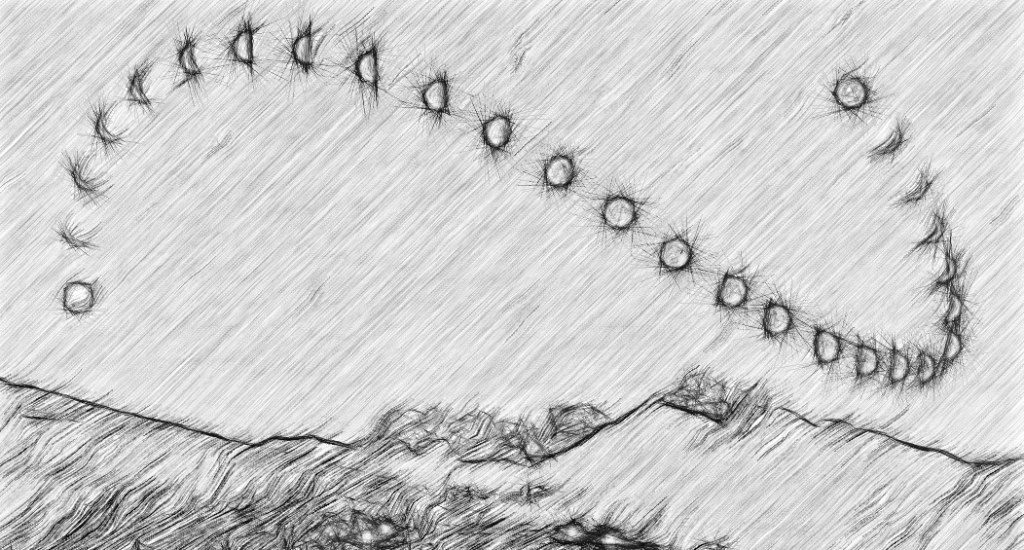
The Moon over 28 days, sketch from photo.

This page is about the discovery of evidence for an Ice age Lunar Calendar. The alignment of Neolithic and Bronze Age monuments shows that there was a calendar of the year in use. But in 2023, evidence of a Palaeolithic Calendar was discovered by an ‘amateur’. Furniture maker Ben Bacon studied markings in cave paintings at Lascaux, Altamira and other caves.

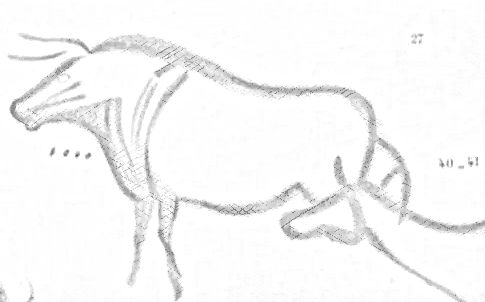
Sketch of 23,000 year old cave painting, below the head of the animal are  dots which arethought to be lunar months of the mating season
Sketch of 23,000 year old cave painting, below the head of the animal are 4 dots which are thought to be lunar months of the mating season

He collaborated with Professors at UCL and Durham. They interpreted markings showing the use of an Ice age Lunar Calendar to mark the mating season of particular animals. A Y shaped mark he interpreted as meaning ‘giving birth’. The number of dots or dashes drawn by or in the outline of the creature coincided with their mating season. They determined this by studying the mating season of modern animals, which corresponded with the palaeolithic markings.

For further details, read the article in Cambridge Archaeology here.

At Stonehenge, there are suggestions that the alignments to Midsummer and Midwinter Solstices stretch further back into the Mesolithic period. (For more about Stonehenge see my post).

On this Day! A Whopping, whopping mallard!

1437 – Workmen discovered a giant Mallard which inaugurated ‘Mallard Day’ at All Souls, College, Oxford. It must have been colossal, as they celebrated with an annual torch lit duck hunt on the nearby River Thames.

Sadly, it is no longer annual and has been relegated to a once-a-century event. Each year, however, all they do is sing the song:

Griffin, Bustard, Turkey, Capon,
Let other hungry mortals gape on,
And on the bones their stomach fall hard,
But let All Souls men have their Mallard.
Oh! by the blood of King Edward.
It was a whopping, whopping mallard.

Therefore, let us sing and dance a galliard,
To the remembrance of the mallard.
And as the mallard dives in pool,
Let us dabble, dive and duck in bowl.
Oh! by the blood of King Edward.
It was a whopping, whopping mallard

Chambers. Book of Days, 1864

1872 Greyfriars Bobby died. Bobby was a Skye Terrier or Dandie Dinmont Terrier. When his master died, he spent 14 years guarding his owner’s grave in the famous Greyfriars’ graveyard in Edinburgh. There are books, there are films, there are statues. But facts are in short supply. One claim is that stray dogs have been known to find their way into graveyards, people feed them. The dog makes it their home. So Bobby may not have been related to anyone buried there, and was devoted to the food he was given. But then that ruins a good story.

Photos K Flude

1896 – First public screening of a motion picture was given in London at the Royal Photographic Society. But was it, as with most inventions, much more complex than that? So read WHO? WHAT? WHEN? WHERE? A mini chronology of the start of cinema to see how it really was.

Finale

All together now What was it? ‘A Whopping, whopping mallard!.’

First published 2023, Whopping Mallard! Introduced, 2025, Greyfriars Bobby developed 2026

Hardy’s Henge Given Protected Status August 19th

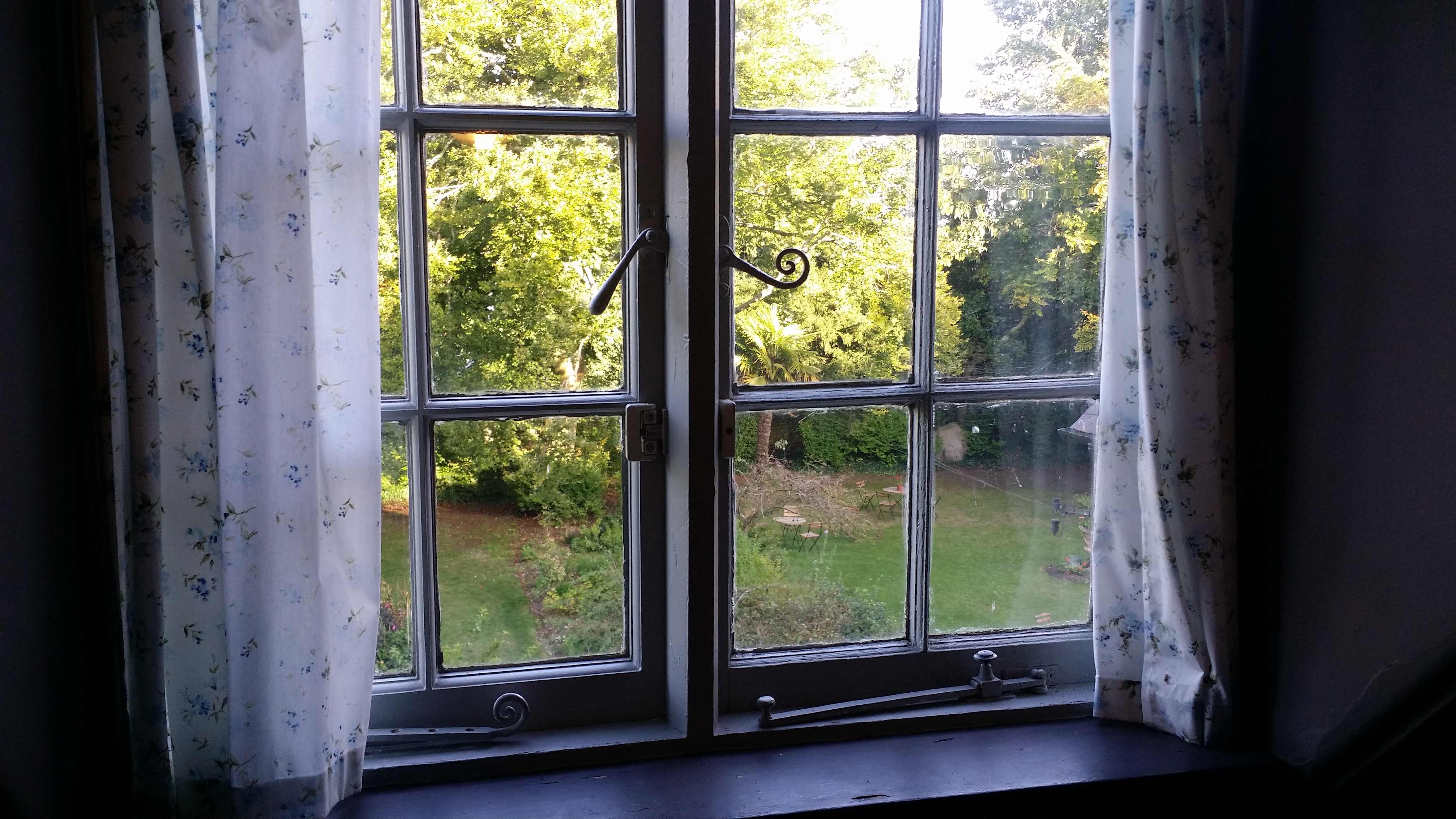
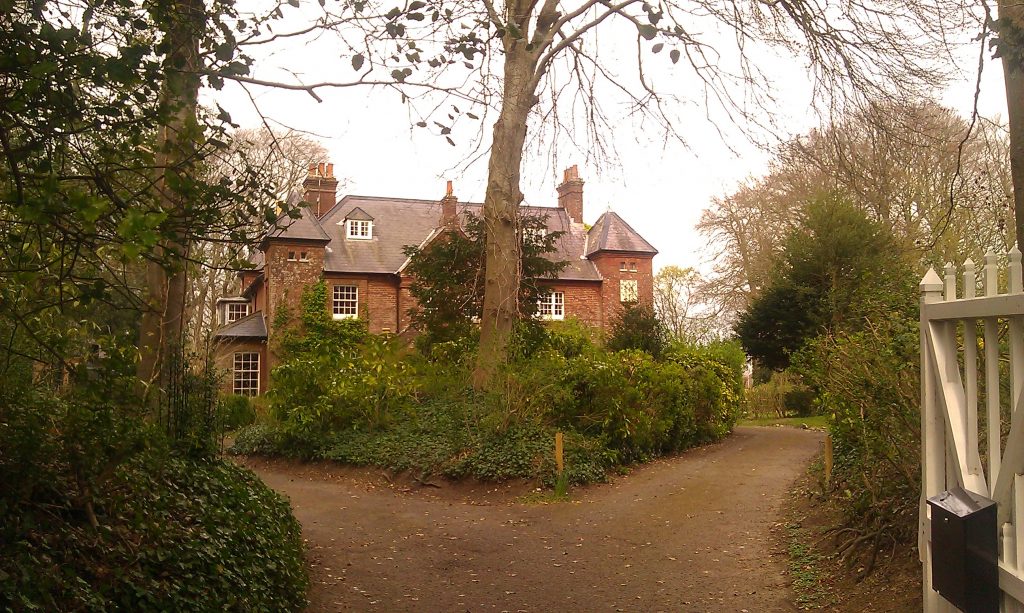
Through the window of Hardy’s Max Gate house, you can see a Prehistoric Sarsen Stone, originally part of a neolithic stone circle or henge. (bottom right window pane, top left corner). Photo: Kevin Flude of Hardy’s Henge

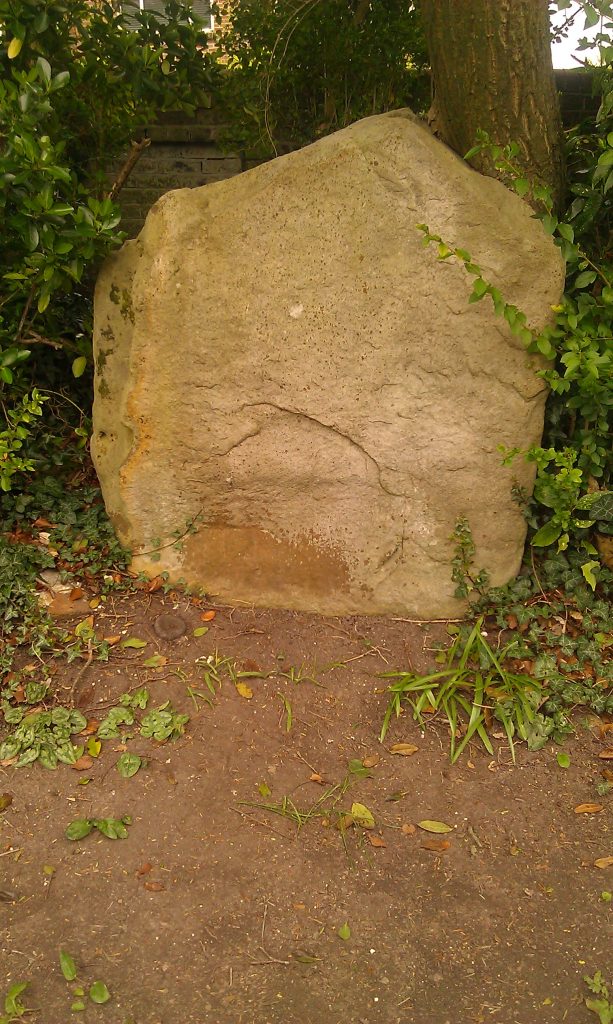
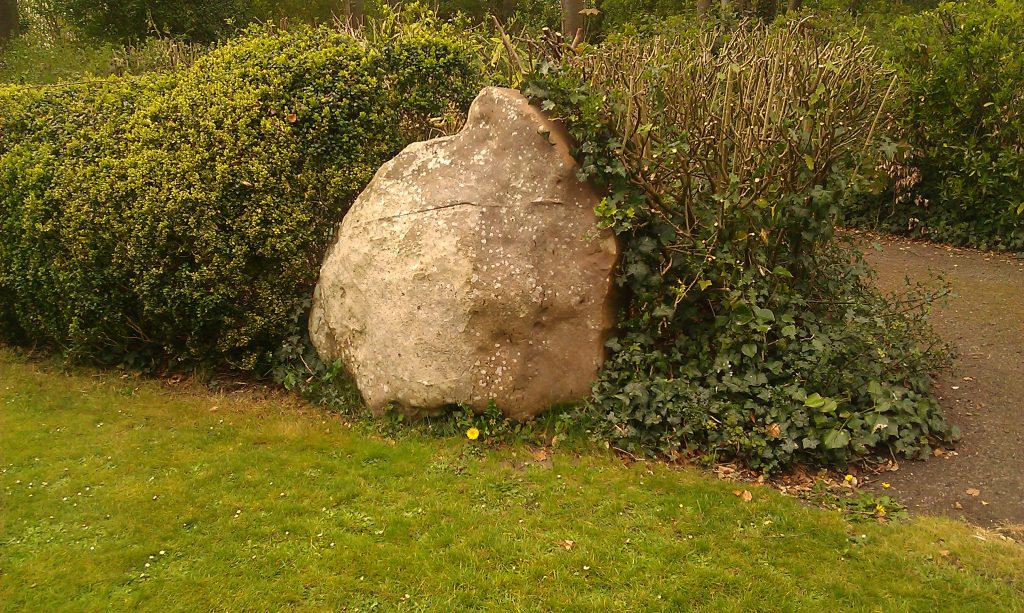
Author of ‘Tess of the d’Urbervilles’ Thomas Hardy was an architect and designed his own house. During the work on Max Gate, the builders came across a large block of sandstone. The stone is of a type called ‘Sarsen’ at Stonehenge. it is ‘a type of silcrete, a rock formed when sand is cemented by silica (quartz)‘. It is a hard sandstone.

Hardy, who loved history, had it relocated into his garden and called it his ‘druid stone’. This recalls one of the most famous scenes in ‘Tess’. She is sleeping on the Altar Stone at Stonehenge as the Police move in to arrest her for murder. Angel, her lover, persuades the Police to let her enjoy a few more minutes of peaceful sleep. After which they arrest her, try her, find her guilty and hang her at Winchester. Spoiler alert?

The Altar Stone at Stonehenge, by the way, has very recently been discovered to be from Scotland. A discovery that confirms that Stonehenge was an immensely important site in the Neolithic and Bronze Age.

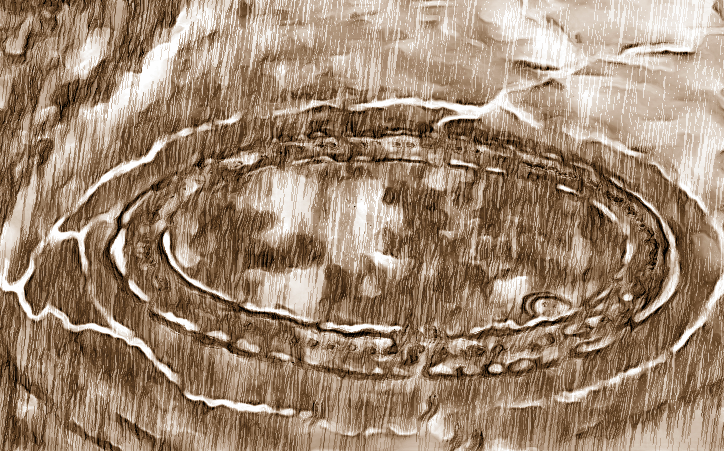
Hardy loved history. How glad he would have been to know his house was in the middle of an important Henge. Hardy’s Henge (aka Flagstones) turns out to be older than Stonehenge. In the 1982. a geophysical survey in advance of the Dorchester Bypass was undertaken. It found evidence of a circular enclosure outside Hardy’s house. This was followed by an excavation in 1987-8. This discovered a large circular bank 100m in diameter, from the Neolithic period.

Half of Flagstones, is largely preserved beneath Max Gate, and has now been officially listed and protected. The excavations suggested a date of construction of 3,000 BC, about the time of Stonehenge’s first construction. But it has just been redated to 3,200BC making Flagstones older than Stonehenge!

Max Gate, Hardy’s House on the outskirts of Dorchester, Dorset. Photo Kevin Flude

In 2022, targeted excavation designed to explore the other half of the circle revealed further dating evidence. This suggests it was built 500 years before Stonehenge, earlier than 3,500BC. The suggested date of 3650BC makes it one of the earliest in the South West. It was giving listed protection on the August 19th, 2024. (redated to 3650BC)

Susan Greaney – Greaney, S. et al. (2025) “Beginning of the circle? Revised chronologies for Flagstones and Alington Avenue, Dorchester, Dorset”. Antiquity, First View (28). Cambridge University Press: 1-17. (Source Wikipedia)

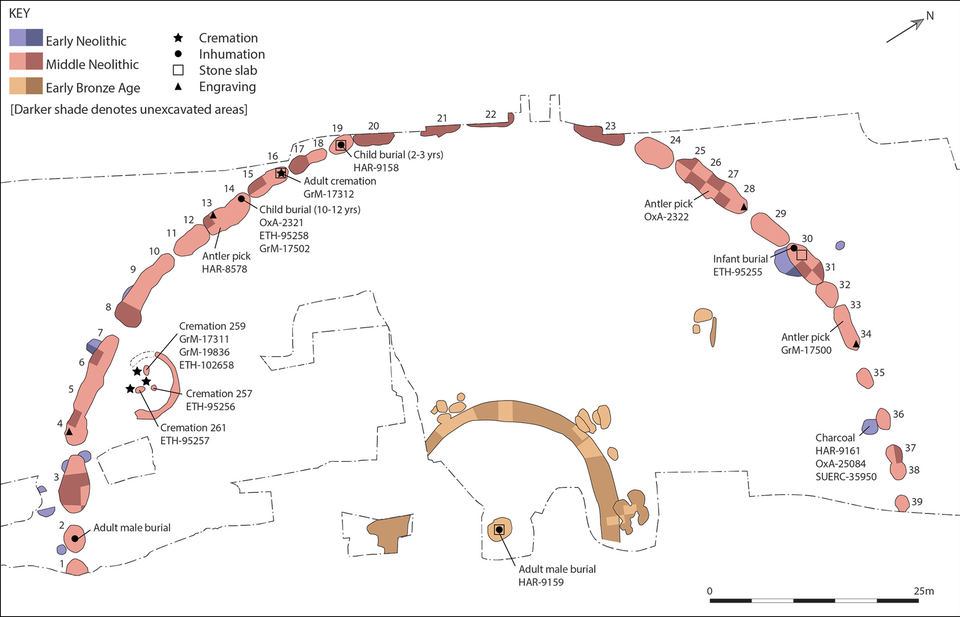
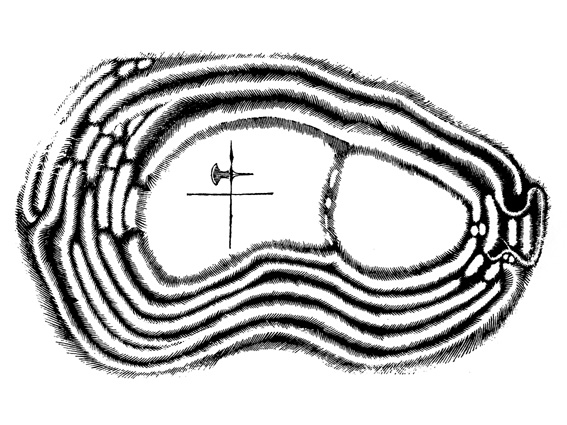
The enclosure consists of a single ring of unevenly spaced pits, forming an interrupted ditch system roughly circular. The dating evidence does not prove that this circuit was built before 3,500 BC. But it does show there was a neolithic presence on the site at this early date. Burials were found in the bottom of the pits forming the enclosure. Four of these pits were had markings on the lower pit walls. These were cut by flint forming pictograms of varying forms from curvilinear, to linear. There was little activity in the Late Neolithic. The site seems to have been reused for funerary and ‘other practices’ during the Bronze, Iron Ages and Roman period.

Flagstones sketchup sketch from original by Jennie Anderson (https://www.bbc.co.uk/news/articles/cge12yeqv43o)

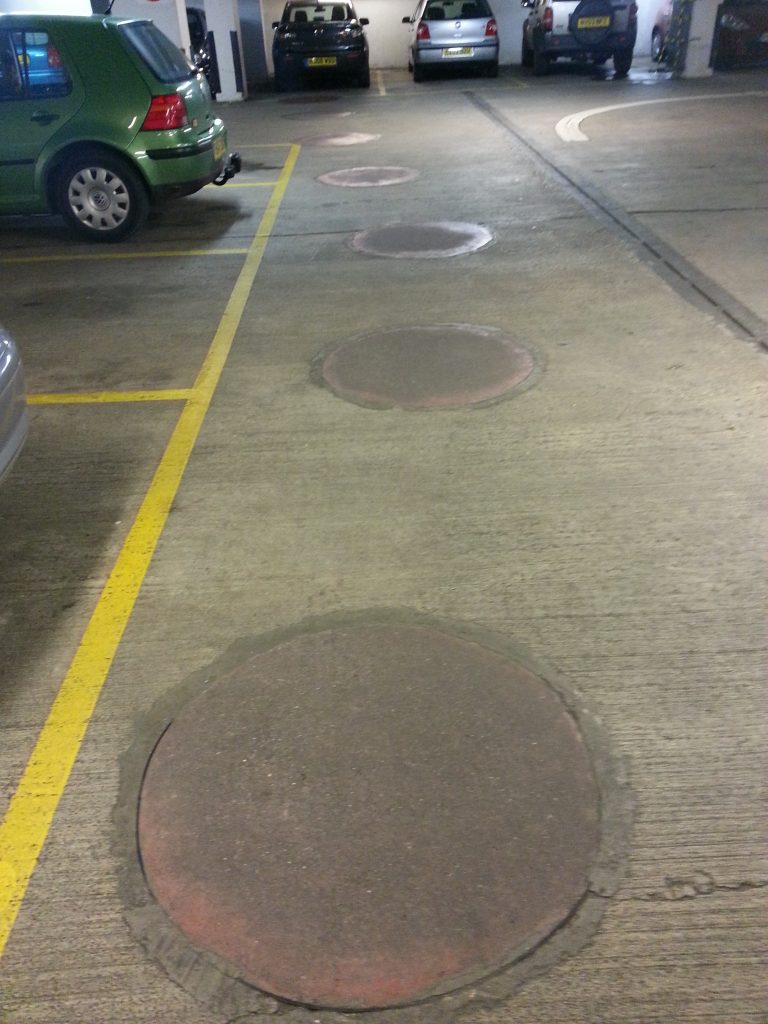
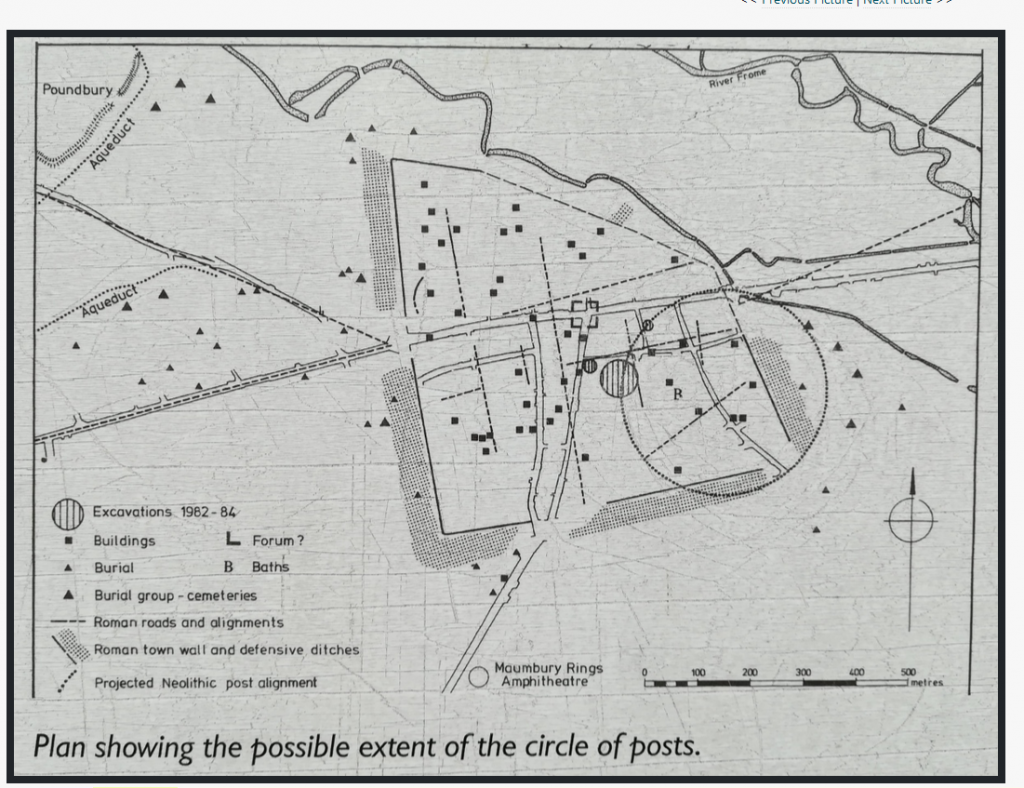
These recent finds make Hardy’s Henge an important precursor to Stonehenge. The site is built on a ridge parallel with the River Frome. Dorchester, a couple of miles from Max Gate, is another ‘ritual landscape’ like Stonehenge. Here are a cluster of important Neolithic and Bronze Age monuments. In the centre of the Town, was found evidence of a massive wooden circle. The postholes are found marked on the floor of the town centre car-park as shown below. The Great Henge is a massive 360m in diameter, covering much of the much later Town Centre. It was built in around 2100 BC.

Neolithic Circle in Dorcester (photo Kevin Flude)

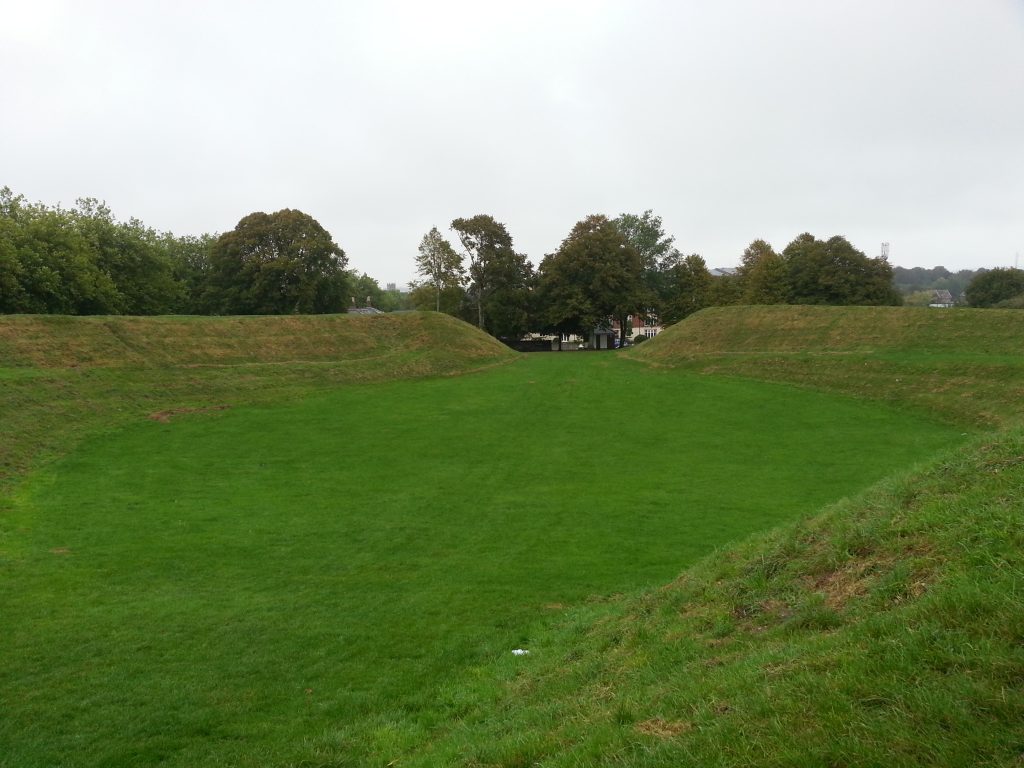
Just outside of Dorchester is a Roman Amphitheatre. This is where Hardy sets the reunion of the Mayor of Casterbridge and Susan Newson. She was the wife he sold at a county fair, years ago when he was a young man. But it began life as another Neolithic circular enclosure. This had an external bank, and an inner Ditch in which were dug 44 tapering pits, up to 10m in depth. Antler picks, chalk objects, including chalk phalluses, were found. The disused amphitheatre was used for executions in the early modern period.

Maumbury Rings – Neolithic Enclosure, Roman Amphitheatre, place of execution, Civil War defense, and fictional meeting place of the Mayor of Casterbridge and his estranged wife, Susan Newson (or Henchard!)

A few miles away, at the Iron Age Hill Fort of Maiden Castle, is a Neolithic Causewayed Enclosure. Hardy also wrote about Maiden Castle, and an excavation.

Maiden Castle. Iron Age Hillfort. the East End was originally a Neolithic Causewayed Enclosure

These ritual landscapes, such as Dorchester, Stonehenge, Avebury, Heathrow and elsewhere shows a clustering of ritual places in important landscapes. It suggests evidence of regional organisation. Stonehenge, however, continues to lead the way for evidence of not only regional but international importance. It drew people, and objects from not only England, Scotland and Wales, but also from the continent.

For further details of the Flagstones listing and excavation, here is the official listing document:

https://historicengland.org.uk/listing/the-list/list-entry/1489792?section=official-list-entry

For more of Thomas Hardy on my Almanac of the Past see:

Revised 19th August 2025

Upton Lovell Shaman becomes a Goldsmith

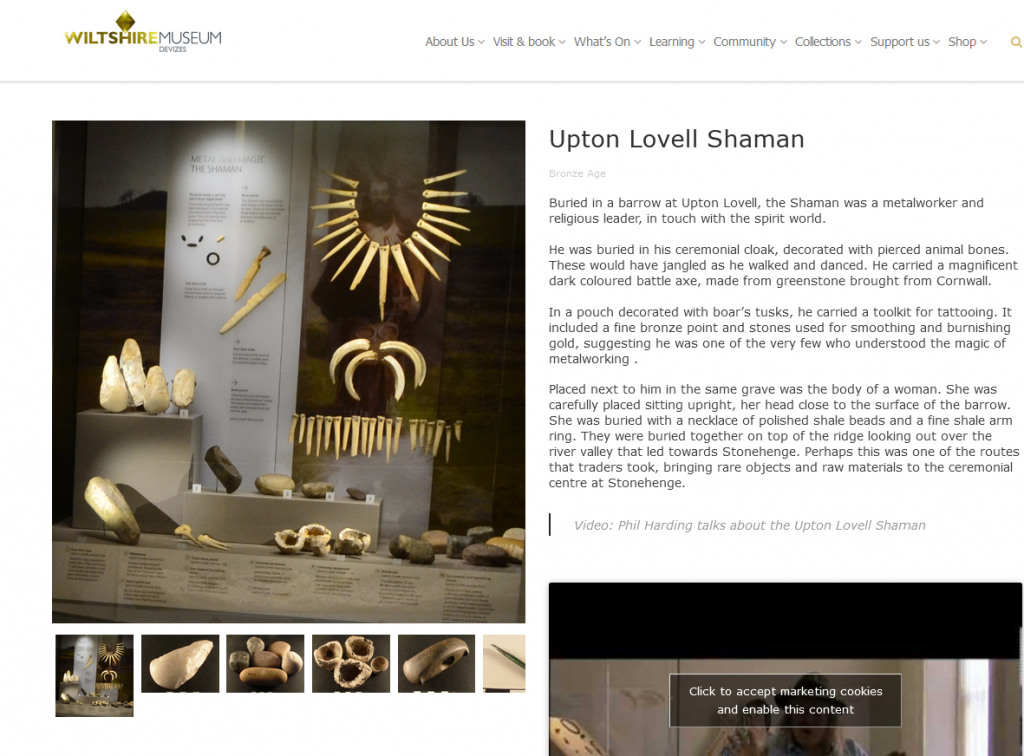
‘Materials in movement: gold and stone in process in the Upton Lovell G2a burial’

Upton lovell 'shaman' display wiltshire museum
Screenshot from Wiltshire Museum web site

The journal Antiquity reports amazing discoveries in a paper called : Materials in movement: gold and stone in process in the Upton Lovell G2a burial and citing that the paper is

‘advancing a new materialist approach, we identify a goldworking toolkit, linking gold, stone and copper objects within a chaîne opératoire,

Setting aside what ‘new materialism’ and ‘chaîne opératoire’ are for the moment. Briefly, their analysis of the objects found in the Bronze Age burial of two people evidence that the person(s) identified as a ‘shaman’ on the basis of clothing/jewellery was (as well?) a gold worker. What is amazing is that they were using Neolithic axes which would have been hundreds of years old to make gold sheets. There was also evidence interpreted as tattooing instruments. As Upton Lovell is 12 miles from Stonehenge it means this is big news in the archaeological world, making most of the newspapers.

The authors dig deeper into the meaning of ‘New materialism’:

‘This approach advances on traditional technological studies in two ways. First, whereas materials are usually approached as having fixed properties, new materialists argue that these properties emerge relationally; they change through time and in combination with other materials, people and places (cf. Barad Reference Barad2007; Bennett Reference Bennett2010). Second, ‘making’ is seen not as the simple imposition of the will of a maker on an inert material but, instead, materials play an active role in the process.’

Widipedia gives a definition of chaîne opératoire

To put it more simply objects have complicated histories and contexts. You might also like to look at the original article (link below) which is written in a very strange style which gives the objects agency ‘an active role in the process’. Below is the conclusions of the article.

Conclusions

Drawing on microwear, residue analysis and new materialist theory, we have reassessed the Upton Lovell G2a grave assemblage. The empirical techniques attend to the materials, which are reinvigorated by situating them within this emergent theoretical landscape. These approaches reveal how the grave goods disclose an intertwining set of processes. Never static, these objects changed and shifted, requiring modification, repair and reuse. They speak to a complex interweaving of bodies—human and non-human—and their varied histories. There is far more complexity here, in relations, histories, gestures and processes, than could ever be captured under the label ‘shaman’, ‘metalworker’ or ‘goldsmith’. Grave goods are more than representations of a person’s identity. They are more even than critical relations in the construction of identity (cf. Brück Reference Brück2019). What these grave goods stress, when attention is paid to their stories, is quite different. They speak of material journeys, the colour of stone and the texture of gold capturing relations that flow across landscapes. Collectively, as an assemblage, these stone tools reveal a process of goldworking. But this goldworking involves as much the working of stone, in the shaping and upkeep of tools, as it does of metal. Here, we emphasise the repetitive and iterative nature of our chaîne opératoire, each action calling into being further moments of renewal of the polished stone surfaces so essential to the qualities other materials elicited. This goldworking chaîne opératoire is multi-material; it is as much a process in stone working as it is in the working of metal. From this perspective, the similarities in processing and working gold and stone mean that the former emerges as far more like the latter than our modern taxonomies would suggest.’

Materials in movement: gold and stone in process in the Upton Lovell G2a burial

If we analyse this conclusion based on the literary idea of ‘Point of View‘ you will see that the POV of the piece above is just bonkers. There is the ‘we’ of the authors, and the ‘they’ of the objects. ‘They’ are speaking to ‘bodies – human and non-human’. ‘They’ even have the ability to ‘stress’ an issue once ‘attention is paid to their stories’ and to be ‘reinvigorated’.

But its a very interesting find and analysis and does remind us that things are much more complicated than we realise.

I have republished my post of the Chinese New Year which you can see here:

I have republished my post of the Chinese New Year which you can see here:

I have republished my post of the Chinese New Year which you can see here:

STONEHENGE EXHIBITION AT THE BRITISH MUSEUM

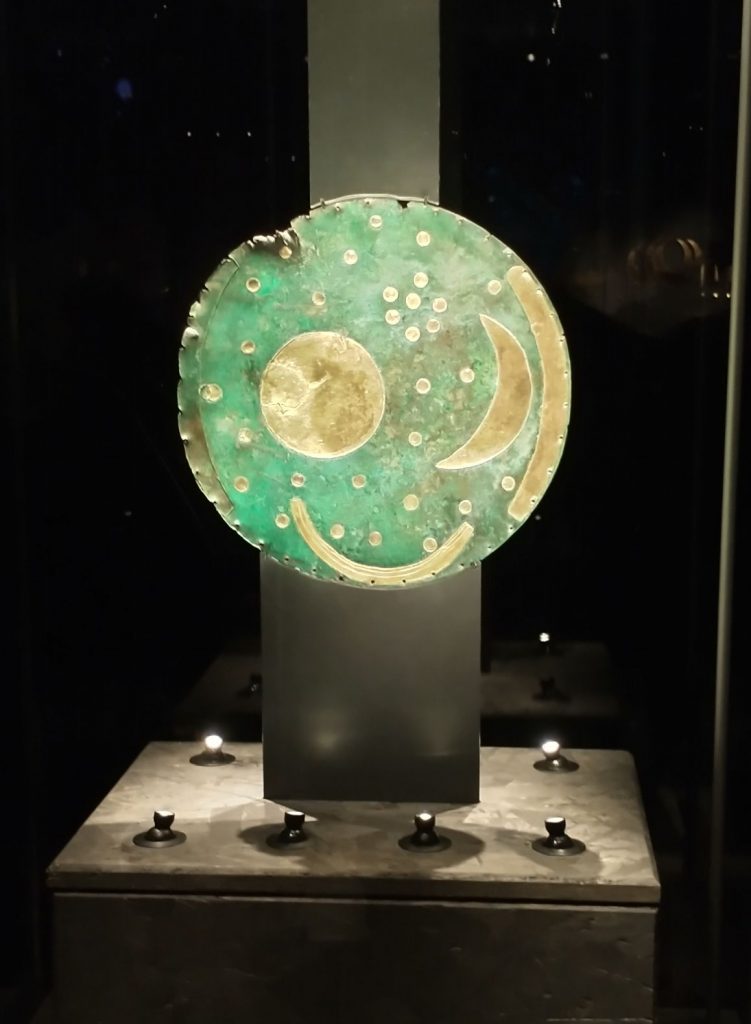
The Nebra Disc

What an Exhibition! The BM has pulled together an international array of treasures from the Stonehenge era. It is stunning , the objects are amazing. Stonehenge itself is there in the labels but it is not at the forefront – the objects are left to speak for themselves. The labels are there to give some details and some context but they never dominate.

It is beautifully lit and mounted, and really a triumph. I will go back again to see how the labels and information tell their stories and report back at greater length.

The altar Stone dragged 430 miles from Scotland – new discovery!