This post is about Newark & the Penny Loaf, but as it is still Women’s Week, I’d like to share with you a discovery I have just made:
Dorothy Thurtle
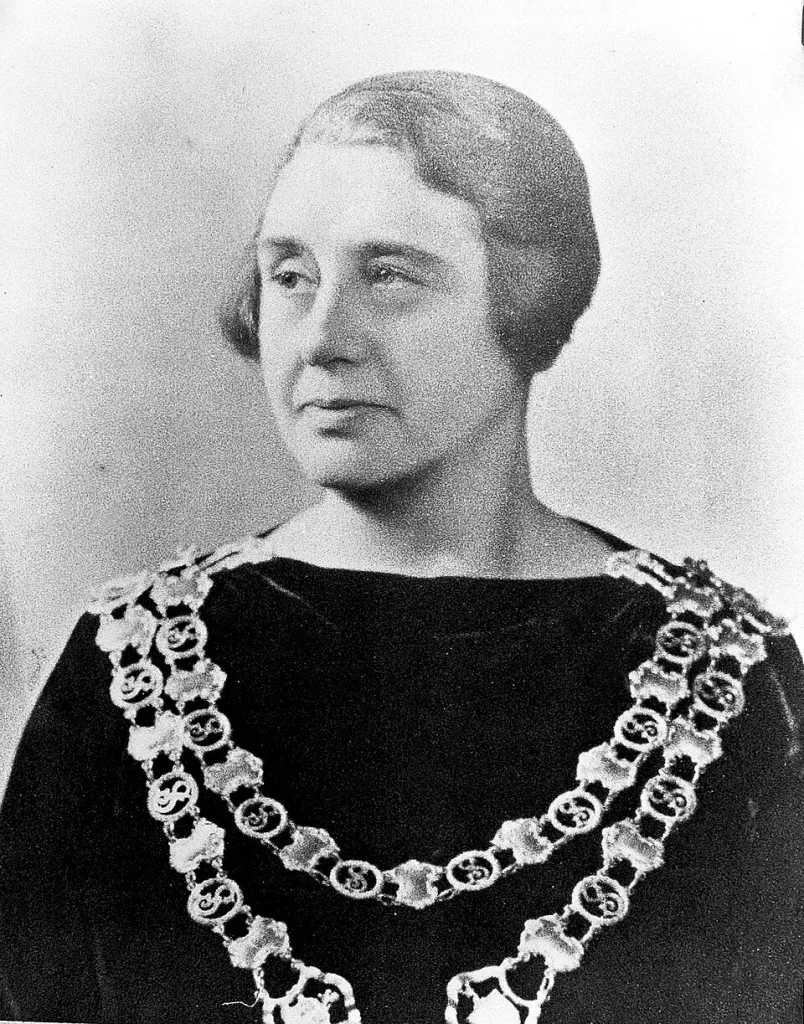
By chance, a few days after International Women’s Day, I was reading the Hackney Society’s Newsletter and read about some canon bollards in Shoreditch Park, in the Dorothy Thurtle Memorial Garden. Well, my nearest Bus Stop is Thurtle Street, which always seemed a strange turtle-like name. So, I looked her up!
Turns out she was a pioneer of the Labour Party. Also, daughter of the great George Lansbury. And a redoubtable pioneer of contraception, and abortion rights. Her opinion was that the Labour Party’s commitment to equality between the sexes made no sense unless it supported contraception and legal abortion. She and her husband, Ernest, founded the Workers’ Birth Control Group. Dorothy was general secretary of Shoreditch Trades Council and Labour Party, became a councillor and eventually Mayor of Shoreditch. She was the only supporter of Abortion Law reform on the Birkett Committee, and issued an influential dissenting report. In her report, she ‘argued that because many married women would face pregnancy every one or two years until their menopause, withholding access to fertility advice and birth control was “a form of class discrimination and penalisation”‘ (Wikipedia). World War 2 delayed any reform.
Right on my doorstep! For more read: https://en.wikipedia.org/wiki/Dorothy_Thurtle
George Lansbury
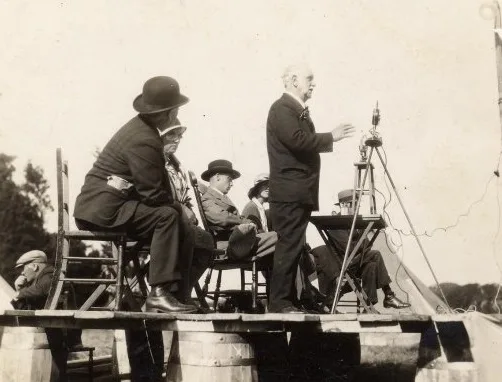
Dorothy’s father was originally a Radical Liberal Party member. He then joined the Labour Party and became an MP for Bow and Bromley in 1910. During the struggle for Women’s Suffrage he was imprisoned. He was also imprisoned in the Poplar Rates Revolt of 1921. (He was the first labour Mayor of Poplar). After Ramsay MacDonald joined the National Government, Lansbury replaced MacDonald. He lead the few remaining ‘loyal’ Labour Party members who would not join a Conservative dominated Government. He was elected leader from 1932 to 1935, with Clement Atlee as his deputy. Lansbury was a life long Pacifist and so stood down in 1935, as he was out of step with the need for rearming with the rise of Fascism. Atlee became leader.
Canon Bollards

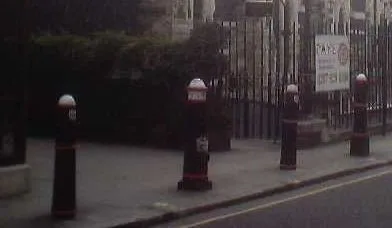
Canon Bollards are made of repurposed canons from the British Navy. They are sometimes hard to distinguish from those made from repurposed canon moulds, or bollards that are designed to look like canons.
Newark in the Civil War
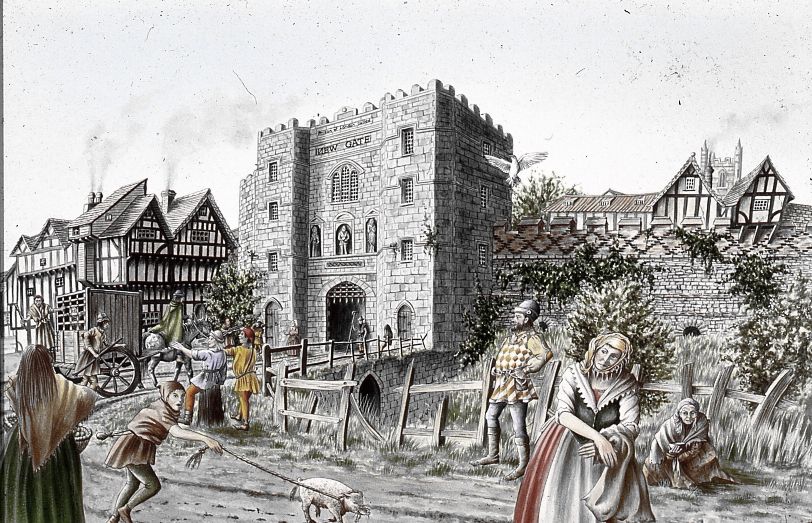
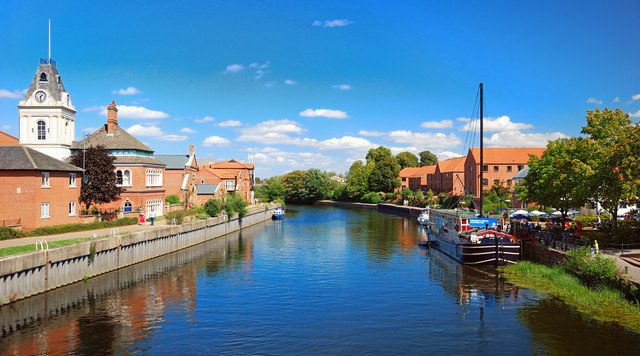
I will move the Dorothy Thurtle content to International Women’s Day, by next year. Which leaves us with an abrupt change of subject! On the 11th March 1644, the Parliamentary forces were besieging the Royalist-held Newark-on-Trent. Newark was a strategic centre as it was on the River Trent and on a major road junction. Here, the Great North Road (A1 from London to the North) and the Fosse Way (from Exeter, via the Cotswolds to Leicester) meet. It was vital for the King, as the roads linked Chester and York to Oxford. Oxford was the King’s HQ; Chester was the key to Wales and the North West. York controlled access to the North East.
Newark withheld three sieges and only ‘fell’ when King Charles I surrendered. The Castle and other military defences were slighted.
Newark & the Penny Loaf & Hercules Clay,
During the second siege, in 1644, Hercules Clay dreamt that his house was on fire. He ignored the dream at first. Then it repeated, so he took his family out of the house (next door to the Town Hall).
Shortly after, a ‘bombshell’ hit his house, fired by the Parliamentary side. Because of his miraculous delivery, he left £100 in his will for a distribution of ‘penny loaves’ to the poor of Newark. His Will said:
‘Upon the 11th day of March yearly forever upon which day it pleased God of his infinite mercy wonderfully to preserve me and my wife from a fearful destruction by a terrible blow of a granado in the time of the last siege’
And also he left £100 for a commemorative sermon to be read on the anniversary of the incident. The service is normally held on the closest Sunday to the 11th March. The Church is being refurbished, so instead they had an event in the Town Hall and a procession.
Clay was a Mercer and a Royalist. After his death he was fined for lending £600 for the maintenance of the Royalist Garrison. It was paid by his brother.
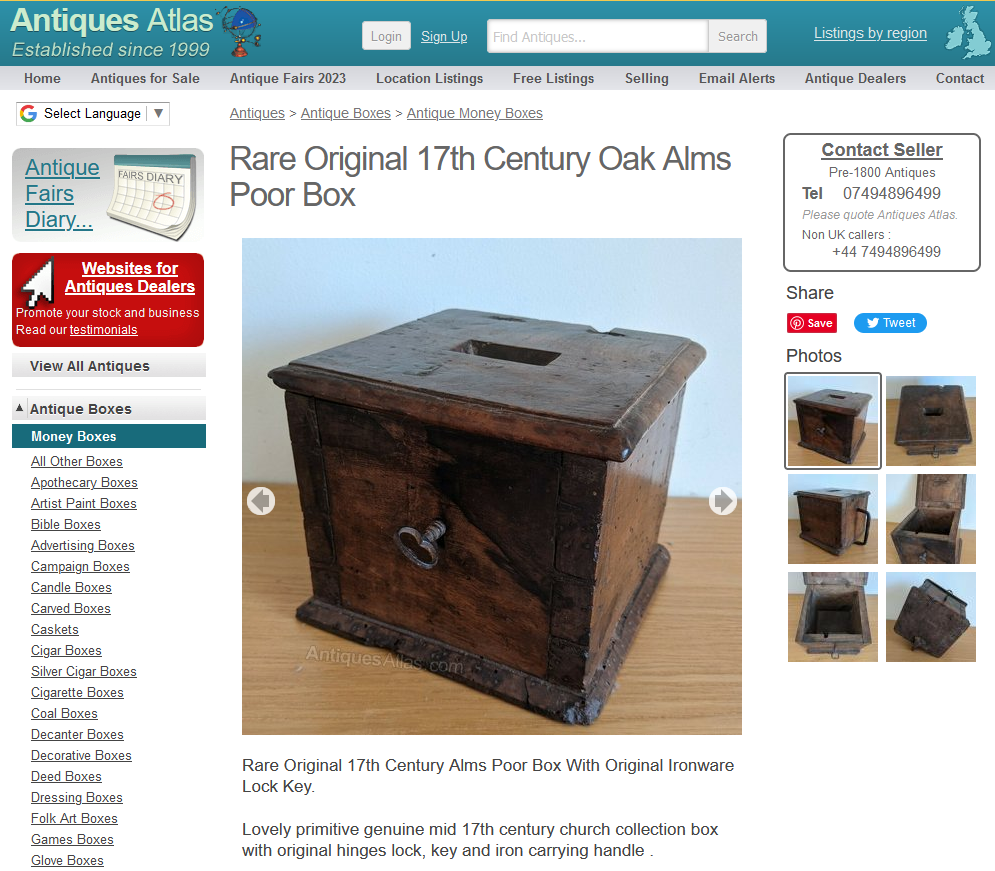
At the time Churches had poor or bread boxes into which the women of the Parish would place loaves for the poor.
For more information on Hercules Clay see https://www.clayofderbyshire.co.uk/mayors. And thanks to the Clays for the research.
Penny loaf day see https://calendarcustoms.com/articles/newark-penny-loaf-day/
For my post on the execution of Charles 1 look here https://www.chr.org.uk/anddidthosefeet/january-28th-31st-charles-i-martyrdom-get-back/
On This Day
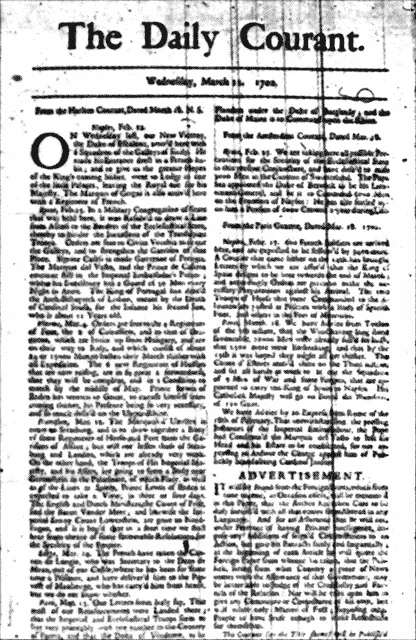
1702 – Elizabeth Mallet published the first English daily newspaper the Daily Courant, on Fleet Bridge, next to the King’s Arms. She, previously, dominated the publishing of ‘last dying speeches’ of people executed at Tyburn.
1941 – Roosevelt signed the Lend-Lease Bill – this was a life-line to the UK as it enabled the supply of war materials to flow to Britain who stood alone, in Europe, against fascism. see my post for Roosevelt’s 4 freedoms.
1985 – Mikhail Gorbachev, appointed General Secretary of the USSR
First written in 2024, revised 2025, Thurtle and Lansbury and On This Day added in 2026