Campden House Fire Sunday March 23rd 1862

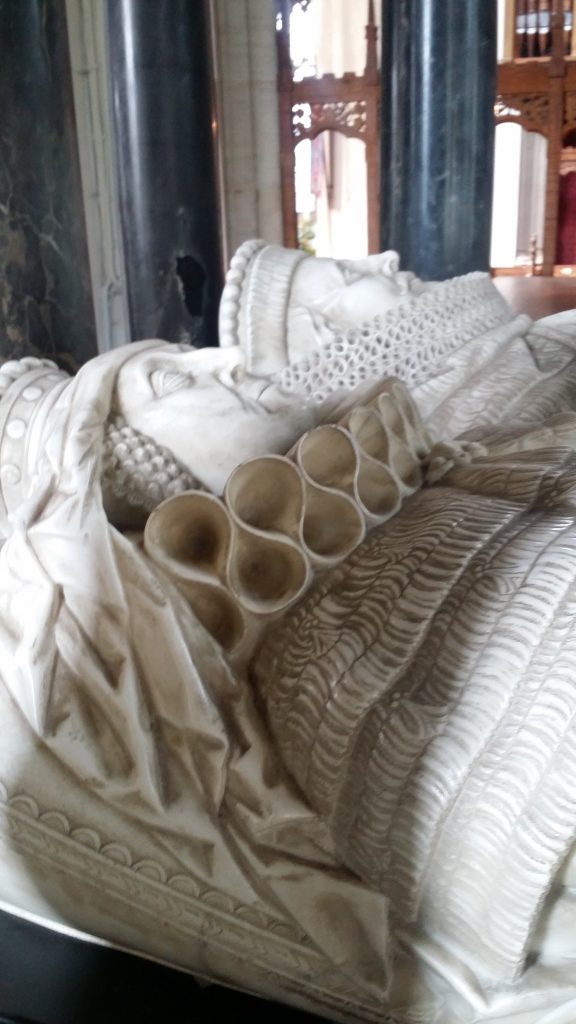
Monument to Baptist Hicks and his, wife, Elizabeth in their Chapel at St James Church, Chipping Campden (Photo Kevin Flude)
Baptist Hicks and his, wife, Elizabeth in their Chapel at St James Church, Chipping Campden (Photo Kevin Flude)

This anniversary commanded my attention because I spend a few weekends each summer in the Cotswolds. There I see the ruins of Campden House in Chipping Campden. This was burnt down in 1645. So, when I read about the burning down of Campden House in the 19th Century, it had to be another one. And it turns out this one is in Kensington, London, Both Campden Houses were built for Sir Baptist Hicks, Viscount Campden.

Baptist Hicks Rise to Aristocracy

Baptist Hicks is an example of the flexibility of the British system of aristocracy. Hicks was a commoner, the son of a wealthy Mercer from Cheapside in the City of London. A mercer traded in prestige clothes imported into England. When Hicks’ Father died, his mother, who is said to have been a moneylender, was resourceful enough to take over their mercery business. She made a success of it and eventually passed it on to her son.

The family shop was on the corner of Cheapside and Soper Lane. Soper Lane is where Queens Street is. Their shop was signposted by the sign of the White Bear. Soper Lane was in the Cordwainers Ward. It was the haunt of soap makers and shoemakers (cordwainers got their name from their use of Spanish Cordovan leather). But Cheapside, itself, was the home of Goldsmiths and generally a wealthy area.

Hicks was educated at Trinity College, Cambridge and at the Inner Temple in London. But despite the education as a lawyer, he chose to continue in the family business. He supplied members of the Aristocracy with silk, velvet, taffeta, and other expensive fabrics. He rose to be Mercer to Queen Elizabeth I in 1598, and supplied James VI of Scotland. Indeed, he provided velvet, damask, and satin for the coronation of James 1st on 25 July, 1603.

As his business grew, he was able to lend large sums of money to the aristocracy and the King. He was duly knighted in 1603. He was still running his shop but was elected as an MP. Now, Hicks needed a country estate to further his transition to the aristocracy. So, in 1608, purchased the manor in Chipping Campden. Here he built a splendid new Mansion.

Baptist Hicks and Campden House, Kensington

At about the same time, he won a game of cards with Sir Walter Cope of the Strand. Cope was engaged in building himself a mansion (Holland House) on top of the Hill in Kensington. Hicks won a few acres of the Estate at cards. And he asked Cope’s architect John Thorpe to design him a house, which Hicks called Campden House after his Cotswold estate. Thus, Kensington became fashionable, and Campden Hill got its name. Campden Hill runs into Notting Hill.

After Baptist Hicks death there were many tenants of the house. One was Princess Anne before she became Queen Anne. Also Lady Burlington and her son, Richard Boyle, who became Britain’s first Palladian Architect.

Hicks was made a Baron in 1620 and Viscount of Campden in 1628. (a viscount is 4th in the ranks of aristocracy, being below an Earl and above a Baron). He died in 1629. He was buried in a very impressive marble monument in St James Church, Chipping Campden shown above.

Campden House, Chipping Campden
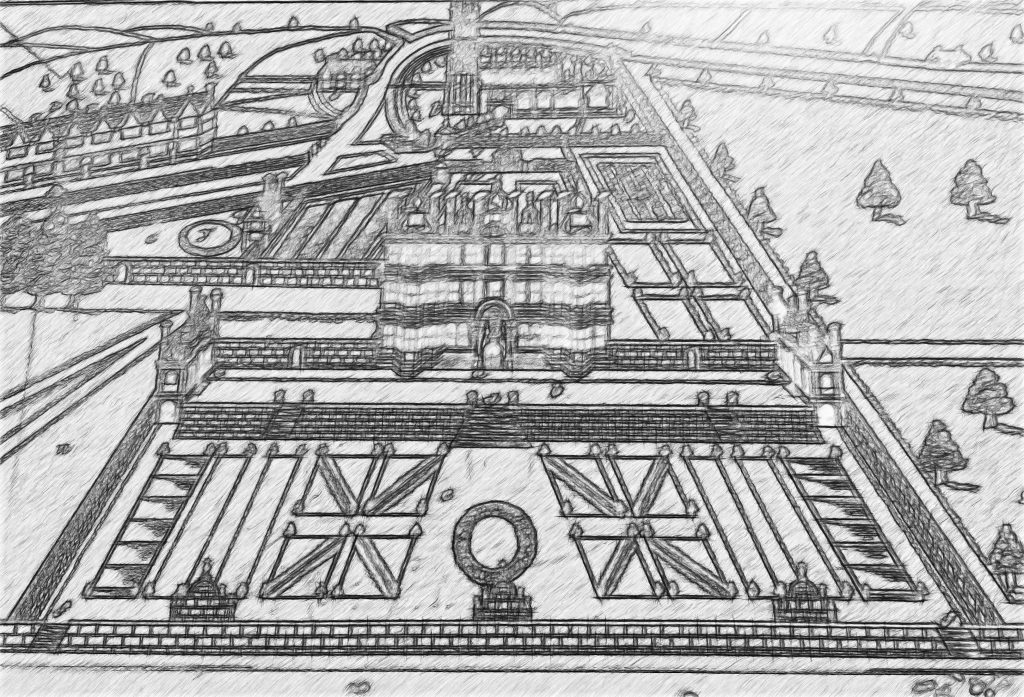
Sketch from a display of Campden House, Chippping Campden.  St James Church at the back, House in the Centre, Banqueting Houses in front of, and other side of the house. (A Banqueting House was originally where you had your pudding.)
Sketch from a display of Campden House, Chippping Campden. St James Church at the back, House in the Centre, Banqueting Houses in front of, and other side of the house. (A Banqueting House was originally where you had your pudding.)

After his death, the house in Chipping Campden was held by the Royalists in the Civil War. But the Parliamentary Army forced the King’s men to retreat towards Oxford. Prince Maurice ordered the house to be burned down. All that survives of the property are two banqueting houses, and the entrance. All show what a fine building it was.
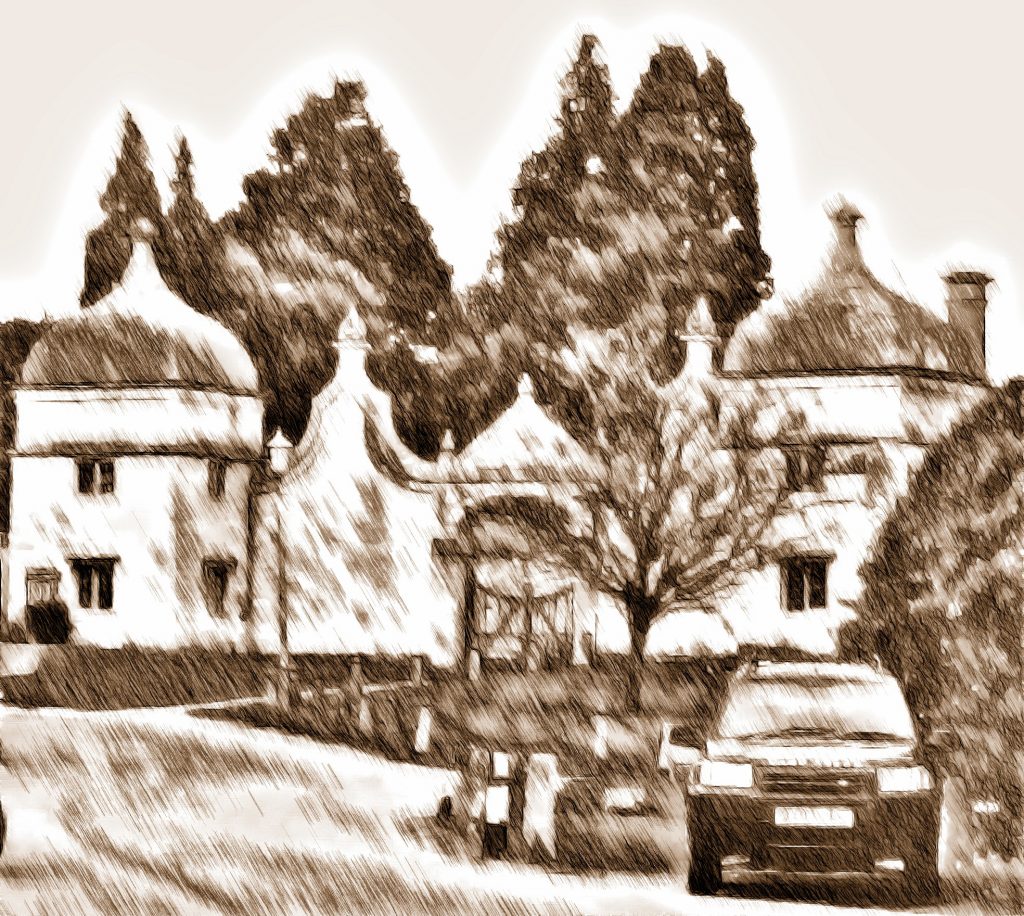
Sketch from photo of the entrance to Campden House, Chipping Camden.
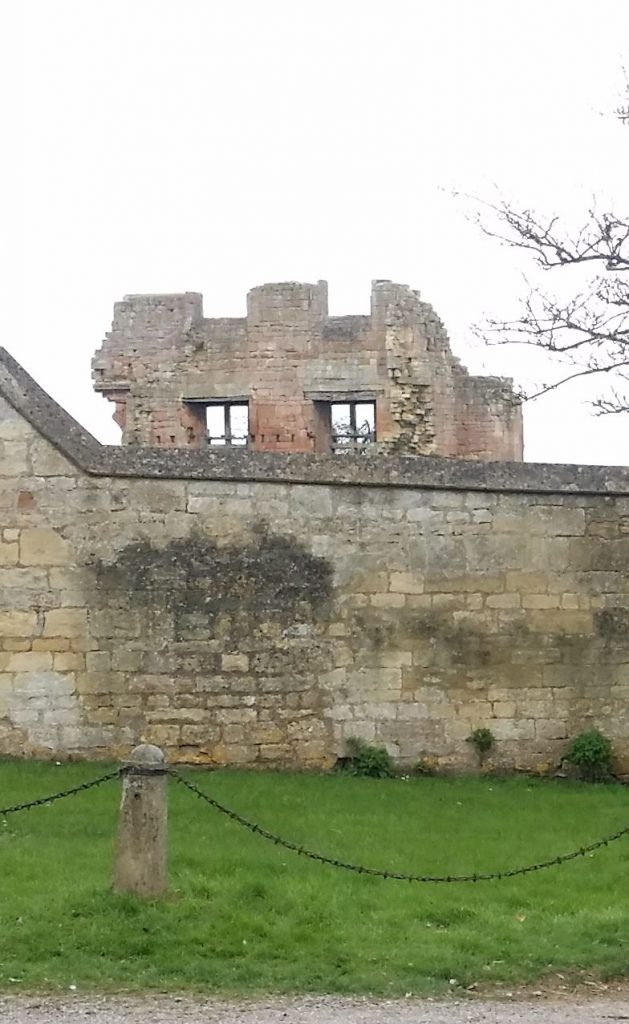
Behind the wall can be seen the fire reddened ruin of the Banqueting House of Campden House, Chipping Campden
Behind the wall can be seen the fire reddened ruin of the Banqueting House of Campden House, Chipping Campden. Photo of the other Banqueting House to follow in April

To read my post on the infamous Chipping Campden Murder follow this link.

The Fire at Campden House, Kensington.

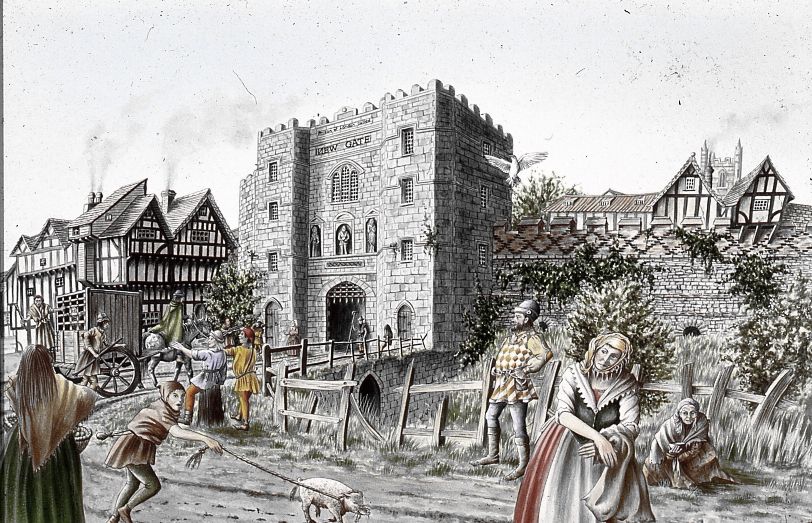
The fire at Campden House on 23rd March, 1862 gutted the building.  It is really well described in this post.  Briefly, a neighbour saw the fire. A fire engine was summoned. But before it could arrive, a servant appeared at a window.  Her son tried to push past her, and she fell out of the window but survived.  When the fire engine arrived, it was too late. So the house and its wonderful contents were destroyed.  The owner was sued by the Insurance Company for fraud, but they lost the case.
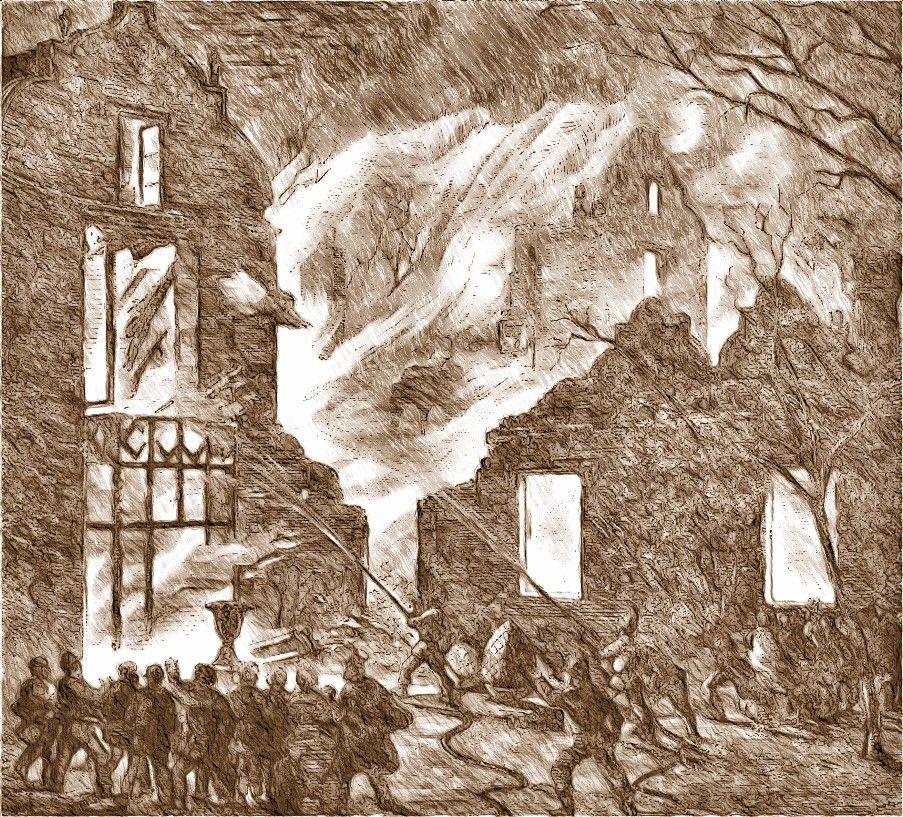
Sketch from contemporary Magazine,showing the servant dropping out of the window. )In reality it was a first floor window.)

The English Year Almanac

I came across the anniversary of the fire in a secondhand book I picked up. It is by my old boss, Sir Roy Strong. The book is called ‘The English Year’. It is co-written by Julia Trevelyan Oman. The contents are ‘A Personal Selection from Chambers’ Book of Days’. Last year I also purchased the Chambers book on Abebooks for £2.10!) Both have been a useful source of information for my Almanac of the Past.

Sir Roy Strong was the Director of the V&A. Sir Roy is a dapper dresser you might almost call him a neo-Georgian. Certainly, a bit of a dandy. I always thought he resembled Charles 1, one of our most ineffectual Kings. I didn’t really have much contact with him, being a lowly Assistant Keeper at the V&A. But at the one Keepers’ Meeting I did attend he seemed rather ineffectual as the chairman of the meeting. But this is mere gossip! And I mention it to show how wrong one can be, in judging people.

Because, when I consider the revival of the V&A under his tenure, my judgement was facile. Sir Roy transformed the V&A. The Museum had been damaged by years of under-investment in the building since WW2. Sir Roy began a campaign to restore the rich and very beautiful old Victorian interior design. The original Victorian Restaurant was transformed. The shop turned into a retail paradise. Generally, the V&A ceased to be dusty and old under his tenure. The wonders of the Victorian Museum shone again with rich and vibrant colours. It reminds me that good leadership is allowing beneficial change to happen. It’s not about the leader being a dynamic leader. It’s about moving an institution positively forward, which Sir Roy certainly did.

On This Day

1540 – Waltham Abbey the last monastery to be dissolved during the Dissolution of the Monasteries.

1769William ‘Strata’ Smith was born. (died 28 August 1839) Smith is known as the Father of English Geology. He was a Canal and Mining Engineer and created ‘the first detailed, nationwide geological map of any country’. (Wikipedia). He worked in a town just down the road from Chipping Camden, and there is a plaque to him in Stow-on-the-Wold which I will write up at some point.

1839 – OK, this is the anniversary of the first appearance in print of the word OK! OK? OK, so, I see you want more of an explanation. The editor of the Boston Morning post had an interest in abbreviations. Charles Gordon Greene in a satirical article about the editorial practices of the rival Providence Journal coined OK as an abbreviation for “oll korrect,” or “all correct”. The rest is history. For more on this story, go to the Smithsonian here. OK?

1861 – The first Trams plied London’s Streets.
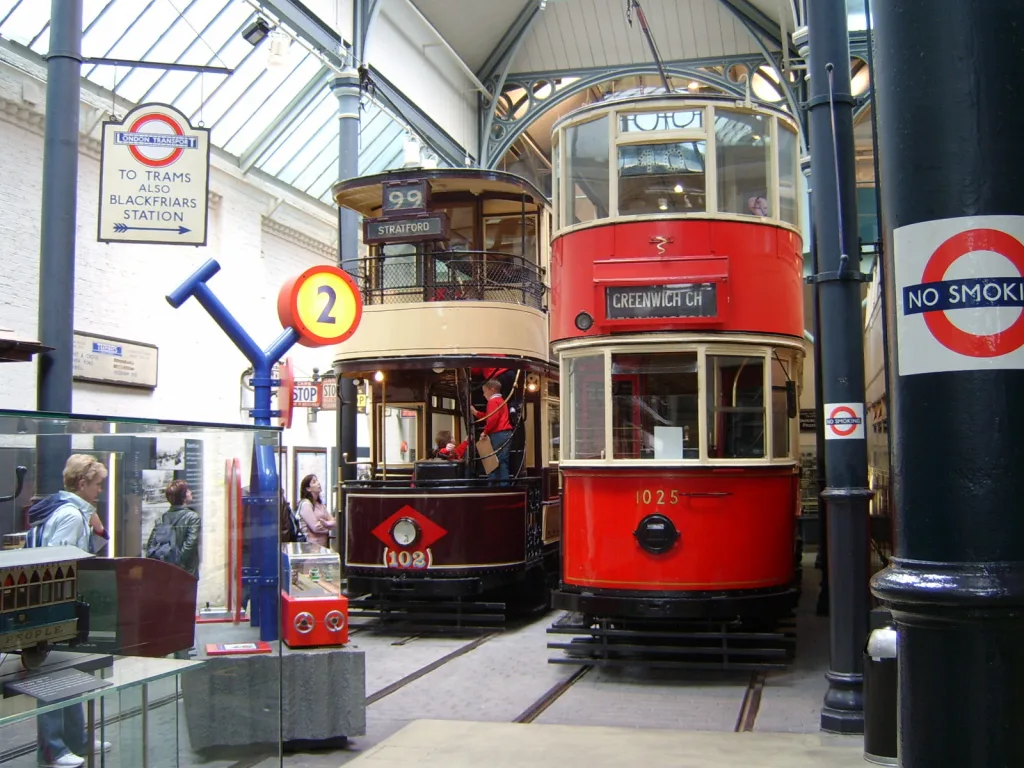
London Trams, London Transport Museum (Photo KFlude)

1919 – Fascism invented when Mussolini founded the Italian Fascist Party. The repercussions of which led to World War II and the estimated deaths of 65 – 75 million people.

2020 – The UK’s first Covid-19 national lockdown ordered by Boris Johnson.

Published March 2025, Revised 2026
Newark & the Penny Loaf Day March 11th

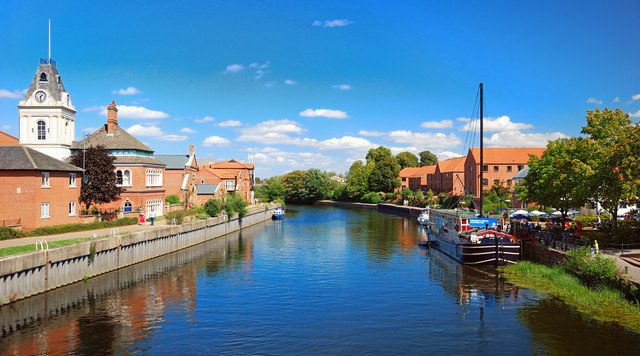
River Trent from Trent Bridge, Newark on Trent by Peter Tarleton WIKIPEDIA -CC BY-SA 2.0
Newark on Trent by Peter Tarleton Wikipedia CC BY-SA 2.0 Newark & the Penny Loaf Day

This post is about Newark & the Penny Loaf, but as it is still Women’s Week, I’d like to share with you a discovery I have just made:

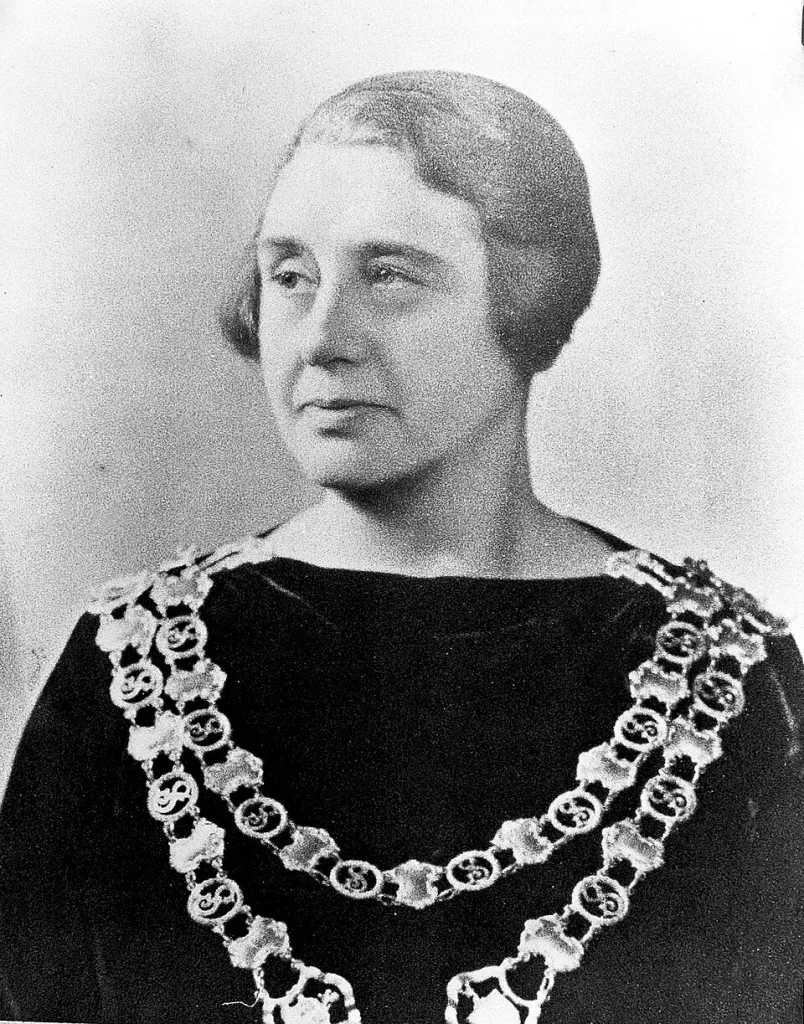
Dorothy Thurtle

Dorothy Thurtle. By https://wellcomeimages.org/indexplus/obf_images/b5/be/a6cfe553603c25fd36627e6c24d4.jpgGallery: https://wellcomeimages.org/indexplus/image/L0026656.html, CC BY 4.0, https://commons.wikimedia.org/w/index.php?curid=36012910

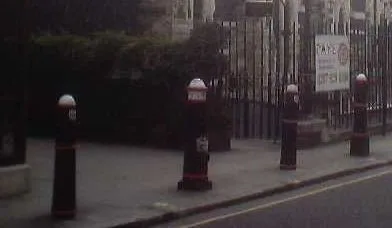
By chance, a few days after International Women’s Day, I was reading the Hackney Society’s Newsletter and read about some canon bollards in Shoreditch Park, in the Dorothy Thurtle Memorial Garden. Well, my nearest Bus Stop is Thurtle Street, which always seemed a strange turtle-like name. So, I looked her up!

Turns out she was a pioneer of the Labour Party. Also, daughter of the great George Lansbury. And a redoubtable pioneer of contraception, and abortion rights. Her opinion was that the Labour Party’s commitment to equality between the sexes made no sense unless it supported contraception and legal abortion. She and her husband, Ernest, founded the Workers’ Birth Control Group. Dorothy was general secretary of Shoreditch Trades Council and Labour Party, became a councillor and eventually Mayor of Shoreditch. She was the only supporter of Abortion Law reform on the Birkett Committee, and issued an influential dissenting report. In her report, she ‘argued that because many married women would face pregnancy every one or two years until their menopause, withholding access to fertility advice and birth control was “a form of class discrimination and penalisation”‘ (Wikipedia). World War 2 delayed any reform.

Right on my doorstep! For more read: https://en.wikipedia.org/wiki/Dorothy_Thurtle

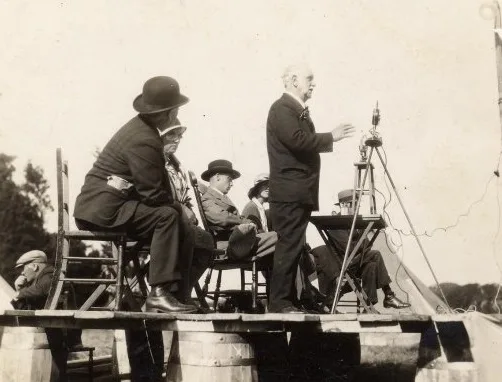
George Lansbury

George Lansbury making a speech. By LSE Library – Flickr: George Lansbury, c1935, Public Domain, https://commons.wikimedia.org/w/index.php?curid=31131566

Dorothy’s father was originally a Radical Liberal Party member. He then joined the Labour Party and became an MP for Bow and Bromley in 1910. During the struggle for Women’s Suffrage he was imprisoned. He was also imprisoned in the Poplar Rates Revolt of 1921. (He was the first labour Mayor of Poplar). After Ramsay MacDonald joined the National Government, Lansbury replaced MacDonald. He lead the few remaining ‘loyal’ Labour Party members who would not join a Conservative dominated Government. He was elected leader from 1932 to 1935, with Clement Atlee as his deputy. Lansbury was a life long Pacifist and so stood down in 1935, as he was out of step with the need for rearming with the rise of Fascism. Atlee became leader.

Canon Bollards

Canon Bollards are made of repurposed canons from the British Navy. They are sometimes hard to distinguish from those made from repurposed canon moulds, or bollards that are designed to look like canons.

Newark in the Civil War

I will move the Dorothy Thurtle content to International Women’s Day, by next year. Which leaves us with an abrupt change of subject! On the 11th March 1644, the Parliamentary forces were besieging the Royalist-held Newark-on-Trent. Newark was a strategic centre as it was on the River Trent and on a major road junction.  Here, the Great North Road (A1 from London to the North) and the Fosse Way (from Exeter, via the Cotswolds to Leicester) meet. It was vital for the King, as the roads linked Chester and York to Oxford.  Oxford was the King’s HQ; Chester was the key to Wales and the North West. York controlled access to the North East.

Newark withheld three sieges and only ‘fell’ when King Charles I surrendered. The Castle and other military defences were slighted.

Newark & the Penny Loaf & Hercules Clay,

During the second siege, in 1644, Hercules Clay dreamt that his house was on fire. He ignored the dream at first. Then it repeated, so he took his family out of the house (next door to the Town Hall).

Shortly after, a ‘bombshell’ hit his house, fired by the Parliamentary side.  Because of his miraculous delivery, he left £100 in his will for a distribution of ‘penny loaves’ to the poor of Newark. His Will said:

‘Upon the 11th day of March yearly forever upon which day it pleased God of his infinite mercy wonderfully to preserve me and my wife from a fearful destruction by a terrible blow of a granado in the time of the last siege’

And also he left £100 for a commemorative sermon to be read on the anniversary of the incident. The service is normally held on the closest Sunday to the 11th March. The Church is being refurbished, so instead they had an event in the Town Hall and a procession.

Clay was a Mercer and a Royalist. After his death he was fined for lending £600 for the maintenance of the Royalist Garrison. It was paid by his brother.

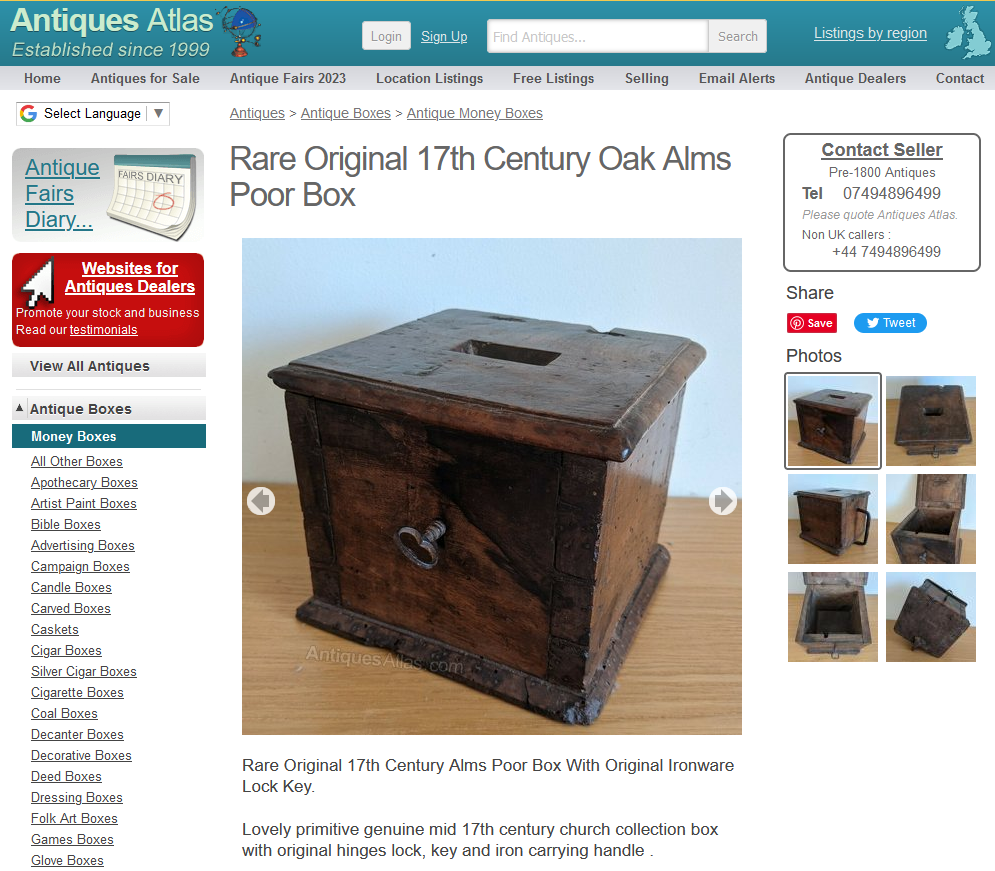
At the time Churches had poor or bread boxes into which the women of the Parish would place loaves for the poor.

Auction Web site showing 17th Century Poor Box used for holding loaves for the poor

For more information on Hercules Clay see https://www.clayofderbyshire.co.uk/mayors. And thanks to the Clays for the research.

Penny loaf day see https://calendarcustoms.com/articles/newark-penny-loaf-day/

For my post on the execution of Charles 1 look here https://www.chr.org.uk/anddidthosefeet/january-28th-31st-charles-i-martyrdom-get-back/

On This Day

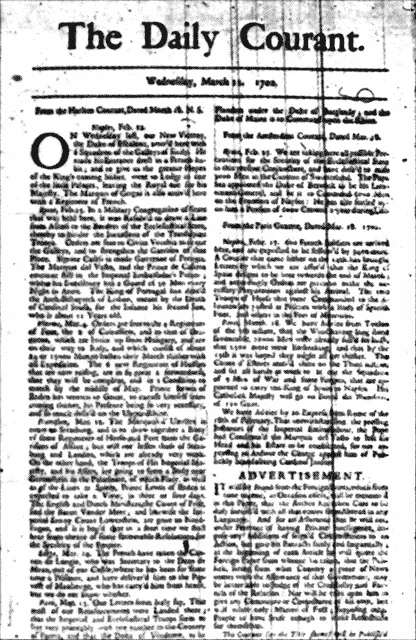
1702 – Elizabeth Mallet published the first English daily newspaper the Daily Courant, on Fleet Bridge, next to the King’s Arms. She, previously, dominated the publishing of ‘last dying speeches’ of people executed at Tyburn.

The Daily Courant By Edward Mallet from rooms above the White Hart pub in Fleet Street – The Daily Courant, Public Domain, https://commons.wikimedia.org/w/index.php?curid=880402. Elizabeth Mallet published under a male name.

1941 – Roosevelt signed the Lend-Lease Bill – this was a life-line to the UK as it enabled the supply of war materials to flow to Britain who stood alone, in Europe, against fascism. see my post for Roosevelt’s 4 freedoms.

1985 – Mikhail Gorbachev, appointed General Secretary of the USSR

First written in 2024, revised 2025, Thurtle and Lansbury and On This Day added in 2026