This is the Podcast which is a taster for the Roman Walk on Saturday.
To find out about the three walks this Saturday click here

The Past brought to Life

This is the Podcast which is a taster for the Roman Walk on Saturday.
To find out about the three walks this Saturday click here
Is the question that Terry Cook asked me, and this is my answer.

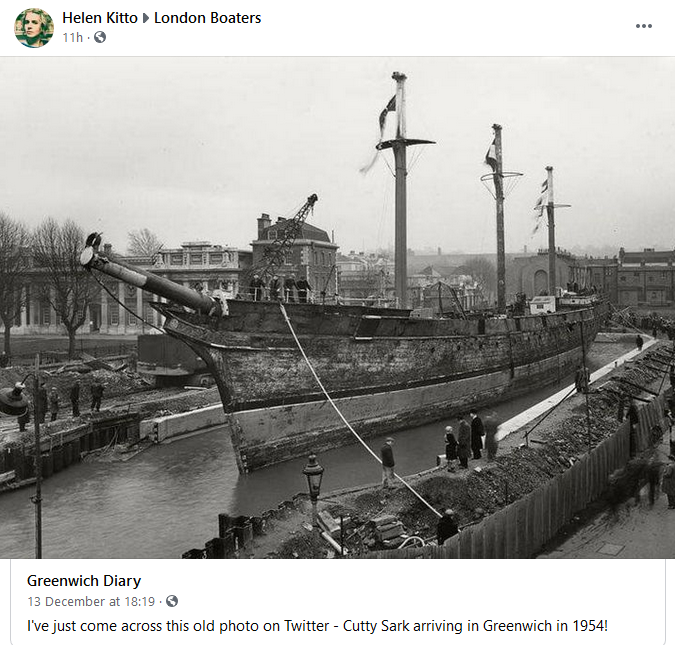
So the Cutty Sark is twice famous. Firstly as one of the first Tea Clippers and secondly, on account of the Witch nicknamed Cutty Sark (short skirt) in Tam O’Shanter, one of Robert Burns’ greatest poems. written in 1791. And everyone knows of Robert Burns, Scotland’s national poet. Burns night has become world famous for anyone interested in Scotland.
The rest of this content has been reposted to March 27th
First Published 2022, moved March 27th 2026
ROMAN LONDON – A LITERARY & ARCHAEOLOGICAL WALK

Saturday 30 October 20/22 11.30 am Monument Underground Station
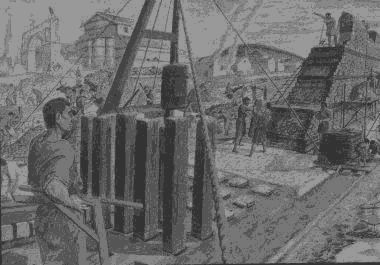
This is a walking tour features the amazing archaeological discoveries of Roman London, and looks at life in the provincial Roman capital of Londinium.
To book
Myths, Legends & Halloween Walk

Sunday 30th October 2022 2.30pm Tower Hill Tube
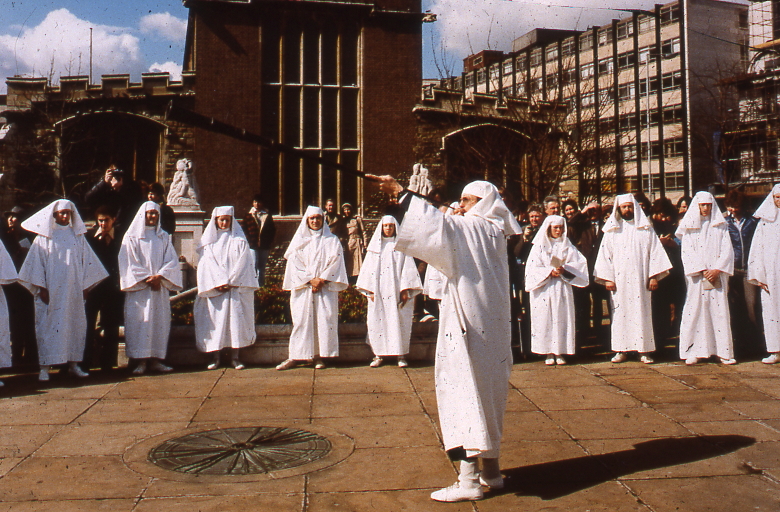
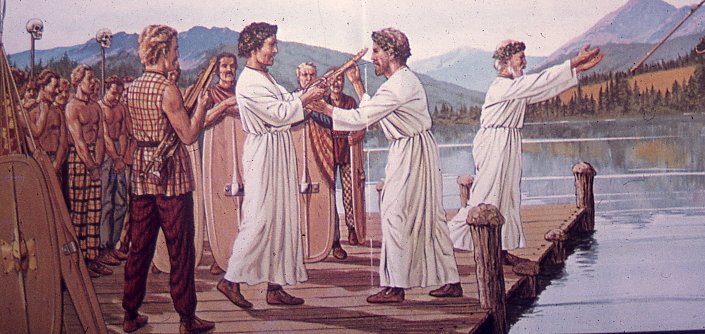
The walk tells the story of London’s myths and legends and the celtic origins of Halloween
To book
Myths, Legends & Halloween Virtual Tour

MONDAY 31st October 2022 7.30pm
The tour tells the story of London’s myths and legends and the celtic origins of Halloween
To book

This is a project I had a small part in.

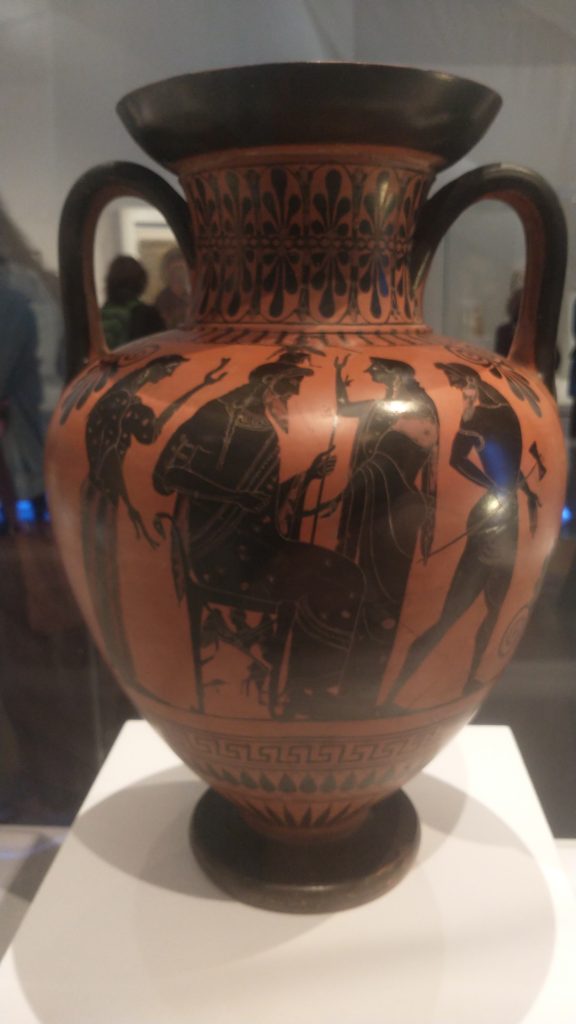
I didn’t know the full story of the birth of Athena until I went to the Feminine Power exhibition at the British museum.
So Zeus eats Athena’s mum, Metis, who is pregnant with her. Sometime later he has a cracking headache. Hephaestus, the disabled artificer God hits Zeus over the head to clear the headache.
Zeus gives birth to a fully formed Athena from the split in his head.
The point, I think, is that Athena being partially a clone of Zeus had both male and female virtues and is thereby the most powerful Deity.
And even the most elite families are deeply f***** up.
There is a lesson in there somewhere.
Posted earlier today on Facebook.

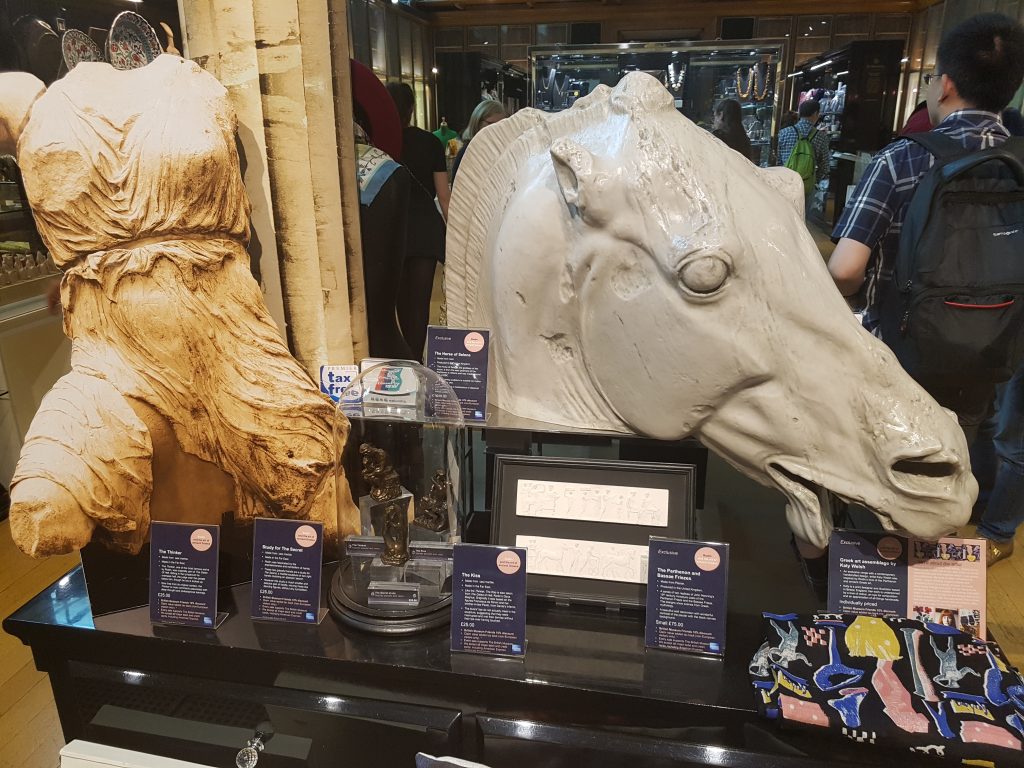
AKA the Elgin Marbles. All my life it seems as if we haven’t been talking to Greece about sending them home. Recently, there was a strong dismissal of any such hope. But today, I read that the British Museum is open to discussion. Statements from the Deputy Jonathan Williams and even the Chairman, ex Tory Chancellor of the Exchequer, George Osborne, have expressed optimism that there is a ‘deal to be done’.
Reading between the lines, the position appears to be based on the ‘fact’ that we own them legally, and that, by discussion of mutual loan arrangements, some, if not all, of the stones, can go home on loan, in exchange for other loans from Greece coming to the UK.
Nearly, all ‘restitution’ cases are settled by the realisation that there are mutual benefits to be had for the return of items. The Horniman is leading the way with its announcement to return 72 Benin Bronzes to Nigeria.
The statement from Nigeria suggests that mutual loans are a part of the deal here too.
Abba Tijani, director-general of Nigeria’s National Commission for Museums and Monuments (NCMM), said: “We very much welcome this decision by the trustees of the Horniman Museum & Gardens. Following the endorsement by the Charity Commission, we look forward to a productive discussion on loan agreements and collaborations between the NCMM and the Horniman.”

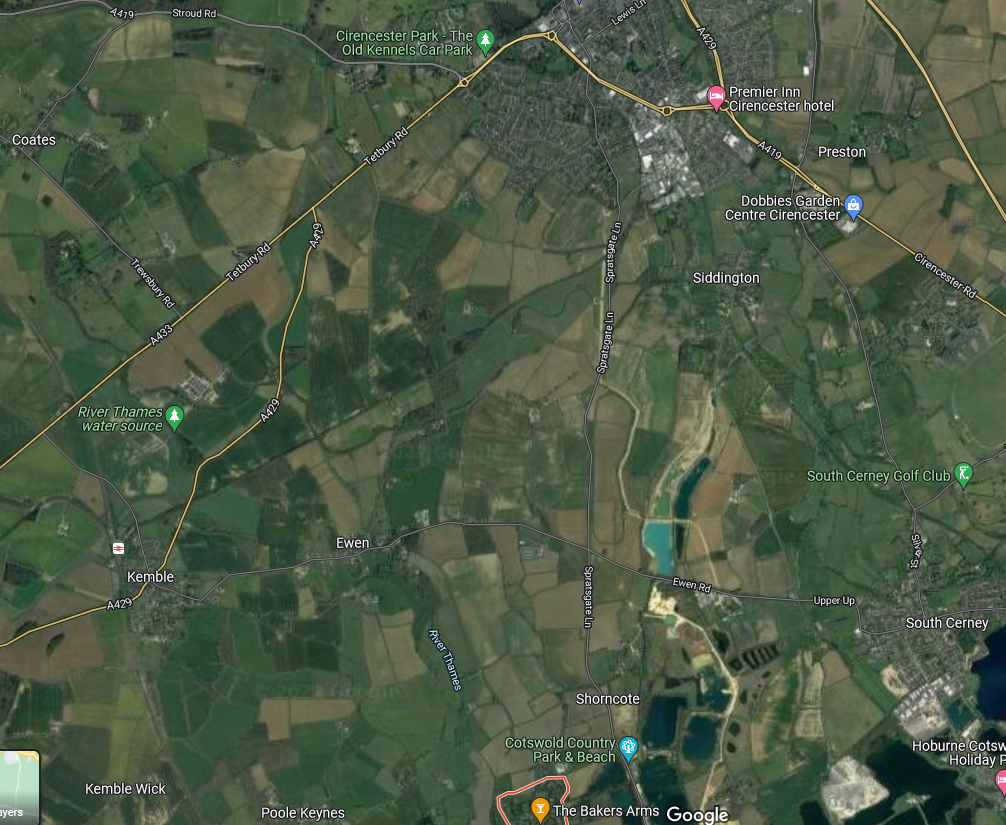
As a keen boat user of the River Thames, I am distressed to read that the source of the River Thames has ‘dried up’ for the first time. It is now five miles further down the River than it was.

On June 2nd 1840, Thomas Hardy was born. He died on January 11th 1928. In January 1886 serialisation of the Mayor Casterbridge began. I wrote in a previous post about the custom of Wife-Selling which is the main plot driver of the book. In this book I want to look another folk custom which brings the erstwhile Mayor to the brink of suicide. This was the Skimmity Ride, or Skimmington Ride.
The ride, which has deep roots in history, was designed to humiliate a member of the community and it consisted of a procession through the streets of the community with music or at least percussion instruments. Those being mocked, or an effigy of them or a local dressed up to look like them rode a horse or donkey or sat on a pole.
The illustration above is from the early 17th Century. It is in Montecute House, in Somerset above one end of the Great Hall of Sir Edward Phelips, who rose to the top of the legal profession becoming Master of the Rolls. And yet he choose to have a representation of popular justice in this prestigious part of his house. ( more information here)
The ‘offence’ is seen on the left – a neighbour sees the wife hit her husband over his head with a clog while he is trying to get a drink of beer at the same time as holding the swaddled baby. They live in a simple thatched cottage.

The normal interpretation is that she is ruling the roost and taking over the man’s role. It is he who is being punished for losing control to his wife and he is seen ‘riding the stang’, or pole either in person, or in effigy, or played by a stand-in. It would be nicer to think he is being punished for being drunk in charge of a child. The Skimmity Ride is heading from the couple’s home to the Church, and thus shown as involving the entire community.

In the fictional ‘Mayor of Casterbridge’ skimmity ride effigies of the ex-Mayor and his lover, Lucetta Le Sueur, are tied back to back on a donkey and paraded through Casterbridge. She has just married the Mayor’s rival and on seeing the skimmity ride has a seizure which kills her. Henchard, full of remorse, decides to kill himself in the local river, but as he looks down into Ten Hatches Hole he sees an image of himself which stops him jumping in. It turns out to be his Skimmity effigy but he, none-the-less, sees it as divine intervention.
William Hogarth also portrays a Skimmington Ride in his illustration for Samuel Butler’s ‘Hudibras’. It illustrates the cacophonous nature of the Skimmington with horns and percussion the main forms of ‘music’.

You might also like Cunning Men in Thomas Hardy’s fiction.
Published in 2022, and revised in 2026.
The Society of Antiquities newsletter ( Salon: Issue 494) reports on a restitution deal of one of the major collections of Benin bronzes back to Nigeria.
The Bronzes, which are actually Brasses, are from the Royal Palace of the Kingdom of Benin which was looted by the British during the Benin Expedition of 1897 as part of British subjection of Nigeria.
Wikipedia reports that ‘Two hundred pieces were taken to the British Museum in London, while the rest found their way to other European museums. A large number are held by the British Museum[ with other notable collections in Germany and the United States.’
The Smithsonian has recently made a similar arrangement to restore their brasses to Nigeria, and UK collection The Great North Museum: Hancock, has followed suit joining Jesus College, Cambridge and the University of Aberdeen. (The Art Newspaper)The British Museum has refused and is indeed prevented from so doing by an Act of Parliament.
An interesting sidelight on the collection is that the wealth of the Benin Kingdom benefited from income from the slave trade.
This is what The Society of Antiquities newsletter ( Salon: Issue 494) says:
Last week, Germany signed a restitution agreement with Nigeria. The agreement covers 1,100 artefacts currently held by the Linden Museum in Stuttgart, Berlin’s Humboldt Forum, the Cologne Rautenstrauch-Joest Museum, Hamburg’s Museum of World Cultures and the State Ethnographic Collections of Saxony. The agreement immediately puts these objects into Nigerian ownership; the affected Museums will then
The Society of Antiquities newsletter ( Salon: Issue 494)negotiate directly with the Nigerian Government whether they return to Nigeria, or remain in Germany under custodial agreements.
Lai Mohammed, Nigeria’s Culture Minister, described the agreement as ‘the single largest known repatriation of artefacts in the world’. It was marked by the return of two Benin Bronzes – an eighteenth century 35kg head of an oba and a 16th-century relief depicting an oba accompanied by guards or companions. German foreign minister, Annalena Baerbock, said ‘It was wrong to take the bronzes and it was wrong to keep them. This is the beginning to right the wrongs.’
Image credits: The returned Benin Bronzes, Martin Franken

Arise, O Sun!
Let the Darkness of Night
Fade before the beams of your glorious Radiance
Midsummer, astronomically, is 21st June. So, summer has started. But, meteorologically speaking it has been here since the beginning of June.
In Christian London celebrations were at their height on the Church’s Midsummer’s Day, 24th June, on the Vigil and Day of St John the Baptist (23rd, 24th June). Stow points the way:
‘every mans doore being shadowed with greene Birch, long Fennel, Saint John wort, Orpin, white Lillies, and such like, garnished upon with Garlands of beautiful flowers, had also Lampes of glasse, with oyle burning in them all the night, some hung out braunches of yron curiously wrought, contayning hundreds of Lampes, light at once, which made a goodly shew, namely in new Fishstreet, Thames Streets, &c’
Survey of London, John Stow
Bonfires from the night before were smouldering, where the ‘wealthier sort’ set out tables, furnished with ‘sweete beade and drinks plentifully’ where ordinary people could rub shoulders with the rich and ‘be merrie with them in great familiaritie’. There were large processions of ‘Captains, Lieutenants, Sergeants, Corporals, &c Wilfers, Drummers, and Fifes, ….Ensign bearers, Sword Players, Trumpeters on horseback, … Gunners, …. Archers, …Pike Men, ….Pageants, and, poor people in straw hats holding cresset lamps to make a show in exchange for a wage. All accompanying the Lord Mayor, Sheriffs each with their own Giants, Henchmen and Pageants from the Little Conduit in Cheape to Aldgate, and back via Fenchurch Street.
Midsummer was a mix of May Day, Halloween and a street festival with ‘Robin Hood games’, bale fires, the ‘summer pole’ dancing, merriment and pervading sense of the uncanny.
First published in 2022, revised and reposted in June 2024