The Moon rules the months: this month’s span ends With the worship of the Moon on the Aventine Hill.
Fasti by Ovid
Cycle of the Moon, sketched from photo.
The Aventine Hill is one of the seven hills of Rome, named after a mythical King Aventinus. It is the hill where Hercules pastured his cattle. They were stolen by Cacus. According to Virgil in his Aeneid, the monstrous Cacus lived in a cave on a rocky slope near the River Tiber. Cacus was the son of Vulcan, the artificer God. He was, also, a fire breathing Giant who eat human flesh and stuck their skulls on the door of his house. When Hercules wrestled with him, Hercules hugged him so tight Cacus’ eyes popped out of his head.
The worship of Minerva also took place on the Hill. You can take a Google Earth fly past if you follow this link – also some nice photos.
The Aventine Hill & Romulus
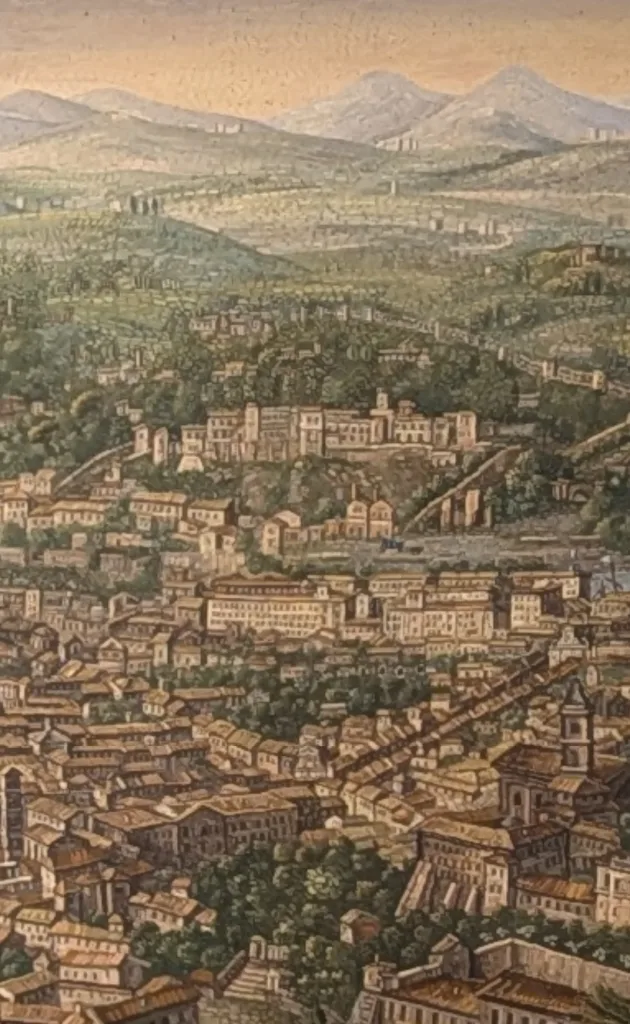
Aventine Hill in a detail of the ‘Panorama of Rome From the Janiculum Hill’ in miniature mosaics by Antonio Tesca 1800-25 , Gilbert Collection V&A Photo K Flude. You can see the Walls of Rome in the Background. The Tiber runs across the middle but is not clearly visible.
The Hill is famous in the mythology of Rome because it is associated with Romulus. He and his twin Brother Remus, were born to the vestal virgin, Rhea Silvia, in the pre-Roman City of Alba Longa, not far away. Rhea was the daughter of former King Numitor. Her uncle, killed Rhea’s brother and forced her to be a vestal Virgin. Thus ensuring Numitor’s line died out.
But, in her sacred grove she was put to sleep by Somnus dripping a sleeping draft into her eyes and then raped by the God Mars. This was a terrible breaking of the taboo for Vestal Virgins. Rhea gave birth to the twin boys. They had to be hidden from the wrath of their Granduncle.
The Palatine & the Lupercal
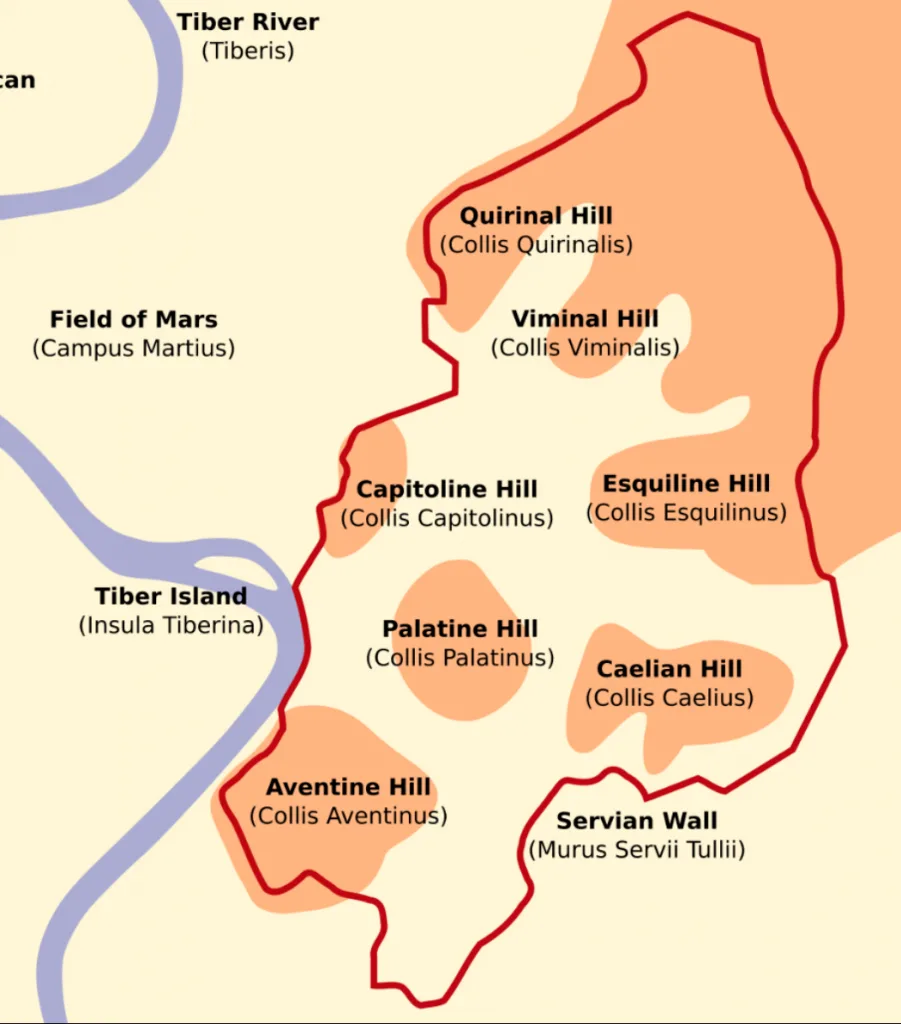
The Seven Hills of Room (Facebook)
The boys were saved by the River God Tiberinus and then by being suckled by a Wolf in a cave called the Lupercal, which is at the foot of the Palatine Hill in Rome. A ‘grotto’ under Augustus’ Palace on the Palatine, has been claimed as the original Lupercal, but it is disputed. (see www.digitalaugustanrome.org/records/lupercal/.
When the boys grew up, they helped their Grandfather (Numitor) reclaim the throne of Alba Longa. The boys, being the children of the War God, were obviously excellent at the art of war. Then they decided to found their own City, but they could not decide upon which hill to build it or whom to name it after (accounts vary!). Remus favoured the Aventine, Romulus the Palatine (some accounts say vice versa).
So they decided to let the Gods decide. Remus claimed to have won when he saw a flight of 6 auspicious birds. Romulus saw 12 and declared himself the winner. And Rome was named in his honour. It was on his choice of Hill – the Palatine Hill. The Aventine hill was, originally, outside the City boundary.
The two quarrelled. Remus was killed. This story was first written down in the Third Century BC. The traditional foundation date of Rome is 753BC. These mythical foundation stories continue are retold and celebrated. In Britain, we largely ignore our creation myths. Despite our legendary Founder, King Brutus, being a relative of Romulus and Remus.
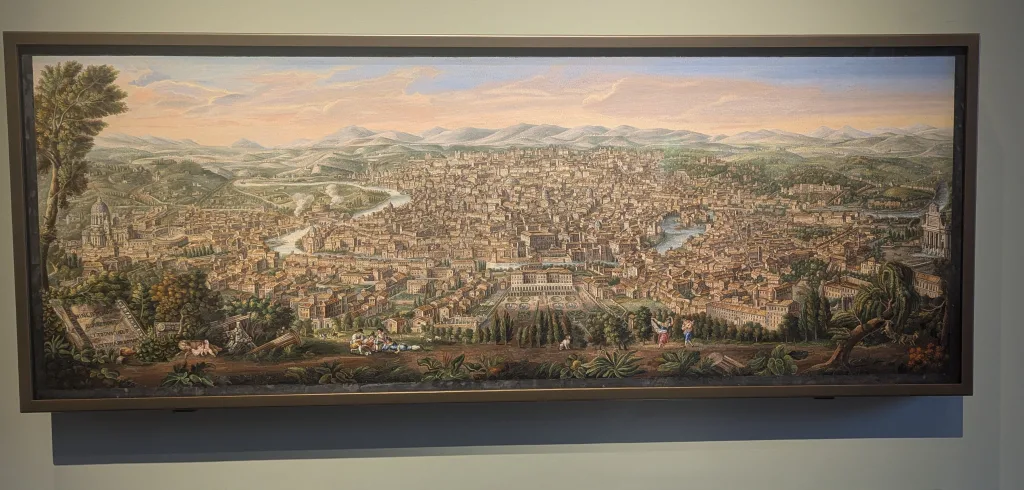
The ‘Panorama of Rome From the Janiculum Hill’ in miniature mosaics by Antonio Tesca 1800-25 , Gilbert Collection V&A Photo K Flude. It took 20 years to make.
You didn’t think I’d leave you with just a detail of the superb map did you? And to see a much better photo of it look at the V&A’s photo. It is part of the Gilbert Collection which I introduced in this post.
First written in 2023 and revised March 30th 2024, 2025, Object of the Day added 2026
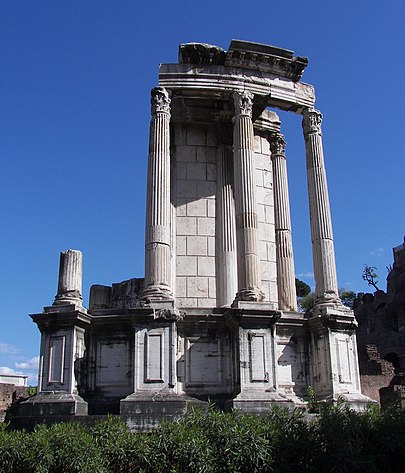
For March 6th, Ovid in his Almanac Poem called ‘Fasti’ (Book III: March 6) tells the story of Vesta. She is Hestria, in Greece and is depicted on the Parthenon Marbles, standing near Zeus and Athene. She was the Goddess of the Hearth, of the fire that keeps families warm, and fed. Vesta had 6 Virgins as her Priestesses. They had to remain 30 years, from before puberty, as a virgin. The punishment for breaking their vows was to be buried alive. Any partners in sin were beaten to death. At the end of their term they could marry, retire, or renew their vows. That suggests they would be late 30s, early 40s before they could be released
The Vestal Virgins tended Vesta’s hearth. It was not supposed to go out as it had, in theory, come from Troy with Aeneas. Vesta’s Temple also housed the Palladium. This was a wooden status of Pallas Athene, that kept Troy, then Rome free from invasion. Odysseus and Diomedes had stolen it just before the Trojan Horse episode ended the 10-year-long Trojan War. (To read more about palladiums, look at my post here.)
The Temple of Vesta was in Rome’s Forum, and it was a circular temple or a Tholos. Next to the Sacred Shrine at Bath was a circular Tholos, which may have been dedicated also to Vesta.
Ovid & Vesta
Here is what Ovid says in his March 6th entry:
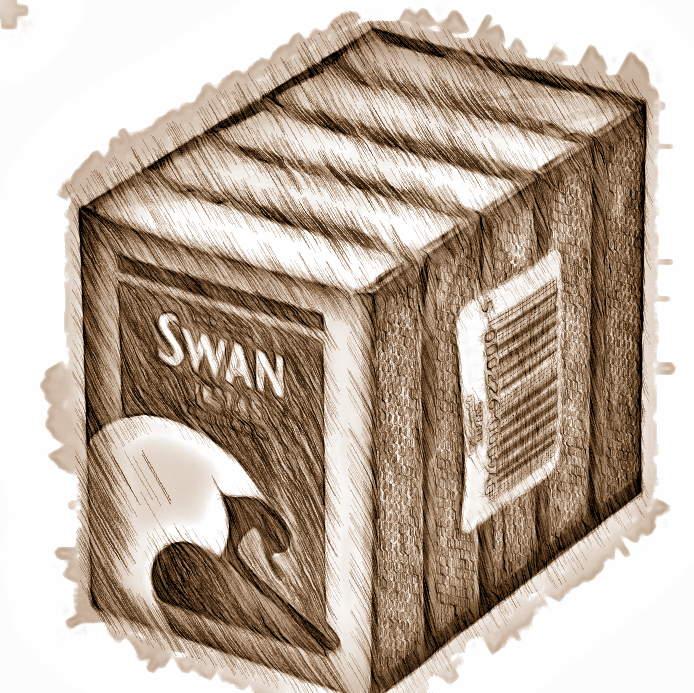
Sketch of Swan Vesta Matches
When the sixth sun climbs Olympus’ slopes from ocean, And takes his way through the sky behind winged horses, All you who worship at the shrine of chaste Vesta, Give thanks to her, and offer incense on the Trojan hearth. To the countless titles Caesar chose to earn, The honour of the High Priesthood was added. Caesar’s eternal godhead protects the eternal fire, You may see the pledges of empire conjoined. Gods of ancient Troy, worthiest prize for that Aeneas Who carried you, your burden saving him from the enemy, A priest of Aeneas’ line touches your divine kindred: Vesta in turn guard the life of your kin! You fires, burn on, nursed by his sacred hand: Live undying, our leader, and your flames, I pray.
Caesar is Julius Caesar. Aeneas was the last Trojan who survived the end of Troy. He came to Italy, founded a Kingdom (Latium) in which his descendant, Romulus, would found Rome. This is told in Virgil’s Aeneid.
Rhea Silvia the Vestal Virgin
At the beginning of Book 3 of Fasti. Ovid tells us the story of Rome’s foundation, and how Mars took Silvia the Vestal while she slept. She was descended from Aeneas. She later gave birth to Romulus and Remus. The betrayal displeased the Goddess Vesta. The holy fires went out, the altar shook and the eyes of Vesta’s statue shut. Venus was more forgiving. The children survived. But Silvia eventually drowned in the Tiber. (For more on the foundation of Rome see my post here)
Foundation Calendars
The new City chose Mars, the Roman God of War, father of their founder – as its patron God. He suited the Romans with their destiny to rule the world. So March was named after Mars, and 1st March was the beginning of the Roman year. (At least in Rome’s early days as I discussed in my post on March 1st). Ovid in the ‘Fasti’ makes the point, through Romulus’s voice, and explains something about the various Calendars run by different tribes/Cities:
‘And the founder of the eternal City said: ‘Arbiter of War, from whose blood I am thought to spring, (And to confirm that belief I shall give many proofs), I name the first month of the Roman year after you: The first month shall be called by my father’s name.’ The promise was kept: he called the month after his father. This piety is said to have pleased the god. And earlier, Mars was worshipped above all the gods:
A warlike people gave him their enthusiasm. Athens worshipped Pallas: Minoan Crete, Diana: Hypsipyleís island of Lemnos worshipped Vulcan: Juno was worshipped by Sparta and Pelopsí Mycenae, Pine-crowned Faunus by Maenalian Arcadia: Mars, who directs the sword, was revered by Latium: Arms gave a fierce people possessions and glory. If you have time examine various calendars. And you’ll find a month there named after Mars. It was third in the Alban, fifth in the Faliscan calendar, Sixth among your people, Hernican lands. The position’s the same in the Arician and Alban, And Tusculum’s whose walls Telegonus made. It’s fifth among the Laurentes, tenth for the tough Aequians,
First after the third the folk of Cures place it, And the Pelignian soldiers agree with their Sabine Ancestors: both make him the god of the fourth month. In order to take precedence over all these, at least, Romulus gave the first month to the father of his race. Nor did the ancients have as many Kalends as us: Their year was shorter than ours by two months.
The Sabine Women
This section mentions the Sabines, these were a neighbouring tribe. The Romans were short of women, so they kidnapped the Sabine Women. This became known as the Rape of the Sabine Women. People argue whether they were raped or kidnapped. Romulus worked to convince the women that it was done out of necessity for Rome’s future. The Women, or some of them, certainly tried to escape. Many became pregnant. The Sabine Army approached and entered Rome determined to free them and enact revenge on their neighbours. Ovid tells the story of Hersilia, Romulus’s wife trying to persuade the women to stay. The poem then returns to Mars’ viewpoint, and ends with a beautiful description of spring in March.
The battle prepares, but choose which side you will pray for: Your husbands on this side, your fathers are on that. The question is whether you choose to be widows or fatherless: I will give you dutiful and bold advice. She gave counsel: they obeyed and loosened their hair, And clothed their bodies in gloomy funeral dress. The ranks already stood to arms, preparing to die, The trumpets were about to sound the battle signal, When the ravished women stood between husband and father, Holding their infants, dear pledges of love, to their breasts. When, with streaming hair, they reached the centre of the field,
They knelt on the ground, their grandchildren, as if they understood, With sweet cries, stretching out their little arms to their grandfathers: Those who could, called to their grandfather, seen for the first time, And those who could barely speak yet, were encouraged to try. The arms and passions of the warriors fall: dropping their swords Fathers and sons-in-law grasp each other’s hands, They embrace the women, praising them, and the grandfather Bears his grandchild on his shield: a sweeter use for it.
Hence the Sabine mothers acquired the duty, no light one, To celebrate the first day, my Kalends. Either because they ended that war, by their tears, In boldly facing the naked blades, Or because Ilia happily became a mother through me, Mothers justly observe the rites on my day. Then winter, coated in frost, at last withdraws, And the snows vanish, melted by warm suns: Leaves, once lost to the cold, appear on the trees, And the moist bud swells in the tender shoot: And fertile grasses, long concealed, find out Hidden paths to lift themselves to the air.
Now the field’s fruitful, now ís the time for cattle breeding, Now the bird on the bough prepares a nest and home: It’s right that Roman mothers observe that fruitful season, Since in childbirth they both struggle and pray. Add that, where the Roman king kept watch, On the hill that now has the name of Esquiline, A temple was founded, as I recall, on this day, By the Roman women in honour of Juno. But why do I linger, and burden your thoughts with reasons? The answer you seek is plainly before your eyes. My mother, Juno, loves brides: crowds of mothers worship me: Such a virtuous reason above all befits her and me.í Bring the goddess flowers: the goddess loves flowering plants: Garland your heads with fresh flowers,
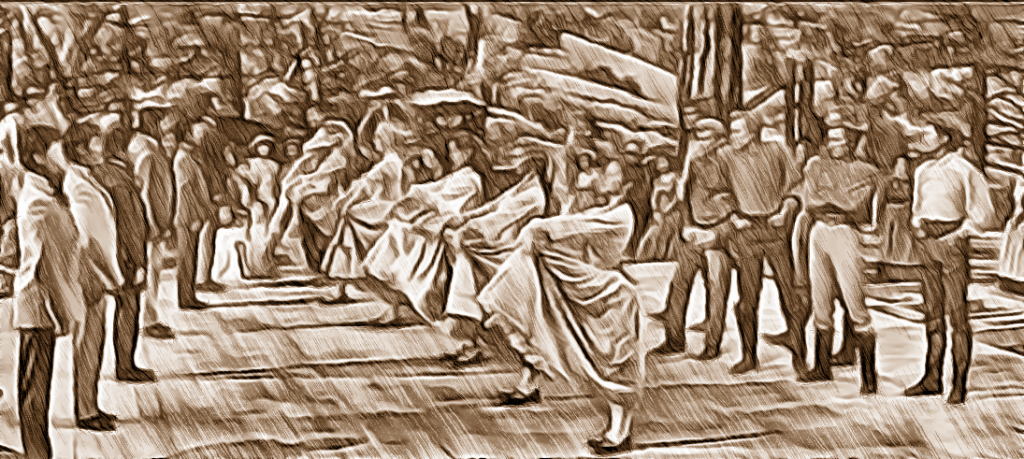
Sketch of scene from ‘Seven Brides for Seven Brothers’
My children’s favourite film in childhood was ‘Seven Brides for ‘Seven Brothers’. It was loosely based on the Rape of the Sabine Women, and very Hollywood.
On This Day
12 BC – Augustus named Pontifex Maximus, which is essentially ‘Chief Priest’ which is a bit like King Henry VIII being the Supreme Head of the Church of England.
1836 – The Alamo in Texas fell to Mexican General Santa Anna after a 13-day siege. (apologising to Texas for posting this yesterday on the wrong day)
1957 – Ghana becomes an Independent State, the first of the UK’s colonies in Sub-Saharan Africa to be independent. Ghana consists of four separate colonial territories: Gold Coast, Ashanti, the Northern Territories, and British Togoland. Ghana remained within the Commonwealth of Nations. Kwame Nkrumah was the first President. It ranks 7th (out of 54 African states) for good governance on the Ibrahim Index of African Governance (IIAG).
First published in 2024, republished in 2025. On This Day added 2026