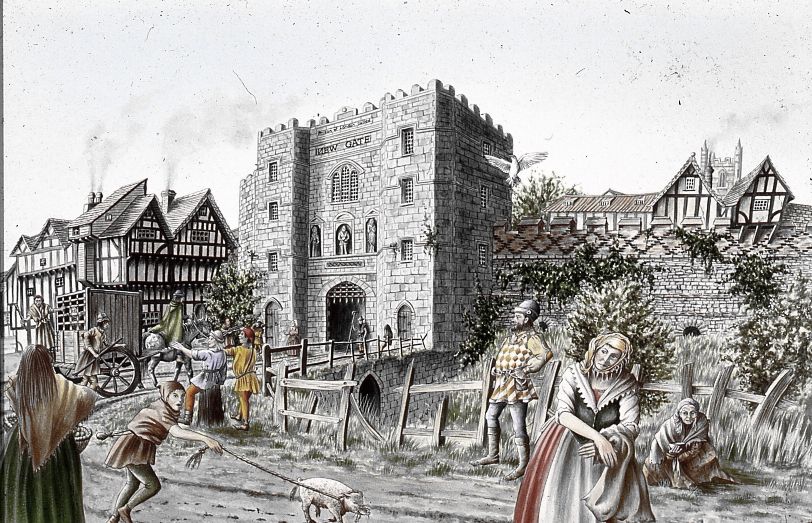
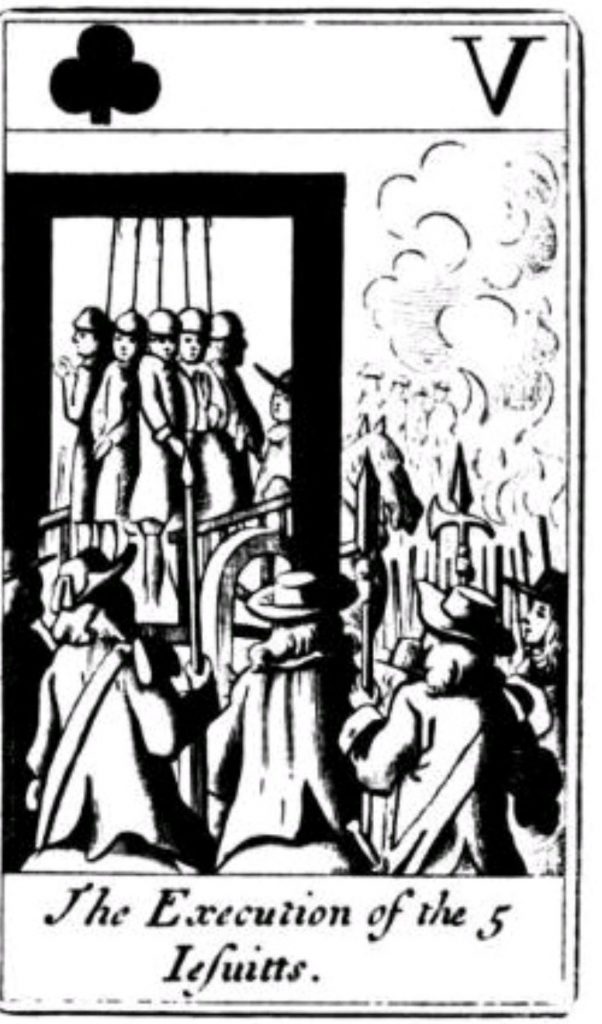
Titue Oates & Popish Plot. Set of playing cards themed on the Plot c1679 after a design by Francis Barlow
This post is about Titus Oates and the Popish Plot but first more on May 20th
On This Day
On May 20th Castor was mortally wounded. Castor and his brother Pollux raped and abducted Phoebe, and her sister Hilaira. Their betrothed attacked the twins, and ran Castor through. Jupiter, Pollux’s father, saved Pollus, who cried
‘Father, hear my words: That heaven you grant me alone, share between us Half will be more, then, than the whole of your gift.’
So Jupiter saved Castor and allowed the divine Twins to change places in Mount Olympus alternately. For more about the Gemini, read my piece on heteropaternal superfecundation and the Twins.
1609 – Shakespeare’s sonnets published in London, by the publisher Thomas Thorpe. The sonnets are endlessly controversial, as to how autobiographical they are.
1954 – Bill Haley & His Comets released ‘Rock Around the Clock’
1964 – Discovery of the cosmic microwave background radiation by Robert Woodrow Wilson and Arno Penzias. This was the key experimental evidence of the Big Bang theory.
Titus Oates
He was a con-man. He accused leading Catholics of participating in a plot to kill King Charles II and restore a Catholic monarchy. Among his targets were the Queen, and the King’s Brother’s wife.
Titus Oates had a complicated past. He was a Baptist who turned to the Church of England on the Restoration of King Charles II. He studied at Cambridge. But was accused of being a ‘Great Dunce’ and never took his degree. His next about turn saw him in St Omer to train as a Jesuit. He accused a man, whose job he wanted, of sodomy. Then, he became a Naval Chaplain. But he was, himself, accused of buggery and dismissed from the Navy. He was received into the Catholic Church while, at the same time, he wrote a series of anti-Catholic Pamphlets. He made accusations against over 500 people. This became known as the Popish Plot.
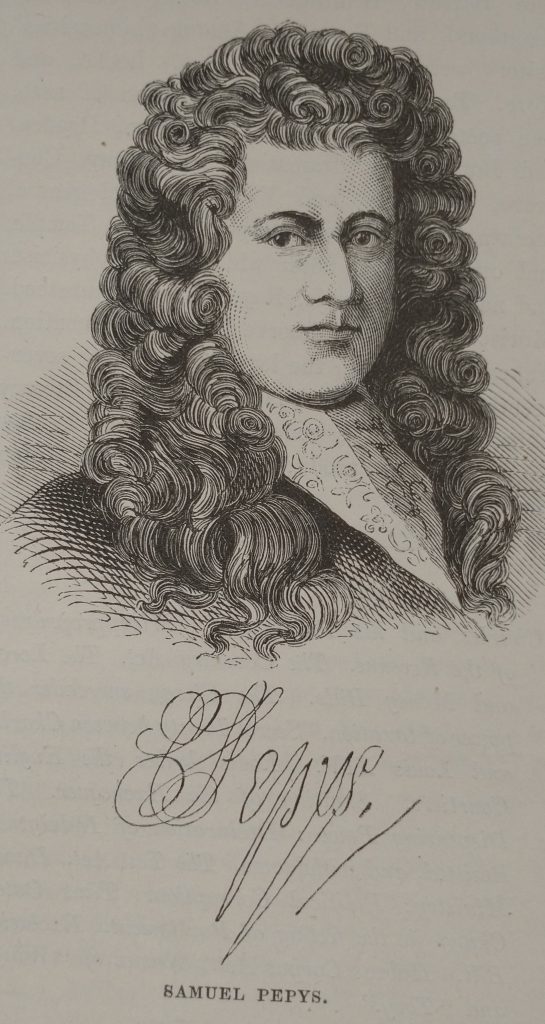
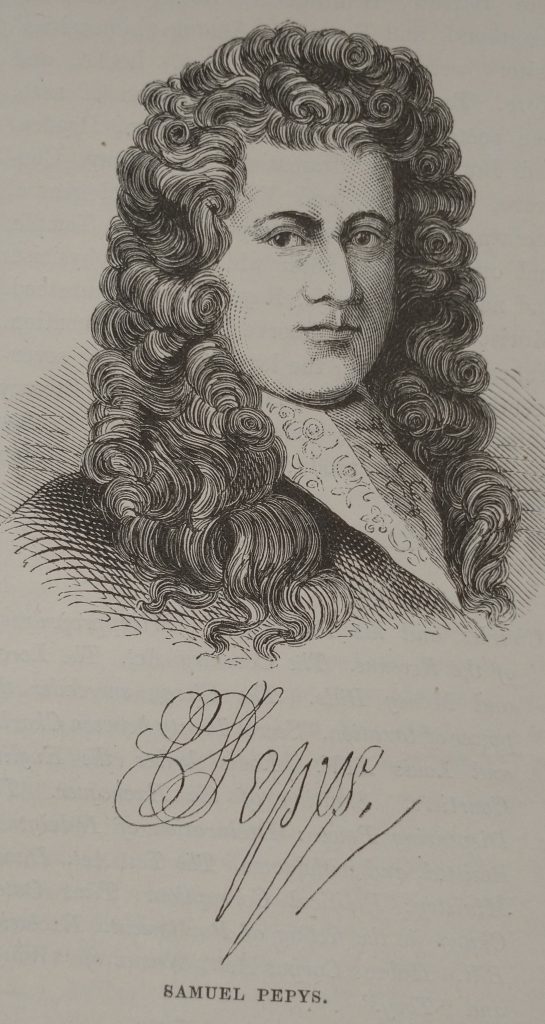
As a result, twenty-two people were executed. Some were ‘Hanged, Drawn and Quartered’ because of Oates’ baseless accusations. The Diarist, Samuel Pepys, was caught up in the anti-Catholic frenzy. Pepys was Secretary of the Navy during the Plot and was close to the Catholic, James, Duke of York. He was accused of selling secrets to the French. Awaiting trial for treason, he was imprisoned in the Tower of London. Eventually, he was able to clear himself and resume public life. (read this article on the /the-plot-against-pepys/.
Whipped from Aldgate to Tyburn
Old Print of Samuel Pepys
It was only with the accession of James II that the climate of opinion changed. Then Titus Oates was found guilty of perjury. Perjury was not punishable with death, so Oates’ punishment was a long-drawn-out affair instead. He was sentenced to be imprisoned for life. And ‘whipped through the streets of London for five days a year for the remainder of his life.’
Oates was put in the pillory at Westminster Hall, where passers-by pelted him with eggs. He was again pilloried the next day in the City. On the third day, stripped, tied to a cart, and whipped from Aldgate to Newgate. The following day he was whipped from Newgate to Tyburn. (Source Wikipedia)
However, when the Catholic King, James II was deposed and replaced by the joint Protestant monarchs William and Mary in 1689, Titus Oates was released and given a pension. He died in 1705.
For Pepys at the Execution of Charles I see my post here.
First Published in 2024, republished in 2025, On This Day added 2026
Magnolia and Cherry blossom in Weymouth Terrace Haggerston London. Photo K Flude
It might already have peaked in London, but there are lots of lovely magnolias still flowering. This year, last week was very hot and plant experts feared it would lead to a brief spring. However, the shirt-sleeve warmth was soon followed by a cold spell, dropping in some places to 0 degrees C. This may have saved the situation and prolonged the spring flowering.
Magnolias, Earnest ‘Chinese’ Wilson, said were the most esteemed of all flowers. He introduced new species from the Himalayas. Magnolias are among the oldest flowers and have their origins in the Cretaceous period. They evolved 100 million years ago before the evolution of bees. So they are pollinated by beetles, which is one reason for the size of the flowers.
The first magnolias to come to Britain were from America. John Banister sent Magnolia Virginiana to Henry Compton Bishop of London, who was also highly involved in the colony in Virginia. Compton sent Banister out as a missionary, but both loved flowers. Banister wrote the first flora of N. America which was included in John Ray‘s Historia Plantarum. Sadly, he was accidently shot while exploring.
Magnolias were named after the French botanist Pierre Magnol (1638-1715) ‘Professor of Botany and Director of the Royal Botanic Garden of Montpellier’. Magnol invented the idea of plant families, which Linnaeus developed.
Herbal uses
Mrs Grieve’s ‘A Modern Herbal’ suggests Magnolia was used for rheumatism and malaria. A warm infusion was thought to be laxative, sudorific (induces ‘sweating so that the sweat runs down the body in rills!’), If cold. If warm was antiperiodic (useful against diseases like malaria which keep coming back) and mildly tonic.
Where to see Magnolias
In London, they can be seen everywhere but Google suggests:
Kensington (Phillimore Gardens, The Boltons), Chelsea (Carlyle Square), and Notting Hill (Lancaster Road). And of course Kensington Gardens and Kew Gardens. My favourites ones are in the roads around my house, often in the most unprepossessing of places.
Magnolias and Camelias in Albion Square, Haggerston,. London. Photo by K Flude
But it is a delight to go to Hidecote the National Trust Property in Mickleton just off the edge of the Cotswolds. In April, it has spectacular magnolias. Unfortunately, I don’t have any good photos except this one which shows all the magnolia petals on the ground!
Hdcote in Magnolia time. Photo K Flude
Ernest ‘Chinese’ Wilson 1876 – 1930
Prunus Serrula, (aka Tibetan Cherry) brought to England by Ernest Wilson. My favourite tree because of its bark which feels like copper. Photo K Flude
He was born in Chipping Camden where there is a lovely memorial garden which contains my favourite tree, and many plants he introduced. He brought back over 2000 species into the West of which 60 are named after him. One of his expeditions took place during the Boxer revolution. So he adopted a native disguise and risked execution.
At 16, he was apprenticed at the Birmingham Botanical Gardens. Then he worked at the Royal Botanic Gardens, Kew. His next adventure was to be hired as the Chinese plant collector with James Veitch & Sons (originally based in Chelsea). He eventually moved to America, where he became keeper of the Arnold Arboretum in Boston. Unfortunately, he and his wife died in a car accident in 1930.
1116 (or 1117) – St Magnus the Martyr Executed. He was executed because of dynastic disputes amongst Vikings in the Orkneys. Magnus lived a pious life refusing, for example, to fight in the Battle of Menai Straits in Wales, and various miracles took place after his death. He is remembered by the Church of St Magnus at the foot of London Bridge in London. But that was, before the 18th Century, thought to be dedicated one or other of the other many St Magnus’s (6). The Church is by Christopher Wren, and very high Church Protestant. On the occasion I visited on his feast day I felt like I was in a Roman Temple.
The Famous Spaghetti Tree April Fool’s Joke (from facebook)
First Reference to April Fools Day
The first unambiguous British reference to April Fools Day is by diarist John Aubrey’s “Fooles holy day” in 1686 – although he might have been referring to Germany.
‘We observe it on ye first of April… And so it is kept in Germany everywhere.’ For more details read hoaxes.org.
Chaucer and April Fools Day
But there is a possible earlier reference in Chaucer in the Nun’s Priest’s Tale. This I find quite compelling but most Chaucer scholars don’t. This is the text:
When that the monthe in which the world bigan That highte March, whan God first maked man, Was complet, and passed were also Syn March bigan thritty dayes and two
So, if you have been keeping up with me, you will know that the first lines are referring to March 25th. This was the day Adam and Eve were created. The day when the Church started the New Year and the year number moved one on. This was a major Church festival, usually followed by a week of holiness. The Roman New Year, January 1st, ended with a light-hearted festival called Saturnalia, and it is suggested that April 1st was, similarly, a day of release after the festival of the official Church ceremony of the New Year.
Chaucer’s last line says ‘Since March began thirty-two days have passed.’ A foolish person would not realise this is a reference to April 1st. Hence, this suggests a Fool’s Day already existed. Some scholars think that Chaucer was referring to May 2nd, counting the 32 days not from the beginning of March but from the end of March. I think they look at the second and third lines which read ‘That high March…. was complete’ and so add the 32 days to the end of March. Foolish in my opinion and not reading what actually Chaucer wrote which is ‘Since March began….’
Hunting the Gowk
Generally, in Britain, we play a prank and say ‘April Fool’ with great delight. But we are not allowed to continue beyond midday. The Scots used to call it ‘Hunting the Gowk’ and the main prank was to give someone a letter to deliver, and the person who opened the letter would read:
“Dinna laugh, dinna smile. Hunt the gowk another mile” and send the fool onto another leg of his or her’s fool’s errand. In Ireland the letter would read ‘send the fool further’.
April Fools Day and Spaghetti Growing on Trees
I nearly always forget to honour April Fool’s Day (or April Fish Day as the French call it). But in Britain, somewhere in our newspaper or TV station there is an April Fools Joke slipped in. The most remembered is the BBC piece showing film of Italian Farmers picking spaghetti from trees.
2026 – Introduction of Coffee to England 200 years earlier than previously thought!
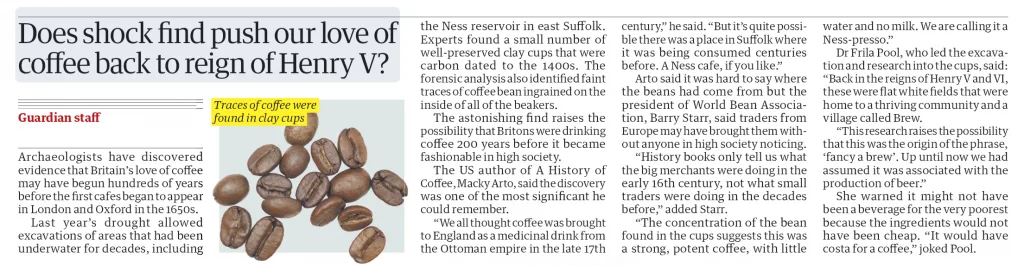
I have had a quick look at the Guardian for their 2026 April Fools Day Story and I think it is this one:
Guardian April Fools Joke for 2026
The clues are the expert is called Macky Arto. The find was in Ness, allowing them to say ‘Ness Cafe’, and ‘Ness-presso’, and the use of a pun ‘It would have costa for a coffee.’ The final confirmation is this sentence: ‘Back in the reigns of Henry V and VI, these were flat white fields …. and a village called Brew.’ Allowing the journalist to make up an origin for the expression ‘Fancy a Brew?’ it goes on to say.
2025 – Coffee Cups as Haut Courture?
Guardian April Fools Day Joke article or the world gone mad?
‘Meghan Markle was criticised after it was revealed that when you put her lifestyle brand name – American Riviera Orchard – into the What3words location service, it points to a statue of Oliver Cromwell, who famously had a King Charles executed‘
2023 – “Megxit: Call of Duke-y”
In 2023, Harry and Megan proved irresistible and the Guardian reported that:
‘The Sun published a piece announcing the launch of Prince Harry and Meghan’s new video game “Megxit: Call of Duke-y” in which the royal couple try to reach California while dodging obstacles, including rival royals and the media, along the way.‘
This post is about April Fools Day. But it is also the anniversary of the formation of the RAF.
On This Day
1854 – Hard Times by Charles Dickens Serialised in Household Words. A recent study of Victorian Grave yards in Yorkshire highlights the grim reality for young children. For the article see: https://core.ac.uk/reader/220156990
1918 – Near the end of World War 1 the Royal Flying Corps (RFC) and the Royal Naval Air Service were merged to create the Royal Air Force (RAF). It was the world’s biggest air force, and went on to secure Britain from invasion by Hitler.
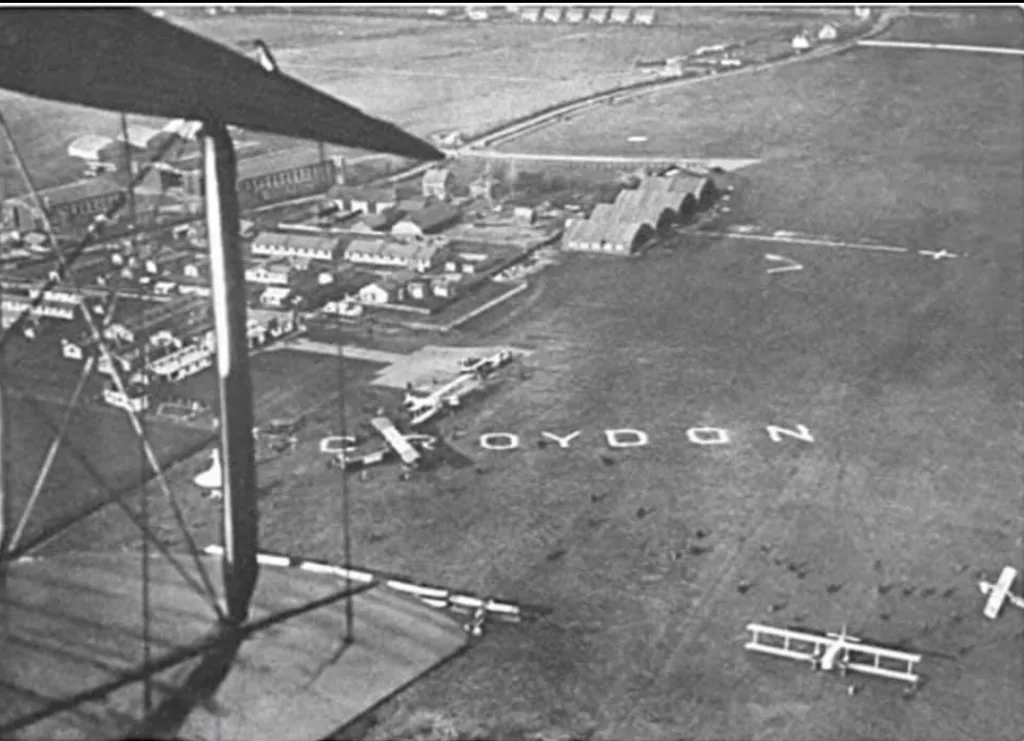
Croydon RFC/RAF base for anti-Zeppelin Raids in WW1 and one of the world’s first international airports.
RAF Rigger, Benjamin Flude
My Grandfather was in the RAF as a fitter. My father tells some of his story in his autobiography ‘A Boy from Haggerston’:
Benjamin Flude in RFC Uniform. My father, Ben Flude remembers a small model biplane hanging from the portrait.
‘I was 9 months old when he died, and he was just 28 years old. Everyone seemed to like him, and as a child, he was always my hero. In my imagination, I promoted him to being a brilliant and brave Ace RAF Pilot. But he was, in fact, a mechanic rather than a pilot in World War I. Following the war, he worked with Imperial Airways in Purley, Croydon. I don’t know the exact details and so have to piece the story together from the little information I have at my disposal.
My friend, Roy, tells me that the badge on his uniform in the oval picture is of the Royal Flying Corp. (RFC). But they were disbanded in 1916/17, and replaced by the RAF thereafter. As my dad was born in 1900, he must have joined up to fight in the war while underage at 16 or 17 as a volunteer. ‘
How a London lad became a Rigger for the RFC we don’t know, but the Fludes at that time were all employed as umbrella or walking stick makers in the East End of London. I think it is a case of transferable skills. WWI aeroplanes were made of wood, metal wire and fabric, which is precisely what an umbrella is made of.
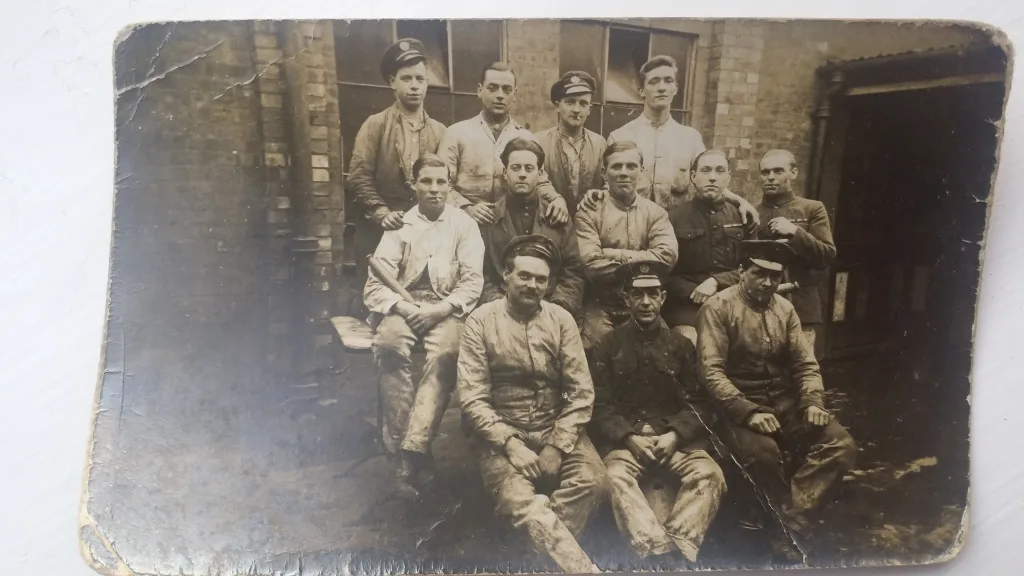
RAF/RFC mecanics c 1917 . My grandfather is the handsome man standing tall in the back row extreme right
RAF Mechanic Ben Flude
My father went on to serve in the RAF during his national service: He writes:
Ben Flude RAF Metfield. (dad is lying down at the bottom right. he is now 98)
‘Early in 1946 I received my call-up papers for the RAF. I was to report to the Recruitment Centre at Padgate in Lancashire. This is where I received my uniform after a medical examination, and then there were a number of intelligence/aptitude tests when they decided what trade I would join. I tried to get Air Crew and while there were no vacancies, I did have a wide group of trade offers open to me. The group that I was interested in was aircraft maintenance and repair, following in my Dad’s footsteps.’
‘However, before I could start, I had to do my basic training. This was designed to get you fit, and we did plenty of square-bashing or parade drills. For this, they sent me to Metfield in Suffolk, which had only very recently been made available to the RAF by the American Army Air Force. In fact, it was so recent a hand-over that whilst on picket duty, a coach rolled up packed with girls who were so disappointed by the lack of Americans that they got straight back on and returned to Ipswich! The motto of ‘overpaid, oversexed, over here’ certainly applied to these Americans in Suffolk.’
‘We found out that Metfield had been a US Army Air Force Base, where two squadrons of Flying Fortresses operated from. In all the Nissen Huts, those with the semicircular roofs, the ceilings were completely covered with pin-up pictures. My bed was just feet away from the huge Crocodile Stove, round which every evening we all clustered – as it was warm.‘
Interior of Nissan Hut 1944, Lasham
Dad specialised in the recovery of instruments from crashed planes, and was complimented by Air Chief Marshal Hugh Caswall Tremenheere Dowding, 1st Baron Dowding, GCB, GCVO, CMG on his ability to fix an instrument he had never seen before.
First published March 25th 4004 BC and republished yearly on every April Fool’s Day. The section on the meaning of April moved to my post on April 2025. On This Day added in 2026
Study for Lady Lilith, by Rossetti. 1866, in red chalk. Now in the Tel Aviv Museum of Art (Wikipedia) Lilith born at The Beginning of the Universe
This is now my most popular post. March 25th is the Annunciation—the day that the Archangel Gabriel tells Mary she is pregnant. (to see some very fine paintings of this meeting, look at my other March 25th post march-25th-feast-of-the-annunciation/). When I first wrote this post I was discovering how it all fitted together as I wrote. So I’m leaving it the way it was, proof reading and clarifying if necessary, but keeping the thrill of the discovery of the the significance of March 25th as the day that saw the Beginning of the Universe.
March 25th is also the anniversary of the birth of Adam and Eve (and Lilith); the death of Jesus Christ; the anniversary of the Immolation of Isaac; the Parting of the Red Sea; the Fall of Lucifer; and, (until 1752 in the UK) the beginning of the Year.
Of course, it isn’t. Or to put it another way, no one can, or ever could, prove any of these dates except 1752. So what they speak to is the way the Church saw the world as logically structured by God. Christian thinking about the year, the world, the universe, creation, developed over many years and took influences from many cultures. It is also very complicated to work out the sequence, so I’m going to summarise what I know (or at least what I think I know).
Happy Birthday, Dear Jesus.
Christians chose Christmas Day as the Birthday of Jesus, probably partly because it was a prominent birthday already shared with several Gods. Particularly, Attis, Mithras, Saturn and the Unconquered Sun. It was approximately at Solstice, the beginning of the Solar Year, and close to one of the main festivals of the Roman World, the Saturnalia. So it made it easier for new converts who could retain elements of their festivals after conversion.
December 25th might have been selected by the pagan religions because it is the time when the Sun begins to rise further north each day. The days stop shortening and start lengthening, light increases with the promise of warmer weather and budding plants. It was considered a rebirth of the Sun.
Solstice Anniversaries
So, Jesus was born on/or around the Solstice, so he must have been conceived approx. 9 months earlier. This is approximately at the Spring Equinox.
Ah, you are thinking! But today isn’t the equinox. It’s a few days after the equinox. Surely, God doesn’t do approximately?
I have always thought that the 4 or 5 days difference between the Solstice, the Equinox and the Christian festivals was down to the fact that the Calendars were not well coordinated with the actual movements of the Sun (because the Sun does not circle the earth in 365 days, or in 365 and a quarter days, but 365 days, 6 hours, 9 minutes. Unless corrected for this means dates slip from their proper place in the Solar Year. It also makes lunar Calendars difficult to align with the Sun cycles, and vice versa.
But when I first wrote this a sudden revelation dawned upon me which will be revealed in the next few paragraphs.
So, God sends his Son to save the human race. God is a logical being, so she would send her Son at an appropriate time? If Jesus is born at or near the Solstice, which is an appropriate time for the Son of the Creator, then conception 9 months earlier, March 25th, is near the Equinox. This is the beginning of Spring. For many people, Spring is a new beginning, for example, the Anglo-Saxons saw Winter as the death of the year, and Spring as the young Year. It all makes sense.
The Creation
So to the Creation. God, having a free choice, would have created the world at the beginning of Spring. In fact, if you think about it, God creates everything necessary for life at the creation in 6 days. As soon as it has all been created and put together, it is bound to immediately spring into new life. The first season must, therefore, be Spring? Right? So March 25th?
This gives a nice symmetry with Jesus’s Life. Conceived on March 25th, born December 25th, and died 30–40 years later, according to the Church, at Easter, on March 25th. (the only other famous person I know, born and died on the same day is William Shakespeare).
Easter
Easter, when Jesus is martyred, isn’t March 25th I hear you saying. But remember, Easter is a lunar festival, so its date varies each year. In fact the next time is 2035. Births and deaths, on the other hand, are fixed to the Solar Calendar. Therefore, the Church chooses March 25th as the most appropriate day to pin the death of Jesus, on the anniversary of his conception and the anniversary of the creation of the Earth. I am guessing that this is also the preferred date for the Day of Judgement.
It is also the Birthday of Adam, and his first wife Lilith (or so some say), and Eve. More about Lilith below. I hope this is all making sense?
Why was Adam born on March 25th?
I had thought this date was just one of the parallels that the Church liked, Jesus and Adam born on the same day. But, I have just worked out why Adam is born on March 25th, and why these dates are not the Equinox, March 20th/21 but March 25th, which has been bugging me.
Let’s go back to the beginning of Creation as described in Genesis. It has the following sequence of Seven Days, beginning with the Equinox March 20th. I have added dates to the 6/7 day sequence of Creation:
Day 1: Light – March 20th
Day 2: Atmosphere / Firmament – March 21st
Day 3: Dry ground & plants – March 22nd
Day 4: Sun, moon & stars – March 23rd
Day 5: Birds & sea creatures – March 24th
Day 6: Land animals & Adam, Lilith and Eve – March 25th
So there you have it! Adam, Eve (and Lilith) were created on Day 6 with the Land Animals – March 25th. Jesus conceived, also on this date, and so 9 months later is born on December 25th. It all makes sense, and aligns the Jesus’s Life, the Christian year fully with the Solar Year and the Creation!
And that, dear Reader, is the very first time anyone has been able to explain to me why Christmas is not at the Solstice, and why the Annunciation was not at the Equinox. Maybe you all know this, but it is very exciting to work this out for myself. And believe me, I have done a lot of reading about calendars and not spotted an explanation.
When was the Creation?
The Anno Munda‘s is a Jewish Calendar which begins counting from a year before the Creation – the Year of Emptiness. This was 5500 years plus 2026 years ago so 7526 Before the Present. And it was supposed to have ended in 600AD, 6000 years after the Creation. So, they got that wrong.
Dionysius Exiguus replaced the Anno Mundo year with the AD/BC system in the 6th Century AD). This became popular when the Venerable Bede used it in his writings in the 8th Century.
Beginnings of the year
The Celts chose October 31st, Julius Caesar chose January 1st, other cultures have other dates, and the Spring Equinox is another choice sometimes made. The Church and Dionysius Exiguus choose March 25th, although secular society also recognised the claims of January 1st. Britain kept to March 25th until 1752 when we adopted the Gregorian Calendar. But people like Samuel Pepys celebrated New Year’s Eve on 31st December. So January 1st was the secular New Year, but the Christian year number did not change until March 25th. So King Charles I thought his head was being cut off on January 30th 1648; while history books will tell you it was cut off on January 30th 1649. Same day, same head, different reckonings.
January 1st, the New Moon and New Year
December 31st/January 1st is essentially a Solstice New Year Festival. And I have, previously, used the difficulty of keeping calendars as to why these days has slipped out of alignment with the Solstice. But, today I realised that it is as likely that the reason is the Solar/Lunar nature of our time keeping. The year, and its festivals, is largely arranged around the Solar Cycle. But our weekly and monthly cycles are orginally derived from the Moon.
The first of a month, was called the Kalends by the Romans, the Nones the half moon, and the Ides signified the New Moon. The kalends of January is then, originally, the First New Moon after the Winter Solstice. So, January 1st is not a slightly misdated Solstice Festival it is a Festival celebrating the first New Moon of the New Year! Sorry, to seem excited but this is the first time I have realised this.
Over time societies give up trying to sync the lunar and solar calendars. Roman and Christian cultures gave up and fixed the moon months, completely abandoning any attempt to keep the months to the actual lunar cycle. This is our current system, in which only Easter and festivals that depend on Easter remain true to the movements of the moon festival, much to our perennial confusion.
Maybe you all know this, but it’s put many things into perspective for me!
Lilith
The April 2023 Issue of ‘History Today’ had a short piece called ‘The Liberation of Lilith’ which suggests that the story of Lilith, a figure from Jewish Folklore, is first attested in a Medieval satirical text called ‘The Alphabet of Ben Sira’. The story goes that Lilith is created from the same clay as Adam. Adam then demands she lies below him during sex. She refuses, saying that they are both made from the same stuff and, therefore, equal. Adam refuses to accept this, and so Lilith leaves the Garden of Eden. So the story goes.
The story of Lilith, Sarah Clegg suggests, is one of a series of similar stories found around Europe and Asia. And Clegg assumes that it is gradually modified to make Lilith a demon who will kill babies unless the names of three angels are spoken out loud.
The story survived as a charm to keep babies safe, and perhaps to remind people of equality among the sexes. But this causes problems for, OK, let’s call them out, the Patriarchy. Lilith cannot be equal to Adam so she is made into a monster, not made from the same clay as Adam but from the scum and waste left over from Adam’s creation. I imagine the story then went on to propose that God creates Eve from Adam’s rib, and so she is created from Adam, and is, therefore, not equal, but subservient to him, although not as bad as Lilith. Lilith is now a significant figure in feminist folklore circles.
Attached to the watercolour of Lilith by Rossetti (at the top of the page), was a label with a verse from Goethe‘s Faust as translated by Shelley. (Wikipedia)
“Beware of her fair hair, for she excells All women in the magic of her locks, And when she twines them round a young man’s neck she will not ever set him free again.”
The model is Fanny Cornforth, Rossetti’s mistress. He painted another version a few years later, but the model in that is Alexa Wilding. His models are arguably more interesting than the man himself and include: Elizabeth Siddall, Jane Morris and Fanny Cornforth. Christina Rossetti, his poet sister, modelled for Rossetti’s painting, Ecce Ancilla Domini which you can see here.
For more on the Annunciation, look at my other March 25th post here.
I think I might have enough material to begin my own Cult.
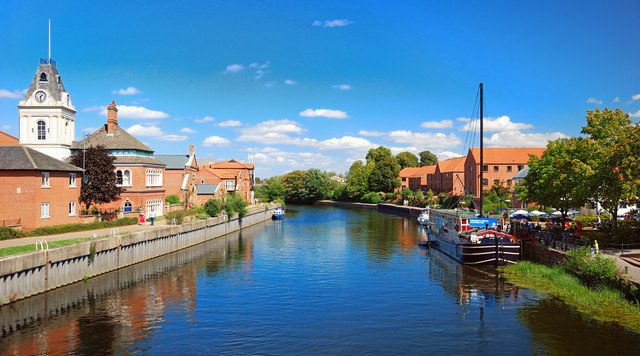
Newark on Trent by Peter Tarleton Wikipedia CC BY-SA 2.0 Newark & the Penny Loaf Day
This post is about Newark & the Penny Loaf, but as it is still Women’s Week, I’d like to share with you a discovery I have just made:
Dorothy Thurtle
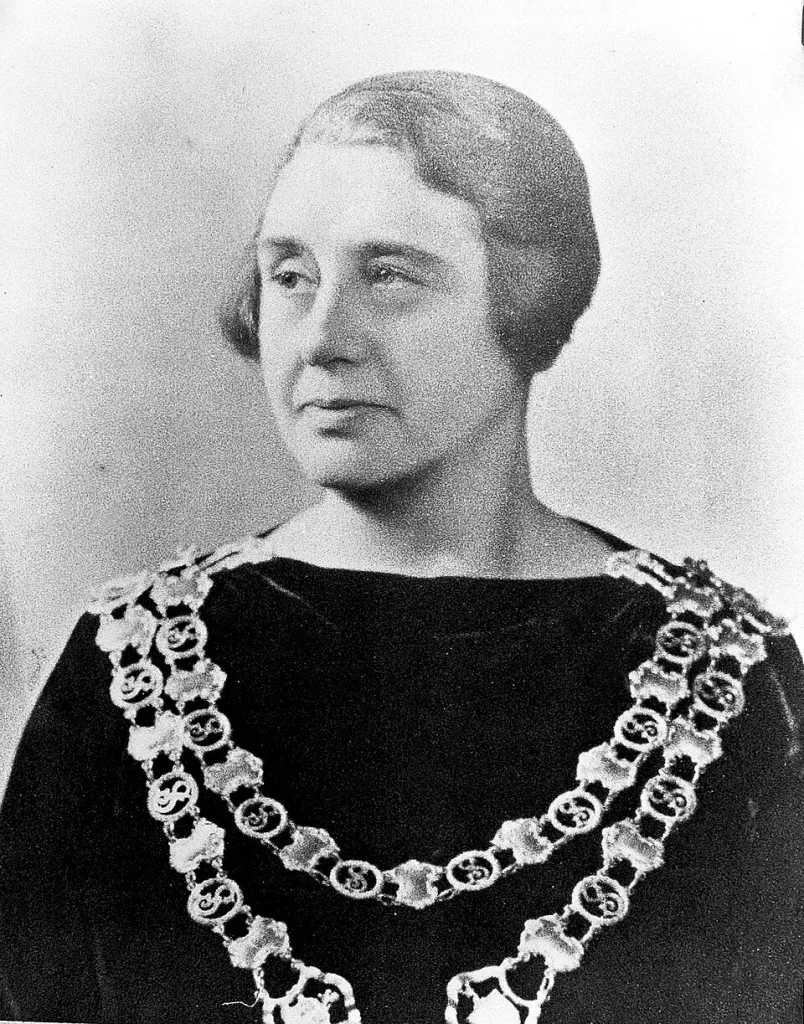
Dorothy Thurtle. By https://wellcomeimages.org/indexplus/obf_images/b5/be/a6cfe553603c25fd36627e6c24d4.jpgGallery: https://wellcomeimages.org/indexplus/image/L0026656.html, CC BY 4.0, https://commons.wikimedia.org/w/index.php?curid=36012910
By chance, a few days after International Women’s Day, I was reading the Hackney Society’s Newsletter and read about some canon bollards in Shoreditch Park, in the Dorothy Thurtle Memorial Garden. Well, my nearest Bus Stop is Thurtle Street, which always seemed a strange turtle-like name. So, I looked her up!
Turns out she was a pioneer of the Labour Party. Also, daughter of the great George Lansbury. And a redoubtable pioneer of contraception, and abortion rights. Her opinion was that the Labour Party’s commitment to equality between the sexes made no sense unless it supported contraception and legal abortion. She and her husband, Ernest, founded the Workers’ Birth Control Group. Dorothy was general secretary of Shoreditch Trades Council and Labour Party, became a councillor and eventually Mayor of Shoreditch. She was the only supporter of Abortion Law reform on the Birkett Committee, and issued an influential dissenting report. In her report, she ‘argued that because many married women would face pregnancy every one or two years until their menopause, withholding access to fertility advice and birth control was “a form of class discrimination and penalisation”‘ (Wikipedia). World War 2 delayed any reform.
George Lansbury making a speech. By LSE Library – Flickr: George Lansbury, c1935, Public Domain, https://commons.wikimedia.org/w/index.php?curid=31131566
Dorothy’s father was originally a Radical Liberal Party member. He then joined the Labour Party and became an MP for Bow and Bromley in 1910. During the struggle for Women’s Suffrage he was imprisoned. He was also imprisoned in the Poplar Rates Revolt of 1921. (He was the first labour Mayor of Poplar). After Ramsay MacDonald joined the National Government, Lansbury replaced MacDonald. He lead the few remaining ‘loyal’ Labour Party members who would not join a Conservative dominated Government. He was elected leader from 1932 to 1935, with Clement Atlee as his deputy. Lansbury was a life long Pacifist and so stood down in 1935, as he was out of step with the need for rearming with the rise of Fascism. Atlee became leader.
Canon Bollards
Smithfield., Canon Bollards Photo K Flude)Canon Bollards in Cloth Fair (photo K Flude)
Canon Bollards are made of repurposed canons from the British Navy. They are sometimes hard to distinguish from those made from repurposed canon moulds, or bollards that are designed to look like canons.
Newark in the Civil War
I will move the Dorothy Thurtle content to International Women’s Day, by next year. Which leaves us with an abrupt change of subject! On the 11th March 1644, the Parliamentary forces were besieging the Royalist-held Newark-on-Trent. Newark was a strategic centre as it was on the River Trent and on a major road junction. Here, the Great North Road (A1 from London to the North) and the Fosse Way (from Exeter, via the Cotswolds to Leicester) meet. It was vital for the King, as the roads linked Chester and York to Oxford. Oxford was the King’s HQ; Chester was the key to Wales and the North West. York controlled access to the North East.
Newark withheld three sieges and only ‘fell’ when King Charles I surrendered. The Castle and other military defences were slighted.
Newark & the Penny Loaf & Hercules Clay,
During the second siege, in 1644, Hercules Clay dreamt that his house was on fire. He ignored the dream at first. Then it repeated, so he took his family out of the house (next door to the Town Hall).
Shortly after, a ‘bombshell’ hit his house, fired by the Parliamentary side. Because of his miraculous delivery, he left £100 in his will for a distribution of ‘penny loaves’ to the poor of Newark. His Will said:
‘Upon the 11th day of March yearly forever upon which day it pleased God of his infinite mercy wonderfully to preserve me and my wife from a fearful destruction by a terrible blow of a granado in the time of the last siege’
And also he left £100 for a commemorative sermon to be read on the anniversary of the incident. The service is normally held on the closest Sunday to the 11th March. The Church is being refurbished, so instead they had an event in the Town Hall and a procession.
Clay was a Mercer and a Royalist. After his death he was fined for lending £600 for the maintenance of the Royalist Garrison. It was paid by his brother.
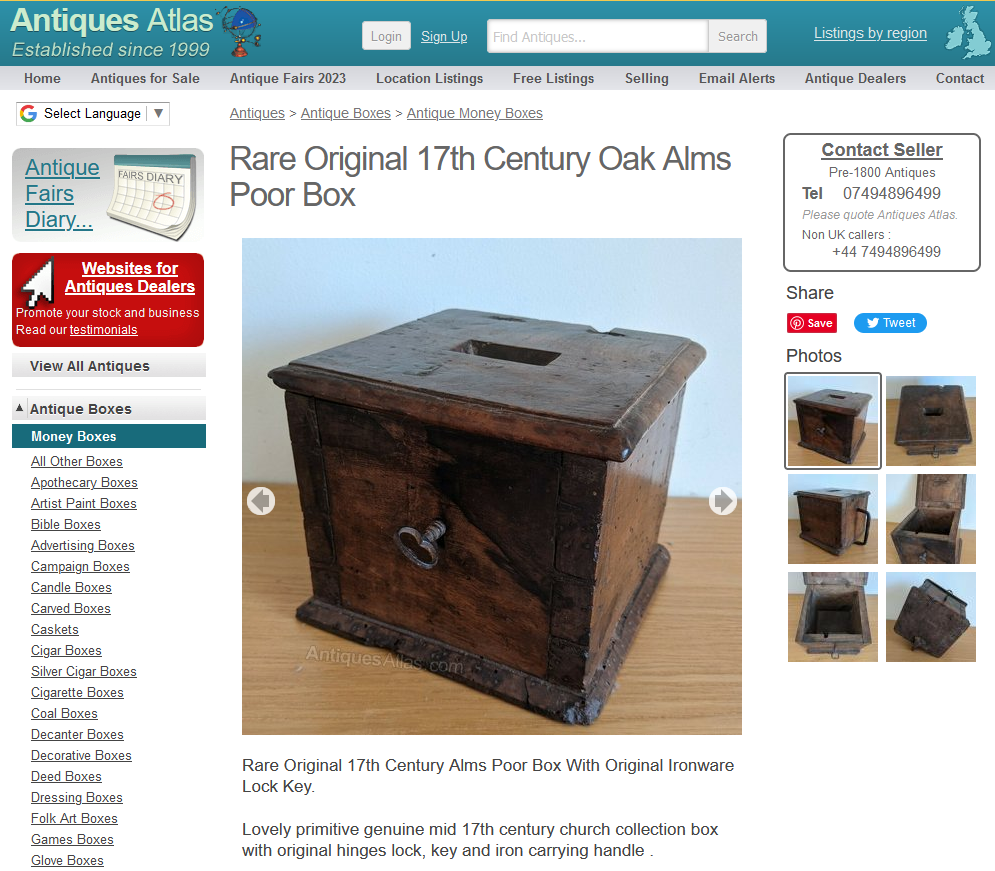
At the time Churches had poor or bread boxes into which the women of the Parish would place loaves for the poor.
Auction Web site showing 17th Century Poor Box used for holding loaves for the poor
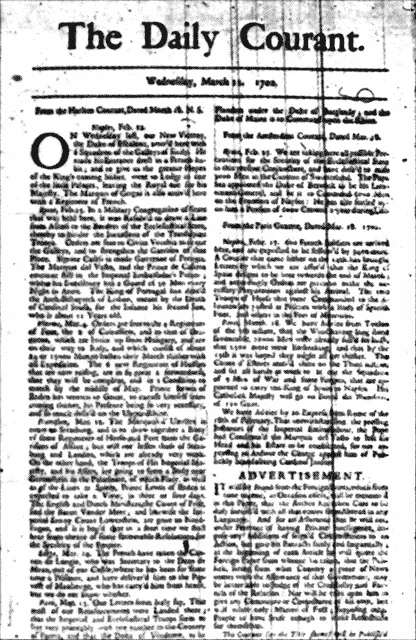
1702 – Elizabeth Mallet published the first English daily newspaper the Daily Courant, on Fleet Bridge, next to the King’s Arms. She, previously, dominated the publishing of ‘last dying speeches’ of people executed at Tyburn.
The Daily Courant By Edward Mallet from rooms above the White Hart pub in Fleet Street – The Daily Courant, Public Domain, https://commons.wikimedia.org/w/index.php?curid=880402. Elizabeth Mallet published under a male name.
1941 – Roosevelt signed the Lend-Lease Bill – this was a life-line to the UK as it enabled the supply of war materials to flow to Britain who stood alone, in Europe, against fascism. see my post for Roosevelt’s 4 freedoms.
1985 – Mikhail Gorbachev, appointed General Secretary of the USSR
First written in 2024, revised 2025, Thurtle and Lansbury and On This Day added in 2026
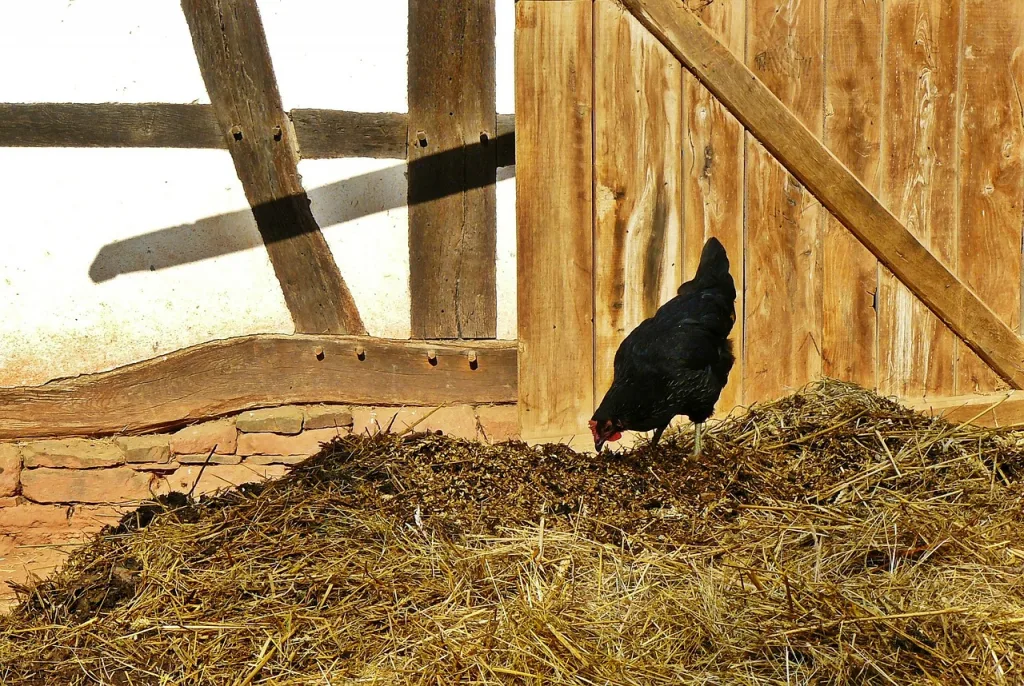
John Worlidge knew all about dung. And it is all spread out in his ‘Worlidge Systema Agriculurae’ of 1697 brought to my attention by Charles Kightly’s Perpetual Almanac.
Worlidge tells us that although it used not be esteemed, but Hens and Pigeons’s Dung is the best if mixed with common earth or sand, and let to rot. He says:
Pigeons or Hens dung is incomparable, one Load is worth ten Load of other Dung, and therefore it’s usually sown on Wheat (or Barly) that lieth afar off, and not easily to be helped; it’s extraordinary likewise on a Hop-garden.
… It’s generally little set by, because our Fore-fathers did not make any great matter of it, and because they understand not the strength and power of it; for when they take it out of the houses it’s of a very hot nature, and must needs injure some things, if laid thereon; but if it be mixed well with common Earth, Sand, or such-like, and let lie till it rot well together, you will finde it a very rich Manure, and of value to answer a great part of your Poultreys expence.
I have known a Quince-tree whereon Poultrey always pearched, that by reason of the Rain washing to its Roots the salt and fatness of the Dung, did bear yearly an incredible number of very excellent Quinces.
Mr. Camel is fascinated by his friend Dilbert Dung Beetle’s diet.
He thinks eating up excrement, feces and manure is a riot.
It is tasty! Delicious! You should try a salty elephant pie!
Dilbert Dung Beetle says. You would love it if you gave it a try!

Mr. Camel watches Dilbert dig in, gulping down gobs of the stuff.
He thinks it must have a weird smell, but Dilbert can’t get enough.
You might sample a tiny bit Dilbert says, it is delicious you see!
Mr. Camel shakes his head and says “Sorry, it does not appeal to me.”
Homemade Quince J am (just out of the freezerHomemade Quince Jelly
I made quince jam this winter for the third year running from my Father’s Tree. Likely to be the last year as he is 98 and has just gone into a lovely home. It’s very easy to make (although very hard to cut up the fruit) and delicious because it is not too sweet. Here is a recipe (not necessarily the one I used}. Indeed, my most successful year was when I didn’t use a recipe, just boiled the fruit with sugar to taste. Beginner’s Luck, I expect.
Quince is mentioned once in Shakespeare, when the Nurse says the pastry makers are calling for Quince and Dates. (Here is a recipe for Tudor Quince Pie) And of course, the mechanicals theatre director is Peter Quince the Carpenter. But the most famous reference is in the Owl and the Pussycat by Edward Lear.
They dined on mince, and slices of quince Which they ate with a runcible spoon; And hand in hand, on the edge of the sand, They danced by the light of the moon.
Quinces are native to the Caspian Seas, and Wikipedia says spread to England when planted at the Tower of London at the order of Edward I. Quinces were sacred to Aphrodite. and taste great with Cheese (dulce de membrillo) if you are in Span. The Balkans have an aqua vita called rakija. Quince is considered old-fashioned and not grown very much in gardens in the UK.
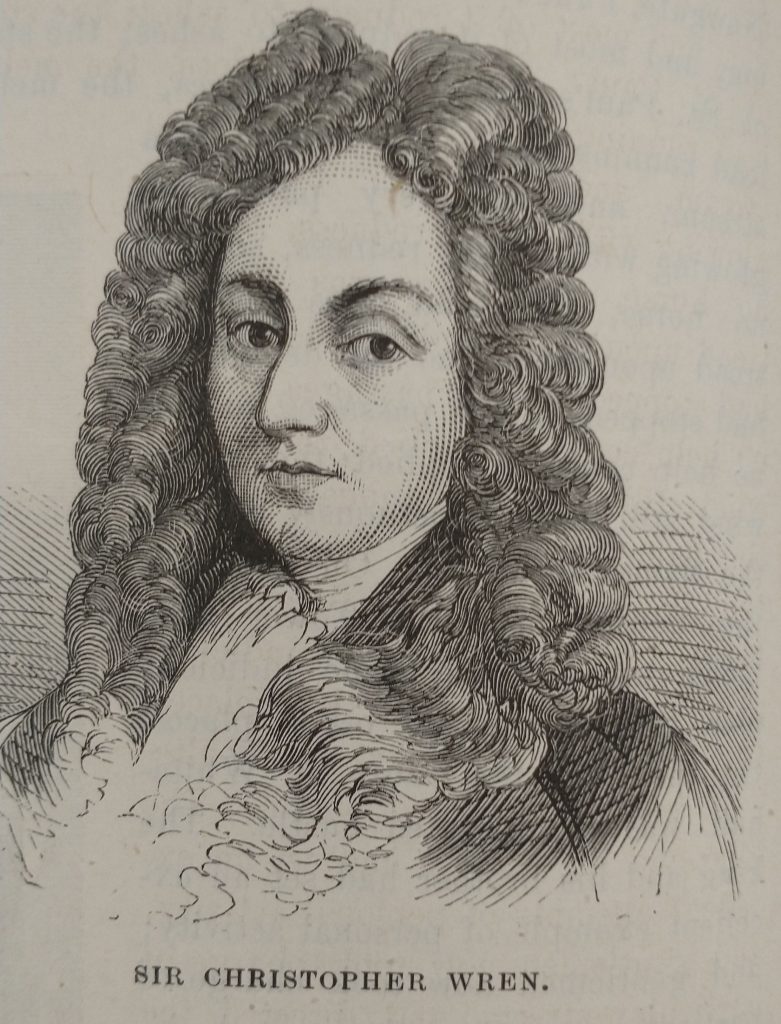
John Evelyn is, with Pepys and Wren, one of the great figures of 17th Century London. Unlike Pepys, he was an avowed Royalist who hated Oliver Cromwell and all he stood for. He went into exile with his King and gives a great description of Paris (see below).
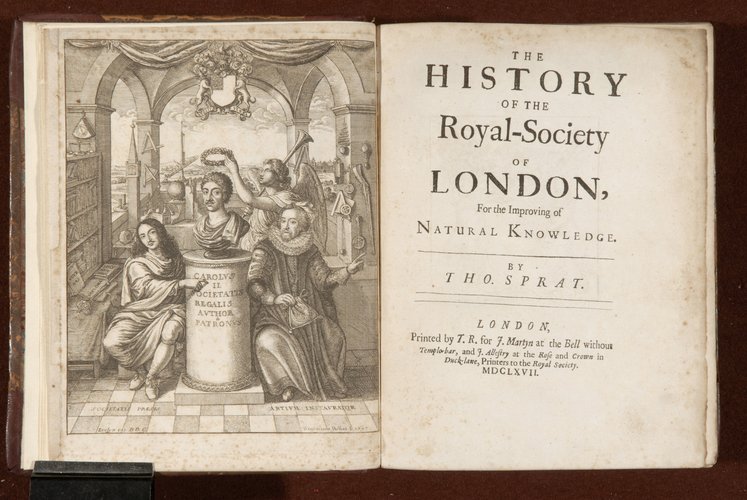
Like Pepys, John Evelyn was a diarist and a writer. And they, like Wren, were alumni of the Royal Society, one of the great scientific societies. John Evelyn was a founding fellow. It was innovative in that it employed an experimenter. This was Robert Hooke – one of the great early Scientists, who also worked with Wren rebuilding London after the Great Fire. The Royal Society encouraged scientists to experiment, write up their observations, and submit their theories for peer review. This is the foundation of modern Science, and a bedrock of the Enlightenment.
Frontispiece of ‘the History of the Royal-Society of London by Thomas Sprat. John Evelyn was a founder member
Evelyn the Writer.
John Evelyn has a place in my history because, in the 1980’s I worked. with Paul Herbert, on a project to create an interactive history of London. It was financed by Warner Brothers, and in cooperation with the short-lived ‘BBC Interactive TV Unit’. One part of it was a Literary Tour of London. The first half of this Tour is the basis for my book ‘In Their Own Words’ (To buy click here ) And this is where I came across John Evelyn using several of the quotations on this page.
Evelyn was a prolific traveller and a polymath. He wrote on the need to improve London’s architecture and air in Fumifugium (or The Inconveniencie of the Aer and Smoak of London Dissipated). Here is an extract from his Furmifugium.
‘That this Glorious and Antient City, which from Wood might be rendred Brick, and (like another Rome) from Brick made Stone and Marble; which commands the Proud Ocean to the Indies, and reaches to the farthest Antipodes, should wrap her stately head in Clowds of Smoake and Sulphur, so full of Stink and Darknesse, I deplore with just Indignation.
That the Buildings should be compos’d of such a Congestion of mishapen and extravagant Houses; That the Streets should be so narrow and incommodious in the very Center, and busiest places of Intercourse: That there should be so ill and uneasie a form of Paving under foot, so troublesome and malicious a disposure of the Spouts and Gutters overhead, are particulars worthy of Reproof and Reformation; because it is hereby rendred a Labyrinth in its principal passages, and a continual Wet-day after the Storm is over. ‘
And he was an expert on trees. Author of: Sylva, or A Discourse of Forest-Trees (1664). He lived at Sayes Court in Depford near Greenwich, which he ill-advisedly rented to Peter the Great of Russia. Letting to Peter was a lot-like inviting a 1960s Rock Band to trash your mansion.
John Evelyn the Exile
Here is a taste of Evelyn’s time as an Exile. It is a short extract from a long entry on the splendid Palaces in and around Paris.
27th February, 1644. Accompanied with some English gentlemen, we took horse to see St. Germains-en-Laye, a stately country house of the King, some five leagues from Paris. By the way, we alighted at St. Cloud, where, on an eminence near the river, the Archbishop of Paris has a garden, for the house is not very considerable, rarely watered and furnished with fountains, statues,[and groves; the walks are very fair; the fountain of Laocoon is in a large square pool, throwing the water near forty feet high, and having about it a multitude of statues and basins, and is a surprising object. But nothing is more esteemed than the cascade falling from the great steps into the lowest and longest walk from the Mount Parnassus, which consists of a grotto, or shell-house, on the summit of the hill, wherein are divers waterworks and contrivances to wet the spectators; this is covered with a fair cupola, the walls painted with the Muses, and statues placed thick about it, whereof some are antique and good. In the upper walks are two perspectives, seeming to enlarge the alleys, and in this garden are many other ingenious contrivances.
This was Evelyn’s reaction when Charles II was restored to the throne in 1660,
May 29th 1660:
This day came in his Majestie Charles the 2d to London after a sad, and long exile… this was also his birthday, and with a Triumph of above 20,000 horse and foote, brandishing their swords and shouting with unexpressable joy; the wayes strawed with flowers, the bells ringing, the streets hung with Tapisry, fountains running with wine: ‘
‘The mayor, Aldermen, all the companies in their liveries, chaines of gold, banners, Lords and nobles, cloth of Silver, gold and velvet every body clad in, the windows and balconies all set with Ladys, Trumpetes, Musik, and myriads of people … All this without one drop of bloud …it was the Lords doing…
1661 – ‘Ash Wednesday. Preached before the King the Bishop of London (Dr. Sheldon) on Matthew xviii. 25, concerning charity and forgiveness.‘
John Evelyn’s Diary Dr Sheldon, the Bishop of London mentioned above, went on to become Archbishop of Canterbury. He was a friend of Wren’s Father, and commissioned Wren to build the Sheldonian Theatre, in Oxford.
1782 – OK! Let’s give up! The House of Commons votes against continuing the war with Revolutionary America.
1900 – The Labour Party is founded. And today, the UK woke up to a by-election in a safe Labour seat won by the Greens (40%) with Reform 2nd (29%) and the Labour Party third (26%) Conservatives fourth (2%). So, clearly a progressive vote determined to beat Reform, Labour won about 50% of the vote last time, so a disaster for them. Not a success for Reform, and bad result for the Conservatives.
1933 – Reichstag burns down. Hitler uses it to suspend Civil Liberties, and attack the German Communist Party which was falsely blamed for the fire.
First Published 2024, republished 2025, Making Lardy Cake moved to Fat Thursday and On This Day added 2026
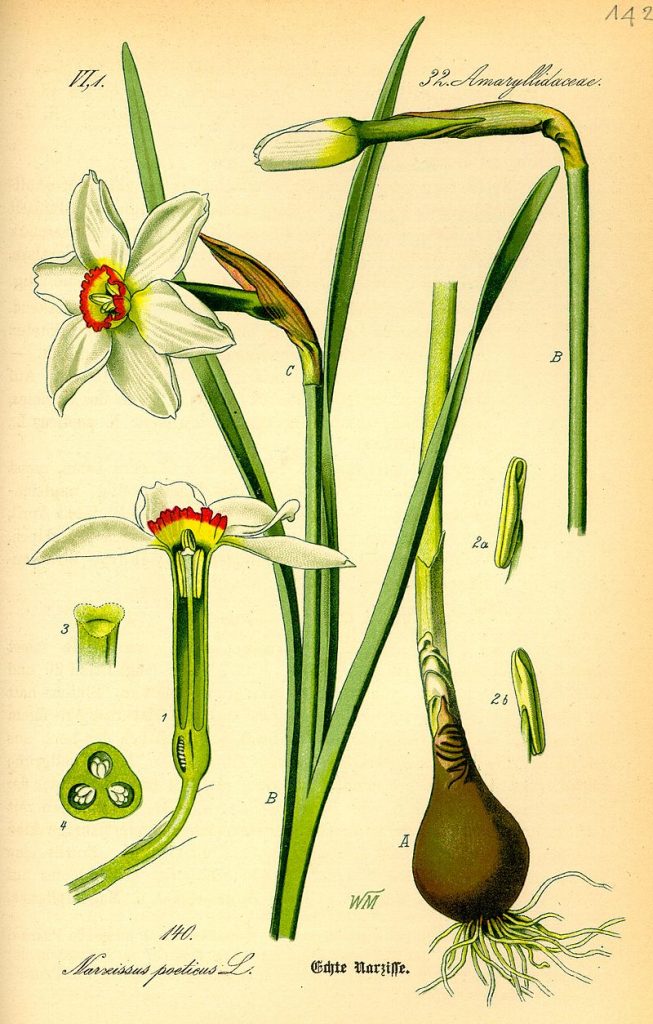
Daffodils & Narcissus. In 2023, I saw my first Daffodil in Hackney in a Council Estate on 12 January. My first daffodil in 2024 was outside my first floor window in early February. On February 11th, 2025, I saw the shoots of Daffodils in my garden but nothing blooming. However, there were daffodils on another Council Estate. In 2026, my first daffodil came out in early January. And the Estates and Parks around have been showing daffodils since late January. They bring such joy and hope for the return of the Sun.
12 Jan 2023. Hackney, London, the first Daffodil.
Narcissus the Flower
Their formal name is Narcissus. The Roman natural historian, Pliny tells us that the plant was:
‘named Narcissus from narkē not from the fabulous boy.’
Narkē is the Greek word from which we derive the word narcotic. It is a reference to the narcotic properties of the narcissus. An extract of the bulb applied to open wounds produced numbness of the whole nervous system and paralysis of the heart. The flowers are also slightly poisonous. So, they were used as an emetic. They brought on vomiting when it was felt necessary that the stomach be emptied. It was used to treat hysteria and epilepsy. They treated children with bronchial catarrh or epidemic dysentery. Among Arabian doctors, it was used to cure baldness and as an aphrodisiac. (Source: A Modern Herbal by Mrs M Grieve.) Please remember these are not recommendations for use medicinally, but are historic uses and may be dangerous.
The Fabulous Boy
The fabulous boy, mentioned by Pliny, was Narcissus. He, according to the Roman Poet Ovid, met the nymph Echo, and she fell in love with the beautiful boy. He spurned her, and she faded until all that remained of her was her voice – the echo we hear.
Nemesis, the Goddess of Revenge (the one with the fiery sword) decided on revenge upon the handsome boy. She lured the thirsty youth to a fountain, where, in the pool around the fountain, he saw an image of a breathtakingly handsome boy. He fell instantly in love with such beauty. But it was an image of himself. Realising he would never meet anyone as fabulous as himself, he faded from life. He eventually metamorphised into a white and yellow flower, which was named after him.
Nemesis, with her fiery sword, from the painting on the Staircase at Hampton Court by Antonio Verrio, Photo K Flude
Daffodils & Shakespeare
Daffodils are mentioned in a list of Spring Flowers by Shakespeare in the pastoral play The Winter’s Tale:
(Please note that as you read Shakespeare’s words below that Prosperpina is the wife of Pluto, the God of the Underworld, Dis, is another name for him, Cytherea is the Goddess of Beauty and Love. Phoebus is the Sun God. And the Spring Flowers are Daffodils, violets, primroses, oxlips (primula), Crown Imperial (Fritillaria imperialis), Lilies, flower-De-luce (Iris)
Perdita to Camillo
Out, alas! You’d be so lean that blasts of January Would blow you through and through. (To Florizel) I would I had some flowers o’th’ spring, that might Become your time of day – (to the Shepherdesses) That wear upon your virgin branches yet Your maidenheads growing. O Proserpina, For the flowers now that, frighted, thou let’st fall From Dis’s waggon! Daffodils, That come before the swallow dares, and take The winds of March with beauty; violets, dim, But sweeter than the lids of Juno’s eyes Or Cytherea’s breath; pale primroses, That die unmarried ere they can behold Bright Phoebus in his strength – a malady Most incident to maids; bold oxlips and The crown imperial; lilies of all kinds, The flower-de-luce being one: O, these I lack To make you garlands of, and my sweet friend To strew him o’er and o’er!
WT IV.iv.110.2
The reference to Daffodils suggests that for Shakespeare they are around to withstand the March Winds before the Swallows arrive in April. With selective breeding, early flowering species have been developed. Now February and even January are within the scope of the glorious bulb. (here is a post on winter flowering varieties). For my post on Shakespeare & Winter see here.
Once a noisy Nymph, (who never held her tongue when others spoke, who never spoke till others had begun) mocking Echo, spied him as he drove, in his delusive nets, some timid stags.—For Echo was a Nymph, in olden time,—and, more than vapid sound,—possessed a form: and she was then deprived the use of speech, except to babble and repeat the words, once spoken, over and over. Juno confused her silly tongue, because she often held that glorious goddess with her endless tales, till many a hapless Nymph, from Jove’s embrace, had made escape adown a mountain.
But for this, the goddess might have caught them. Thus the glorious Juno, when she knew her guile; “Your tongue, so freely wagged at my expense, shall be of little use; your endless voice, much shorter than your tongue.” At once the Nymph was stricken as the goddess had decreed;—and, ever since, she only mocks the sounds of others’ voices, or, perchance, returns their final words.
One day, when she observed Narcissus wandering in the pathless woods, she loved him and she followed him, with soft and stealthy tread.—The more she followed him the hotter did she burn, as when the flame flares upward from the sulphur on the torch. Oh, how she longed to make her passion known! To plead in soft entreaty! to implore his love! But now, till others have begun, a mute of Nature she must be. She cannot choose but wait the moment when his voice may give to her an answer. Presently the youth, by chance divided from his trusted friends, cries loudly, “Who is here?” and Echo, “Here!” Replies. Amazed, he casts his eyes around, and calls with louder voice, “Come here!” “Come here!” She calls the youth who calls.—He turns to see who calls him and, beholding naught exclaims, “Avoid me not!” “Avoid me not!” returns. He tries again, again, and is deceived by this alternate voice, and calls aloud; “Oh let us come together!” Echo cries, “Oh let us come together!” Never sound seemed sweeter to the Nymph, and from the woods she hastens in accordance with her words, and strives to wind her arms around his neck.
He flies from her and as he leaves her says, “Take off your hands! you shall not fold your arms around me. Better death than such a one should ever caress me!” Naught she answers save, “Caress me!” Thus rejected she lies hid in the deep woods, hiding her blushing face with the green leaves; and ever after lives concealed in lonely caverns in the hills. But her great love increases with neglect; her miserable body wastes away, wakeful with sorrows; leanness shrivels up her skin, and all her lovely features melt, as if dissolved upon the wafting winds—nothing remains except her bones and voice—her voice continues, in the wilderness; her bones have turned to stone. She lies concealed in the wild woods, nor is she ever seen on lonely mountain range; for, though we hear her calling in the hills, ’tis but a voice, a voice that lives, that lives among the hills.
Thus he deceived the Nymph and many more, sprung from the mountains or the sparkling waves; and thus he slighted many an amorous youth.—and therefore, some one whom he once despised, lifting his hands to Heaven, implored the Gods, “If he should love deny him what he loves!” and as the prayer was uttered it was heard by Nemesis, who granted her assent.
There was a fountain silver-clear and bright, which neither shepherds nor the wild she-goats, that range the hills, nor any cattle’s mouth had touched—its waters were unsullied—birds disturbed it not; nor animals, nor boughs that fall so often from the trees. Around sweet grasses nourished by the stream grew; trees that shaded from the sun let balmy airs temper its waters. Here Narcissus, tired of hunting and the heated noon, lay down, attracted by the peaceful solitudes and by the glassy spring.
There as he stooped to quench his thirst another thirst increased. While he is drinking he beholds himself reflected in the mirrored pool—and loves; loves an imagined body which contains no substance, for he deems the mirrored shade a thing of life to love. He cannot move, for so he marvels at himself, and lies with countenance unchanged, as if indeed a statue carved of Parian marble. Long, supine upon the bank, his gaze is fixed on his own eyes, twin stars; his fingers shaped as Bacchus might desire, his flowing hair as glorious as Apollo’s, and his cheeks youthful and smooth; his ivory neck, his mouth dreaming in sweetness, his complexion fair and blushing as the rose in snow-drift white. All that is lovely in himself he loves, and in his witless way he wants himself:—he who approves is equally approved; he seeks, is sought, he burns and he is burnt.
And how he kisses the deceitful fount; and how he thrusts his arms to catch the neck that’s pictured in the middle of the stream! Yet never may he wreathe his arms around that image of himself. He knows not what he there beholds, but what he sees inflames his longing, and the error that deceives allures his eyes. But why, O foolish boy, so vainly catching at this flitting form? The cheat that you are seeking has no place. Avert your gaze and you will lose your love, for this that holds your eyes is nothing save the image of yourself reflected back to you. It comes and waits with you; it has no life; it will depart if you will only go.
Nor food nor rest can draw him thence—outstretched upon the overshadowed green, his eyes fixed on the mirrored image never may know their longings satisfied, and by their sight he is himself undone. Raising himself a moment, he extends his arms around, and, beckoning to the murmuring forest; “Oh, ye aisled wood was ever man in love more fatally than I? Your silent paths have sheltered many a one whose love was told, and ye have heard their voices. Ages vast have rolled away since your forgotten birth, but who is he through all those weary years that ever pined away as I?
Alas, this fatal image wins my love, as I behold it. But I cannot press my arms around the form I see, the form that gives me joy. What strange mistake has intervened betwixt us and our love? It grieves me more that neither lands nor seas nor mountains, no, nor walls with closed gates deny our loves, but only a little water keeps us far asunder. Surely he desires my love and my embraces, for as oft I strive to kiss him, bending to the limpid stream my lips, so often does he hold his face fondly to me, and vainly struggles up. It seems that I could touch him. ‘Tis a strange delusion that is keeping us apart. Whoever thou art, Come up! Deceive me not! Oh, whither when I fain pursue art thou? Ah, surely I am young and fair, the Nymphs have loved me; and when I behold thy smiles I cannot tell thee what sweet hopes arise. When I extend my loving arms to thee thine also are extended me—thy smiles return my own.
When I was weeping, I have seen thy tears, and every sign I make thou cost return; and often thy sweet lips have seemed to move, that, peradventure words, which I have never heard, thou hast returned. No more my shade deceives me, I perceive ‘Tis I in thee—I love myself—the flame arises in my breast and burns my heart—what shall I do? Shall I at once implore? Or should I linger till my love is sought? What is it I implore? The thing that I desire is mine—abundance makes me poor. Oh, I am tortured by a strange desire unknown to me before, for I would fain put off this mortal form; which only means I wish the object of my love away. Grief saps my strength, the sands of life are run, and in my early youth am I cut off; but death is not my bane—it ends my woe.—I would not death for this that is my love, as two united in a single soul would die as one.”
He spoke; and crazed with love, returned to view the same face in the pool; and as he grieved his tears disturbed the stream, and ripples on the surface, glassy clear, defaced his mirrored form. And thus the youth, when he beheld that lovely shadow go; “Ah whither cost thou fly? Oh, I entreat thee leave me not. Alas, thou cruel boy thus to forsake thy lover. Stay with me that I may see thy lovely form, for though I may not touch thee I shall feed my eyes and soothe my wretched pains.” And while he spoke he rent his garment from the upper edge, and beating on his naked breast, all white as marble, every stroke produced a tint as lovely as the apple streaked with red, or as the glowing grape when purple bloom touches the ripening clusters.
When as glass again the rippling waters smoothed, and when such beauty in the stream the youth observed, no more could he endure. As in the flame the yellow wax, or as the hoar-frost melts in early morning ‘neath the genial sun; so did he pine away, by love consumed, and slowly wasted by a hidden flame. No vermeil bloom now mingled in the white of his complexion fair; no strength has he, no vigor, nor the comeliness that wrought for love so long: alas, that handsome form by Echo fondly loved may please no more.
But when she saw him in his hapless plight, though angry at his scorn, she only grieved. As often as the love-lore boy complained, “Alas!” “Alas!” her echoing voice returned; and as he struck his hands against his arms, she ever answered with her echoing sounds. And as he gazed upon the mirrored pool he said at last, “Ah, youth beloved in vain!” “In vain, in vain!” the spot returned his words; and when he breathed a sad “farewell!” “Farewell!” sighed Echo too. He laid his wearied head, and rested on the verdant grass; and those bright eyes, which had so loved to gaze, entranced, on their own master’s beauty, sad Night closed. And now although among the nether shades his sad sprite roams, he ever loves to gaze on his reflection in the Stygian wave. His Naiad sisters mourned, and having clipped their shining tresses laid them on his corpse: and all the Dryads mourned: and Echo made lament anew. And these would have upraised his funeral pyre, and waved the flaming torch, and made his bier; but as they turned their eyes where he had been, alas he was not there! And in his body’s place a sweet flower grew, golden and white, the white around the gold.
Elbridge signed a bill which created a voting district packed with voters for the Democratric-Republican Party. It was said to be shaped like a salamander, and so by joining his name to the last part of salamander the name gerrymandering was created. Gerry was Vice-President under Madison. Please, could someone tell me how gerrymandering is at all compatible with Democracy and the Constitution of the United States? And why it is tolerated in so brazen a fashion?
1826 – University College London was founded.
It was originally called London University. Until this time, England only had Oxford and Cambridge as Universities. In order to attend or teach, the candidates had to belong to the Church of England. ‘No Catholics, No Jews, no Hindus’. But UCL was created to be open to all faiths. This alarmed conservatives so much that they founded King’s College in London as a counterweight. This created a collegiate University of London, which now has 17 constituent colleges. Imperial College left the federation to become a separate University in 2007. It now brands itself as ‘A world-leading university. 2nd in the world, 1st in the UK and Europe’. Here is a promo for the 200th Anniversary of UCL. I’m proud to have been an honorary lecturer for a few years.
1945 – Yalta Conference agrees to set up the United Nations to help prevent future World Wars.
1975 – Mrs Thatcher defeats Ted Heath to become leader of the Conservative Party.
First published in February 2023, revise and republished in February 2024, 2025, 2026
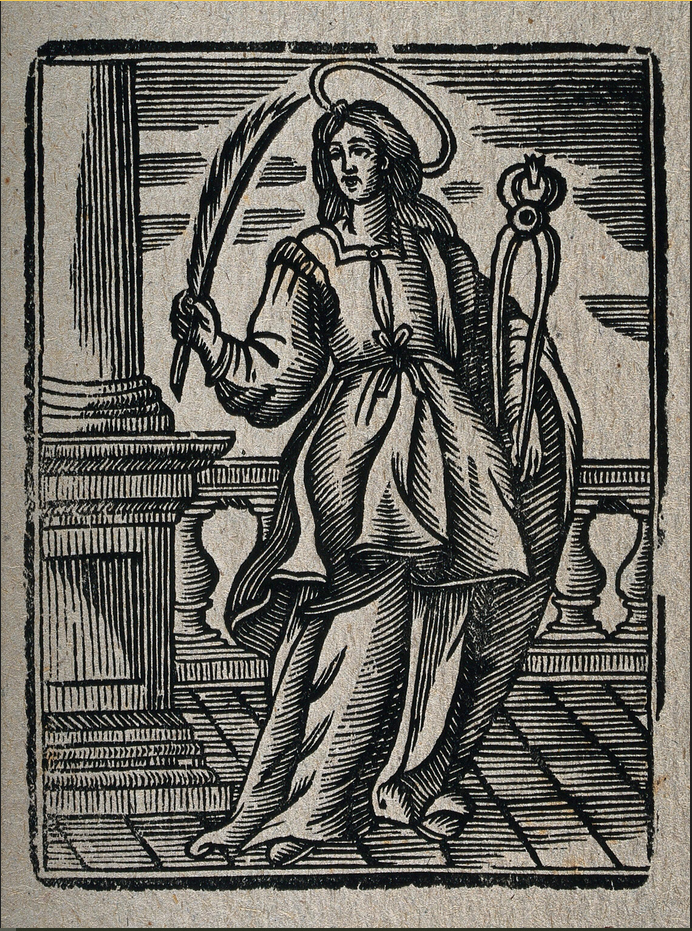
Saint Apollonia. Woodcut. Saint of Toothache Wellcome Collection. Public Domain Mark. She is shown with forceps, extracted tooth and the martyr’s palm.
The 9th of February is the Feast of St Apollonia. She was martyred at Alexandria in 249 AD during the persecution of Emperor Decius. (see also my post on St Agatha) She was attacked during an anti-Christian riot and struck around the face knocking her teeth out. Then, she was taken to a bonfire and told they would throw her in if she did not renounce her faith. So, without waiting, she spoke a prayer and walked into the fire. This information is recorded in a near-contemporary letter from St Dionysius of Alexandria. This is rare well documented martyrdom. Because her teeth were knocked out she is, therefore, Saint of Toothache.
Suicide or Martyrdom?
St Augustine of Hippo touches on this spat of martyrs, often young women, killing themselves rather than losing their virginity, or like St Apollonia embracing death in the face of violent persecution. His answer is that like Samson, they are commanded by God to take their own lives, which is ok. Elsewhere, he condemns suicide as it is against the commandment ‘Thou shalt not kill’. He explains that God did not add ‘thy neighbour’ to it so it also forbids killing oneself. By contrast, it was added to ‘Thou shalt not bear false witness against thy neighbour’. The rest of St Augustine’s argument comes from Plato’s Phaedo. The introduction to the book on the Project Gutenberg web site sums up the arguments:
According to one explanation, because man is a prisoner, who must not open the door of his prison and run away—this is the truth in a ‘mystery.’ Or (2) rather, because he is not his own property, but a possession of the gods, and has no right to make away with that which does not belong to him.
The Project Gutenberg EBook of Phaedo, by Plato translated by Benjamin Jowett
Cloves for Toothache
I can remember my Grandmother prescribing cloves for me when I had toothache. And this was, and is, a common remedy. In my case, we would keep a clove or two in the mouth close to the site of the pain. According to Natural Ways to Sooth an Toothache cloves contain
‘Eugenol, a natural form of anaesthetic and antiseptic that helps get rid of germs. Eugenol is still used in dental materials today’
Dr John Hall, Shakespeare’s son-in-law, tended to use a pill to soothe sore gums. He also used an oil from a wood called ‘Ol. Lig. Heraclei’ which may be oil from the Bay Tree. (‘John Hall and his Patients’ by Joan Lane). Most of his tooth cases seem to be sore gums. This suggests to me Dr John Hall did not generally do dental work.
Death by Toothache
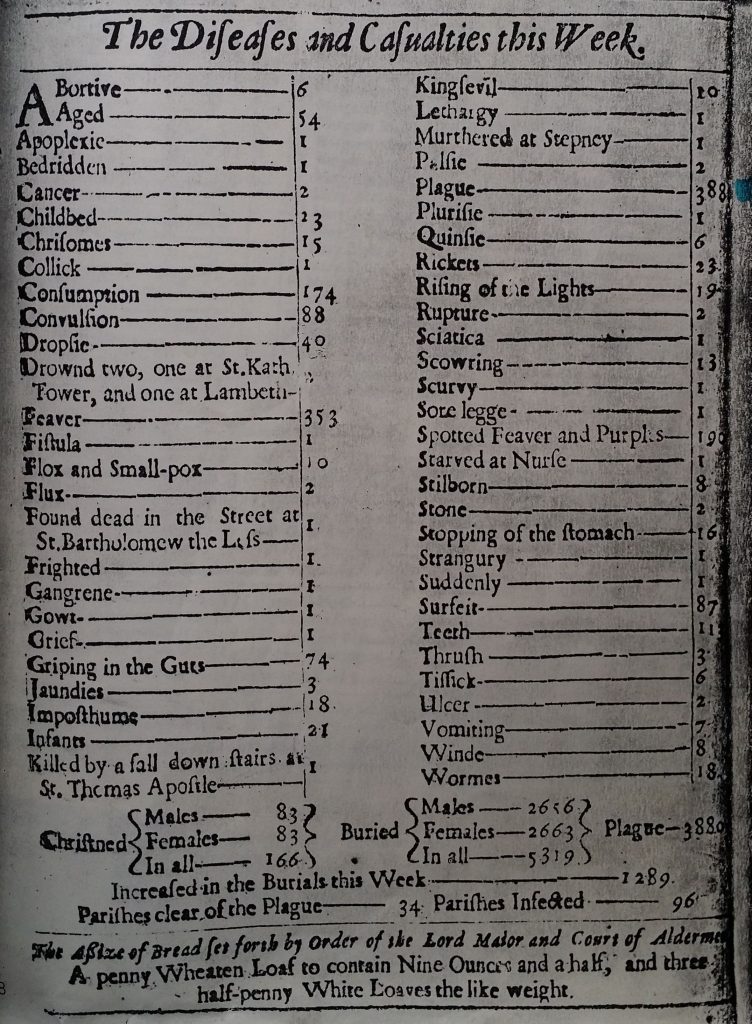
To get a tooth drawn you could go to a Barber Surgeon, a Blacksmiths or specialist Tooth Drawer. It would be terrifyingly painful. Probably only done when the pain was unbearable. Just think what a premium you would pay for a really competent drawer? The drawers would not have any formal training, but the skills would be passed on by the drawer to his apprentice or assistant. ‘Teeth’ was a common cause of death – most likely from infection or an abscess.
List of causes of death, London during the plague of 1665. Teeth killed 11 people
Magic and Toothache
John Aubrey, an erudite and educated 17th Century writer, reports on the use of Magick for tooth care. When he relates these unlikely cures he often provides information that the person who told him the story is worthy of belief. So he seems to give some credence to the efficacy of these magical ‘cures’. But, judge for yourself; this is what he wrote:
To Cure the Tooth-ach.
Take a new Nail, and make the Gum bleed with it, and then drive it into an Oak. This did Cure William Neal, Sir William Neal’s Son, a very stout Gentleman, when he was almost Mad with the Pain, and had a mind to have Pistoll’d himself.
To Cure the Tooth-ach, out of Mr. Ashmole’s Manuscript Writ with his own Hand.
Mars, hur, abursa, aburse. Iesu Christ for Marys sake, Take away this Tooth-ach.
Write the words, Three times; and as you say the Words, let the Party burn one Paper, then another, and then the last.
He says, he saw it experimented, and the Party immediately Cured
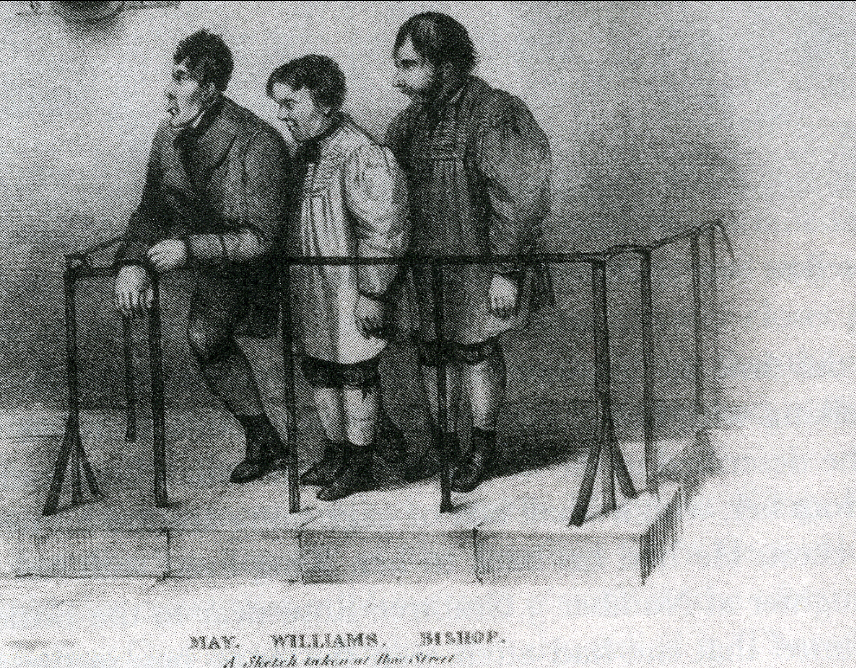
May, Williams and Bishop at the Old Bailey accused of murder in pursuit of bodysnatching
Teeth and the Body-Snatchers
In 1832, in London Bishop, Williams, and May were accused of body snatching. After killing the Italian Boy (wonderful book by Sarah Wise ‘The Italian Boy‘) they jemmied out his teeth. Then, took the teeth to a South London Dentist. with whom they bargained for a good price. (They used the term ‘cheapened’ – I cheap, you cheap, we are cheapening: meaning to barter). The dentist wanted to use the dead boy’s teeth for false teeth for his patients. If memory serves, he paid £1 for them.
The teeth were used as evidence in the trial of the murderers. When the trial was over and the accused punished, the dentist asked for the teeth back! Two of the murderers were hanged but the third freed for turning King’s Evidence. Thereafter, the teeth were released back to the Dentist. He promptly put them in the window of his surgery as an advert for his professional skills!
Earlier, one of the Borough Boys Resurrectionist gang (based in Southwark, London) toured the battlefields of the Peninsular Wars collecting teeth. He made a substantial sum selling them to dentists as false teeth. They became known as Waterloo Teeth.
When I first wrote this in I added ‘How things have changed!’ But in recent years there have been reports of people undertaking their own dental work, if they cannot get access to an NHS dentist. Effectively, it seems that the Conservative Government was allowing dentistry to slip out of the NHS just like it did with eye health. For a study in what has happened to Dentistry in the UK in recent years, please look at this report here.
On This Day
1907 – the National Union of Women’s Suffrage Societies (NUWSS or Suffragists) organised the so-called the Mud March. This was the ‘first large procession’ in support of votes for women. It was called the Mud March because of the downpour of rain on the day.
1916 – Conscription started in World War 1 with the call-up of unmarried men aged between 18 – 41.
1933 – The Oxford Union passed the resolution ‘the House will in no circumstances fight for King and Country.’
Bird of the Month The Blackbird. The common Blackbird is a true Thrush. The male is black with a yellow beak and the female is dark brown with a yellow beak. The Blackbird begins to sing as early as January, and is one of the birds who sing first early in the morning. British Blackbirds do not migrate, but Northern European Blackbirds often migrate to the UK in the winter for warmer weather. Viruses have put the species under some threat and they need help to get through the winter. ArkWildlife suggests this is what you should feed blackbirds:
‘Mealworms A top choice, mimicking their natural insect diet.
Is an 18th Century nursery rhyme which refers to the medieval habit of baking a pie crust, and putting it over a bowlful of live birds. When it was opened all the birds, well sing the song to remind yourself what they do?
Sing a song of sixpence A pocket full of rye Four and twenty blackbirds Baked in a pie When the pie was opened The birds began to sing Wasn’t that a dainty dish To set before the king?
The king was in his counting house Counting out his money The queen was in the parlor Eating bread and honey The maid was in the garden Hanging out the clothes When down came a blackbird And pecked off her nose
Sing a song of sixpence A pocket full of rye Four and twenty blackbirds Baked in a pie When the pie was opened The birds began to sing Wasn’t that a dainty dish To set before the king?
A stinging Cure for Lust
Another story told of the Blackbird is a similar tale I have told before about holymen and temptation. So St Benedict was pecked on the cheek by a Blackbird. Next day he finds himself assailed with lust. It was the Devil disguised as the Blackbird he decides that infected the Monk. Then Benedict did what a number of saints did in similar circumstances. He threw himself, naked, in a patch of nettles and brambles and rolled around, until his body was sore afflicted. But he had overcome his lust.
Then St Kevin held out his hand and a blackbird laid her eggs in it. So he stayed still for the two weeks it took the fledglings to hatch! (for more on St Kevin see my post here)
Icy Sedgwick has an excellent website on the folklore of Birds, containing a nice podcast, which for those who love a north-east accent will enjoy.
John Constable. National Gallery of Art seascape with two sailboats. public domain
‘I am this morning, admitted a student at the Royal Academy; the figure which I drew for admittance was the torso. I‘m now comfortably settled in Cecil Street, Strand number 23. I shall begin painting as soon as I have the loan of a sweet little picture by Jacob Ruysdael to copy. Since I have been in town, I have seen some remarkably fine ones by him. …
Smith’s friend, Clanch has left off painting, at least for the present. His whole time and thoughts are occupied in exhibiting an old, rusty, fusty head with a spike in it, which he declares to be the real embalmed head of Oliver Cromwell. Where he got it, I know not.; ’tis to be seen in Bond Street at half a crown admittance.’
John Constable. Letter to John Dunthorne, 1799. From ‘A London Year. 365 Days of City Life in Diaries, Journals and Letters’ compiled by Travis Elborough and Nick Rennison.
John Constable in London
Constable would have had a short walk to the Royal Academy (in Piccadilly) from the Strand. As a painter, he subsequently spent his summers painting in Suffolk and his winters in London. When his wife became ill with Tuberculosis, they moved to Brighton. But he continued to return to London. Constable lived in a cottage in Hampstead, and is buried in the family tomb at the bottom of the graveyard of St John-at-Hampstead Church in Hampstead.
Royal Academy Photo KFlude
I don’t know what the Torso referred to was, but there was (and still is) a fine collection of plaster casts. The students used these for models.
A fine figure of the older man? Photo by K Flude of Zeus in the basement of the Royal AcademyPrint on display at the Royal Academy of students drawing the sculptures in the Collection. Photographed by K Flude.
Cromwell’s Head
As to the head, it is a fascinating tale, which I partly tell on my Martyrdom of Charles I post. here: But here is more details, relevant to the Constable quote. At the Restoration of Charles II Cromwell’s body was dug up. Then the head was stuck on a pole on top of Westminster Hall. It blew off probably in 1684. The head was on display at a museum, but then no one knows where it was until, in 1799 the Hughes brothers, bought ‘it’ for £230. It was exhibited in Bond Street. Entrance fee was 2 Shillings and 6p. Constable’s acquaintance Clanch who I think is actually John Cranch was the publicist for the event.
The display was not a success because the provenance was not clear. All Cranch could say was Cromwell’s head was the “the only instance of a head cut off and spiked that had before been embalmed; which is precisely the case with respect to the head in question”. But then Henry Ireton’s was also treated thus, and maybe others. A head is now in Cambridge, Sidney Sussex College, which Cromwell attended.
The Wikipedia page on Cromwell’s Head, here., has a very full description of its travels.
Weather Outlook
Feb fill the dyke Either black or white But if with white, ’tis the better to like
If February gives much snow A fine summer, it doth foreshow.
If in February there fall no rain. ‘Tis neither good for hay nor grain.
From The Perpetual Almanack of Folklore by Charles Kightly
On This Day
211 – Roman Emperor Septimius Severus dies at Eboracum (modern York, England). Leaving two sons, Caracalla and Geta, to dispute the succession. For several years York was the HQ for the Roman Emperor.
1555 – John Rogers, Vicar of the Holy Sepulchre Church in London and translator of the Bible, burned at the stake in Smithfield. The first of over 200 English Protestant martyrs condemned in the reign of Mary I. For more about Smithfield burnings see my post here.
1789 – George Washington unanimously elected as the first President of the United States. A great leader, who freed his slaves after his and his wife’s deaths, but who also evaded the rules against selling slaves. To consider the wrongs and rights of the issue look here.
1838 – ‘I walked with my daughter Charlotte across the Serpentine, much to my child’s delight, although I own I did not like to hear the ice cracking under the weight of thousands’.