From the Perpetual Almanack of Folklore by Charles Kightly
I began my perpetual Almanac of the Past four years ago on the 31st October 2021. This was the first line:
‘This blog is to celebrate the Year. I will post, hopefully, once a day, so we can follow the seasons, as they happen naturally, and as people in Britain and Ireland have responded to the changes in the year.’
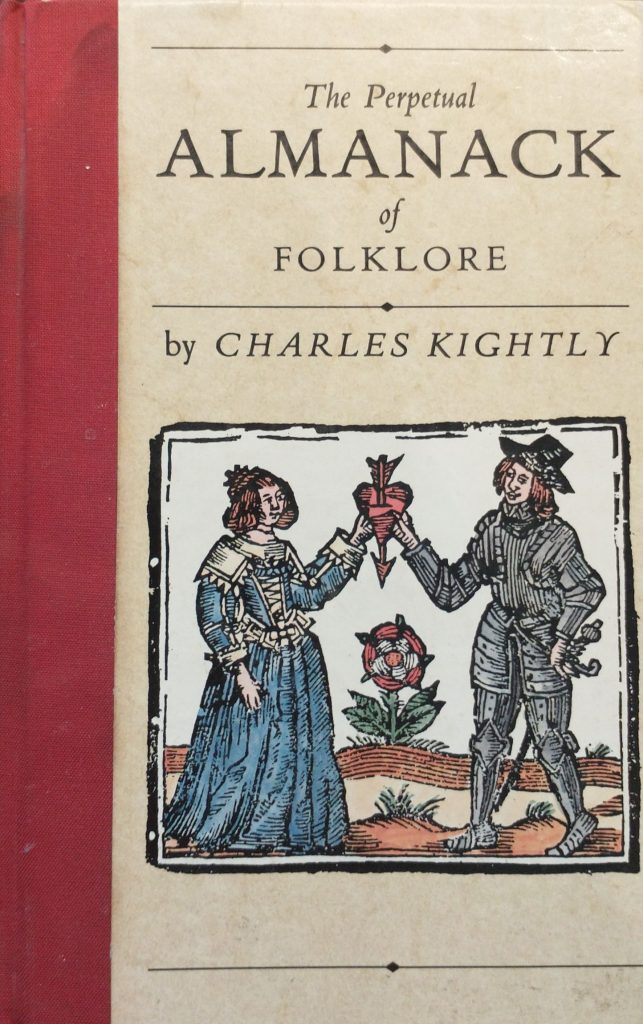
It was inspired by Charles Kightly’s book, which is a pot-pourri of folklore taken mostly from old Almanacs. I haven’t managed, yet to create a post for every day of the year, nearly managed it in the winter but falling behind in the Summer when I take Road Scholar groups around the UK. My plan is to fill in the gaps, improve posts and get rid of typos. Another aim is to add more London-specific content.
Cover of Charles Kightly’s Perpetual Almanac
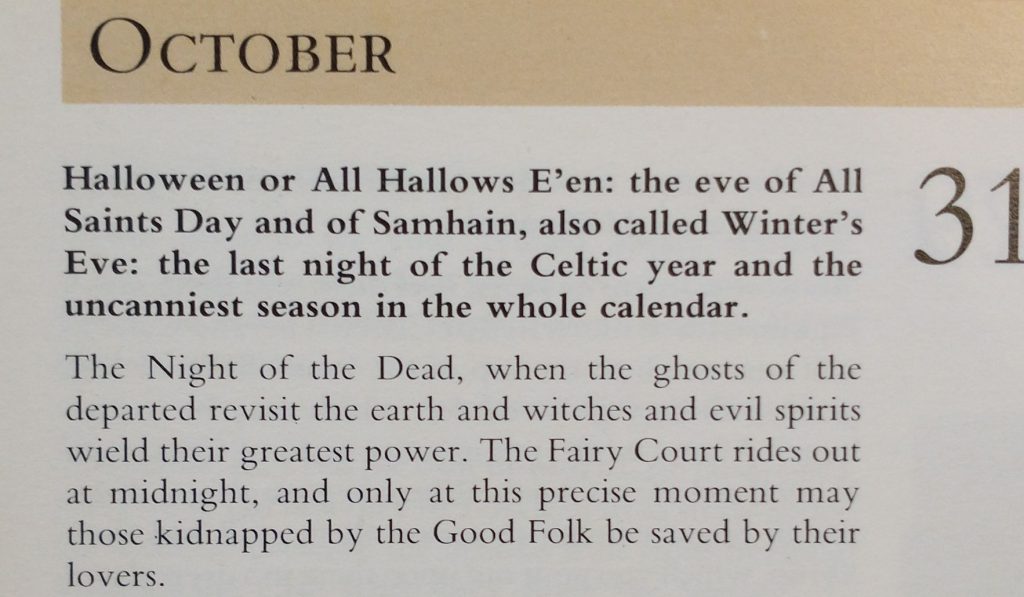
I started on Halloween because Samhain (pronounced Sow-in) was the beginning of the year for the Celtic world. It may mean Summer’s End. In Wales, it is Calan Gaeaf (first day of winter) and Kala Goafiv (beginning of November in Brittany).
Why did the Celts start their year at such an unlikely time? A clue is that they began the next day at dusk. The Sun dies at dusk so it is the end of the day, and the next day begins with the death of the old day.
So the New Year begins with the Death of the Old Year. Now that might suggest the Winter Solstice as the best time to start the year as this celebrates the death of the old Sun. (see my winter solstice post here :) But, the end of October has, perhaps a better claim. The harvest is in, the fruits in the trees and the nuts are harvested, all the growth of the Summer is over and collected. Plants are mostly dead or dormant, except some evergreens. It is the end of the growing year. The seeds have fallen from the trees and shrubs and are nestling in the soil, ready to begin their cycle again. All is over and all is ready for the new year. Makes sense?
The Celtic way also explains eves; Christmas Eve, New Year’s Eve, May Eve, All Hallow’s Eve. They are not the night before the day, they are the beginning of the day. This is when you begin the celebration.
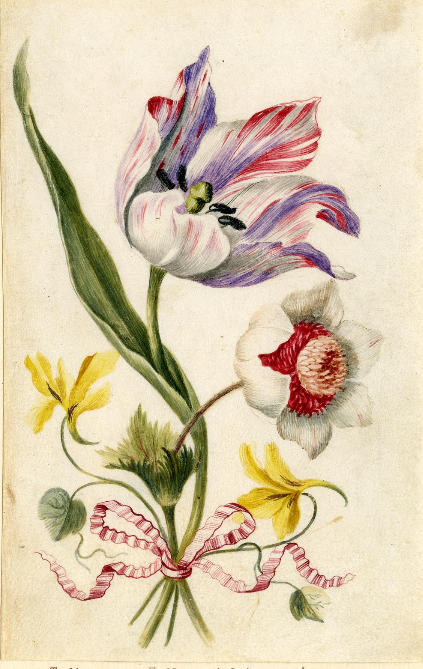
For the Romans, today is the day that Adonis is injured hunting a wild boar. Against his lover’s (Venus) advice, he descends to the underworld. Nature withers and dies until he returns from the underworld. His blood stains a flower and was transformed into the Crimson Anemone. There is a similar story in Babylon of Ishtar and Tammuz.
By Alexander Marshall, crimson and other anemones Binyon 1898-1907 / Catalogue of drawings by British artists, and artists of foreign origin working in Great Britain (5(c))
Adonis comes back on May Day when he meets Venus again, so the world flourishes and is bright and warm.
Julius Caesar says the Gauls venerated the God Dis Pater on this day – an aspect of Pluto, the God of the Underworld, ruler of the Dead. There was a Roman Festival on the Kalends of November dedicated to Pomona, the goddess of the fruit of trees. This may influence the use of Apples, which are prominent in Halloween festivities.
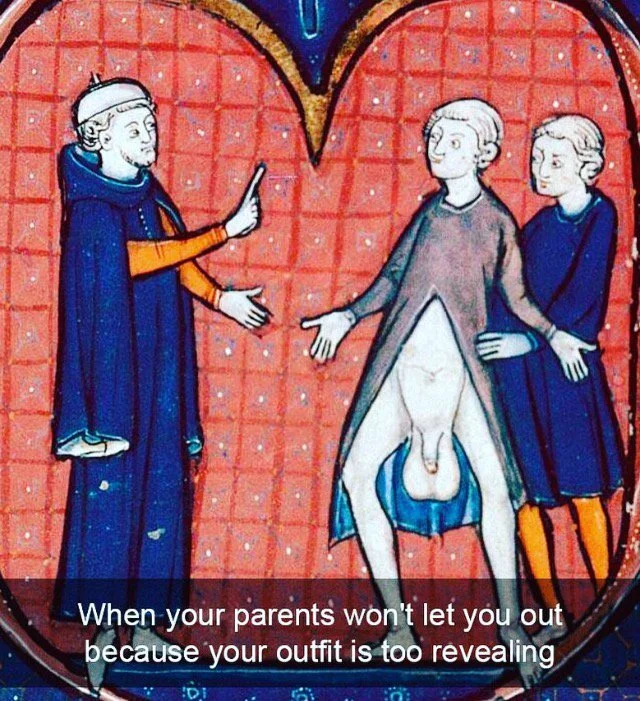
Image from Facebook, illustrating the miracle of the testicles
I’m having technicals problems, as well as being away from home. I posted this a few days ago but it doesn’t seem to have been posted to subscribers. So posting it again.
Today, almost my favourite of many bizarre tales of Saints. St Artemios is the patron saint of male genital disorders, more specifically, hernias and ruptures. His Saint’s Day is October 20th St. Artemios was Governor of Egypt during the reign of Julian the Apostate (331 – 26 June 363). Julian was a philosopher. Nephew to Constantine the Great, who tried to turn the tide and return to traditional Roman religious practices.
Artemios was called to a military meeting with Julian where he witnessed and objected to abuse of Christians. He was tortured with red hot irons, and miraculously cured. Then he was taken to the Amphitheatre where there was a big stone broken in half. He was put on half stone and the other half was raised above him and released, crushing Artemios. He was presumed dead, and left for a day. But he was still alive, broken boned, disembowelled, eyeless and remained unwilling to renounce his religion. Julian ordered his beheading.
A noble woman took his body to Constantinople where his shrine soon started attracting miracles. In the 7th Century, an anonymous author compiled a record of the miracles. St Artemios had become known for healing hernias and genital disorders ‘mostly in men.’ I’m not sure entirely why. Perhaps because of the red-hot pokers? The disembowelling? Maybe the stone that crushed him was round?
I first came across the Saint when I was given a wonderful book called ‘A Medieval Miscellany‘. Tales are selected by Judith Herrin and with an introduction by the great Emmanuel Le Roy Ladurie (see Jan 27th Post to read about Montaillou and Ladurie). It had a colourful spread called ‘The Miracle of the Testicles’. This was the story told by Stephen, a 7th Century deacon of St. Sophia in Constantinople who ‘suffered a rupture, whether from shouting acclamations or from a heavy weight, I cannot say.‘
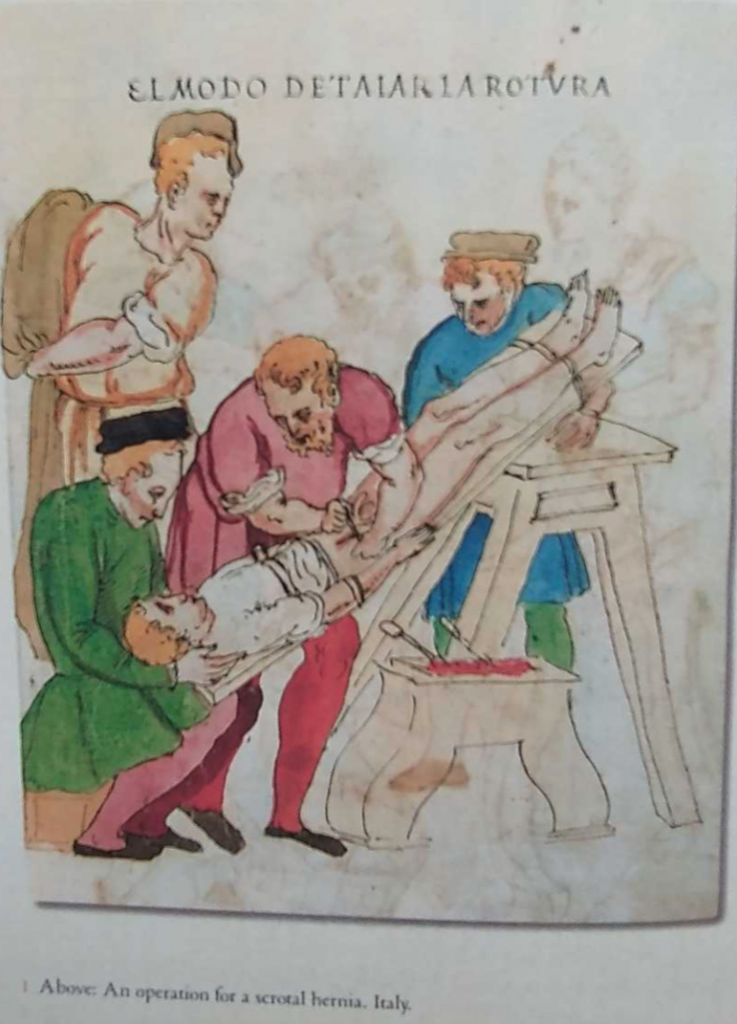
To cut a long story short, Stephen was very embarrassed by his condition. He tried many cures but finally undertook surgery. This was successful, but very soon the condition reoccurred which left him to despair.
Scrotal Hernia Operation, italy
So he planned to visit the shrine of, Artemios, the great healer of testicles. However, he was too embarrassed to stand in the Church, ashamed to be seen by friends. But passing by one day he nipped into the Tomb, descended to where the relics were and ‘cast’ some of the Saint’s holy oil on his testicles. He then found, much to his surprise, that the doors to the Coffin itself were open. Seeing this as a divine intervention he jumped onto the coffin, straddled it face down, so that the corner of the tomb was rubbing his testicles and prayed:
‘And with tears, I spoke again to the martyr: “St.Artemios, by God, Who has given you the gift of cures, no doctor on Earth will ever touch me again. So if you please, cure me. But if not, to your everlasting shame I will live thus without cure.‘
He was not cured immediately. Later he went to the Hot Baths and bathed, and on leaving the baths, thanks be to St Artemios, he was completely cured.
I have transcribed the translation of Stephen’s writings and place it here below as it has many fascinating aspects and remember it is a 7th Century account. But what an extraordinary tale: that it seems reasonable to steal into a tomb, take the holy oil, rub your genitals all over the shrine, and then tell the Saint that it will be to his everlasting shame if he does not make the cure!
For more on the Hospital of Sampson click here. Livanon is one of the Roman Baths in Constantinople and it is interesting that the cure follows bathing in them. The Oxeia is a neighbourhood in Constantinople connected with St Antemios. A cautery is a method to remove or close off a part of the body. It can be hot, cold or chemical.
At long last I disclosed the misfortune to my parents, and after many treatments, (how many!) had been performed on me. Finally, after taking counsel with them, I entrusted myself for surgery to the surgeons in the hospital Sampson, and I reclined in the hospital room near to the entrance to the area devoted to eyes.
After I had been treated all over for three days at night with cold cauteries, surgery was performed on the fourth day. I will omit to what horrible things I experienced while on my back.
To sum up everything, I state that I actually despaired of life itself at the hands of the physicians. After God, entreated by the tears of my parents, restored my life to me, and after the scar from the incision and the cautery had healed, and just as I was believing that I was healthy, a short time later, the same condition recurred and so I reverted to my former state…
I had a plan to approach the holy martyr, as I had heard of his many great miracles. Still, I was unwilling to wait in the venerable church feeling ashamed before friends and acquaintances to be seen by them in such condition. But I frequently used to pass by (for at that time, I was staying in the Oxeia). And so I descended to the holy tomb of his precious relics, and I cast some of his holy blessing, I. e. oil on my testicles, hoping to procure a cure in this manner. And frequently, I entreated him to deliver me from the troublesome condition…
After descending to the holy tomb, I found the doors in front open and I was astounded that they were opened at such an hour. This was the doing of the martyr, in his desire to pity me, Stretching out facedown on the holy coffin, I straddled it, and thus contrived to rub the corner of the same Holy tomb on the spot where I was ailing. And with tears, I spoke again to the martyr: “St.Artemios, by God, Who has given you the gift of cures, no doctor on earth will ever touch me again. So if you please, cure me. But if not, to your everlasting shame I will live thus without cure.’ And after some days I went to the bath in the court of Anthemios, the one called Livanon to bathe by myself at dawn in order not to be seen by anyone . And entering the hot chamber, I noticed that I still had the injury. But upon exiting, I had no injury, and recognising the act of kindness on the part of God and the martyr which is befallen me… in thanksgiving… I do now glorify them proclaiming their deeds of greatness throughout my whole life.
From Medieval Miscellany selected by Judith Herrin Pg 54 the Miracle of the Testicles
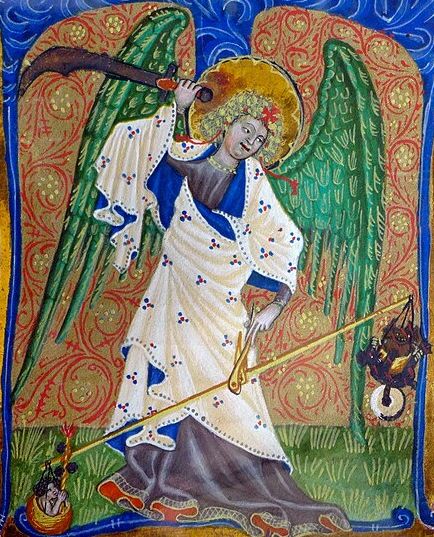
Michaelmas Old Style. St. Michael weighing souls during the Last Judgement, Antiphonale Cisterciense (15th century), Abbey Bibliotheca, Rein Abbey, Austria (Wikimedia by Dnalor_01 license (CC-BY-SA 3.0))
I am catching up as I have been away. So I’m a little behind in my days.
October 11th is the day that the Devil fell out of heaven and landed in a Blackberry Bush. So. you are, therefore, not wise to eat them after October 11th. St Michael’s Day is now celebrated on September 29th (see my post here). But before September 1752, it was celebrated on what is now October 11th, now styled ‘Michaelmas Old Style’. The change of date is due to the introduction in the UK of the Gregorian Calendar.
Saint Michael is the chief of the archangels. Saint Gabriel was celebrated on the eve of the Annunciation on 24 March (see my post here). St Raphael on the 24th October, But more recently the Churches celebrate all the Archangels at Michaelmas. It is now called the celebration of St Michael and All Angels.
Terms. Colleges, Lawyersand Quarterdays
Apart from its religious significance, St Michael’s Mass was an important date on the civic calendar. Terms began, rent fell due, and work contracts ran out. It was the end of the ploughman’s year, and the day when Hiring Festivals or Mop Festivals took place. Look at my post on the Stratford Mop festival
So in Oxford, the autumn term is called Michaelmas. The Spring Term Hilary on St Hilary’s Festival of January 14th. The third term is called Trinity, which takes place on Trinity Sundaythe first Sunday after Pentecost. The law courts also have a Michaelmas term.
It is one of the Quarter Day’s of the year, close to the Solstices and the Equinox into which the medieval and early modern world was divided:
It is probably too late to tell you this year. But “if you eat goose on Michaelmas Day you will never lack money all year“. Or as they said in Yorkshire: ‘He’at eateth goose on Michaelmas won’t find his pockets short of brass.’ Jane Austen wrote to Cassandra on Michaelmas 1813 ‘I dined upon goose today, which I hope with secure a good sale of my second edition.’ Pride and Prejudice was published in 1813.
St Michael is one of several archangels. He was protector of the Israel. He has four main roles in heaven. He is the leader of the heavenly host in its defeat of Satan. He is the Angel of Death, the Weigher of Souls, and the Guardian of the Church. For more on archangels, see the second half of my post on Michaelmas here.
On this day
The Romans celebrated ‘meditrinalia’ where they celebrated the new wine and the Gods that made it possible. They toasted the wine chanting:
‘I drink old and new wine to cure old and new disease.’
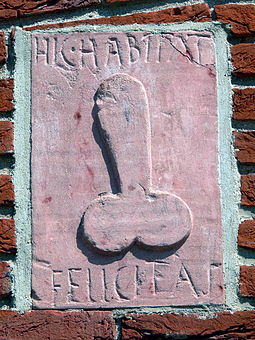
Copy of plaque found Pompeii outside of a bakery, Translation is ‘Felicitas dwells here’ Wikipedia. Wolfgang Sauber. CC BY-SA 3.0
Felicitas is the Roman Goddess of happiness, blessedness, prosperity. And a far more reliable creature than Fortuna. Fortuna rode the wheel of fortune. So you could either be at the top of the wheel or at the bottom of an unfortunate cycle. By contrast, Felicitas was always on the happy upbeat.
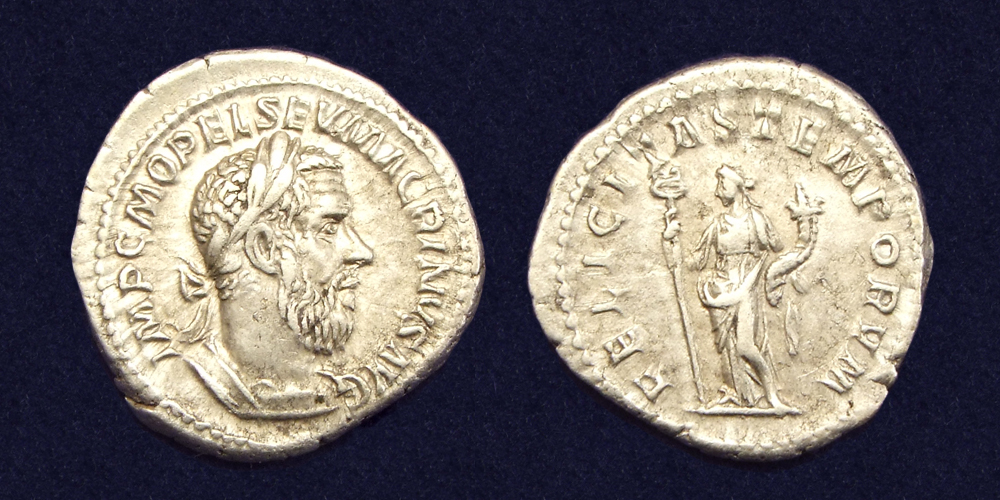
She had her own temple in Rome from the 2nd Century BC, and had two official festivals a year. The July 1st one shared with Juno and the October 9th (Fausta Felicitas) one on her own. She was often depicted on coins. Identified by her cornucopia and her staff called a caduseus.
Denarius of Macrinus showing Felicitas with her caduseus in her left hand and cornucopia in her right. By NumisAntica – http://www.numisantica.com, CC BY-SA 3.0, https://commons.wikimedia.org/w/index.php?curid=36585800
Why the association with the erect penis?
Steve Coates wrote in the New York Times,
“There seems to be phalluses everywhere. Enormous ones, tiny ones, doubles, singles; attached to men, gods or satyrs in every medium or in dismembered splendor; over doors, carved into the pavement, on chains and serving trays, turned into lamps, winged like birds, with bells on. Even some of the phalluses have phalluses. “
Parents hung them around the necks of their children as amulets of good luck. I’m guessing they are a symbol of a healthy body and a beating heart. As well as being the bringer of the greatest joy, we mere mortals ever experience in our lives. (having children I mean!)
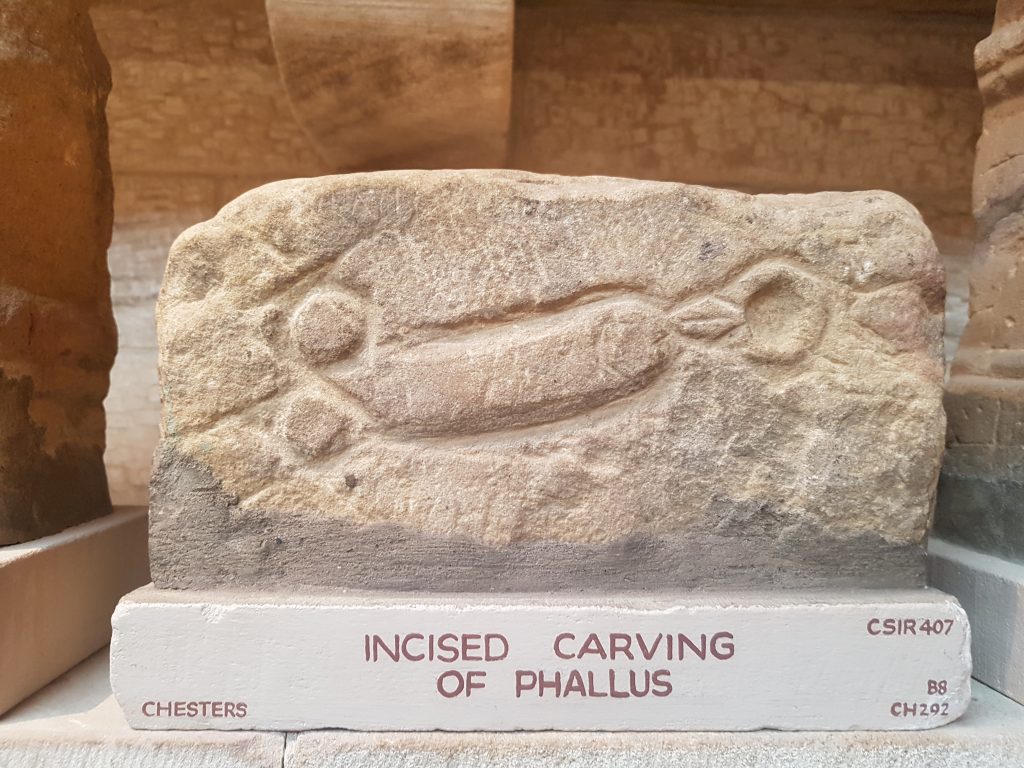
Here are two I’ve come across on my travels. Both from the Roman Fort on Hadrian’s Wall at Chesters.
Phallus from the courtyard of the Principia (HQ) of the Roman Fort at Chesters Photo K FludeCarving of phallus from John Clayton Museum, Chesters Photo k Flude
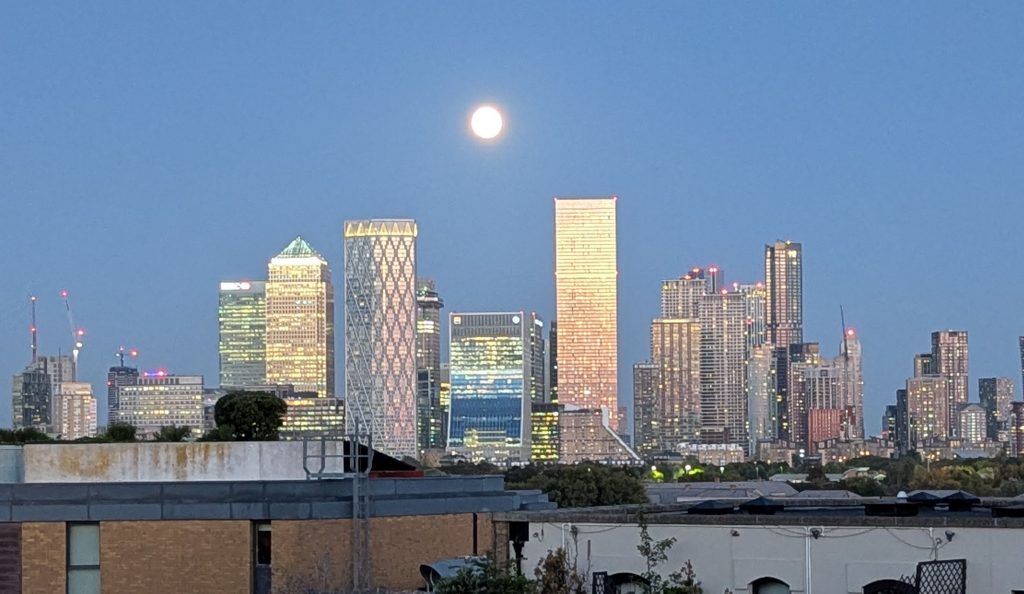
Harvest Moon (Oct 6th 25) over Canary Wharf from Wapping. (Photo K Flude).
The Harvest supermoon will rise at 6.20pm, today on October 7th 2025. It looked pretty full last night from my vantage point in a penthouse flat in Wapping. A supermoon is a full moon that occurs when the distance between the Earth and the Moon are at their minimum. So it is bigger and brighter and even more magical.
This one is known as the Harvest Moon or the Hunter’s moon for fairly obvious reasons.
It is definitely the time to play my favourite song.
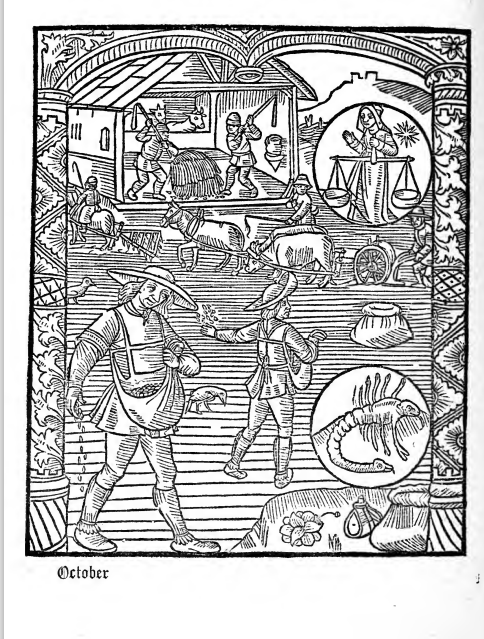
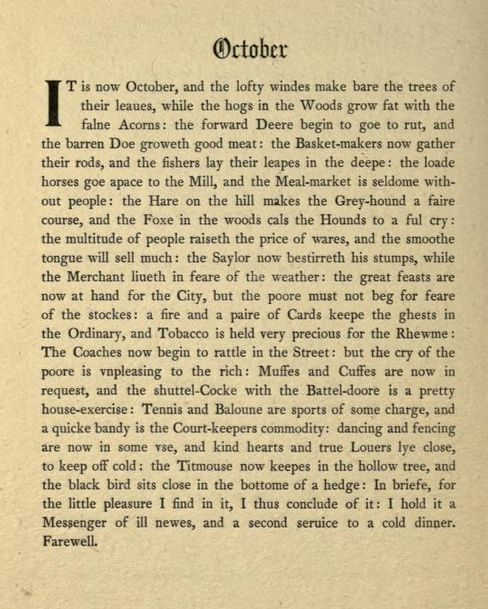
The 15th Century French illustration in the Kalendar of Shepherds shows October as a busy month. It is the time when the cereals are being flailed, the fields ploughed and sown. Perhaps winter wheat or barley or peas and beans?
The 16th Century English text of the Kalendar of Shepherds (read the illustration) shows what a busy month it was, but the writer comes down hard against the month as ‘a messenger of ill news’ the harbinger of cold dark nights.
About the Kalendar of Shepherds.
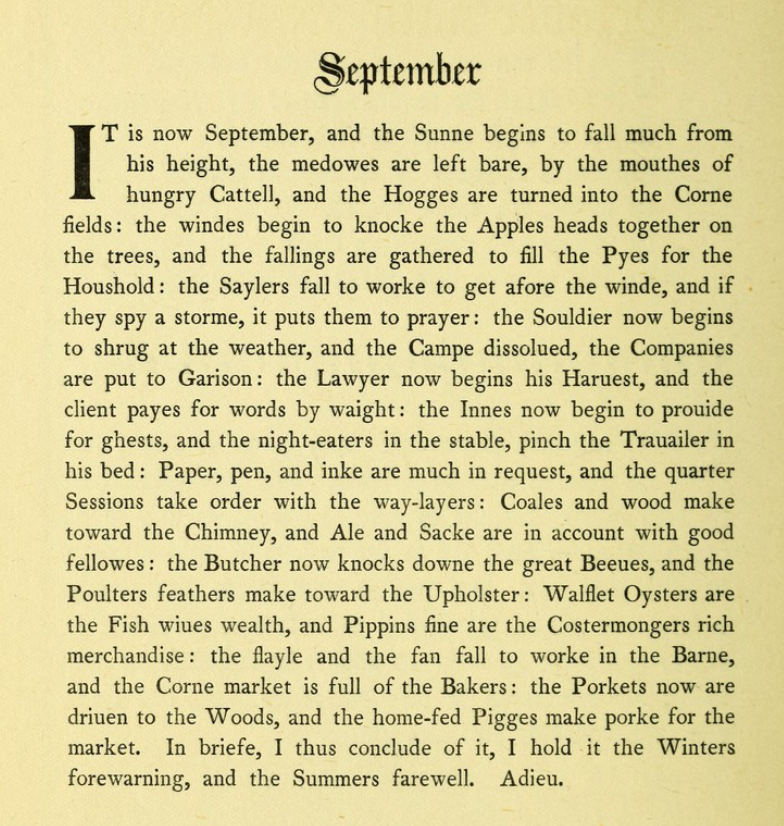
The Kalendar was printed in 1493 in Paris and provided ‘Devices for the 12 Months.’ I’m using a modern (1908) reconstruction of it using wood cuts from the original 15th Century version. It includes various text from 16th and 17th Century sources. (Couplets by Tusser ‘Five Hundred Parts of Good Husbandrie 1599. Text descriptions of the month from Nicholas Breton’s ‘Fantasticks of 1626. This provides an interesting view of what was going on in the countryside every month.
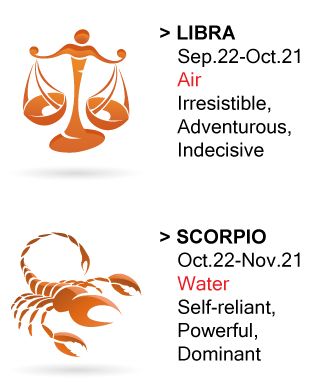
The star signs of October are the Scales of Libra and the Scorpion of Scorpio.
The star signs of October
Angelic October
Michael is the Angel of Autumn, the Angel of Judgement Day, and the Weigher of Souls. Uriel is the Angel of Libra and was sent by God sent to warn Noah. So the protector against, floods, fire and natural disasters. Scorpio’s Angel is Barbiel, he looks over health, genitalia and doubtful things. (‘An Angel Treasury’, Jacky Newcomb).
You might like to look at my post on Michaelmas here.
Roman October
In the Roman world it was, originally, the 8th Month (octo=8) but then they added January and February to the year. So it became the 10th Month. It was their time to celebrate the new wines of the Harvest. In Britain, the wine harvest is late September to October, but in hotter climes can be from July. But the grapes need to be processed, and the Romans thought that new wine was health giving and celebrated it in October.
Rustic October
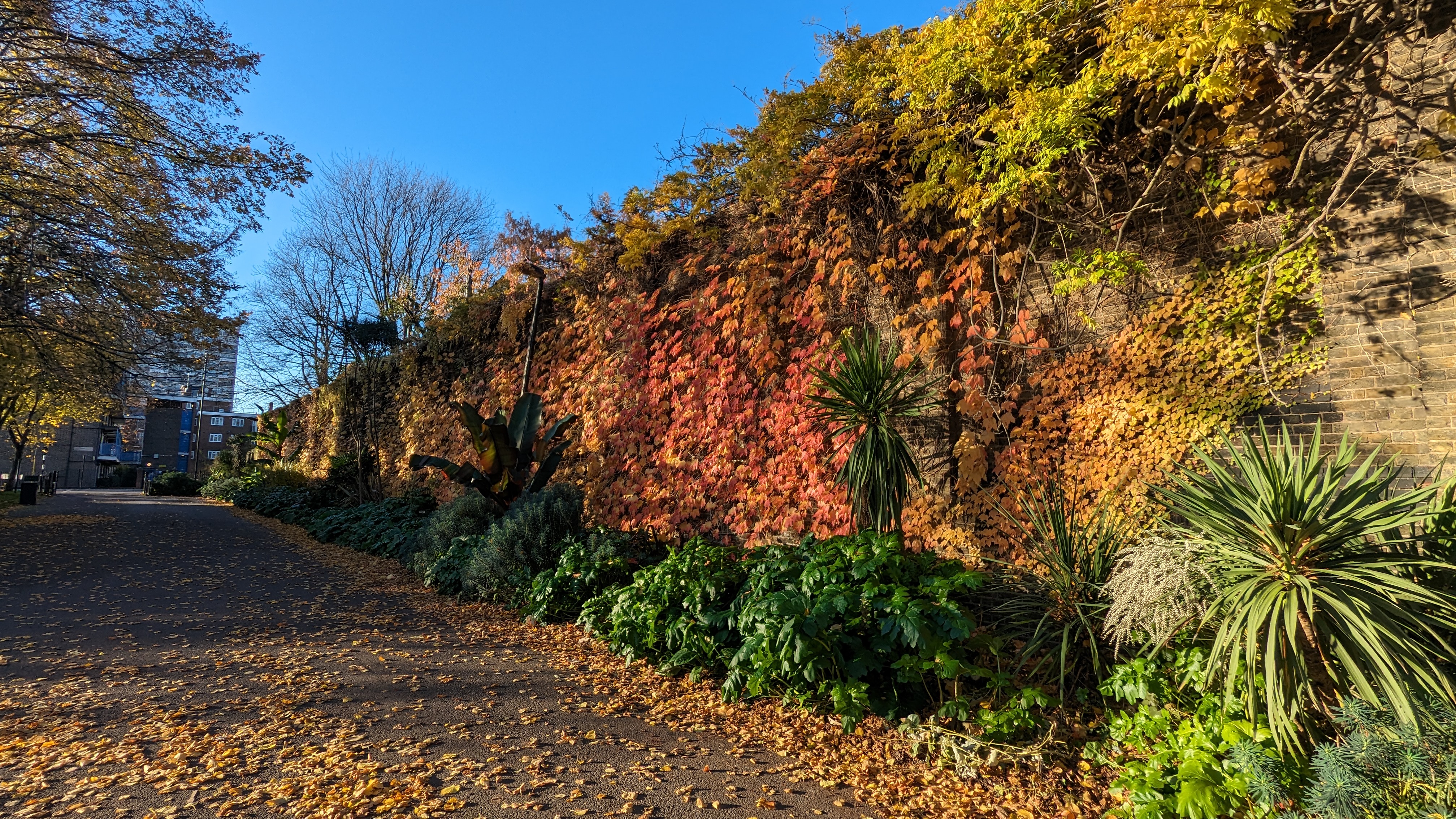
But for many people, October is a beautiful month. The dying leaves bring a sophisticated array of rustic colours, which makes the wooded countryside exceptionally beautiful.
Autumn in Haggerston Park, London (photo Kevin Flude)
It can still be warm enough to go for pleasant walks. And the surfeit of the harvest and the culling of animals meant there was plenty to eat before winter austerity begins.
Anglo-SaxonWinter Fall
The Venerable Bede tells us that the month was called Winterfylleth, in the 8th Century. The English divided the year into Summer and Winter. And Winter began for the Anglo-Saxons on the first full moon of October. This means that this year winter begins on 7th October. This is the Harvest or Hunter’s Moon, which is also a supermoon, the first of 3 ending the year.
Celtic October
In Welsh, it is Hydref, which also means Autumn. For the Welsh it was the last month of Autumn and the last month of the year. The Celtic new year, and winter starts on 1st November. The same is true of the Irish Calendar. Autumn is called Fómhair, and October Deireadh Fómhair which means ‘End of Autumn’.
Astronomical & Meteorological Autumn
Astronomically, autumn ends at the Winter Solstice and meteorologically at the end of November. So the Celtic Autumn ends a whole month or more earlier than the other measures. My very personal view is that Winter begins on November 5th more often than not. This is an evening we often spend outside watching the fireworks displays to celebrate Guy Fawkes’ Night. It always seems to be the first time that you feel cold enough to need hat, gloves, and scarves.
Legend says that London was founded as New Troy. Historians believed it was founded as Londinium after the Bridge was built by the legionaries of the Emperor Claudius in AD 43. Archaeologists in the 1970s and 1980s discovered that London was refounded as Lundenwic in the 7th Century and again in the 9th Century when it was called Lundeburg.
This walk tells the epic tale of the uncovering of London’s past by Archaeologists. And provides an insight into the dramatic history of the Capital of Britannia, and how it survived revolts, fires, plagues, and reacted to the decline and fall of the Roman Empire. It became the foremost English City but with periods under Viking and Norman control.
We tell the story in the streets of the City of London, beginning in the valley of the River Walbrook by the Temple of Mithras, and visit many sites where important archaeological discoveries were made.
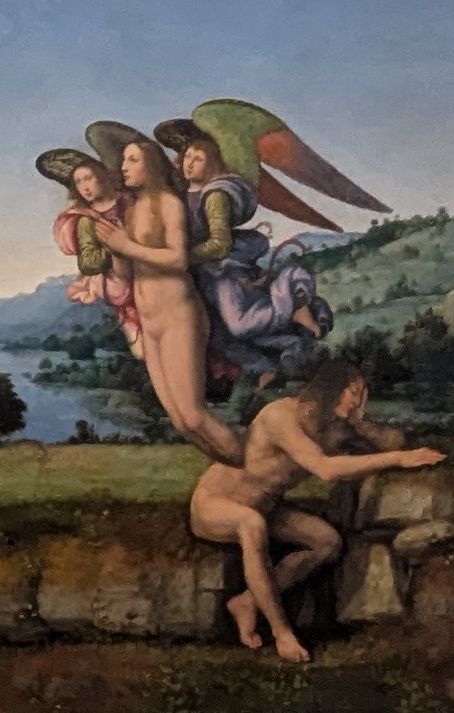
Detail from ‘The Creation and the Fall of Man’ by Mariotta Alberinelli 1513-14 showing Archangels helping in the creation of Eve from Adam’s Rib’
September 29th used to be St Michael’s Day, or Michaelmas. But in the 20th Century, the Catholic Church made it the day to celebrate the three chief Archangels and all Angels. Previously, September 29th was for St Michael, March 24th for St Gabriel, and October 24th for St Raphael.
It was an important day in the medieval civil calendar and was the date on which Oxford, Cambridge and the Legal system started their autumn terms. It is also the date the Lord Mayor of London is elected at Guildhall in the City of London.
About this time, the Michaelmas Daisy (an Aster) comes out in profusion. They have been out in my Father’s garden since August, but have only been flowering for a few weeks in my own garden. Here is an old rhyme:
“The Michaelmas daisies, among dead weeds, Bloom for St Michael’s valorous deeds …
The Angelic Host
Personally, I don’t understand what Archangels are doing in a monotheistic religion. They seem to be supernatural demigods which seems odd. The Book of Revelations is one of the most important sources, but they are scattered around the Bible. Perhaps the most famous is the visitation of Gabriel to the Virgin Mary, (see my post here)They are 15 Archangels:Adabiel, Azrael, Chamuel, Gabriel, Haniel, Jeremiel, Jophiel, Melatron, Michael, Raguel, Raphael, Raziel, Sandalphon, Uriel, and Zadkiel.
Melatron has to be my favourite, given his name which sounds like something from a kids superheros cartoon! He is made from the human Enoch and Keeper of the Book of Life so perhaps the most powerful of the Archangels. He is good for relationship, career, and parenting advice!
The Book of Enoch mentions 200 Fallen Angels including Satan, but Alphonso di Spina a 15th Century Monk calculated there were 133 million fallen angels, one third of the original Angelic Host.
What are Angels for? Something to give us hope that somewhere, somehow something might be looking out for us? As Sir Antony Gormley says of the Angel of the North ;“People are always asking, why an angel? The only response I can give is that no-one has ever seen one and we need to keep imagining them.”
On This Day
1564 – Lord Dudley Created Earl of Leicester
‘After the service at St James on Michaelmas Day, Lord Robert Dudley was led by the earls of Sussex and Huntingdon into the queen’s presence chamber. He wore a black gown edged with lace with nineteen pairs of gold aglets on the sleeves. Before him, his brother Ambrose, Earl of Warwick bore his sword, Garter bore his patent and Lord Clinton, Lord Admiral, his cap and coronal. All made obeisance to the queen three times. Lord Robert knelt before her.
Garter gave the patent to Cecil, who read it out aloud. The Earl of Warwick presented the sword to the queen, who put it about the neck of her new Earl of Leicester, putting the point under his left arm and then, while putting his cap and coronal on his head, with a mischievous smile, tickled his neck. Solemn-faced, the new earl gave the queen his humble thanks and arose and went to the council chamber to dinner, trumpets sounding before him.’
From The Progresses and Public Processions of Queen Elizabeth by John Nichols (London, John Nichols & Son, 1823) with thanks to Jan Knights for the information.
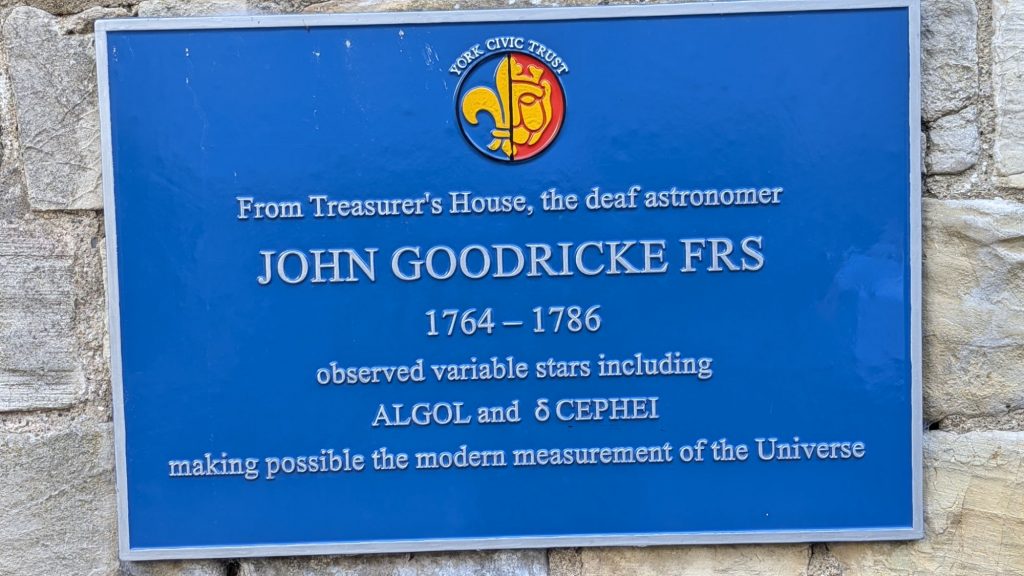
What I really admire are people who, through their sheer brain power, can change our views of the world. The first example that comes to mind is Newton’s insight that if the universe were infinite, the night sky would not be dark as everywhere there would be tiny pinpricks of starlight. So, we don’t live in a infinite universe. Another one is Einstein’s thought experiment that proves that time is relative. But see below for a description of that. But, now to John Goodricke and the Variable Star. (for Newton and the Maypole see my post here).
Goodricke
Last year in York, near the Minster, I saw the blue sign above. I thought, what on earth are ‘variable stars’? Behind me, I heard two women say something like. ‘Here it is,”variable stars”‘. I turned around and asked them what was a variable star?
‘Donno’ they said, ‘we’ve ‘just doing this escape room walk around York.’ They showed me a booklet they had received on the internet,. This is what I would call a treasure trail. Sadly, they showed no interest in finding out what a variable star is!
Aristotle and ancient philosophers held that the universe was unchanging and eternal. The first breach in that theory was the identification in 1638 of star Omicron Ceti. Johannes Holwarda discovered that the star pulsed on an 11-month cycle. This and the discovery, of supernovae (first observed in 1572), proved that the ‘The starry sky was not eternally invariable’. But there was, as yet, no explanation for the phenomena.
John Goodricke was educated at Thomas Braidwood‘s Academy, school for deaf pupils in Edinburgh, and Warrington Academy. He returned to live with his parents, who rented an apartment at the Treasurer’s Hall. This is near the Minister in York. He used a friend’s personal observatory to look for variable stars. He found two of the first 10, and was the first to propose a solution. This was that two stars orbited each other causing eclipses between them and the observer. Thus creating a variation in the light emitted. To be able to extrapolate from a simple observation, and provide an explanation which necessitates a complete rethink about the nature of the universe seems, to me, to be awesome.
Einstein’s Thought Experiment
Back to Einstein, his thought experiment was something like this:
A train is travelling through a station. There is an observer on the train towards the front, another on the platform as the train goes through. There are two simultaneous lighting strikes at either end of the train. The observer on the platform sees the strikes as simultaneous. Why? Because she is in the middle between the two lighting strikes and light travels at the same speed. The observer on the train who is near the front of the train will see the lighting strike at the front of the train before the light from the strike at the back of the train can reach him. It has further to go.
This means that time is not a constant, it is relative to the observer. And yet, we think of time as a constant, something that remorselessly ticks forward and which we cannot alter. But it isn’t.
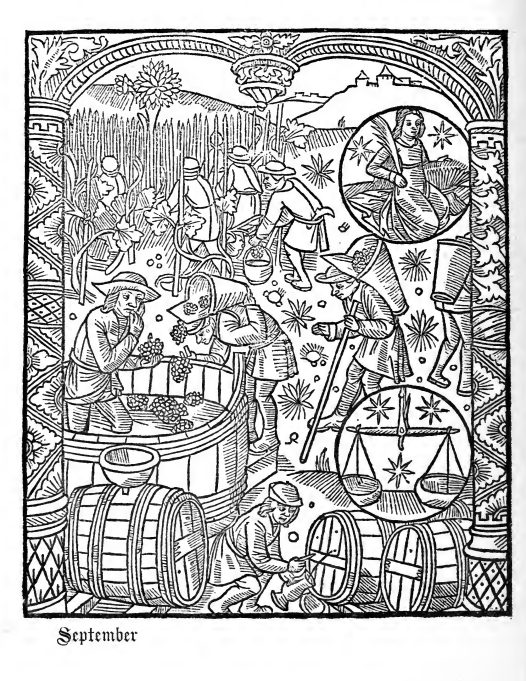
Kalendar of Shepherds illustration of September showing harvesting grapes and the astrological signs for Virgo (August 23 – September 22) and Libra (September 23 – October 22)
It is that time of the year when you say ‘Where has the Summer gone? It can’t be September already?’ But, meteorology, speaking, Autumn starts today. September 1st was chosen on a numerical basis for ease of measuring rather than any profound floral, agricultural or solar reason. So, there are three Gregorian Calendar months for each season, and each season starts on the first of the month. Autumn: September, November and December.
Autumn, Harvest, Fall
Autumn comes from Latin (autumnus) which went into French and then into English. The season was also called Harvest (which went into Dutch herfst, German Herbst, and Scots hairst -Wikipedia) or from the 16th Century: the ‘fall of the year’ or ‘fall of the leaf’ which spread to America as Fall.
Summer’s Ending
It still feels like summer. In England, we often have a glorious September, and what we can an ‘Indian’ Summer, an unexpectedly warm period in mid-September to October.
Solar Autumn
Of course, for the real Autumn, we have to wait for the Equinox, the beginning of Astronomical or Solar Autumn. This year, it is on Monday, September 22nd, 2025, 7:19 pm.
Astrological September
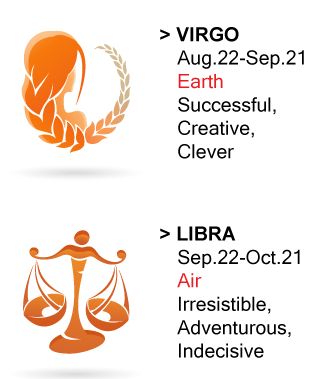
The star signs for astrological September are: Virgo which is linked to Aphrodite (Venus) the Goddess of Love and Libra which is linked to Artemis (Diana), virgin goddess of many things, including hunting, wild animals, children, and birth.
Star signs for September
September
September gets its name from the Romans, for whom it was the 7th Month of the year (septem is Latin for seven). Later, they added two new months so it became our 9th Month. (For more on the Roman year, look at my post here).
It is called Halegmonath in the early English language, or the holy month, named because it is the month of offerings, because of the harvest, and the mellow fruitfulness of September? Medi in Welsh is the month of reaping, and An Sultuine in Gaelic which means the month of plenty.
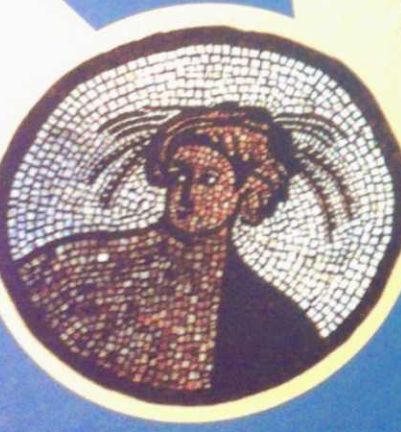
Roman personification of Autumn from Lullingstone mosaic
Early Modern September and the autumn of Life
Here is an early 17th Century look at September from the Kalendar of Shepherds – for more on the Kalendar, look at my post here.
From the Kalendar of Shepherds
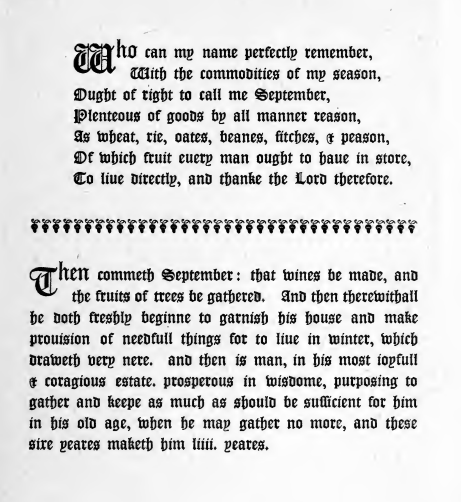
The Kalendar has an additional shorter look at September (see below). And it continues with its theme, linking the 12 months of the year with the lifespan of a man – 6 years for each month. So September is a metaphor for man at 56 years of age, in their prime and preparing for old age.
September from the Kalendar of Shepherds. The last sentence beginning ‘and then is man’ shows the link between September and the beginning of the autumn of life.
Season of ‘mists and mellow fruitfulness‘
John Keats (1795 – 1821) wrote a great poem called ‘To Autumn’:
Season of mists and mellow fruitfulness, Close bosom-friend of the maturing sun; Conspiring with him how to load and bless With fruit the vines that round the thatch-eves run; To bend with apples the moss’d cottage-trees, And fill all fruit with ripeness to the core; To swell the gourd, and plump the hazel shells With a sweet kernel; to set budding more, And still more, later flowers for the bees, Until they think warm days will never cease, For summer has o’er-brimm’d their clammy cells.
Who hath not seen thee oft amid thy store? Sometimes whoever seeks abroad may find Thee sitting careless on a granary floor, Thy hair soft-lifted by the winnowing wind; Or on a half-reap’d furrow sound asleep, Drowsed with the fume of poppies, while thy hook Spares the next swath and all its twined flowers: And sometimes like a gleaner thou dost keep Steady thy laden head across a brook; Or by a cider-press, with patient look, Thou watchest the last oozings, hours by hours.
Where are the songs of Spring? Ay, where are they? Think not of them, thou hast thy music too,— While barred clouds bloom the soft-dying day, And touch the stubble-plains with rosy hue; Then in a wailful choir the small gnats mourn Among the river sallows, borne aloft Or sinking as the light wind lives or dies; And full-grown lambs loud bleat from hilly bourn; Hedge-crickets sing; and now with treble soft The redbreast whistles from a garden-croft, And gathering swallows twitter in the skies.
Written September 19, 1819; first published in 1820. This poem is in the public domain and available here: