
Saint Andrew was the first Apostle and, it was he who introduced his brother, Simon Peter, to Jesus. He was a simple fisherman. Not much about his later life is known, but the idea that he was martyred on a X-shaped cross, the saltire, is probably a medieval invention. As a fisherman, he is patron of fishermen, and fishmongers. Furthermore, the patron saint of Scotland and Russia; of singers and pregnant woman, and efficacious in offering protection against sore throats and gout.
His association with Russia comes from Eusebius, who quotes Origen recording that Andrew preached in Scythia. The Chronicle of Nestor says he travelled to Kiev and Novgorod and so became a patron saint of Ukraine, Romania, and Russia. (Wikipedia).
Scottish legends has St Andrew both visiting Scotland himself and some of his relics coming to Fife in the 4th Century or the 8th Century. St Rule (aka St Regulus) was tasked with taking some of Andrew’s relics to the edges of the world. In the 4th Century he turned up in Fife where he was welcomed by the Pictish King, Óengus I. He brought with him a kneecap, arm, and finger bone of St Andrew, which were kept in St Rule’s Church. This gave St Andrew’s name to the town. Óengus I is actually an 8th Century Pictish King, so perhaps the relics came to Scotland in the 8th Century which is a little more realistic. The relics were transferred to the Cathedral, but they were destroyed in the Reformation. In 1979, the Archbishop of Amalfi gifted a piece of Saint Andrew’s shoulder blade to St Andrews and Pope Paul VI gave further remains to Scotland in 1969.
The Town of St Andrews
The earliest recorded name for the town is Gaelic and is Cennrígmonaid, which means something like the King’s Peninsula near the Moor. The fame of the Church changed the name of the town to St Andrews (no apostrophe, as it was named before the French gave us apostrophes in the 1600s). St Andrews is also famous as the home of golf and the oldest University in Scotland, (founded in 1412).
St Andrew’s Day Celebrations
The Day is an official bank holiday in Scotland and is celebrated with events all over the country, including a torchlight procession in Glasgow. (https://theculturetrip.com/europe/united-kingdom/scotland/articles/what-is-st-andrews-day-and-how-do-people-celebrate-it-in-scotland/). Celebrate with a Haggis and a Whisky!
In Kent and Sussex Andrewtide gave the right to hunt squirrels, and in Hasted’s History of Kent (1782) the day is said to allow the ‘lower kind’ to form a lawless rabble hunting any manner of hares, partridges, and pheasants. (Perpetual Almanac by Charles Kightly).
St Andrew in London
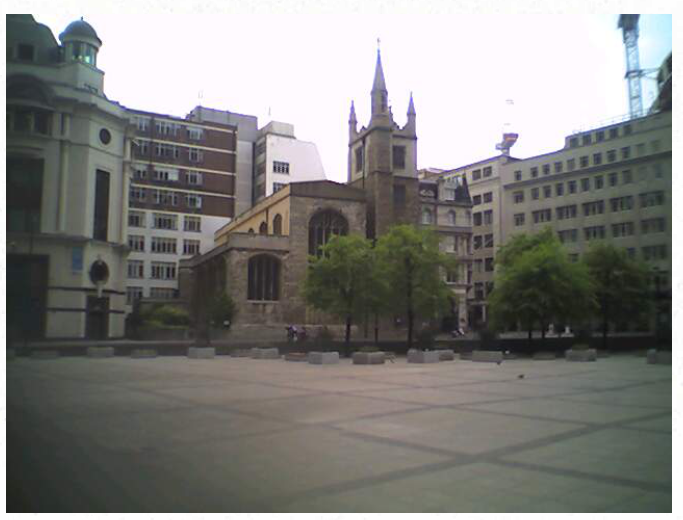
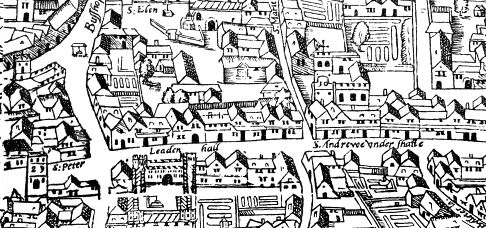
On the corner of Leadenhall Street and St Mary Axe in the City of London is one of the very few medieval Churches that survived the Great Fire of London is 1666. It was sheltered by the firebreak that was the Leadenhall, a big market building made of stone (but with a big lead roof).
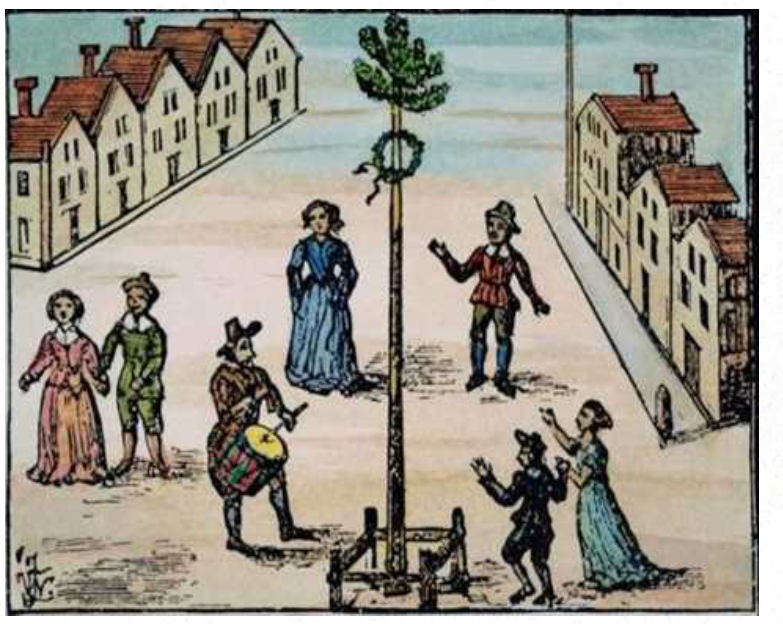
The Church is the Maypole Church, as it was here the Maypole or the shaft was stored under the eves of the Church when not in use. Hence, St Andrew’s sobriquet of ‘Undershaft’. The May Day riot in 1517 put an end to the dancing around the Maypole but the pole itself survived until 1547 when, in a Puritan riot, the ‘stynking idol’ was destroyed. (see my May Day blog post here for more details of Mayday.)
John Stow and Hans Holbein, memorials in St Andrews
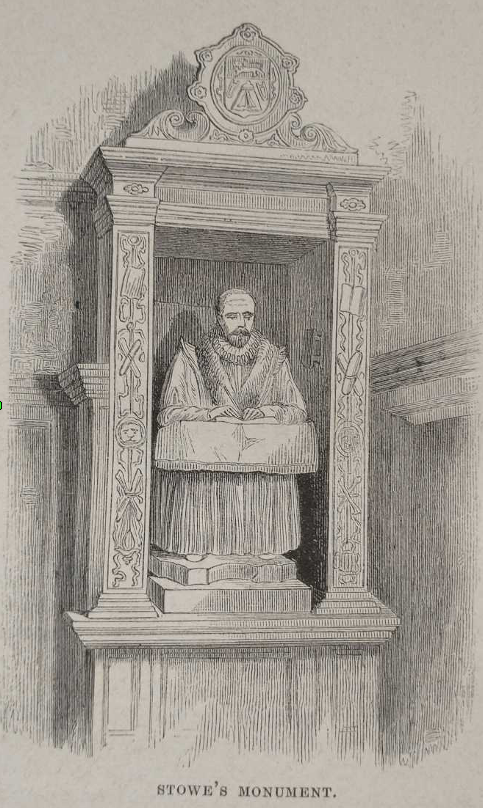
This is where the great London historian John Stow is buried. His Survey of London is one of the best sources for Medieval and Tudor London. Every three years, on April 5th or thereabouts, there is a commemorative service and his quill is changed. The Lord Mayor attends. The service is organised by Stow’s Guild – the Merchant Taylors.
John Stow, author of the ‘Survey of London‘ first published in 1598. Available at the wonderful Project Gutenberg: ‘https://www.gutenberg.org/files/42959/42959-h/42959-h.htm’
There is also a plaque to Hans Holbein, but no one knows, for sure, where he is buried. He died in London in 1543, possibly of plague.
Last Day to get married before Advent.
Traditionally, you could not marry after Advent and before 12th Night. So now might be the last chance to marry before that bump gets too big! This may be the reason that Shakespeare had to organise a special licence to get married in 1582! Advent that year was on 2nd December. See my post on their wedding here.
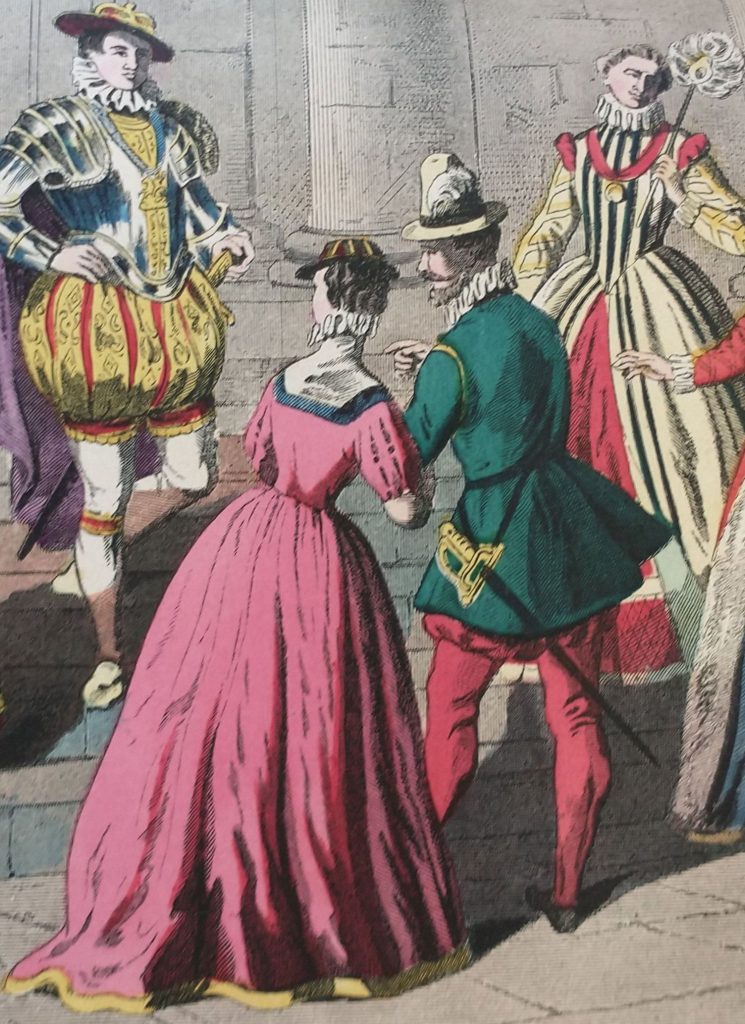
Wedding dresses were traditionally whatever pretty dress you had. White only became de rigueur once Queen Victoria wore one, and the costs of material reduced because of mass production.
The Saltire
The story of the Saltire stretches back to the Picts. In 832AD Picts under the High King Angus MacFergus were returning from a punitive raid into Northumbria. They were chased by the North Anglians led by Athelstan (not the English King) into East Lothian at place still called Athelstaneford. It is to the south of Edinburgh. Angus led prayers to St Andrew for victory. Above the battle appeared in the clowds a white diagonal cross, against a blue sky. Angus promised St Andrew he would become the Patron Saint of the Country. (at the time called Alba, and later called Scotland). Athelstaneford still calls itself ‘Birthplace of the Scottish Flag.’ the-flag-heritage-centre/the-legend-of-the-saltire/
First Published on 30th November 2022, Revised and republished on 30th November 2023, Advent weddings added in 2024, Revised and Saltire added 2025
Discover more from And Did Those Feet
Subscribe to get the latest posts sent to your email.
As always, a very comprehensive post, very well illustrated too.
Very pleasant way to learn things.