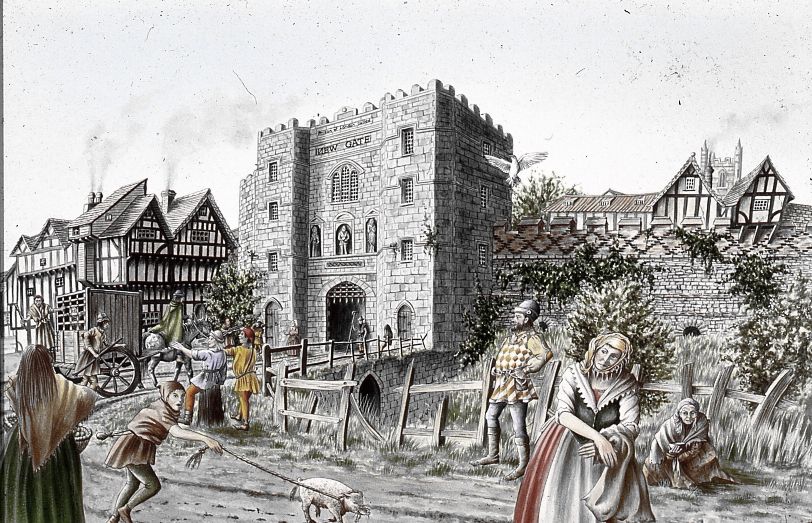
Tudor London – The City of Wolf Hall 6pm 1st May 2026 To Book
Myths, Legends, Archaeology, and the Origins of London 11:15am Sat 2nd May 26 to Book
London Bridge to Bermondsey 2:15pm Sat 2nd May 2026 To book
Jane Austen’s London Walk 2.30pm Sun 31st May 2026 To Book
The First Blitz – Zeppelin London New Walk! 6pm Sun 31 May 2026 To Book
Roman London – Literary & Archaeology Walk 3pm Sat 6th June 2026 Tobook
The Rebirth Of Saxon London Archaeology Walk 11am Sun 7th June 2026 To book
Tudor London – The City of Wolf Hall 3pm 4th July 2026 To Book
Jane Austen’s London Walk 2:30pm Sun 5th July 2026 To book
London. 1066 and All That Walk 11.30am Sun 12th July 26 Tobook
Bloody, Flaming, Poxy London 3pm Sun 12th July 26 To book
Myths, Legends, Archaeology and the Origins of London 3pm Sat 1 Aug 2026 Tower Hill Underground To book
The Decline And Fall Of Roman London Walk 11:15am 2nd Aug 26 To book
Jane Austen’s London Walk 2:30pm Sun 2nd Aug 26 To book
Chaucer’s Medieval London Guided Walk 11.00am Sat 5th Sept 2026 To book
Jane Austen’s London Walk 2:30pm Sun 5th Sept 2026 To book
Jane Austen’s London Walk 2:30pm Sat 24th Oct 2026 To book
For a complete list of my guided walks for London Walks in 2026 look here
Archive of Guided Walks/Events for 2025
Every year I keep a list of my guided walks, and tours on my blog the ‘Almanac of the Past’. Here are the walks I have so far done in 2025.
Here is my ‘Almost Complete List of Guided Walks, Study Tours, Lectures’
Ring in the New Year Virtual Guided Walk
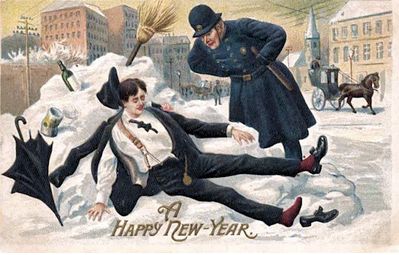
Monday 1st January 2025 7.00 pm
On this Virtual Walk we look at how London has celebrated the New Year over the past 2000 years.
The New Year has been a time of review, renewal, and anticipation of the future from time immemorial. The Ancient Britons saw the Solstice as a symbol of a promise of renewal as the Sun was reborn. As the weather turns to bleak mid winter, a festival or reflection and renewal cheers everyone up. This idea of renewal was followed by the Romans, and presided over by a two headed God called Janus who looked both backwards and forwards. Dickens Christmas Carol was based on redemption and his second great Christmas Book ‘The Chimes’ on the renewal that the New Year encouraged.
We look at London’s past to see where and how the New Year was celebrated. We also explore the different New Years we use and their associated Calendars – the Pagan year, the Christian year, the Roman year, the Jewish year, the Financial year, the Academic year and we reveal how these began. We look at folk traditions, Medieval Christmas Festivals, Boy Bishops, Distaff Sunday and Plough Monday, and other Winter Festival and New Year London traditions and folklore.
At the end, we use ancient methods to divine what is in store for us in 2023.
The virtual walk finds interesting and historic places in the City of London to link to our stories of Past New Year’s Days. We begin, virtually, at the Barbican Underground and continue to the Museum of London, the Roman Fort; Noble Street, Goldsmiths Hall, Foster Lane, St Pauls, Doctors Commons, St. Nicholas Colechurch and on towards the River Thames.
The Civil War, Restoration and the Great Fire of London Virtual Tour
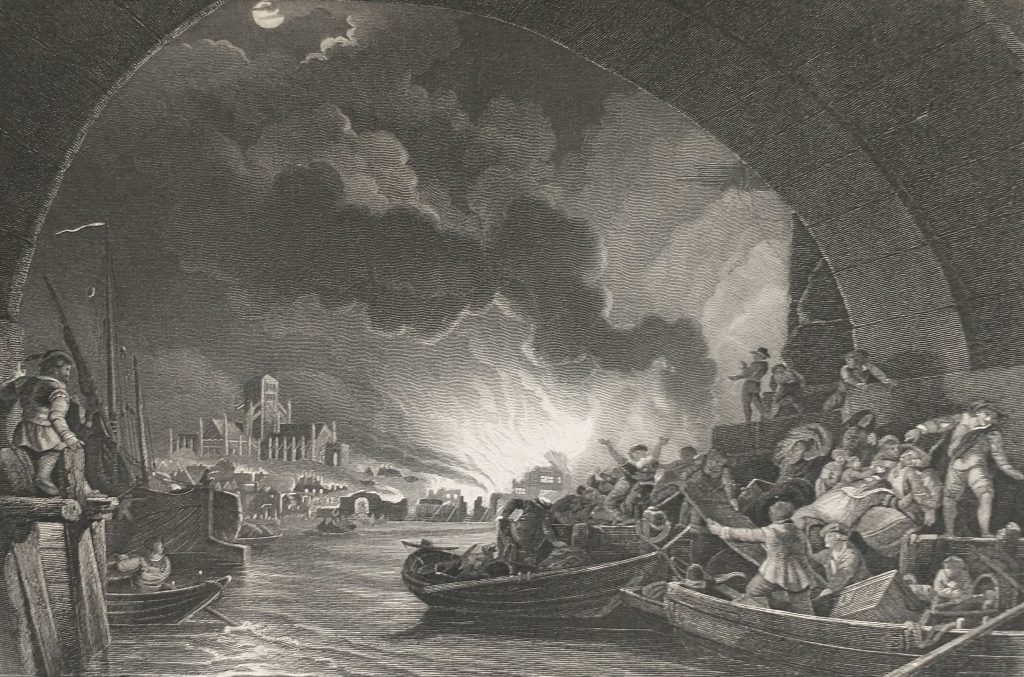
7:30pm Fri 30th January 2025
January 30th is the Anniversary of the execution of Charles I and to commemorate it we explore the events and the aftermath of the Civil War in London.
Along with the Norman Conquest of 1066 and winning the World Cup in 1966 the Great Fire in 1666 are the only dates the British can remember!
And we remember the Great Fire because it destroyed one of the great medieval Cities in an epic conflagration that shocked the world.
But it wasn’t just the Great Fire that made the 17th Century an epic period in English History. There was a Civil War, beheading of the King, a Republic, a peaceful Restoration of the Monarch, the last great plague outbreak in the UK, the Glorious Revolution and the Great Wind.
The Virtual Walk puts the Great Fire in the context of the time – Civil War, anti-catholicism, plague, and the commercial development of London.
The walk brings to life 17th Century London. It starts with the events that lead up to the Civil War concentrating on Westminster and ends with a vivid recreation of the drama of the Fire as experienced by eye-witnesses. Route includes: Westminster, Fish Street Hill, Pudding Lane, Monument, Royal Exchange, Guildhall, Cheapside, St Pauls, Amen Corner, Newgate Street, Smithfield.
Roman London – Literary & Archaeology Walk
11.30 am Sun 9th Feb 2025 Monument Underground Station
also on 11.30am Sun 27th Apr 25 but starting from Moorgate
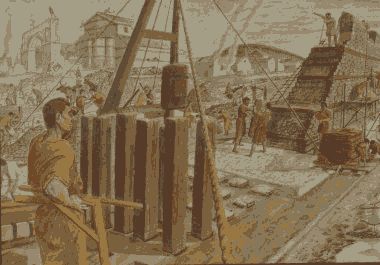
This is a walking tour features the amazing archaeological discoveries of Roman London, and looks at life in the provincial Roman capital of Londinium.
This is a walking tour that features the amazing archaeological discoveries of Roman London, and looks at life in the provincial Roman capital of Londinium.
Our Guides will be Publius Ovidius Naso and Marcus Valerius Martialis who will be helped by Kevin Flude, former Museum of London Archaeologist, Museum Curator and Lecturer.
We disembark at the Roman Waterfront by the Roman Bridge, and then explore the lives of the citizens as we walk up to the site of the Roman Town Hall, and discuss Roman politics. We proceed through the streets of Roman London, with its vivid and cosmopolitan street life via the Temple of Mithras to finish with Bread and Circus at the Roman Amphitheatre.
Zinger Read: Talk about a high-quality one-two punch. This walk investigates the groundbreaking archaeological discoveries of Roman London. And then it reconstructs life in a provincial Roman capital using archaeological and literary sources. Discoveries – insights – like flashes of lightning in a cloud. We begin at the site of the Roman bridge. We might be decent young Roman citizens in togas, having this and that bit of
explained to us as we make our way towards the Roman Town Hall. From there we head to the site of the excavation called ‘the Pompeii of the North.’ Followed by the Temple of Mithras. We finish with a walk along the Roman High Street in order to end at the site of the Roman Amphitheatre. So, yes, welcome to London as it was 2,000, 1,900, 1,800, 1,700 and 1,600 years ago. And, yes, the walk’s guided by a real expert, the distinguished emeritus Museum of London archaeologist Kevin Flude. That means you’ll see things other people don’t get to see, delve into London via fissures that aren’t visible, let alone accessible, to non-specialists.
REVIEWS
“Kevin, I just wanted to drop you a quick email to thank you ever so much for your archaeological tours of London! I am so thrilled to have stumbled upon your tours! I look forward to them more than you can imagine! They’re the best 2 hours of my week! 🙂 Best, Sue
Jane Austen’s London Anniversary Guided Walk
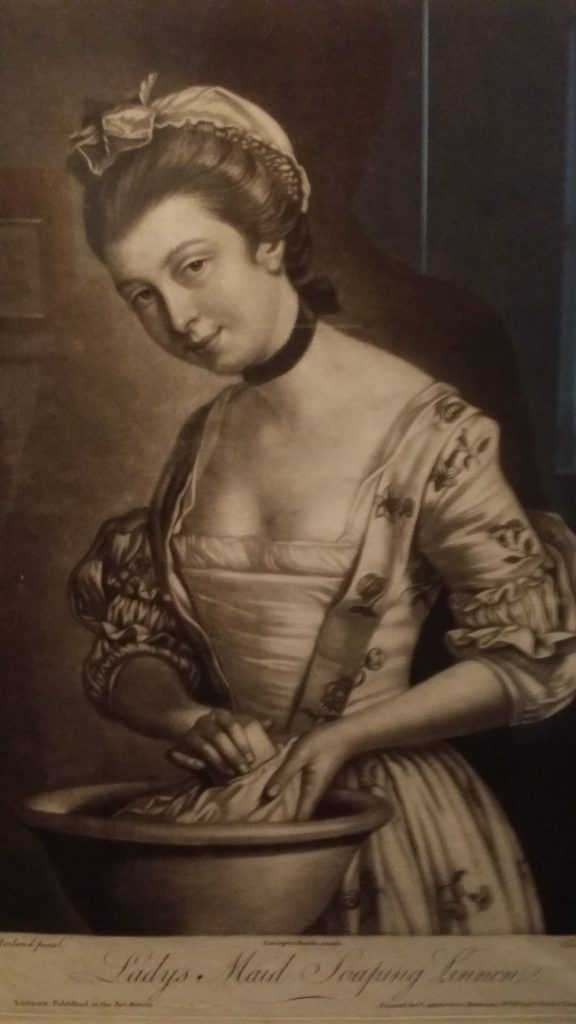
2.30 pm Sunday 9th Feb 2025
Green Park underground station, Green Park exit, by the fountain To book
| Also | |||||
| 9 February 2025 | Sunday | 2.30 pm | 4.30 pm | ||
| 8 March 2025 | Saturday | 2.30 pm | 4.30 pm | ||
| 6 April 2025 | Sunday | 11.30 am | 1.30 pm |
2025 is the 250th Anniversary of Jane Austen’s Birth in Steventon, Hampshire. We celebrate her fictional and real life visits to Mayfair, the centre of the London section of Sense & Sensibility and where Jane came to visit her brother
“It is a truth universally acknowledged, that a Jane Austen devotee in possession of the good fortune of a couple of free hours today must be in want of this walk.”
People associate Jane Austen and her characters with a rural setting. But London is central to both Jane Austen’s real life and her literary life. So, this tour will explore Jane’s connections with London and give the background to Sense and Sensibility, a good part of which is based in this very area. We begin with the place Jane’s coach would arrive from Hampshire, and then walk the streets haunted by Willougby; past shops visited by the Palmers, the Ferrars; visit the location of Jane Austen’s brother’s bank and see the publisher of Jane’s Books. The area around Old Bond Street was the home of the Regency elite and many buildings and a surprising number of the shops remain as they were in Jane Austen’s day.
Jane Austen’s ‘A Picture of London’ in 1809 Virtual Walk
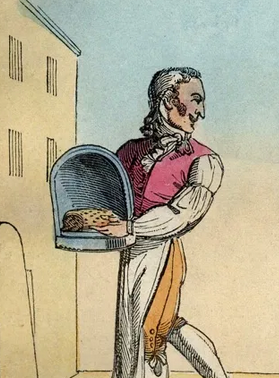
7.30 27th January 2025
With the help of a contemporary Guide Book, Jane Austen’s letters, and works we explore London in 1809.
‘The Picture of London for 1809 Being a CORRECT GUIDE to all the Curiosities, Amusements, Exhibitions, Public Establishments, and Remarkable Objects in and near London.’
This Guide Book to London might have been on Henry Austen’s shelf when his sister, Jane, came to visit him in London. But it enables us to tour the London that Jane Austen knew in some detail. We will look at the Curiosities as well as the shopping, residential, theatres areas as well as the Port, the Parks and the Palaces.
The guided walk is a thank you to Alix Gronau, who, having been to one of my lectures in 1994, wanted the book to come to me. I have had the book restored and am using it to explore London in 1809.
Jane Austen’s London Anniversary Walk
Jane Austen’s London Anniversary Walk 2.30 pm Sunday 9th February 25 To book
A Virtual Tour of Jane Austen’s Bath
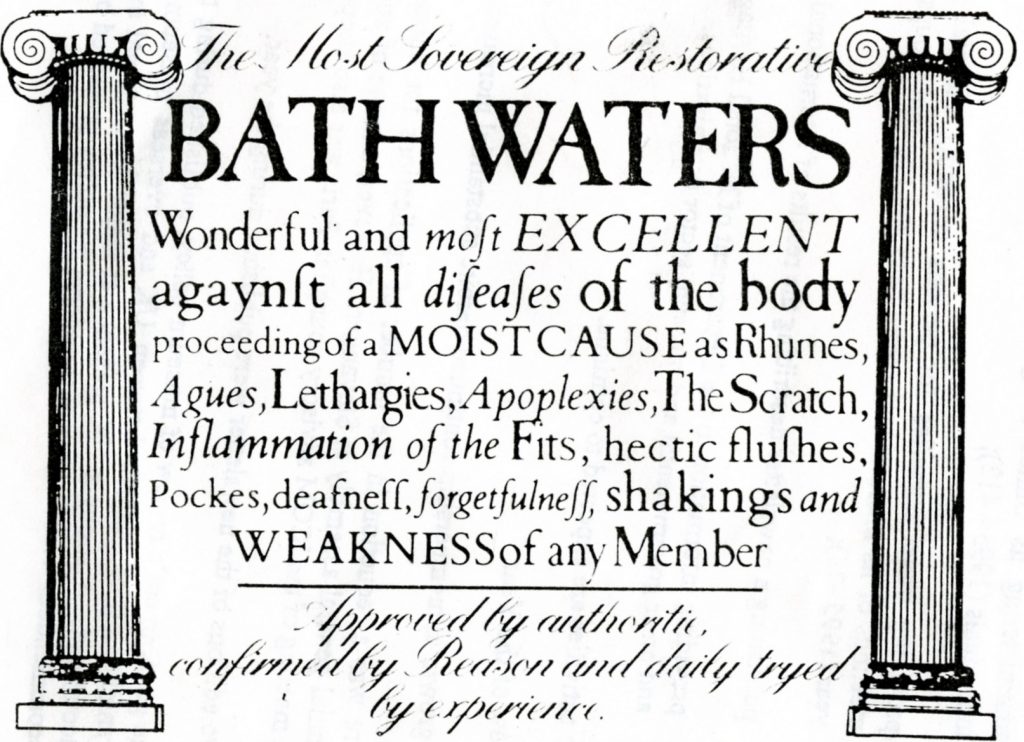
7.30pm 10th February 2025
Tudor London – The City of Wolf Hall 11.30am Sat 22nd Feb 25
Myths, Legends, Archaeology and the Origins of London
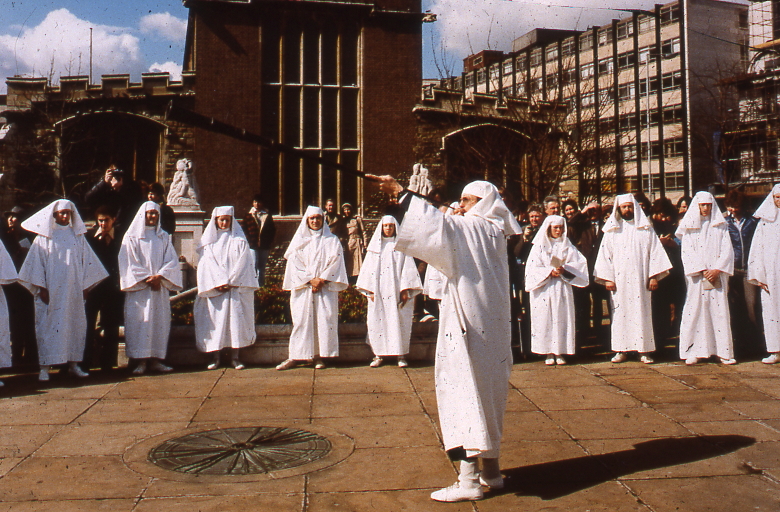
2.30pm Sat 22nd February 2025 Tower Hill Underground
The walk tells the stories of our changing ideas about the origins of London during the Prehistoric, Roman and Saxon periods.
The walk is led by Kevin Flude, a former archaeologist at the Museum of London, who has an interest both in myths, legends and London’s Archaeology.
The walk will tell the story of the legendary origins of London which record that it was founded in the Bronze Age by an exiled Trojan and was called New Troy, which became corrupted to Trinovantum. This name was recorded in the words of Julius Caesar; and, then, according to Legend, the town was renamed after King Ludd and called Lud’s Dun. Antiquarians and Archaeologists have taken centuries to demolish this idea, and became convinced London was founded by the Romans. Recently, dramatic evidence of a Bronze Age presence in London was found.
When the Roman system broke down in 410 AD, historical records were almost non-existent, until the Venerable Bede recorded the building of St Pauls Cathedral in 604 AD. The two hundred year gap, has another rich selection of legends. which the paucity of archaeological remains struggles to debunk.
The walk will explore these stories and compare the myths and legends with Archaeological discoveries.
The route starts at Tower Hill, then down to the River at Billingsgate, London Bridge, and into the centre of Roman London.
Roman London – Literary & Archaeology Walk 11.30am Sat Mar 8th 25
Jane Austen’s London Anniversary Walk 2.30pm Sat 8th Mar 25
The Decline And Fall Of Roman London Walk 11.30 Sat 22nd March 2025
London. 1066 and All That Walk Sat 2.30pm 22nd March 2025
Jane Austen’s London Anniversary Walk 11.30am Sun 6th Apr 25
Chaucer’s Medieval London Guided Walk 2:30pm Sun 6th Apr 25
and
Chaucer’s London To Canterbury Virtual Pilgrimage 7.30pm Friday 18th April 25 To book
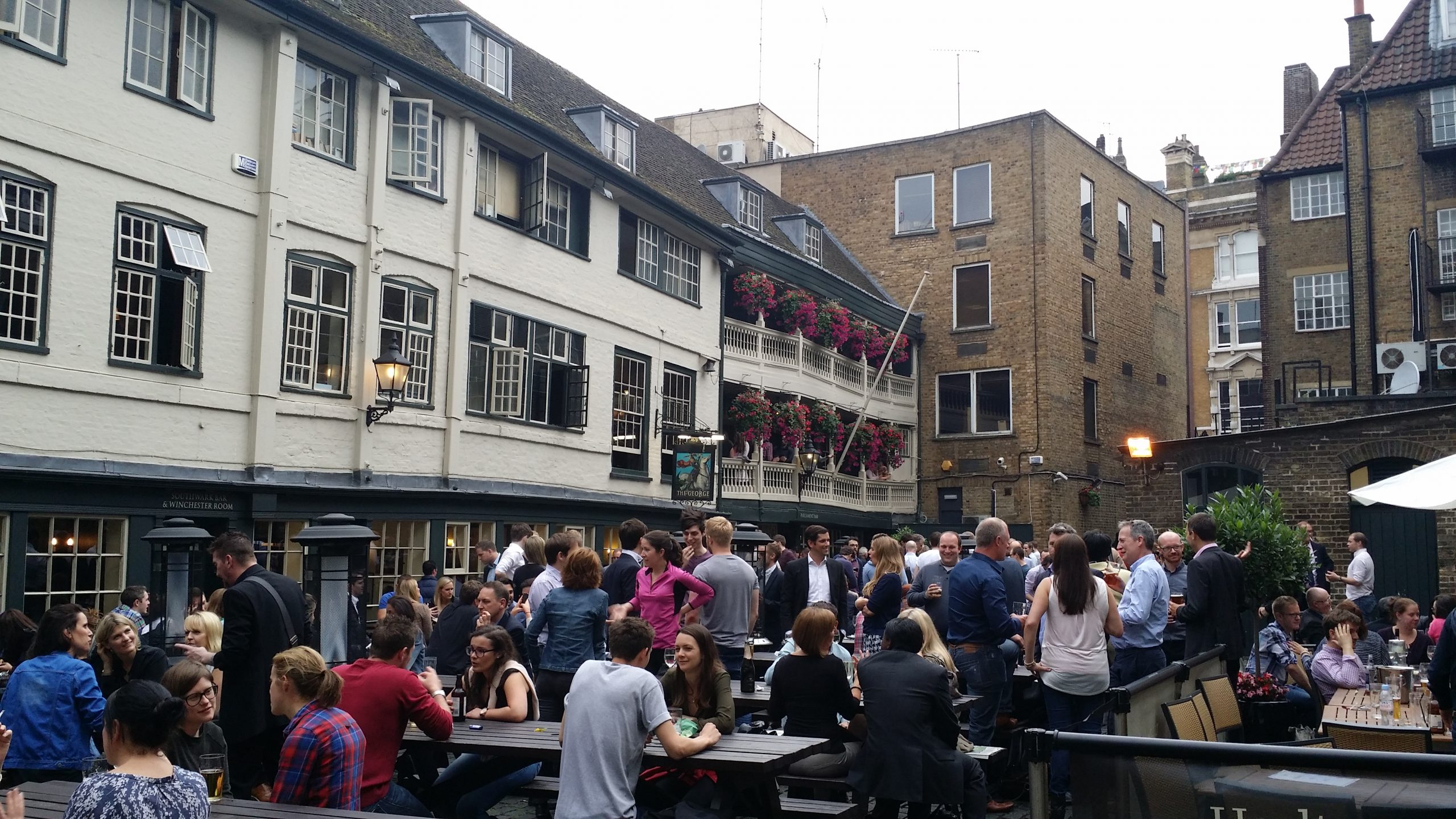
A Walk around Medieval London following in the footsteps of its resident medieval poet – Geoffrey Chaucer
One of the spectators at the Peasants Revolt was Geoffrey Chaucer, born in the Vintry area of London, who rose to be a diplomat, a Courtier and London’s Customs Officer. He lived with his wife in the Chamber above the Gate in the City Wall at Aldgate. His poetry shows a rugged, joyous medieval England including many scenes reflecting life in London. His stories document the ending of the feudal system, growing dissatisfaction with the corruption in the Church, and shows the robust independence with which the English led their lives.
His work helped change the fashion from poetry in French or Latin to acceptance of the English language as suitable literary language. This was helped by the growth of literacy in London as its Merchants and Guildsmen became increasingly successful. In 1422, for example, the Brewers decided to keep their records in English ‘as there are many of our craft who have the knowledge of reading and writing in the English idiom.’
Chaucer and other poets such as Langland give a vivid portrait of Medieval London which was dynamic, successful but also torn by crisis such as the Lollard challenge to Catholic hegemony, and the Peasants who revolted against oppression as the ruling classes struggled to resist the increased independence of the working people following the Black Death.
A walk which explores London in the Middle Ages, We begin at Aldgate, and follow Chaucer from his home to his place of work at the Customs House, and then to St Thomas Chapel on London Bridge, and across the River to where the Canterbury Tales start – at the Tabard Inn.
This is a London Walks event by Kevin Flude
Roman London – Literary & Archaeology Walk 11.30am Sun 27th Apr 25

Tudor London – The City of Wolf Hall 3:00pm Sun 27th Apr 25
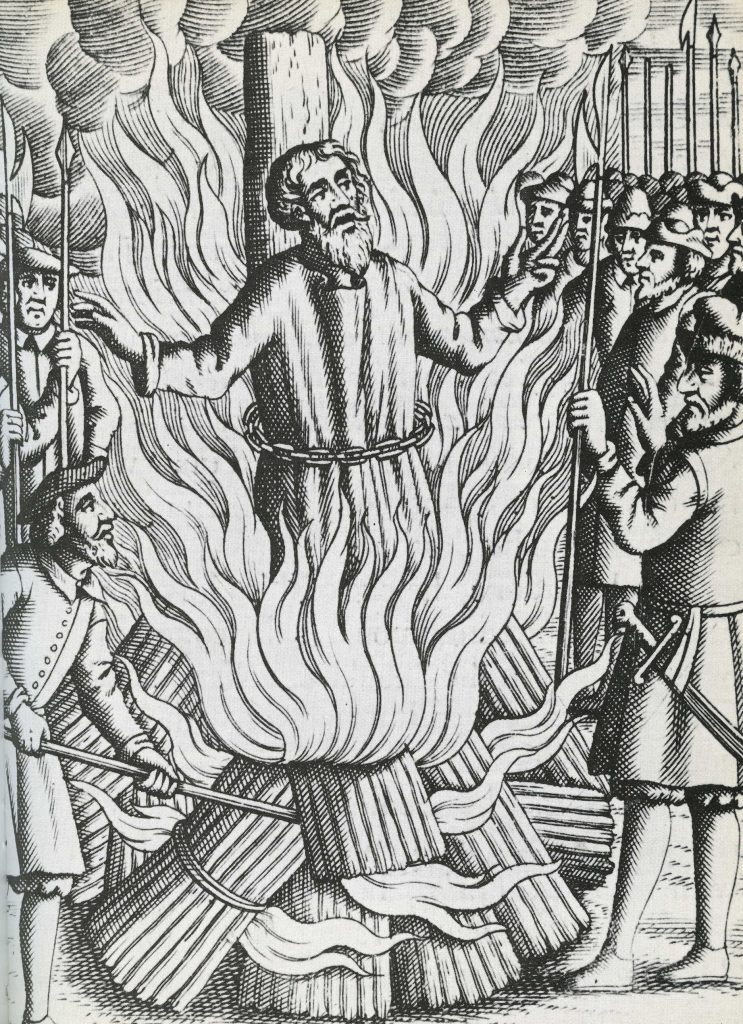
The Walk creates a portrait of London in the early 16th Century, with particular emphasis on the life and times of Thomas Cromwell and Thomas More during the Anne Boleyn years.
More and Cromwell had much in common, both lawyers, commoners, who rose to be Lord Chancellor to Henry VIII, and ended their careers on the block at Tower Hill.
The walk starts with an exploration of Smithfield – site of the stake where heretics were burnt alive and of St Bartholomew’s Monastery – given to Richard Rich after his decisive role in the downfall of Thomas More. We continue to St Paul where Martin Luther’s books were burnt, and later, where Puritans preached against dancing round the Maypole.
We walk along the main markets streets of London, to Thomas More’s birthplace, and to the site of More’s and Cromwell’s townhouses before, if time allows, finishing at the site of the Scaffold where More and Cromwell met their ends, overlooking where Anne Boleyn was incarcerated in the Tower of London
To Book:
https://www.walks.com/our-walks/tudor-london-the-city-of-wolf-hall/
A Boy From Haggerston before the War. 6pm 1st May 2025 Shoreditch Library.
Myths, Legends, Archaeology and the Origins of London 11.30am Sun 25th May 25 To book
The Decline And Fall Of Roman London Walk 3pm Sun May 25 To book
The Peasants Revolt Anniversary Guided Walk
6.30pm Wed 11th June 2025 Aldgate Underground To book
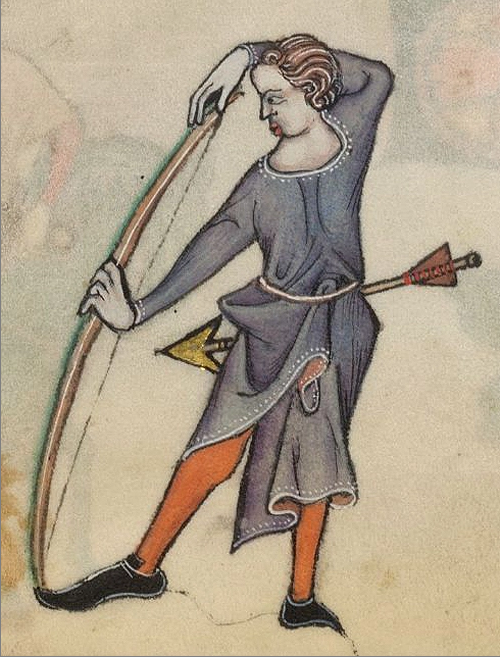
An Anniversary Walk tracking the progress of the Peasants as they take control of London in June of 1381
Short read: The Summer of Blood
Long read: The Peasants’ Revolt. The greatest popular rising in English history. This is the anniversary walk. The London Walk that heads back to 1381, back to the Peasants’ Revolt. You want a metaphor, think stations of the cross. This is the stations of the Peasants’ Revolt walk. We go over the ground, literally and metaphorically. Where it took place. Why it took place. Why it took place at these places. What happened. The walk is guided by the distinguished Museum of London Archaeologist
His expertise means you’ll see the invisible. And understand the inscrutable.
On the anniversary of the Peasants Revolt we reconstruct the events that shook the medieval world. In June 1381, following the introduction of the iniquitous Poll Tax, England’s government nearly fell, shaken to the core by a revolt led by working men. This dramatic tour follows the events of the Revolt as the Peasants move through London in June 1381.
We met up with the Peasants at Aldgate, force our way into the City. We march on the Tower of London as the King makes concessions by ending serfdom, at Mile End. But the leaders take the mighty Tower of London and behead the leaders of Richard’s government. Attacks follow on the lawyers in the Temple, the Prior at St. John’s of Jerusalem, Flemish Londoners, and on Lambeth and Savoy Palaces.
The climax of the Revolt comes at Smithfield where a small Royal party confront the 30,000 peasants.
Tudor London – The City of Wolf Hall 11.30am 13th July 2025 To Book
Jane Austen’s London Anniversary Walk 3pm Sunday 13th July 25 To book
Roman London – Literary & Archaeology Walk 11.30 am Sat 2nd Aug 2025 ToBook
Chaucer’s Medieval London Guided Walk 2:30pm Sat 2nd Aug 2025 To Book
Myths, Legends, Archaeology and the Origins of London 11.00am Sat 16th Aug25 to Book
Roman London – Literary & Archaeology Walk 6:30pm Wed 24th Sept 2025 To book
The Archaeology of London Walk 6.30pm Fri 3rd October 2025 To Book
Chaucer’s Medieval London Guided Walk 11:30pm Sat 4th Oct 25 To book
The Decline And Fall Of Roman London Walk 11.30pm Sat 8th Nov 25 To book
Jane Austen’s London Anniversary Walk 2.00pm Sat 23rd Nov25 To book
Rebirth of Saxon London 23rd Nov 25
Roman London – Literary & Archaeology Walk sat 11am 6th Dec 2025 To book
Cromwell’s and More’s Tudor London Walk 2pm 7th Dec25 To book
Jane Austen’s London Anniversary Walk 2.30pm Sun 14 Dec25 To book
Christmas With Jane Austen Virtual London Tour 7.30pmTues 16 Dec25 To book
The London Equinox and Solstice Walk 11:30pm Sun 21st Dec 25To book
The London Winter Solstice Virtual Tour 7.30pm Sun 21 Dec 25 To book
Previous Years Archives
Here are previous archive of guided walks and events
Archive of Events/Walks 2024
Archive of events/Walks 2023
Archive of Events/Walks 2022
Archive of Recent Walks (2021)
Archive of Resent Walks (2019-2020)
The Lord of Misrule & London, December 30th

On the sixth day of Christmas
My true love sent to me
6 Geese a Laying;
5 Golden Rings.
4 Calling Birds; 3 French Hens; 2 Turtle Doves
and a Partridge in a Pear Tree
The Lord of Misrule, Masters of the Revels, and Boy Bishops
The Roman festival of Saturnalia reversed the rules so that slaves, ruled and masters served. It was held between 7th and 23rd of December. It also included giving gifts. In the medieval period, the disorders of Saturnalia was continued. Monarchs, Lords and Gentlemen, City Institutions elected Lords of Misrule, Masters of the Revels, and Boy Bishops. John Stow was London’s first great historian. In his Survey of London, he wrote of the Lords of Misrule in London. They were chooses at Halloween and continued until Candlemas, in early February. See my post here for more details on Candlemas.
From John Stow’s Survey of London
This is what Stow says:
Now for sports and pastimes yearly used.
First, in the feast of Christmas, there was in the king’s house, wheresoever he was lodged, a lord of misrule, or master of merry disports, and the like had ye in the house of every nobleman of honour or good worship, were he spiritual or temporal. Amongst the which the mayor of London, and either of the sheriffs, had their several lords of misrule, ever contending, without quarrel or offence, who should make the rarest pastimes to delight the beholders.
These lords beginning their rule on Alhollon eve, continued the same till the morrow after the Feast of the Purification, commonly called Candlemas day. In all which space there were fine and subtle disguisings, masks, and mummeries, with playing at cards for counters, nails, and points, in every house, more for pastime than for gain.
Against the feast of Christmas every man’s house, as also the parish churches, were decked with holm, ivy, bays, and whatsoever the season of the year afforded to be green. The conduits and standards in the streets were likewise garnished; (…) , at the Leaden hall in Cornhill, a standard of tree being set up in midst of the pavement, fast in the ground, nailed full of holm and ivy, for disport of Christmas to the people…
John Stow, author of the ‘Survey of London‘ first published in 1598. Available at the wonderful Project Gutenberg: ‘https://www.gutenberg.org/files/42959/42959-h/42959-h.htm’

Bedecking and the Maypole
Holm is an evergreen oak. Its Latin name is Quercus ilex. The Tree in Leadenhall Street was also used as the Maypole. And he tells us it was destroyed in the great wind of 1444. You can read all about that here. You might also like to see my posts. These include information about John Stoww and midsummer celebrations and Boy Bishops, and l Stow’s Memorial.
First Published on December 30th 2023 and revised in 2024,2025
St John’s Day. Forecasting the Weather. December 27th

On the third day of Christmas
My true love sent to me:
3 French Hens
2 Turtle Doves
And a Partridge in a Pear Tree
Folklore is full of risible methods of forecasting the future and Gervase Markham’s ‘The English Husbandman of 1635 is no exception. He says:
‘What weather shall be on the sixth and twentieth day of December, the like weather will be all the month of January.’
Then and so on for the 12 days of Christmas. Please note that he numbers the 12 days from the 26th, not as I have done from the 25th. I deal with this in one of the forthcoming posts.
So the weather today, the 27th, will be the weather for ‘the following February’ if you follow Markham, or March if you follow me. And so on until the 12th Day when that will give you the weather on December 2026.
According to Gervase’s method, then weather in early 2026 will be cold but sunny.
The St Johns
This is St, John’s Day, he who was loved by Jesus and, possibly also wrote the Gospel. So, he is the patron saint of booksellers, publishers, printers, writers and friendship. Lecterns in the Church of England are normally shaped as an Eagle as this is the symbol of St John.

John was the brother of James, and with Peter the three were Jesus inner support group. In the Gospel, an unnamed disciple is called ‘the disciple who Jesus loved’. This is thought to be John. The loved one is said to have ‘borne witness and wrote’ the gospel according to John. John the Evangelist is often identified as John the Apostle. There are also three letters attributed to John, as well as the Book of Revelations. It is still a controversial subject, but Revelations is generally thought to be by a different John. Some believe the letter writer was another John. There could be as many as 4 Johns or as few as one. ‘He’ appears to have lived to a grey haired old age, was not martyred, although escaping death from a poisoned chalice. He was supposed to have been challenged by a pagan to drink a poison potion. He took on the challenge and, not only survived, but resurrected two people killed by the poison.
It worries me all these saints who resurrect people. There is St Winifred whose head St Bono successfully put back on her shoulder. Then St Werburgh of Chester who’s favourite goose had been cooked, and she managed to resurrect him. Surely, if you are a believer then the Resurrection is the central miracle (along with the virgin birth) which ‘legitimises’ your faith? And these other miracles make it somewhat ‘trivial’? In the case of the Goose almost a party trick? Although maybe the Goose and St Winifred thought differently about it? Please read my post on St Bono and St Winifred here.
In the beginning was the Word
The Gospel opens with these famous words:
‘In the beginning was the Word, and the Word was with God, and the Word was God. The same was in the beginning with God. All things were made by him; and without him was not any thing made that was made. In him was life; and the life was the light of men. And the light shineth in darkness; and the darkness comprehended it not.’
John is normally depicted with an Eagle, or at the bottom of the Cross with Mary. Or with a palm frond which I always think of as a quill (he being a writer). Or with a chalice.
The use of the Eagle as a symbol goes back to
‘Jerome’s Commentary on Matthew, which says it signifies “John the Evangelist who, having taken up eagle’s wings and hastening toward higher matters, discusses the Word of God”‘
according to www.christianiconography.info
Or perhaps referring to his ‘soaring’ prose?
On This Day
Today, is the day, Freemasons install their Grand Master. I wonder if this has anything to do with the Holy Grail being a chalice?
Ring in the New Year.
Remember, on 1st January 7.30 I am doing my annual ‘Ring in the New Year’ virtual walk for London Walks where I look at all things New Year. To see more details, click here:
First Published in December 2021, revised and republished in December 2023, 2024,2025
No More Christmas December 23rd, 1652
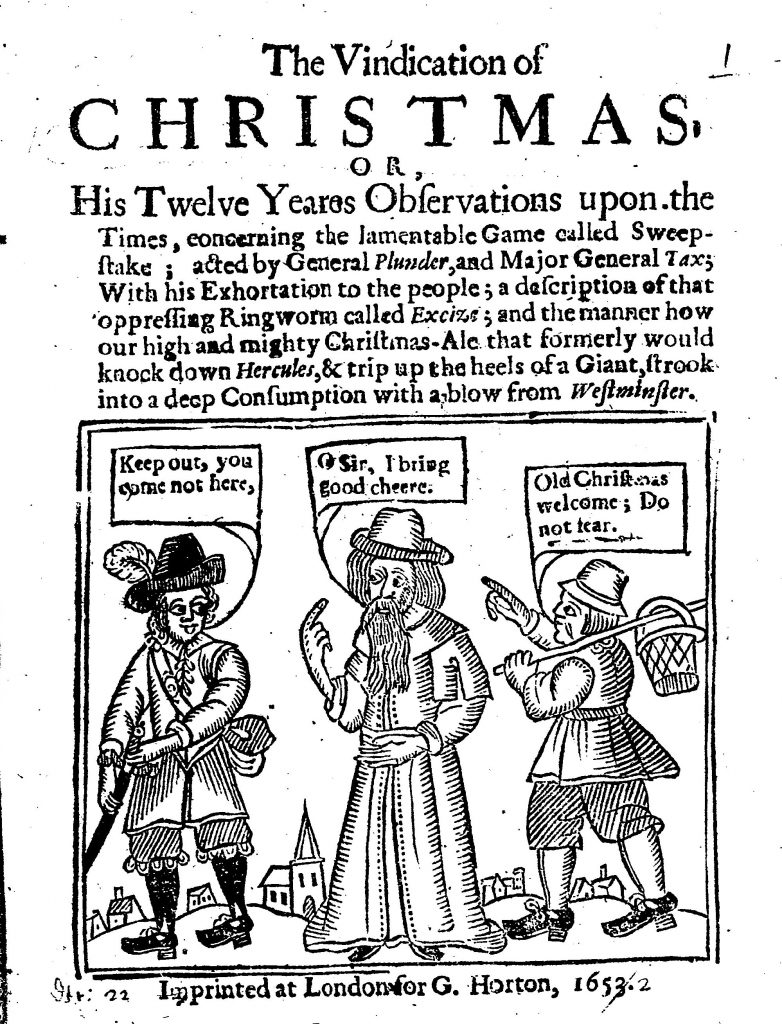
23rd December 1652 Resolved by Parliament. : ‘That no Observation shall be had of the five-and-twentieth day of December, commonly called Christmas-Day.’
This was one of several bans on Christmas that Parliament introduced. (Parliament not Cromwell). It banned Christmas Services and ordered that shops be kept open, but it was, at least, inside people’s homes, largely unenforceable.
The logic for banning it was that Christmas is not mentioned in the Bible and was thus a Catholic superstition.
Christmas struggled through the Commonwealth, and then came back with a bang in 1660 on the Restoration of Charles II. However, it did shorten the period of Christmas festivities and make it more low-key, really all the way till the 19th Century when Dickens and Washington Irving revived the traditions of Christmas.
For my post on Cromwell’s lucky Day click here
On This Day
1800 – Jacquard Patents his First loom, and begins the digitisation of the world.
First Published in 2023, revised 2025
Drink at a Georgian Christmas December 23rd
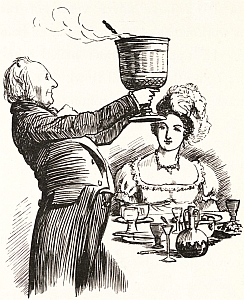
Drink at a Georgian Christmas might well be port. Then the next favourites would brandy, claret, punch, rum, porter. So says my source Henry Jeffreys in his book ‘Empire of Booze’ and in this Guardian article:
Claret, probably, originally outsold port. But the wars against France and the difficulty of importing French wine, saw a transfer to wines from our ‘oldest ally’ Portugal. But the travel distance was longer, so the wine was fortified to help preserve it better. Hence, the British addiction to port. Sherry was also popular for similar reasons, being a fortified white wine. Shakespeare calls it ‘sack’ and sometimes ‘Canary’. (Toby Belch ‘says thou lack’st a cup of canary ‘ in ‘Twelfth Night’, which is a Christmas play.) See below for more on Sack and Shakespeare.
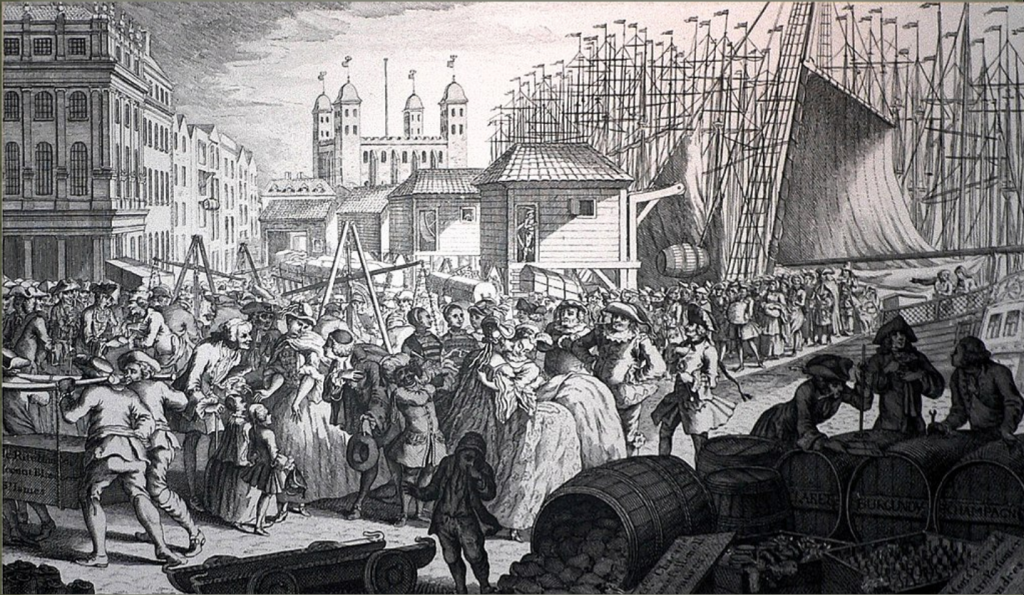
Georgian Alcohol consumption was prodigious. Samuel Johnson said, ‘All the decent people in Lichfield (where Johnson came from) got drunk every night and were not the worst thought of‘. The Prime Minister. William Pitt the Younger said, ‘I have drunk three bottles of port without being the worst for it. University College has witnessed this.’ He is referring to his college at the Oxford University. He might be considered to be another of our Prime Ministers who have first disgraced themselves at Oxbridge only to rise to rule the unfortunate British nation? However, in those days, Port was sold in pint measures (45cl) and was 16%, while now it is 20% and sold in 75cl bottles. So, maybe we are almost as bad?
Even so, three bottles is still a lot. A drunken population would have not only increased the death rate but also increased violence and abuse. Gout was one result of too much drinking and a rich diet.
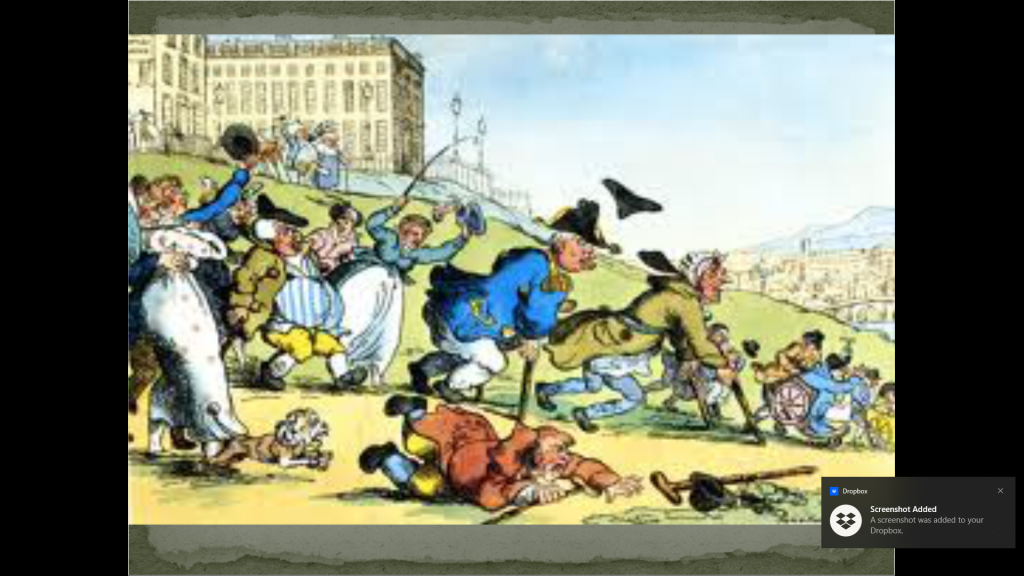
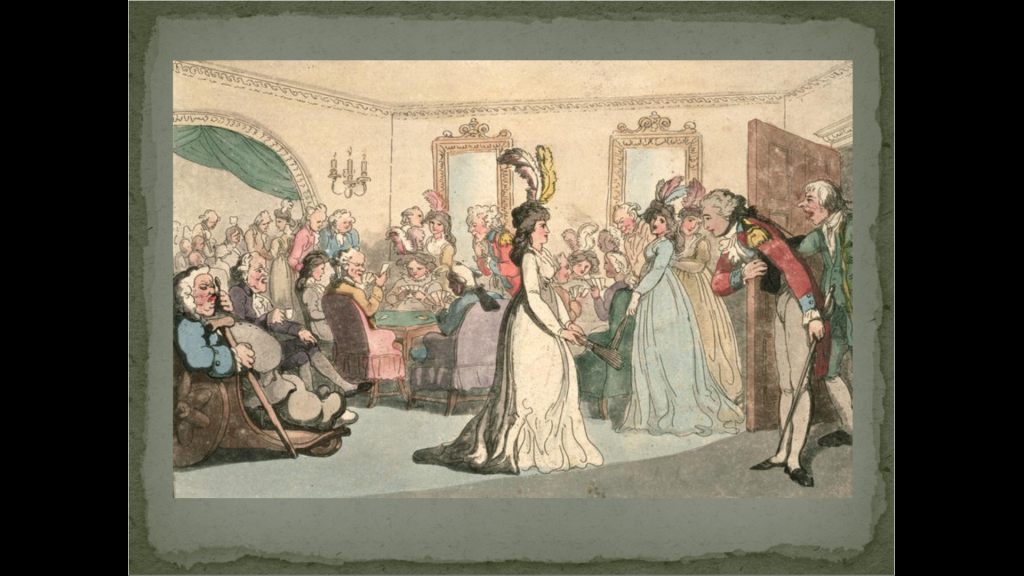
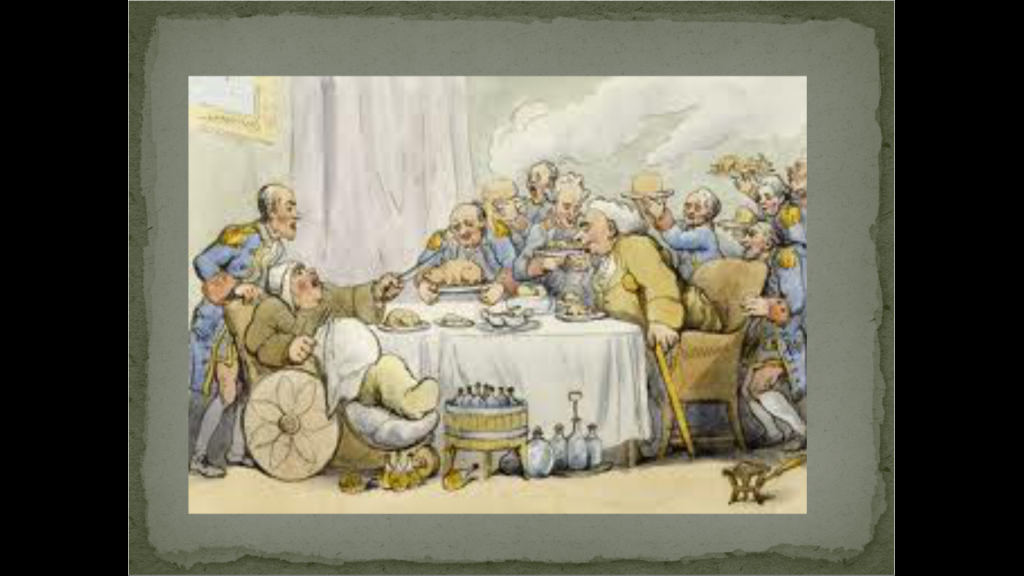
However, this is Christmas so let’s end on a high note, so here are a couple of recipes!
To make ye best punch
“Put 1½ a pound of sugar in a quart of water, stir it well yn put in a pint of Brandy, a quarter of a pint of Lime Juice, & a nutmeg grated, yn put in yr tosts or Biskets well toasted.”
Katherine Windham’s Boke of Housekeeping, 1707
Gin
And Gin? The cheap gin panic had calmed down by the 1770s after no less than eight Gin Acts of Parliament. Booths and Gordon’s Gins were established in London during this period and Gin almost a respectable drink.
There appears to have been a shortage of Gin punch recipes in the 18th Century, but by the end of that century this recipe survives from London’s Garrick Club
– half a pint of gin, lemon peel, lemon juice, sugar, maraschino, a pint and a quarter of water and two bottles of iced soda water.
You would not need many of these to become quite relaxed quite quickly!
Sack and Falstaff.
Sir John Falstaff in Henry IV eulogies on sack saying it not only makes for excellent wit but also the best soldiers:
“A good sherris sack hath a two-fold operation in it. It ascends me into the brain, dries me there all the dull and crudy vapors which environ it, makes it apprehensive, quick, forgetive, full of nimble, fiery, and delectable shapes, which, delivered o’er to the voice, the tongue, which is the birth, becomes excellent wit“.
The second your excellent sherris is the warming of the blood; which
cold and settled, left the liver white and pale, which is the
badge of pusillanimity and cowardice; but the sherris warms
and makes it course from the inwards to the parts extremes.
illumineth the face, which, as a beacon, gives warning to all
rest of this little kingdom, man, to arm; and then the vital
commoners and inland petty spirits muster me all to their
captain, the heart, who, great and puff’d up with this
doth any deed of courage—and this valour comes of sherris.
that skill in the weapon is nothing without sack, for that
it a-work; and learning, a mere hoard of gold kept by a devil
till sack commences it and sets it in act and use. Hereof
it that Prince Harry is valiant; for the cold blood he did
naturally inherit of his father, he hath, like lean, sterile,
bare land, manured, husbanded, and till’d, with excellent
endeavour of drinking good and good store of fertile sherris,
that he is become very hot and valiant. If I had a thousand
the first humane principle I would teach them should be to
forswear thin potations and to addict themselves to sack.
Merry Wives of Windsor
In the Merry wives of Windsor Falstaff is still always drinking sack. He asks Bardolph ‘Go fetch me a quart of sack; put a toast in’t.‘ Toast is thought to freshen up stale sack. Also, it could be drunk hot as suggested by Falstaff asking for:
‘Go brew me a pottle of sack finely.’
Bardolph asks if he wants the sack with eggs but Falstaff refuses asking for his sack to be a
‘Simple of itself; I’ll have no pullet-sperm in my brewage.’
A simple is the opposite of a compound, so pure with no additions (apart from the toast!). Pullet sperm is, in think, a dismissive reference to eggs. Sack posset was original a medicine but later a popular treat made with eggs, cream, spices and sack. Once concocted, the top would be a foamy or crusty cap, the middle a custard and the bottom a spicy hot alcohol.
First Published in 2022 and revised December 2023, 2024, 2025
Greater Cycles & the Ages of Man December 19th
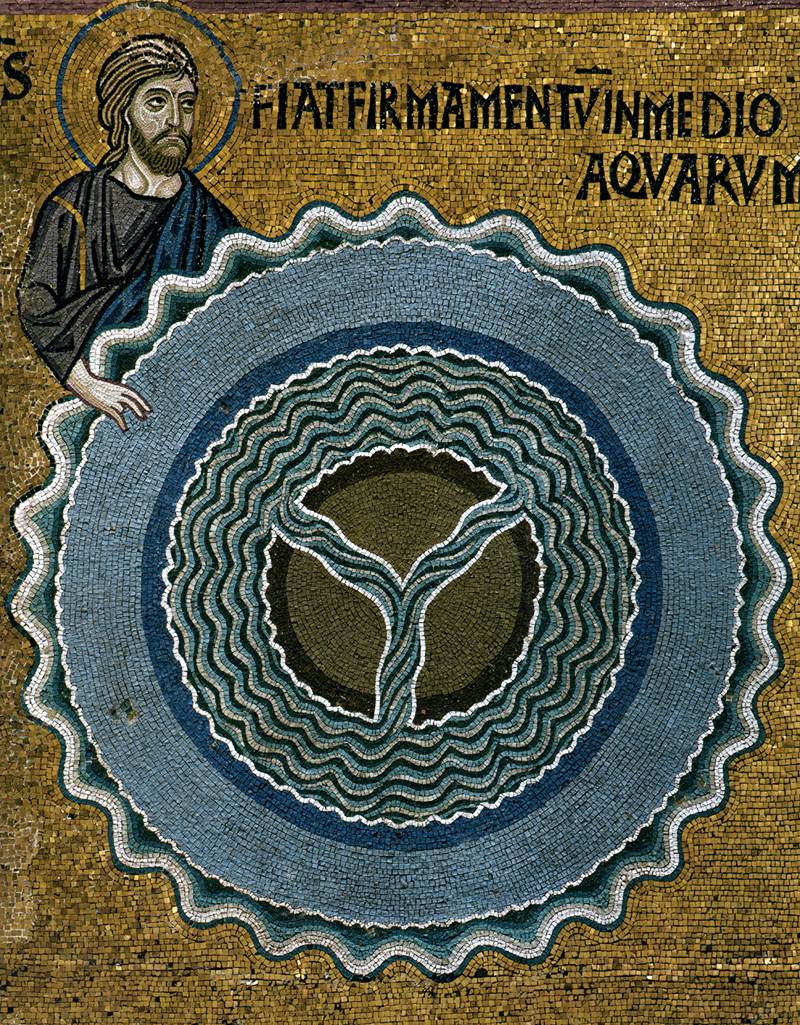
We are coming up to the key days in the year. And so will be looking at calendars and counting days. But what about ages, epochs and aeons?
‘Practical Magic in the Northern Tradition’ reports that there are seven ages of the world:
This is how they calculate it: the life of a yew tree is 729 years, and there are seven ages from the creation of the world until its doom. So the world will last 5103 years.
‘Practical Magic’ divides ages up as follows:
A wattle has a life of 3 years (1*3)
Three wattles are the life of a hound – 9 years (3*3)
Three hounds are the life of a steed – 27 years (9*3)
Three steeds are the life of a man – 81 years (27*3)
Three men are the life of an eagle – 243 years (81*3)
Three Eagles are the life of a yew. – 729 years (243*3)
How Old is a Yew Tree/Eagle
A comment by a reader has prompted me to write the following about the ages given above:
‘Practical magic’ says the poem is ‘Ancient’. So it’s folklore and not science, and the ages are opinion not scientific fact.
As I understand it Yew trees live a long time but not quite as long as many people think. I base this on the Yew Tree at Steventon, Hampshire where Jane Austen was born. The tree has/had a plague on it saying it was 1200 years old. I used to visit it regularly. On one visit, I was told that an expert opinion suggested it was more like 700 years old. (ifmy memory serves). I do not have the details, but my source would have been one of the people associated with the Church.
The Woodland Trust (says Yew Trees get old at 900 years. They cite a few which are ‘said to be’ over 2000 years old. But are they? The scientific sites I have looked at suggest that Yew Trees should be described as ‘ancient’ from 400 not 900 years. There are problems with dendrochronology dating of yew trees, and so most methods depend upon an estimation from the width of the tree trunk. But that, itself, depends upon how much you believe in the claims of the ancient trees. So, I think it’s best to take the extreme cases with a very large pitch of salt. So 729 years is probably not so far off the mark for a Yew tree.
As to Eagles, this website on eagles says they can live to 30ish in the wild and 68 years in captivity. So the claim for 243 years is way off the mark! Wattles what are they? I have searched, but not found any reference. My guess is a short-lived bird.
The End Was Nigh
Archbishop Usher of Armagh (1581 – 1656) calculated that the world was created in 4004 BC. He counted the begettings in the Bible. If we accept his date, and apply the seven yew tree ages rule (5,103), then the world should have ended in AD 1099 (give or take a year). But it didn’t end then, did it? We are in the 9th Age and counting.
It doesn’t make sense to me to have a factor of 3 for the smaller divisions, and then to switch to a factor of seven. Surely, far more logical is to have a factor of 3*3 years. So, if there were nine ages of the world, then it would survive for 6561 years, which will end in approx. 535 years time (cAD2557). This calculation has the massive advantage of not yet being proved wrong! (Please note, cult owners, I have copyright on this date).
It’s notable that when a Cult declares the imminent end of the world, and they trudge up to the top of a high eminence to observe it (normally by Hampstead Pond in London). They seem quite happy to trudge back down again. Soon they are up and running again with the same enthusiasm for the next ‘end of the world’ date.
Of course, the world was created around 4.54 ± 0.05 billion years ago according to Wikipedia. According to the Doomsday Clock the world will end at 12 O’clock and we are 89 seconds away from it. This is based on a catastrophic end for our civilisation. If we avoid this then other scientists have suggested mammals will be wiped out in approximately 250 million years.
Abrahamic Ages
The Jewish tradition was for six or seven ages of 1000 years. The seventh didn’t really count because it was the age of the messiah when there was a 1000-year sort of super sabbath. Or another idea is that it was an age that ran parallel with the other six. So the world was to be 6000 years long.
With the coming of Christianity, dating the Creation, and (therefore the Day of Judgement) became more important. The Romans dated from the foundation of Rome, and the Greeks from the First Olympiad. But beyond that they had a whole mythology and creation myths about an Age of Gold. Followed by a Bronze Age (Troy and all that) followed by their very own base Iron age. You can read about this in my post about Hesiod.
The Anno Munda
An early Christian attempt to tell the age of creation was the Anno Munda‘s arrangement of the Year. This is pretty complicated and is based on a Talmudic tradition. A late Roman version uses ‘the Diocletian Years’, which is when the persecution of Christians began. It held that the world was created 5500 years before the Birth of Christ. So we are 5500BC plus 2025 years since the date of the creation. And it was supposed to have ended in 500AD. 6000 years after the Creation. so we have outlived Creation by 1525 years.
St Augustine of Hippo took the tradition of six ages and brought it into the Christian canon. These are the six ages:
- The First Age “is from the beginning of the human race. That is, from Adam, who was the first man that was made. Down to Noah, who constructed the ark at the time of the flood“, i.e. the Antediluvian period.
- The Second Age “extends from that period on to Abraham, who was called the father indeed of all nations”.
- The Third Age “extends from Abraham on to David the king”.
- The Fourth Age is “from David on to that captivity whereby the people of God passed over into Babylonia”.
- The Fifth Age is “from that transmigration down to the advent of our Lord Jesus Christ“
- The Sixth Age: “With His [Jesus Christ’s] coming, the sixth age has entered on its process.”
As each age is 1000 years, then you can see why so many people were worried as 1000 AD approached.
The Seven Ages of Man
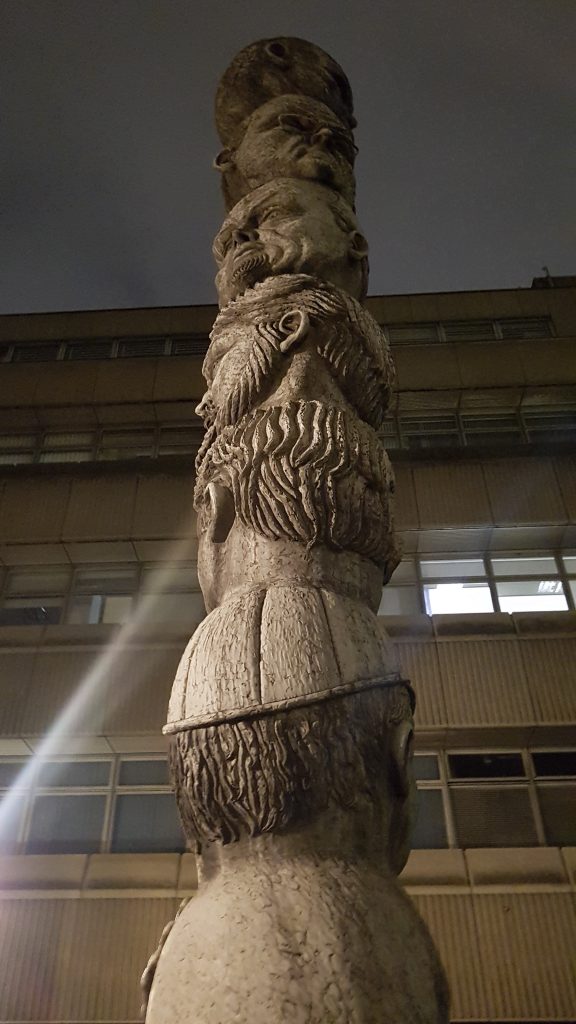
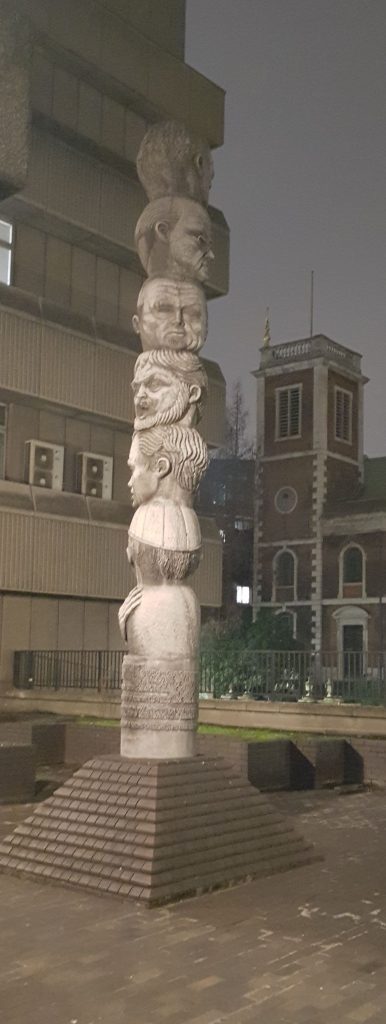
The Age of Man can also relate to the average age of a human lifespan. Of course, six is not such a magical number as seven, and so Shakespeare ran with the idea in the Seven Ages of Man spoken by Jacques in ‘As you like it’. If there are seven ages of human life, and we have a span of six score and ten, then each age is ten years.
All the world’s a stage,
And all the men and women merely players;
They have their exits and their entrances,
And one man in his time plays many parts,
His acts being seven ages. At first, the infant,
Mewling and puking in the nurse’s arms.
Then, the whining school-boy with his satchel
And shining morning face, creeping like snail
Unwillingly to school. And then the lover,
Sighing like furnace, with a woeful ballad
Made to his mistress’ eyebrow. Then, a soldier,
Full of strange oaths, and bearded like the pard,
Jealous in honour, sudden, and quick in quarrel,
Seeking the bubble reputation
Even in the cannon’s mouth.
And then, the justice,
In fair round belly, with a good capon lined,
With eyes severe, and beard of formal cut,
Full of wise saws, and modern instances,
And so he plays his part. The sixth age shifts
Into the lean and slippered pantaloon,
With spectacles on nose and pouch on side,
His youthful hose, well saved, a world too wide
For his shrunk shank, and his big manly voice,
Turning again toward childish treble, pipes
And whistles in his sound. Last scene of all,
That ends this strange eventful history,
Is second childishness and mere oblivion,
Sans teeth, sans eyes, sans taste, sans everything.
(Jacques, Act 2, Scene 7)
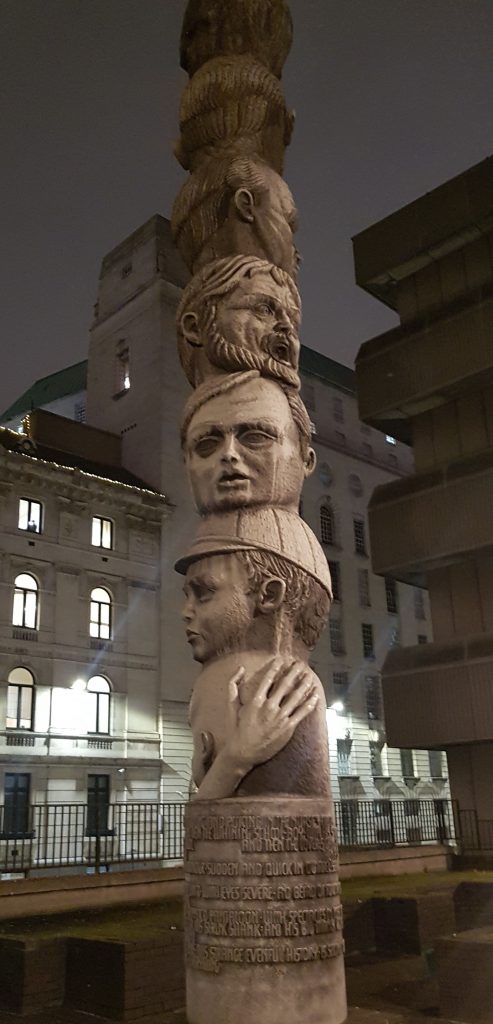
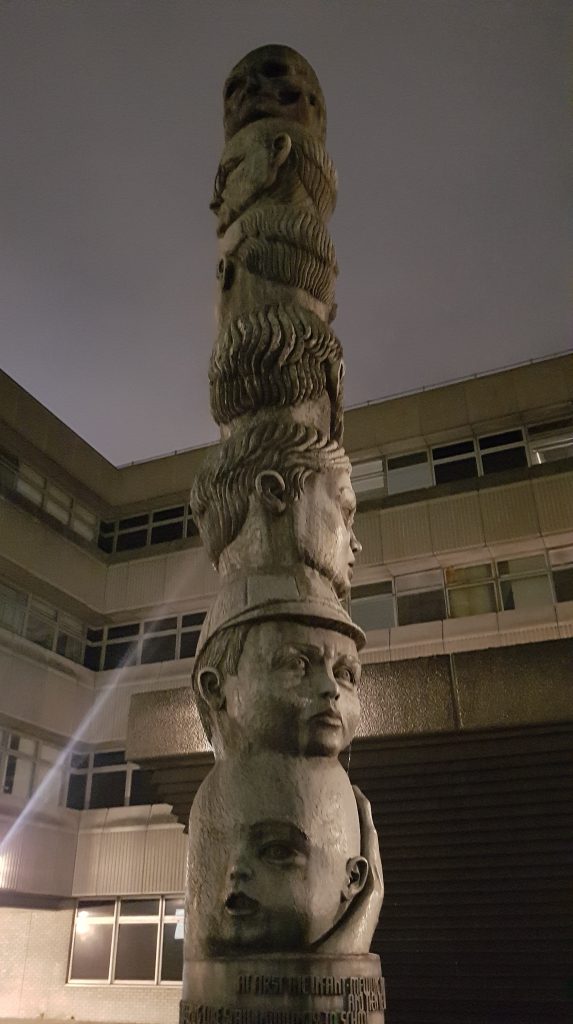
The Kalendar of Shepherds
Now, the Kalendar of Shepherds has a similar idea, but it calculates it differently. The Kalendar, based on a 15th Century French original, says there are 12 ages of man, corresponding with the 12 months of the year. Each age is 6 years long, and so our likely lifespan is 72.
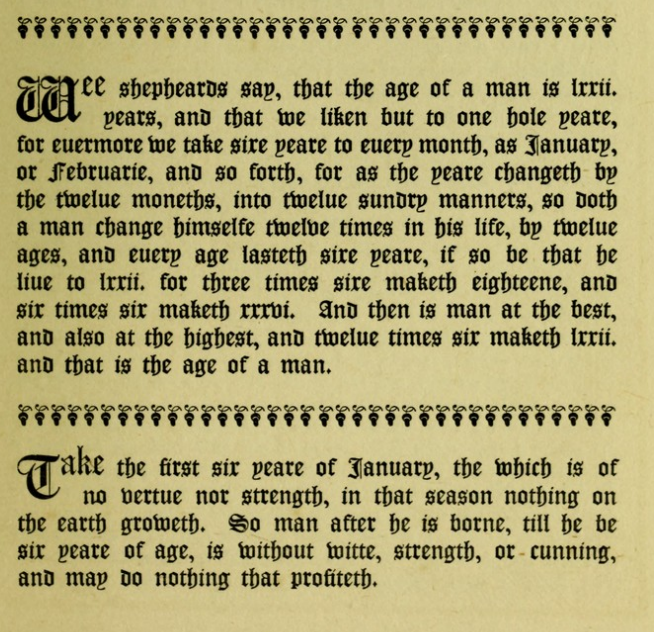
Each month is allocated to one of the ages, and has an insight into human life for that span. In January, the first 6 years of a human life are mapped out. If you read above you will see we have no ‘wit, strength or cunning. Nor ‘may do nothing that profiteth’ in those first years. A little harsh, and as a fond grandfather, it, I refute it. In December, the last 6 years are prefigured.
Our alloted span, says Practical Magic is 81 years, Kalendar of Shepherds say 72, and Shakespeare offers us 70.
The Office of National Statistics says:
‘In 2022 to 2024:
- Life expectancy at birth in the UK was 83.0 years for females and 79.1 years for males. This is an increase of 18 weeks from 82.7 years for females and 21 weeks from 78.7 years for males since 2019 to 2021.‘
Capella Palatina, Sicily
By the way, the Capella Palatina, illustrated at the top of this post, is a marvel of gold mosaics. It is absolutely stunning. It makes a trip to Palermo a must.
On This Day
1843 – Charles Dickens published ‘A Christmas Carol’
First Published on December 18th 2022, revised and republished in December 2023, 2024,2025
Collect your Holly & Ivy December 18th

So, the old Sun is dying, and if the Sun keeps going down we are all going to die. With all of nature dying or hibernating, evergreens are a symbol of a promise/proof that life will continue through the dark days. So, with its bright-green leaves and its luminous berries, Holly is the ideal evergreen for the Solstice. And as the prickles symbolise Christ’s Crown of Thorns, and the berries the red blood of Jesus, the symbolism works, too, for Christians.
Henry Mayhew (editor of Punch) in his ‘London Labour and London Poor’ (1851–62) talks of Christmasing for Laurel, Ivy, Holly, and Mistletoe. He calculated that 250,000 branches of Holly were purchased from street coster mongers every Christmas. He says that every housekeeper will expend something from 2d to 1s 6d, while the poor buy a pennyworth or halfpennyworth each. He says that every room will have the cheery decoration of holly. St Pauls Cathedral would take 50 to a 100 shillings worth.
He also calculates that 100,000 plum puddings are eaten. Mistletoe he believes is less often used than it used to be, and he hopes that ‘No Popery’ campaigners will not attack Christmassing again.
from the Gentle Author Spitalfields Life website
Culpeper on Ivy (1814 edition):
‘Ivy’ says Culpeper in his Herbal of 1653, its winter-ripening berries are useful to drink before you ‘set to drink hard’ because it will ‘preserve from drunkenness’. And, moreover, the leaves (bruised and boiled) and dropped into the same wine you had a ‘surfeit’ of the night before provides the ‘speediest cure’. (The Perpetual Almanac of Charles Kightly)
It is so well known to every child almost, to grow in woods upon the trees, and upon the stone walls of churches, houses, &c. and sometimes to grow alone of itself, though but seldom.
Time. It flowers not until July, and the berries are not ripe until Christmas, when they have felt Winter frosts.
Government and virtues. It is under the dominion of Saturn. A pugil of the flowers, which may be about a dram, (saith Dioscorides) drank twice a day in red wine, helps the lask, and bloody flux. It is an enemy to the nerves and sinews, being much taken inwardly, out very helpful to them, being outwardly applied. Pliny saith, the yellow berries are good against the jaundice; and taken before one be set to drink hard, preserves from drunkenness, and helps those that spit blood; and that the white berries being taken inwardly, or applied outwardly, kills the worms in the belly. The berries are a singular remedy to prevent the plague, as also to free them from it that have got it, by drinking the berries thereof made into a powder, for two or three days together. They being taken in wine, do certainly help to break the stone, provoke urine, and women’s courses. The fresh leaves of Ivy, boiled in vinegar, and applied warm to the sides of those that are troubled with the spleen, ache, or stitch in the sides, do give much ease. The same applied with some Rosewater, and oil of Roses, to the temples and forehead, eases the head-ache, though it be of long continuance. The fresh leaves boiled in wine, and old filthy ulcers hard to be cured washed therewith, do wonderfully help to cleanse them. It also quickly heals green wounds, and is effectual to heal all burnings and scaldings, and all kinds of exulcerations coming thereby, or by salt phlegm or humours in other parts of the body. The juice of the berries or leaves snuffed up into the nose, purges the head and brain of thin rheum that makes defluxions into the eyes and nose, and curing the ulcers and stench therein; the same dropped into the ears helps the old and running sores of them; those that are troubled with the spleen shall find much ease by continual drinking out of a cup made of Ivy, so as the drink may stand some small time therein before it be drank. Cato saith, That wine put into such a cup, will soak through it, by reason of the antipathy that is between them.
https://www.complete-herbal.com/culpepper/ivy.htm
Happy Eponalia
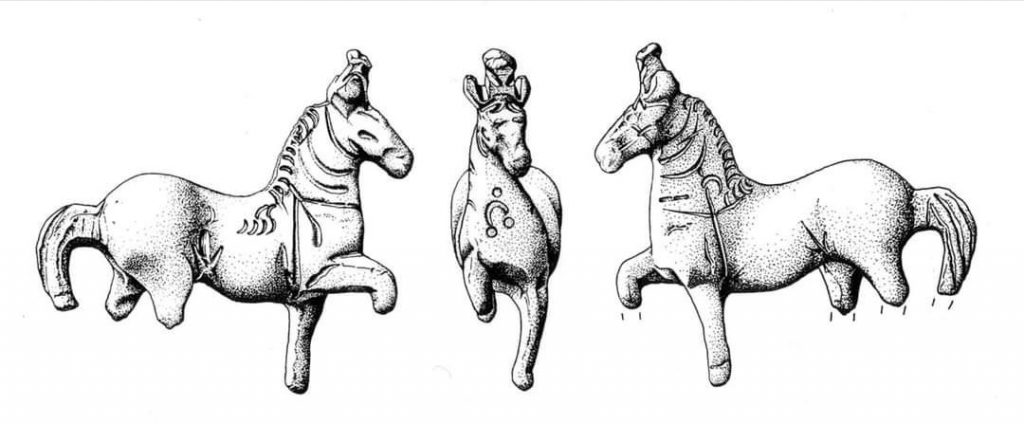
In 2021 I posted about Eponalia for the 18th Dec but I have now added the text to this page.
I’ve been too busy working on my Jane Austen and Christmas Virtual Tour ) to post over the last few days. And I have, therefore, shamelessly stolen this post off my Facebook friend Sue Walker, who is a talented archaeological illustrator, artist and a very good photographer.
She wrote: ‘the 18th December is the festival of the Celtic goddess Epona, the protector of horses, she was adopted by the Romans and became a favourite with the cavalry. This finely sculpted bronze horse with a head dress and symbol on its chest is 37mm high – found in Bunwell #Norfolk #Archaeology’
First published on December 17th 2022, Revised and republished December 2023
St. Lucy & Eye Care through the Ages December 14th

So, on St Lucy’s Day, you, being someone worried about your eyes, might have sought an altar dedicated to St Lucy, the patron saint of eye health. (see December 13th’s Post on St Lucy). Although you may be disappointed that there has been no miraculous cure for you, you might have been encouraged to do something about it. So that’s what this post is about.
There are only two churches in the UK dedicated to St Lucy or St Lucia. One run by the National Trust in Upton Magna, Shropshire, but there must have been a few chapels in Cathedrals and Abbeys dedicated to her. I have my eyes open for them!
For Redness of the Eye or Pink Eye
There are many household books still, existing. These show that much of medical practice was carried out in the home, by ordinary men and women. More often women, actively not only collected useful recipes and cures, but also tested them out and improved them. Here is an example:
For the redness of eyes, or bloodshot. Take red wine, rosewater, and women’s milk, and mingle all these together: and put a piece of wheaten bread leavened, as much as will cover the eye, and lay it in the mixture. When you go to bed, lay the bread upon your eyes calmer and it will help them.
Fairfax Household book, 17th/ 18th century. (Reported in The Perpetual Calendar of Folklore by Charles Kightly)
‘Pink eye’ is mentioned in a document unearthed at the Roman Fort of Vindolanda. It lists the troops of the Cohort in occupation. We read that of the garrison of 750, 474 are absent with 276 in the fort of which 38 are sick, 10 with ‘pink eye’. This is probably conjunctivitis.
Prevention is better than cure
Things hurtful to the eyes. Garlic, onions, radish, drunkenness, lechery, sweet wines, salt meats, coleworts, dust, smoke, and reading presently after supper.
Good for the eyes. fennel, celandine, eyebright, vervain, roses, cloves and cold water.
Whites Almanack 1627
Cataract operations
Cataract operations have been carried out since 800 BC using a method called ‘couching’.
“The practitioner would sit facing the patient and pass a long needle through the cornea to impale the lens. “He would then forcibly dislodge the lens — rupturing the zonules — and push it into the vitreous cavity, where it would hopefully float to the bottom of the eye and out of the visual axis.”
This was a last resort when the cataract was opaque and the patients nearly blind. It would mean they would need very thick lenses to see well again but, crude as it seems, it worked.
But the operation, without anaesthetics must have been a considerable ordeal. The recovery (still required today for those suffering from a displaced retina) means that the patient has to lie on their back for a week with supports on either side of the head to prevent movement. Of course, there was a serious risk of infection, so prophylactic visits to a chapel of St Lucy might be called for.
The modern treatment for cataracts was established in the 1940s and offers a great solution in 15 minutes surgery. Currently, the NHS has been having trouble dealing with all the cases required, (6% of surgery is for cataract operations). Before COVID-19, there was some talk about cataracts being, in practice, not readily available on the NHS. The waiting time is supposed to be 18 weeks but, for example, at NHS Chesterfield Royal Hospital the waiting time approaches almost 10 months. But waiting times around the country vary from 10 weeks to over a year.
Patrick Brontë’s Eye
On 26th August 1846 Charlotte Brontë took her father to Manchester from Haworth for Cataract surgery. The operation took 15 minutes but without anaesthesia. He was very calm and said the pain was ‘a burning pain.’ It was vital he stay still through the pain. Then, he had to remain in bed for a month in the dark, minimising movement. Leeches were applied to his face, to reduce the inflammation of the wound. He was looked after by a nurse 24 hours a day, supervised by Charlotte. She used the time she spent waiting in writing Jane Eyre. Her Father’s vision was significantly improved and he was able to resume his Parish duties.
Here is a youtube film about Patrick Brontë‘s operation:
Looking through Samuel Pepys’s eyes
You will note, above, that it was considered bad for the eyes to read in low light. It is a myth and not true. Poor Samuel Pepys was continually worried about his reading and writing habits ruining his eyesight. This is an extract from the poignant last entry in his famous diary:
And thus ends all that I doubt I should ever be able to do with my own eyes in the keeping of my journal, I being not able to do it any longer, having done now so long as to undo my eyes almost every time that I take a pen in my hand; and therefore, whatever comes of it, I must forbear: and therefore resolve from this time forward to have it kept by my people in long-hand. I must be consented to sit down no more than is fit for them and all the world to know; or, if they be anything, which cannot be much now my amores are past and my eyes hindering me almost all other pleasures. I must endeavour to keep a margin in my book open, to add, here and there, a note in shorthand with my own hand.
Samuel Pepys Diary, May 31st
The sad thing is that Pepys had another 38 years before he went blind, and what glorious diary entries have we missed because of his false fears of the effect of eye strain?
First published in 2022, updates 2023, 2024 and 2025
St Lucy: Festival of Light December 13th

I reposted my two posts on St Lucy, and the follow-up email on eye-care, on the appropriate days. But the email to subscribers was not sent. So here it is again. The name Lucy is from the same Latin origin (Lucidus) as lucent, lux, and lucid. It means to be bright, to shine or be clear. It is similar to the Ancient Greek λευκός (leukós, “white, blank, light, bright, clear”. Luke has the same origins (bright one, bringer of light and light of the sacred flame) and is very appropriate for the most literate of the evangelists.
St Lucy of Syracuse
St Lucy is from Syracuse in Sicily. She was a victim of the Diocletian Persecution of Christians in the early 4th Century. She is an authentic early martyr. But details of her story cannot be relied upon as true. She was a virgin, denounced as a Christian by her rejected suitor. Then, miraculously saved from serving in a brothel.; destruction by fire, but did not escape having her eyes gouged out. Finally, her throat was cut with a sword.
Her connection to light (and the eye gouging) makes her the protectress against eye disease. So she is depicted holding two eyes as you can see in the picture at the top of the page. Other symbols include a palm branch which represents martyrdom and victory over evil. Other symbols are lamp, dagger, sword or two oxen.
She appears in Dante’s Divine Comedy, as the messenger to Beatrice whose job is to get Virgil to help Dante explore Heaven, Hell and Heaven.
St. Aldhelm (died in 709) puts St Lucy in the list of the main venerated saints of the early English Church, confirmed by the Venerable Bede (died in 735). Her festival was an important celebration one in England. It was views ‘as a holy day of the second rank in which no work but tillage or the like was allowed’.
Dimming of the Light
This year is a glorious sunny St Lucy’s Day. But, the afternoons soon dim. So, at this time of the year, we are in need of a festival with bright lights to cheer us up! And St Lucy’s Day is the beginning of the winter festival that culminates with the Solstice, where the old sun dies, and the new one is born. December the 13th was the Solstice until Pope Gregory reformed the Calendar in the 16th Century, as nine days were lopped off the year of transition.
Sankta Lucia in Sweden
The festival of Sankta Lucia is particularly popular in Sweden, where December 13th is thought to be the darkest night. In recent years, the Swedish community in the UK has had a service to Lucia in St Pauls. But the last couple of years has been in Westminster Cathedral. This year on the 5th December. And a Santa Lucia Carol Concert on 12 December at St Paul’s. But every year it has either been and gone or sold out by the time I get around to thinking of going!
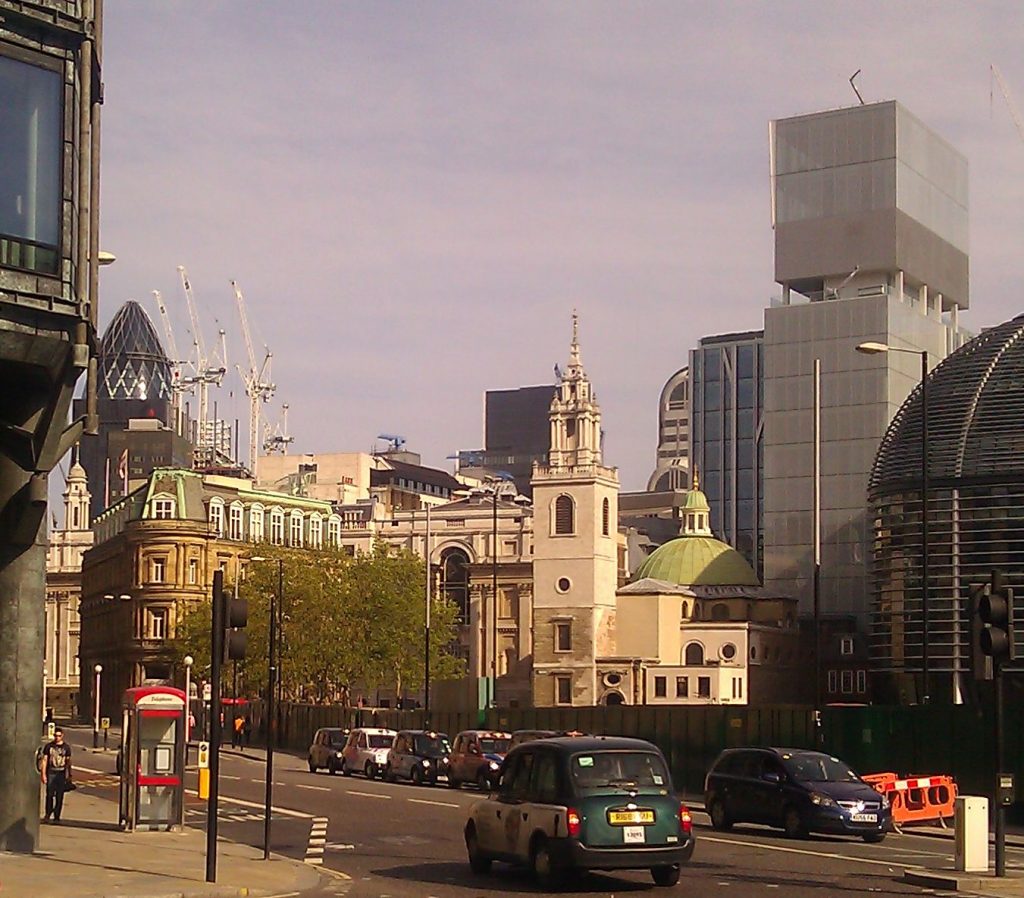
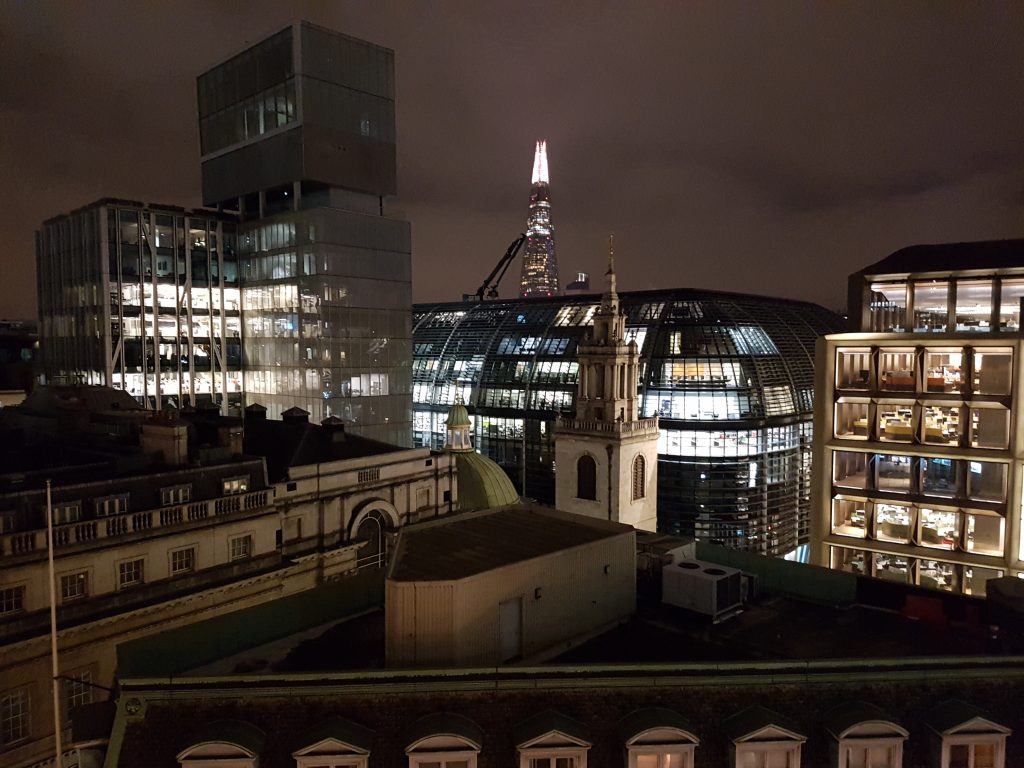
I found out about Sankta Lucia from a Swedish choir who hired me to do a tour of the City of London some years ago. We went into Christopher Wren’s marvellous St Stephen’s Church. Under the magnificent Dome, the choir fancied the acoustics and spontaneously sang. I recorded a snatch of it, which you can hear below
You can watch the Sankta Lucia service in Westminster Cathedral below:
The Importance of Light
Recent medical research has shown the importance of light, not only to our mental health but to our sleep health. Work places need to have a decent light level with ‘blue light’ as a component of the lighting. It is also an excellent idea to help your circadian rhymes by going for a morning walk, or morning sun bathing, even on cloudy days. This will help you sleep better. And so St Lucy remains relevant as an inspiration
To see my post on Roman and Medieval eye care and St Lucy click this link.
First Posted on December 13th, 2022, updated on December 13th 2023, 2024 and 2025.