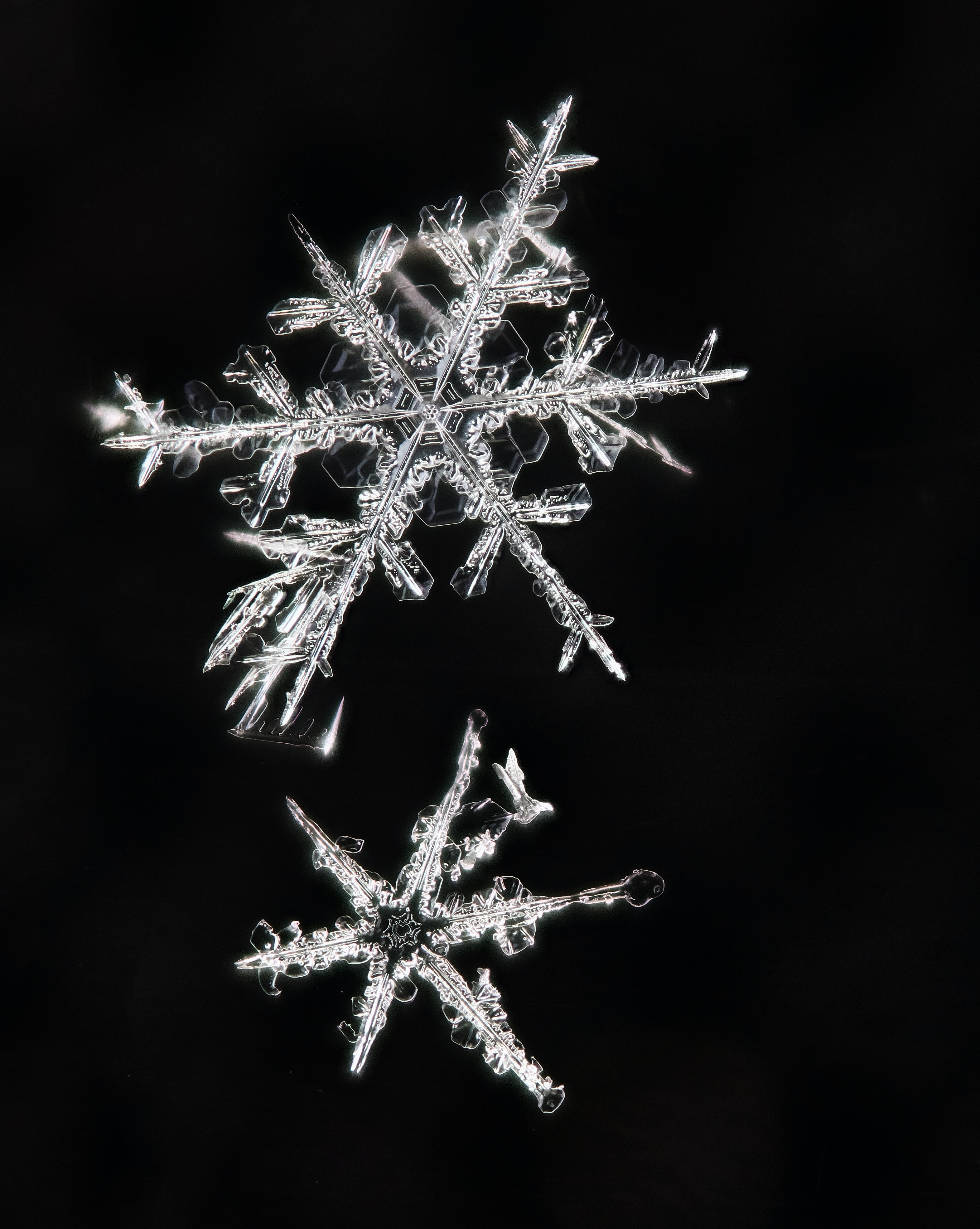
There is a 0% chance of snow, in London and 90% chance of snow in Glen Shee, Scotland, according to the Snow Risk Forecast. And here is an appropriate medieval recipe:
To make a dish of Snowe
Take a potte of sweete thicke creme and the white of eight egges and beate them altogether with a spoone then putte them into your creame with a dish full of Rose Water and a dishfull of Sugar withall then take a sticke and make it cleane and then cutt it in the ende fowre square and therewith beate all the aforesayd thinges together and ever as it ariseth take it of and putte it into a Cullander thys done take a platter and set an aple in the middest of it and sticke a thicke bush of Rosemarye in the apple then cast your snowe upon the rosemarye and fill your platter therewith and if you have wafers cast some withall and thus serve them forth
Before fridges, snow gave the chance for ice cream and other cold desserts. The problem was keeping it for longer than the cold spell. So many Stately Homes had ice-houses. The V&A had an ice-house just outside their glorious, Henry Cole commissioned restaurant. There is an ice house preserved at the Canal Museum, in Kings Cross. It was set up by Carlo Gatti in 1857 to store ice shipped in from Norway. Another one, in Holland Park, dates from 1770 and served the infamous Fox family (PM Charles James Fox etc).
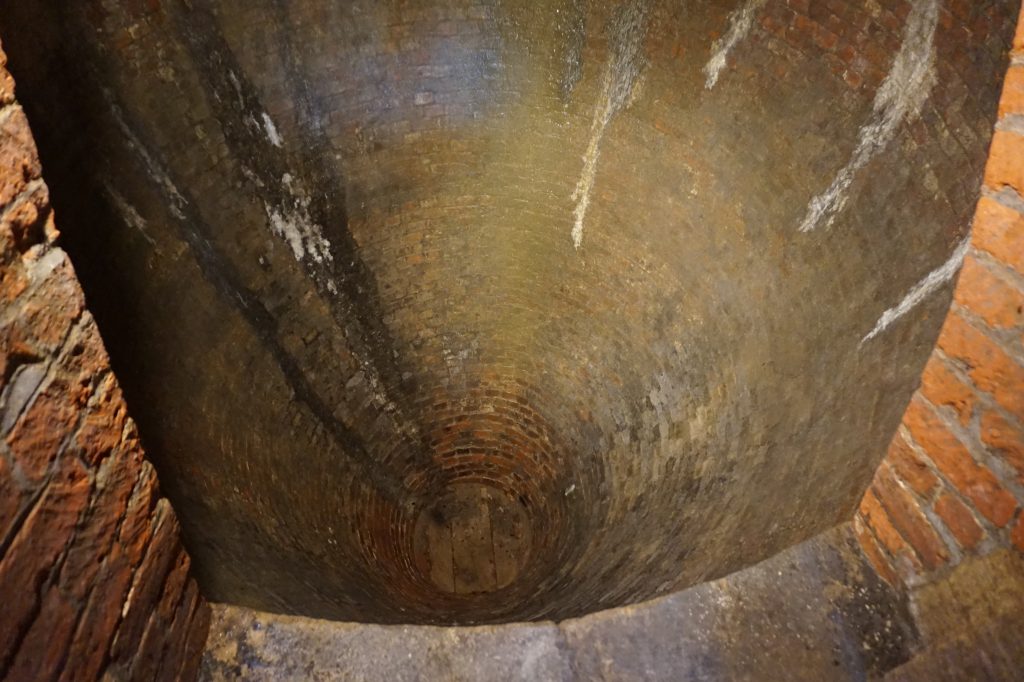
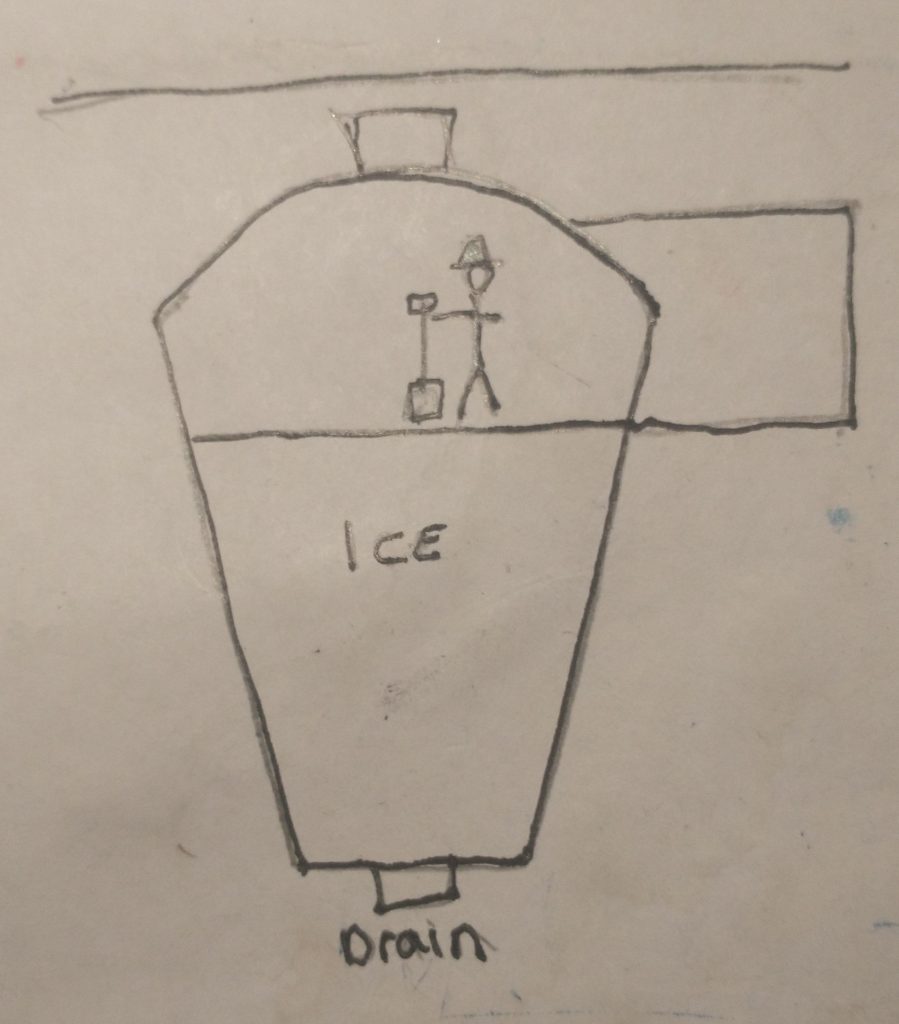
The first ice house was in Mesopotamian, but in the UK they were introduced by James 1 at his palaces in, first, Greenwich Park, and then Hampton Court. An ice house generally consists of a pit in the ground, brick lined, which tapered to a point. Above was a circular, often domed building. The ice was protected by insulation such as straw, and this structure would allow ice to be available all through the summer.
Ice House Dillington, Somerset, photo K Flude
My great-grandmother hung a basket outside the window in winter to keep things cold. On my fridge-less narrow boat, I have been known to keep milk and butter outside the door on the front deck. And to suspend and submerge wine in a plastic bag in the canal in high summer. Butteries and Pantries were typically cut into the ground to make them cooler. A Roman Warehouse in Southwark, of which the wooden floor still survived, had a ramp down to the floor which was cut into the ground surface. The ramp suggests it was used for storing barrels, where they were kept cool.
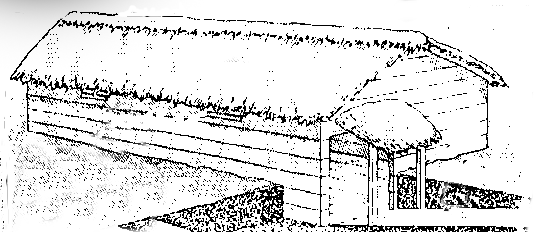
Sketch of Roman Warehouse found in Southwark.
For more on Icehouses (and an Icehouse in York) and the history of ice cream, see my post from August.
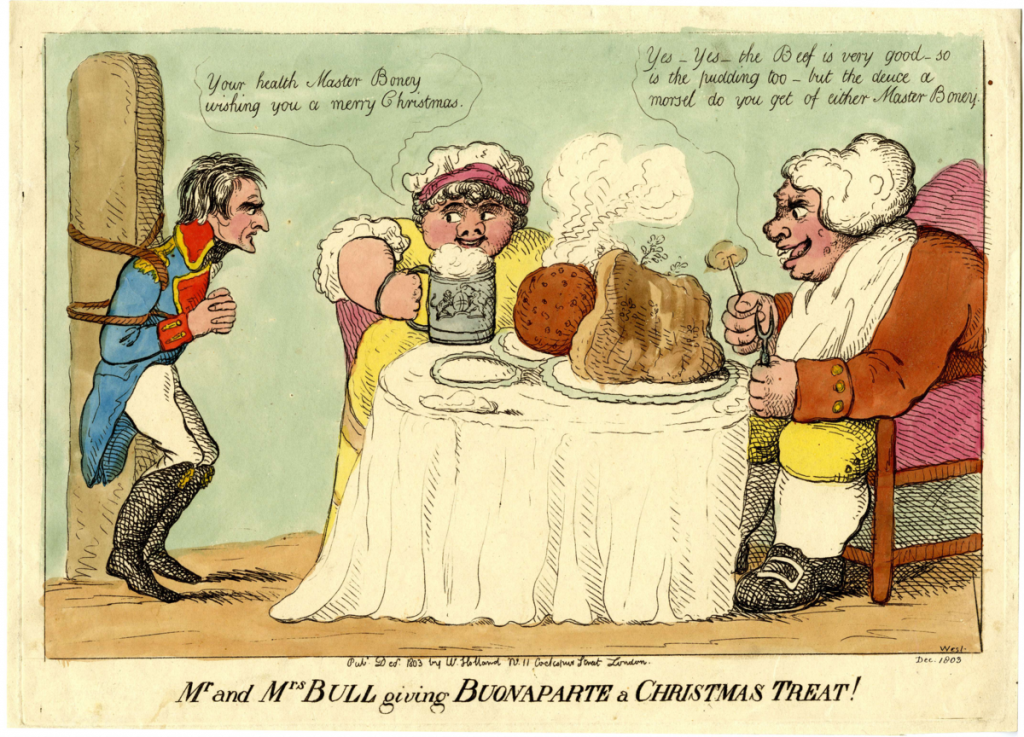
By William Holland, 1803 showing plum pudding probably stirred-up on Stir-up Sunday.
Stir-up Sunday is the last Sunday before advent and the day for stirring the Christmas Pudding. And I missed it! Last year it was on the 24th November. This year, November 23rd. Stir-up Sunday gets its name from the Book of Common Prayer, which has a verse:
“Stir-up, we beseech thee, O Lord, the wills of thy faithful people; that they, plenteously bringing forth the fruit of good works, may of thee be plenteously rewarded, through Jesus Christ, our Lord. Amen.’
So, the Christmas pudding was made with dried fruit and had 13 ingredients for Jesus and the Disciples. It is stirred from west to east, in honour of the Three Wise Men, and stirred by every member of the household who get to make a secret wish.
Ingredients 225g/8oz golden caster sugar 225g/8oz vegetarian suet 340g/12oz sultanas 340g/12oz raisins 225g/8oz currants 120g/4oz chopped candied peel 120g/4oz plain flour 120g/4oz fresh white breadcrumbs 60g/2oz flaked almonds Zest of 1 lemon 5 eggs, beaten 1level tsp ground cinnamon 1level tsp mixed spice 1 level tsp freshly grated nutmeg Pinch of salt 150ml/5fl oz brandy or rum
Add a Silver Joey to Stir-up Sunday Christmas Pudding.
Normally, a coin in put in the pudding for the lucky one to get. My grandma, a Londoner, used to put in a couple of ‘silver joeys’, long out of legal tender even when I was young. She would watch us like a hawk while we ate, and claim the coins back as soon as we found them! She would then put them in an old folded brown envelope and put them away for next year.
MJ Hughes Coins website gives the following excellent history of the Silver Joey:
‘Originally a Joey was the nickname given to a groat (4 pence) but when that went out of circulation in 1855 the silver 3 pence inherited the name. The name came about due to the reintroduction of 4 pence coins in the 1830s by the politician Joseph Hume, MP (1777-1855).‘
For some great, coin-based facts! Look no further.
A Digression on Nicknames: Toad Testicles, Foul-Beard and Broad-Arse’
Joey is a nickname. This digression is prompted by my ‘rediscovery’ of a History Today essay from March 2023. It is by PhD student Tristan Alphey. entitled ‘Toad Testicles, Foul-Beard and Broad-Arse’ Tristan is researching nicknames before 1000. It’s a tough gig but someone had to do it!
I have long had an interest in nicknames, since a school bully, when I was about 7, decided he was going to call me Acid. He explained his logic. Flude sounds like fluid and acid is a fluid. It never caught on perhaps because chanting ‘Fludey is a rudey’ in the playground was more fun! In my dad’s day, anyone called Clarke was nicknamed Nobby, and anyone small ‘Lofty’. Why Clerks are ‘nobby’ no one really knows. But the best bet is because clerks were well educated, and with a public facing role had to be smarter that the average member of the public. So clerks were posh. Posh people were called ‘nobs’. Hence, Nobby Clark. (for more on nobby look here.
Generally, only a few people got themselves primarily identified by nicknames. This will, of course, be the meat of Tristan’s PhD. The social significance of the nicknames.
The Border Reivers
My interest was revived when reading a book about the Border Reivers, (by Allistair Moffet). These clans terrorised the borders between Northumberland and Scotland, particularly in the 13th – 17th Century. The people were controlled by a clan leader of ‘Heidsman’ and all his followers being in the same clan had the same surname. And the Names were many Armstrongs, Batesons, Bells, Croziers, Elliots, Glendinnings, Hendersons, Irvines, Johnstones, Scots, Moffets, Nixons, Routledges, Thomsons, Maxwells, Kers, And not to forget the Carletons, Fenwicks, Forsters, Robsons, Turnballs, Selbys, Storeys, Guthries.
The problem arose because there were so many with the same surname, and with the restricted use of a small number of first names (John being by far the most popular) a way of differentiating people was necessary. As I am short of time, I will cut and past from the Wikipedia page:
‘Some Border Reiver nicknames referred to physical injuries or impairments, such as “Fingerless,” “Gleyed” (blind in one eye), “Burnt Hand,” “Half-Lugs,” or “Lugless” (missing ears). Others followed a tradition similar to Highland naming customs, where the father’s (and occasionally the mother’s) name was added to the son. Many nicknames described physical appearance, such as “Black Heid,” “Hen-Heid,” “Sweet Milk” (meaning beautiful), or “Fergus the Plump.” Some appear to reference mental health or emotional states, including “Unhappy Anthone” and “Jock Unhappy.”‘
‘A number of nicknames seem metonymic or ironic, reflecting professions or roles, such as “The Sheriff,” “The Lawyer,” or “The Priest.” Intriguingly, certain names may hint at queer or LGBT identities, including “Buggerback,” “The Lady Elliot,” “The Lady Scott,” “The Lady Kerr,” “Bang-tail,”[108] and “Sym ‘the Lady’.” Other nicknames defy easy interpretation, such as “Hob-Wait-About-Him,” “Laird-Give-Me-Little,” “Bide Him Jock,” “the Pleg,” “Dog-Pyntle” (Dog Penis),[109] “Geordie Go Wi Him,” and “Cheesebelly,” illustrating the creative and often enigmatic nature of Border Reiver culture.’ Wikipedia entry
By the way ‘Buggerback’ Elliot was related to ‘the Lady Elliot’, and also, if I recall correctly, to Dog pyntle.
Tristan Alphey’s study takes the study back before 1100, wwhere wecan find King’s nicknames such as
Edward the Confessor, Alfred the Great, Edmund Ironsides, and Aethelred the Ill-advised (redeless). Further down the scale he presents: Alfred ‘Toad-Testicles from Winchester, where were also Alwin ‘Pebbles, Aelfstan ‘Broad-Arse’, Aelfstan ‘the Bald’, Thurstand ‘Buttock’, Aethelstan ‘The fat’, Osferth ‘Blackbeard’, Aelfstan ‘Limping’. Elsewhere we have Alvin ‘Sardine’, Wulfric ‘Large Pole’, Eadwig ‘the Wholly Drunk’, Wulfwiug ‘Wild’, Aelfric ‘Foul-Beard’.
Women are less frequently given nicknames, but we have Athelgifu ‘the Good’ and King Harold’s first wife, the beautiful Edith ‘Swan-Neck’.
To finish my look at nicknames, we go to Viking York among whom are the peerless warriors: ‘Ivarr the Boneless’, Sihtric ‘the Squinty-eyed’and Erik Bloodaxe. Other Vikings include Thorkell the Tall and Thorkell Thorfinn. An archaeologist believes he has found the burial place of Ivar the Boneless – have a look here for more details.
First Published Nov 27th 2022. The Jimi Hendrix content transferred to its own page, and this post republished Nov 26th 2023, revised with a section on nicknames in 2024,2025
According to the Kalendar of Shepherds 1604, women born on this day should marry at age 13, shall have many sons and live to 72 years old. Men born on November 22nd will be merciful, far-travelled, prosperous after early dangers and live to 72 years and 8 months. Can’t help feeling that prophecy this precise is heading for a fall. (see my post sliding-ducks-and-the-equivocation-of-prophecy/).
Martinmas Old Style and Pack-Rag Day
Pack-Rag Day, hiring of farm workers
Martinmas was the Festival of Winter’s Beginning and is celebrated on November 11. It was one of the most famous medieval festivals. In 1752, the calendar was transformed when Britain transferred from the Julian to the Gregorian Calendar, 11 days were lost from the Calendar, so the original date of the festival would be what we know as November 22nd. So this is Martinmas Old Style.
In the East Riding of Yorkshire, hiring fairs were held around this time. It was also called Pack-Rag Day as servants carried their clothes to their new place of work.
A hiring fair is how Gabriel Oak is hired by Batheseba Everdene in ‘Far From the Madding Crowd’ by Thomas Hardy. They were often also held at Michaelmas, and in Warwickshire are called Mops. See my post on the Mop here.
On this Day
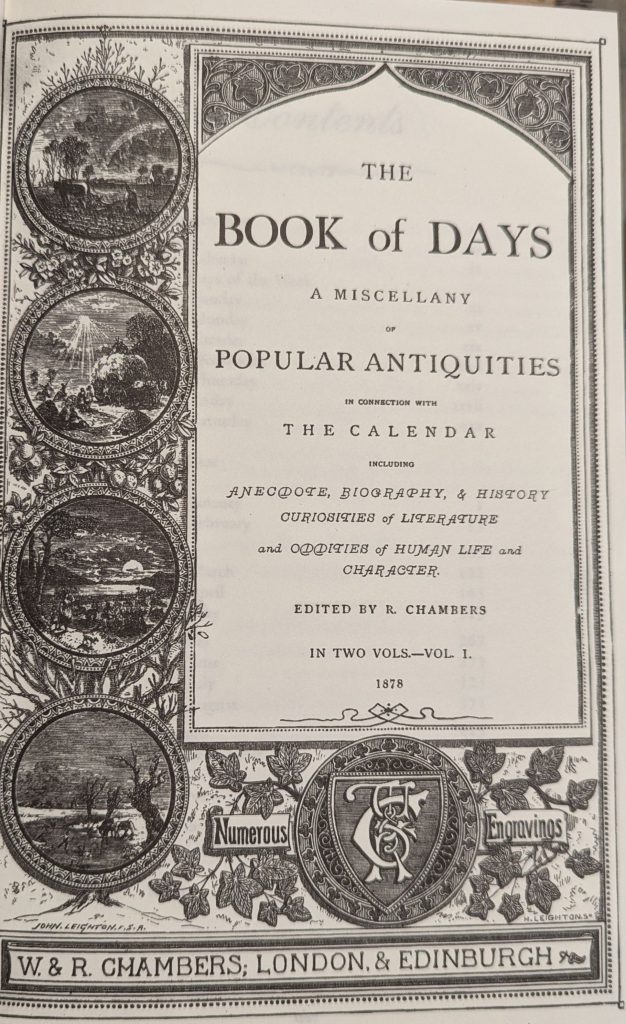
The original Book of Days 1878 title pageThe 2004 Chambers Book of Days
As you may have noticed, I have been adding a section called ‘On this Day’ which highlights some notable events that have happened on this day in history. In my quest to create an almanac of the past with a reasonable post for every day, my loyal subscribers will be getting a post they read last year. So, I am trying to add extra content to make it worthwhile. Hence, this ‘new’ section (one year old today).
So, I will either republish a previously published post. It should be better proofread (although I’m perfectly capable of adding extra embarrassing typos). The content should be improved or expanded. Or with an added ‘On this Day’ section. Therefore, if you find you have read the post before, just scroll down to the new content at the bottom.
One of my sources for the ‘On this Day’ section is Chambers’ ‘Book of Days A Miscellany of Popular Antiquities’in connection with the Calendar’. The original was published, in 1864, by Robert Chambers one of the original founders of Chambers Publishing. The new one takes is inspiration from the original. I found out about it from Sir Roy Strong and Julia Trevelyan Oman’s ‘The English Year, which is itself a personal selection from the Chambers Book of Days. Sir Roy was my boss when I was an Assistant Keeper at the V&A.
1963 President Kennedy and Governor John Connally were shot while part of a motorcade in Dallas.
1968 The Beatles White Album was released
1990 British Prime Minister Mrs Thatcher resigned.
Originally published as two separated posts on 22nd November 2022, republished on 22nd November 2023, merged 2024, and expanded 2025
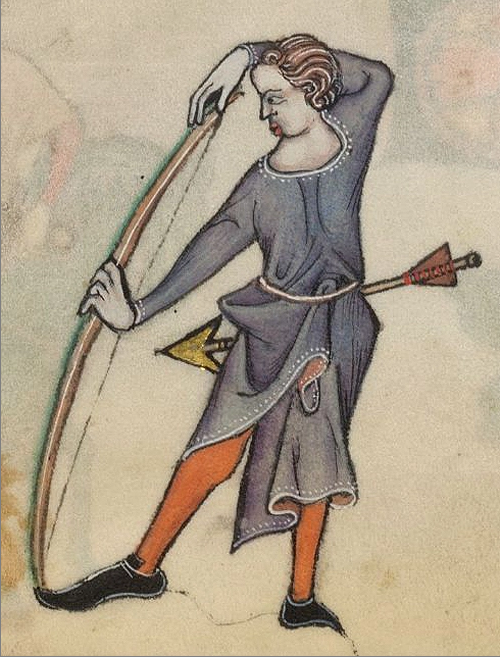
Medieval drawing of an archer. Good resistance exercise to get the muscle/fat ratio on the healthy side?
‘Leaping is an exercise very commendable and healthful for the body.’
The Compleat Gentleman 1634
Thomas Fuller in his book published in 1642 says:
Running, Leaping, and Dancing, the descants on the plain song of walking, are all excellent exercises. And yet those are the best recreations which besides refreshing enable, at least dispose, men to some other good ends. Bowling teaches mens hands and eyes Mathematicks, and the rules of Proportion: Swimming hath sav’d many a mans life, when himself hath been both the wares, and the ship: Tilting and Fencing is warre without anger; and manly sports are the Grammer of Military performance. But above all Shooting is a noble recreation…..
‘The Holy State’ by Thomas Fuller B.D. and Prebendarie of Sarum
Published St Pauls Churchyard 1642
The Holy State is a fascinating book – it provides instruction on how to be the Good Wife; the Good Advocate; the Good King; Bishop etc. etc.; has general rules of behaviour; some case studies of good lives to emulate and discussion of profane states not to emulate.
15th of November 1712 A Famous Duel between Lord Mohun and the Duke of Hamilton
‘In short, they fought at seven this morning. The dog Mohun was killed on the spot; and while the Duke was over him, Mohun shortening his sword, stabbed him in at the shoulder to the heart. The Duke was helped towards the Cake House by the Ring in Hyde Park (where they fought) and died on the grass, before he could reach the house; and was brought home in his coach by eight, while the poor Duchess was asleep.‘
Jonathan Swift ‘The Journal to Stella’ 1712
Lord Mohun seemed to be the villian, not only making the initial affront, but also issuing the challenge and stabbing his rival in such an underhand way! After the Duel there was fighting between the servants of the men, and the seconds had to flee to avoid arrest. Duels were illegal but remained a part of upperclass society into the 19th Century. Pehaps, Thomas Fuller’s advocacy of fencing as a good keep fit exercise is not such a great idea!
Text taken from ‘A London Year’ Compiled by Travis Elborough and Nick Rennison
To read my post on Jonathan Swift and Chelsea Buns see my post here.
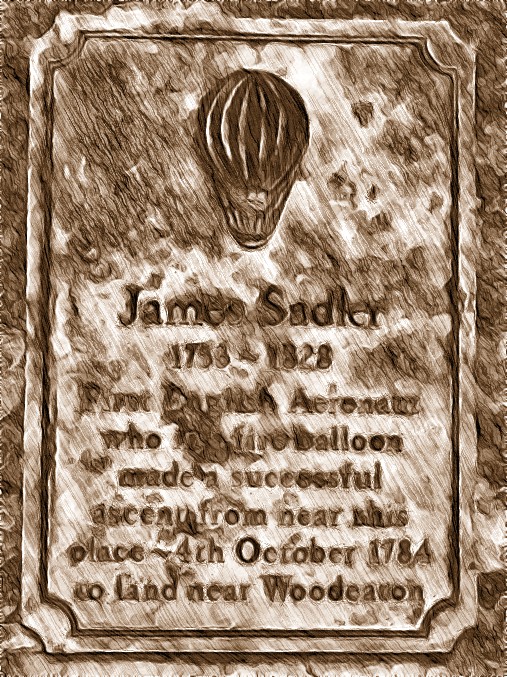
Sketch of plaque to James Sadler, Balloonist. On wall of Deadman’s Walk, Merton College, the Meadows in Oxford
On February 9th, 1784 James Sadler launched an unmanned Hot Air Balloon, from what is now St Hilda’s College. The Balloon travelled all the way to Kent, 79 miles away. James Sadler was the son of a cook, but worked at the Ashmolean Museum, in Oxford. The launch place is an area of green which is bounded to the North by Merton College. To the South by the Meadows. To the West by Christ Church, and to the East the Oxford Botanical Garden, the first in Britain. Also a lovely place.
Later the same year, he hazarded his own life for the first Hot-air Balloon ascent by an Englishman. On the morning of October 4th, he lit the stove in the Balloon basket to create the hot air. He rose an estimated 3600 ft. On board he had a barometer and a thermometer. He used the Barometer to estimate height. The thermometer was not very useful because of the heat of the stove.
He reported that his elevated position caused no inconvenience, except that it was colder than on the ground. A wind drove him towards a wood as he put out the stove. He had ‘recourse to the Oars’ which he exercised with great Success’. I think the oars were used to poke the air out of the balloon to help his descent. He landed safely 6 miles away in Woodeaton.
Further Flights by Sadler
On the 17th November he ascended in a Hydrogen Balloon, which was also successful. He made further ascents, including one at Mermaid Theatre in Hackney. He survived into his 70s and died in 1828. Sadly, one of his sons died in a ballooning accident in 1824.
Note on the Hackney Balloon Ascent
I found no reference to the Mermaid Theatre in Hackney. But there was a Mermaid Tavern in Mare Street, originally just north of St Augustine’s Church. It was then rebuilt on the other side of the road in the 1740s. And this is where the Hackney flight ascended from.
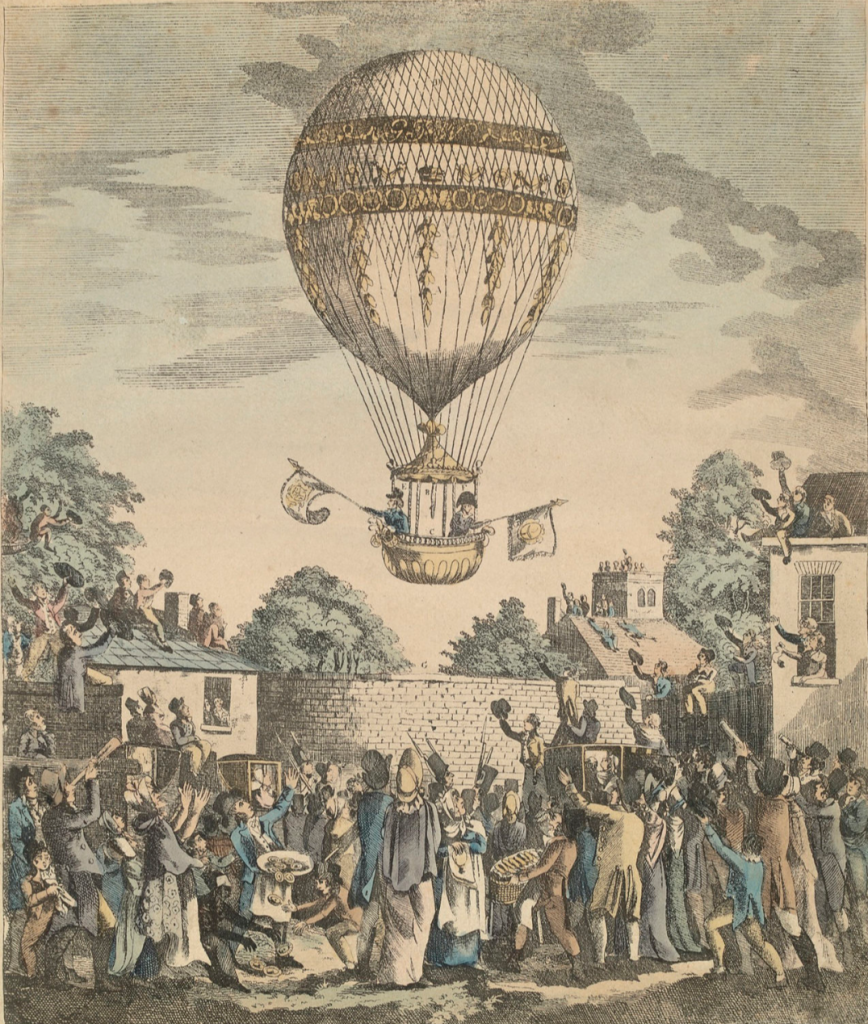
‘View of Balloon of Mr Sadler’s ascending with him and Captain Paget of the Royal Navy from the Gardens of the Mermaid Theatre’ source Facebook post.
Flights but not by the English!
When it comes to ‘firsts’, there is a lot of jiggery-pokery as to who really has the precedence. The actual first balloon ascent was on November 21st, 1783 by de Rozier and d’Arlandes. Their hot-air balloon was designed by the Montgolfier Brothers.
The first ascent in England was Vincent Lunardi. His flight was a couple of weeks before Sadler’s on September 15th. But then he was from Tuscany. It took off from the Honourable Artillery Company grounds at Moorfields in London.
So Sadler wasn’t the first, but was the first Englishman to ascend in a hot-air balloon. But my antennae is twitched by the use of the term ‘Englishman’. Because, since 1707, and the Act of Union, England was now in the Kingdom: ‘The United Kingdom of Great Britain’. Something was wrong. So yes, I discovered that the British (and Scottish) first ascent was by James Tytler. This took place from Edinburgh on August 25th 1784. To see more on Tytler who was an Apothecary and the editor of the Second Edition of the Encyclopedia Brittania go here:
To read about Zeppelin attacks on Britain see my post here.
So, it may be a surprise that the Autumn is the time of plenty. I think, townies like me, would assume spring or summer. But in Autumn, not only is the Harvest in, but nuts and fruits are ripening and ready to pick. As we go deeper into Autumn, the livestock is culled to a level that can be sustained through the harsh winter. And so a lot of meat is also available. Truly a time of ‘mellow fruitfulness’.
A Surfeit of Autumn Peaches or Lamphreys
Anything with the word ‘surfeit’ in it must begin with the wonderful comic history of Britain called:1066 and All That: A Memorable History of England, Comprising All the Parts You Can Remember, Including 103 Good Things, 5 Bad Kings and 2 Genuine Dates
Here we find that King Henry I died of a ‘surfeit’ of lamphreys’, which he indulged in against his Doctors’ advice. This was in November,. While his Great Grandson, King John:
‘finally demonstrated his utter incompetence by losing the Crown and all his clothes in the wash and then dying of a surfeit of peaches and no cider; thus his awful reign came to an end.’
He is a fine example of a ‘Bad King’. He died on the night of October 18th — 19th. So another King to leave this mortal coil by the means of an autumnal surfeit. Other accounts say his ale was poisoned or the surfeit was of plums. But he did have dysentery shortly before he died.
If you haven’t already it got it you probably, at this point, need to buy my book ‘Divorced, Beheaded, Died’. This is the best selling book about the Kings and Queens of England, told in bite sized chunks. It is always on sale at the British Museum.
‘No surfeit so evil as the surfeit of eating naughty bread’
Andrew Boorde in ‘Dietary of Health’ 1547 says that Wheat Bread makes you fat, particularly when made from new wheat. He says’Evil Bakers’ will add half of Barley. This is no good, nor is bread made from beans or peas. He continues:
‘hot bread is unwholesome to any man, for it doth lie in the stomach like a sponge: yet the smell of new bread is comfortable to the head and the heart. Old or stale bread doth dry up the blood or natural moisture in man, and doth engender ill humours; and is evil and tardy of digestion: wherefore is no surfeit so evil as a surfeit of eating naughty bread.‘
Lavendar Caps
Now is the time to protect your head with Lavendar as winter approaches, or so says William Turner’s Herbal of 1568:
‘I judge that the flowers of lavender, quilted into a cap and daily worn, are good for all diseases of the head, that come of a cold cause, and that they comfort the brain very well, namely if it have any distemperature that cometh of moistness.‘
If you remember, I wrote about Turner’s medical education in Ferrara in Italy in June. You can read it here.
Apples and Pears & No Cider
The fate of King John (above) shows the danger of running out of cider. But the apple trees are now groaning with Apples and Pears. So production can begin. I have been at my Father’s House picking up all the pears that drop every night. We have been cutting them up and putting them in the freezer, making purée and crumbles. Also, giving them to anyone who enters the house. But still not able to keep up with the Pears! Lots of Apples too, infact a bumper crop, many more than in any previous year. Earlier there was a host of plums from which I made my very first plum jam. I am looking forward to making a batch of Quince Jam, for the third year running.
Storing a Surfeit of Apples
Picking up windfall is problematic, as it was thought they would soften and bruise much easier than those picked from the trees. They would also contaminate other apples if laid with them. So it is best to pick apples before they are completely ripe. Then you can use Gervase Markham’s apple storage advice, which I wrote about in January and you can see here:
But:
A Surfeit of unripe fruit is a danger:
Green fruits make sickness to abound Use good advice to keep thee sound Give not thy lusts what they do crave Lest thou unawares step in to thy grave.
Ranger’s Almanack 1627
If you do succumb, you need a medicine of nettle-seeds and honey.
A Surfeit of Filberts
As a caution to persons at this season, when nuts are so very abundant, we state that the sudden death of Mr Nunn of Cley, Norfolk is generally attributed to eating a great quantity of filberts and drinking pork wine therewith.’
York Current, September 1794
I do hope you have found this post fruitful and not too nutty. Please consult a doctor if you are having head or brain issues. The Lavender in your Peaky Blinders Cap may not do the trick
Acknowledgement
Again, I am very dependent on fruity tales from Charles Kightly’s A Perpetual Almanac of Folklore. It is worth buying as it also has many pretty pictures.
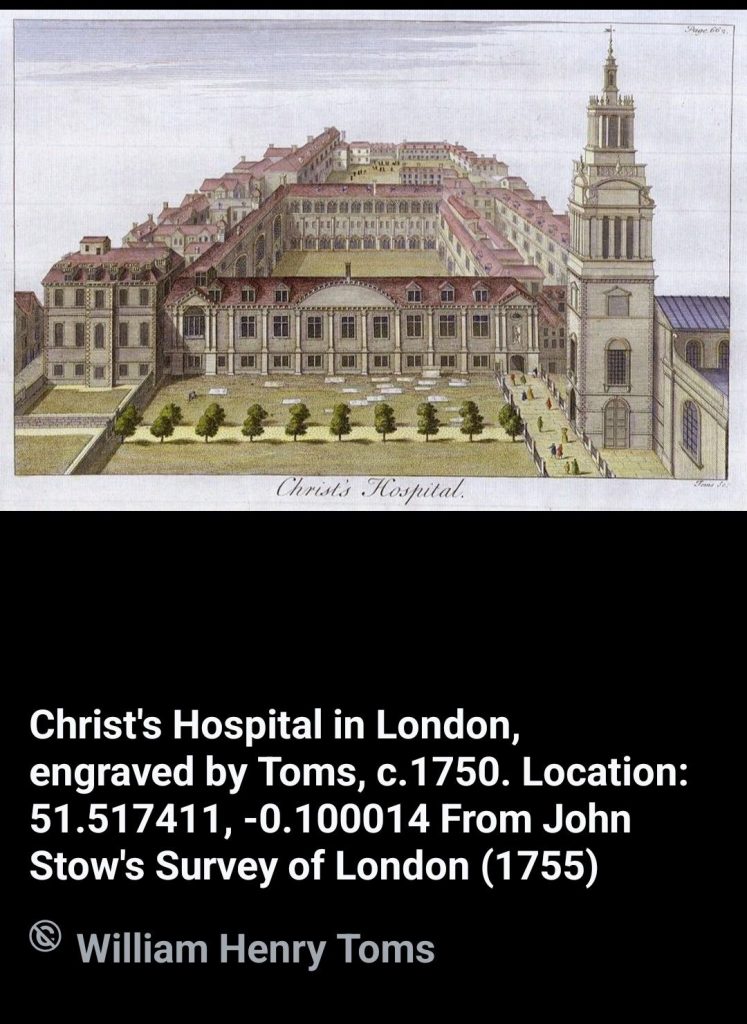
In the City of London, St Matthew’s Day was the day that they elected Governors to Christ’s Hospital, it was followed by a service at Christchurch attended by Aldermen, Sheriffs, the Lord Mayor and a procession of the children attending the school.
Dissolution of the Monasteries
Christ’s Hospital was founded in 1552 by a settlement arranged by Edward VI after the Reformation. The abolition of the Monasteries by Henry VIII caused a huge problem for the City of London, with the destruction of education and social services managed by monks and nuns. Henry VIII had already re-established St Bartholomew’s to look after the Poor Sick in the City. To complete the post dissolution, Edward IV established three Royal Hospitals to sort out additional problems. Bridewell Hospital became an orphanage and place of correction for wayward women. St Thomas Hospital for the homeless and poor sick of South London. Christ’s Hospital was to provide schooling. The school was originally near Newgate and Christchurch Church, which was originally the Choir of the Greyfriars Church.
The school was set up in 1552 and was for boys and girls. The Mathematical School was added in the late 17th Century to provide navigation skills for sailors.
Flogging the boys
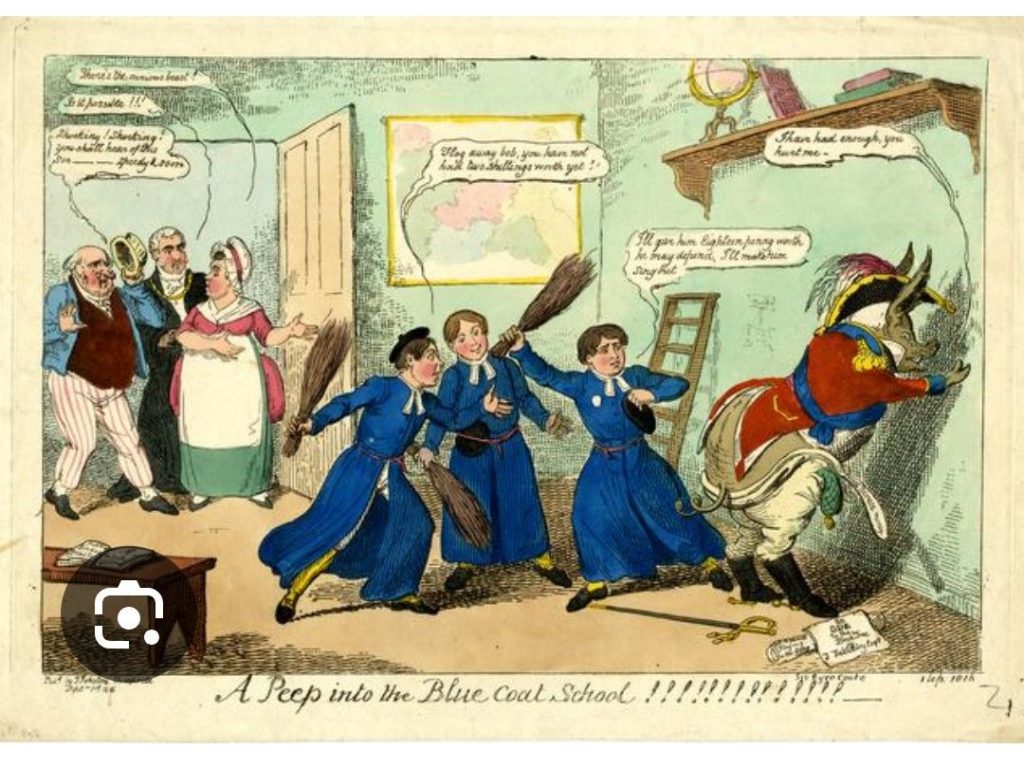
In 1815, a shocking event took place. An MP named Sir Eyre Coote entered the Mathematical school. He shooed the younger boys away but paid the older ones to participate in mutual flogging. He was discovered by the school nurse doing up his breeches. George Cruikshank, a vaunted caricaturist, created a cartoon of the occasion, and it is extraordinary how it was treated far from seriously.
Cruikshank Cartoon
The blue-coated boys of Christ’s Hospital, eventually moved to Hertford but are now in Horsham. They maintain their City affiliation and still come to the City on or around St Matthews Day and take part in the Lord Mayor’s Show. The school is a public school, but has a large percentage of its students funded by bursaries. In 2016 former pupils opened up about historic sexual abuse leading to the prosecution of 6 teachers of Christchurch.
Also on St Matthews Day, the historic Bush Hotel in Farnham distributed bread to the poor. This began in 1660 a local benefactor bequeathed one pound annually to pay for the bread.
What I really admire are people who, through their sheer brain power, can change our views of the world. The first example that comes to mind is Newton’s insight that if the universe were infinite, the night sky would not be dark as everywhere there would be tiny pinpricks of starlight. So, we don’t live in a infinite universe. Another one is Einstein’s thought experiment that proves that time is relative. But see below for a description of that. But, now to John Goodricke and the Variable Star. (for Newton and the Maypole see my post here).
Goodricke
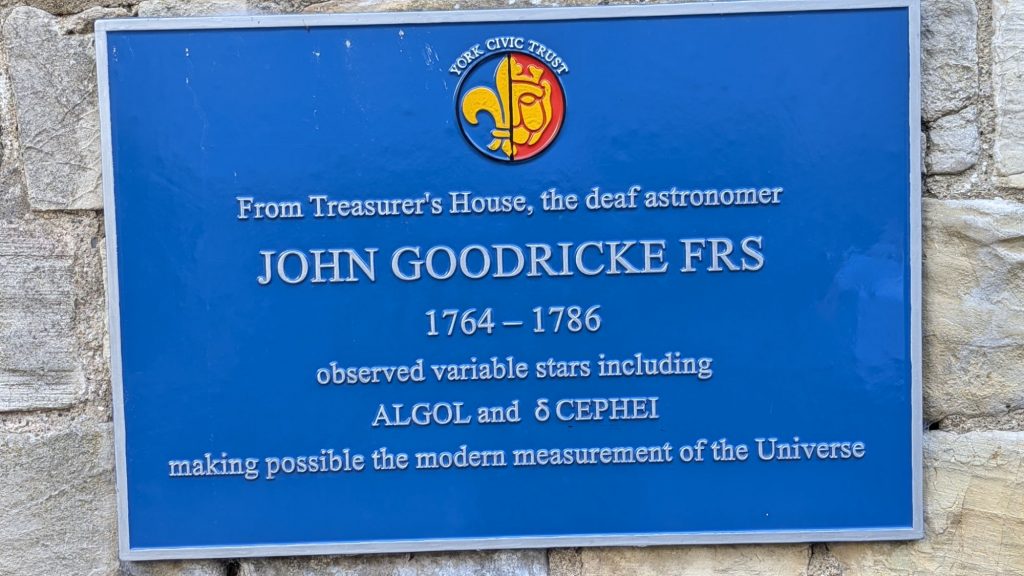
Last year in York, near the Minster, I saw the blue sign above. I thought, what on earth are ‘variable stars’? Behind me, I heard two women say something like. ‘Here it is,”variable stars”‘. I turned around and asked them what was a variable star?
‘Donno’ they said, ‘we’ve ‘just doing this escape room walk around York.’ They showed me a booklet they had received on the internet,. This is what I would call a treasure trail. Sadly, they showed no interest in finding out what a variable star is!
Aristotle and ancient philosophers held that the universe was unchanging and eternal. The first breach in that theory was the identification in 1638 of star Omicron Ceti. Johannes Holwarda discovered that the star pulsed on an 11-month cycle. This and the discovery, of supernovae (first observed in 1572), proved that the ‘The starry sky was not eternally invariable’. But there was, as yet, no explanation for the phenomena.
John Goodricke was educated at Thomas Braidwood‘s Academy, school for deaf pupils in Edinburgh, and Warrington Academy. He returned to live with his parents, who rented an apartment at the Treasurer’s Hall. This is near the Minister in York. He used a friend’s personal observatory to look for variable stars. He found two of the first 10, and was the first to propose a solution. This was that two stars orbited each other causing eclipses between them and the observer. Thus creating a variation in the light emitted. To be able to extrapolate from a simple observation, and provide an explanation which necessitates a complete rethink about the nature of the universe seems, to me, to be awesome.
Einstein’s Thought Experiment
Back to Einstein, his thought experiment was something like this:
A train is travelling through a station. There is an observer on the train towards the front, another on the platform as the train goes through. There are two simultaneous lighting strikes at either end of the train. The observer on the platform sees the strikes as simultaneous. Why? Because she is in the middle between the two lighting strikes and light travels at the same speed. The observer on the train who is near the front of the train will see the lighting strike at the front of the train before the light from the strike at the back of the train can reach him. It has further to go.
This means that time is not a constant, it is relative to the observer. And yet, we think of time as a constant, something that remorselessly ticks forward and which we cannot alter. But it isn’t.
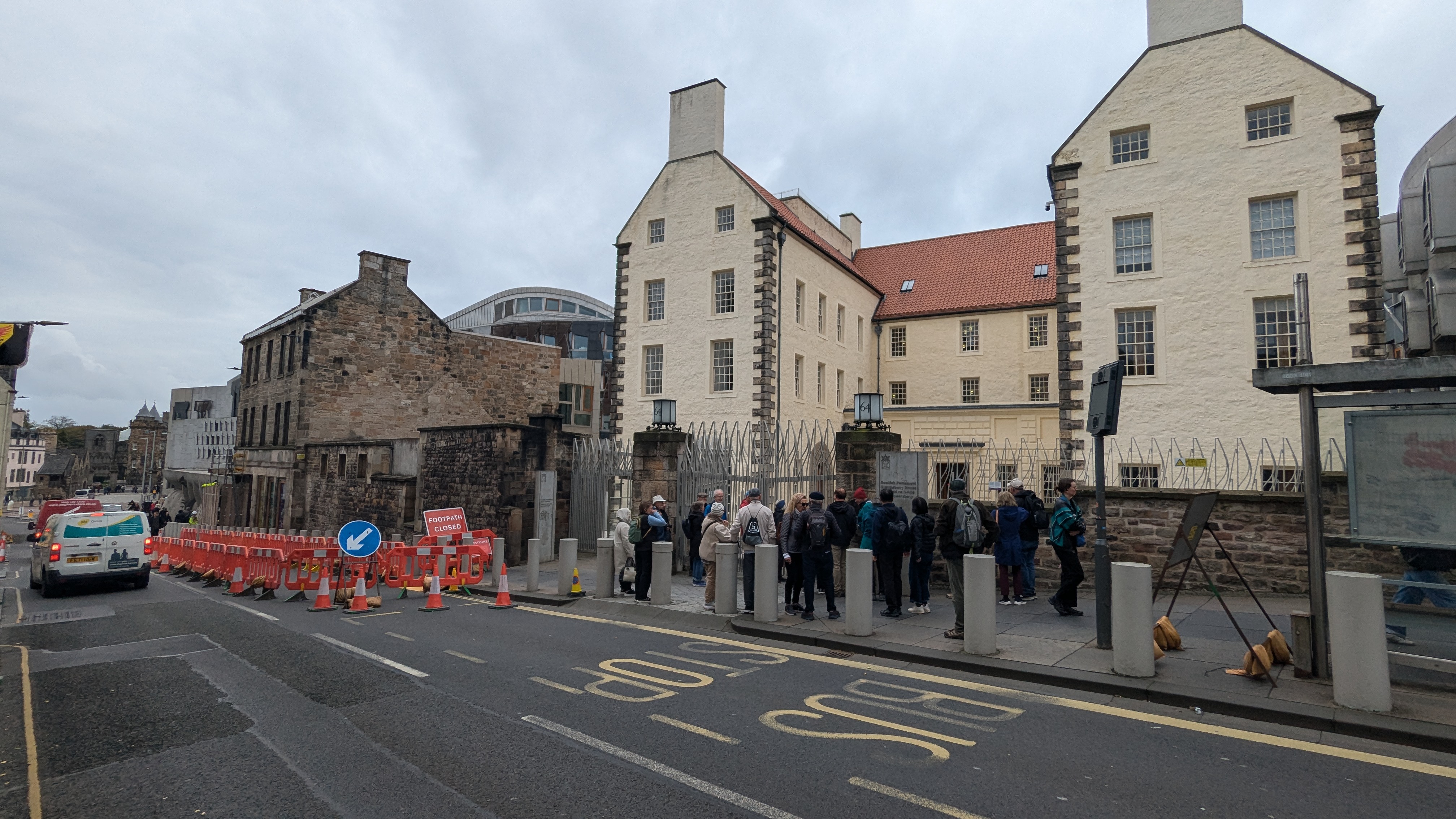
Queensberry House to the right, home of the The Queensberry House Cannibal. The Scottish Parliament in the background. Royal Mile, Cannongate in the foreground. (Photo: K. Flude)
Ian Rankin’s Edinburgh
One of my favourite books on Edinburgh is by Ian Rankin. It is one of the Inspector Rebus series. What makes Rankin a great crime writer is how the author makes Edinburgh central to the story. It adds realism to his stories. As you read the stories you enjoy learning about Edinburgh, its culture, history, people, streets and topography. And get insights into Edinburgh’s moods.
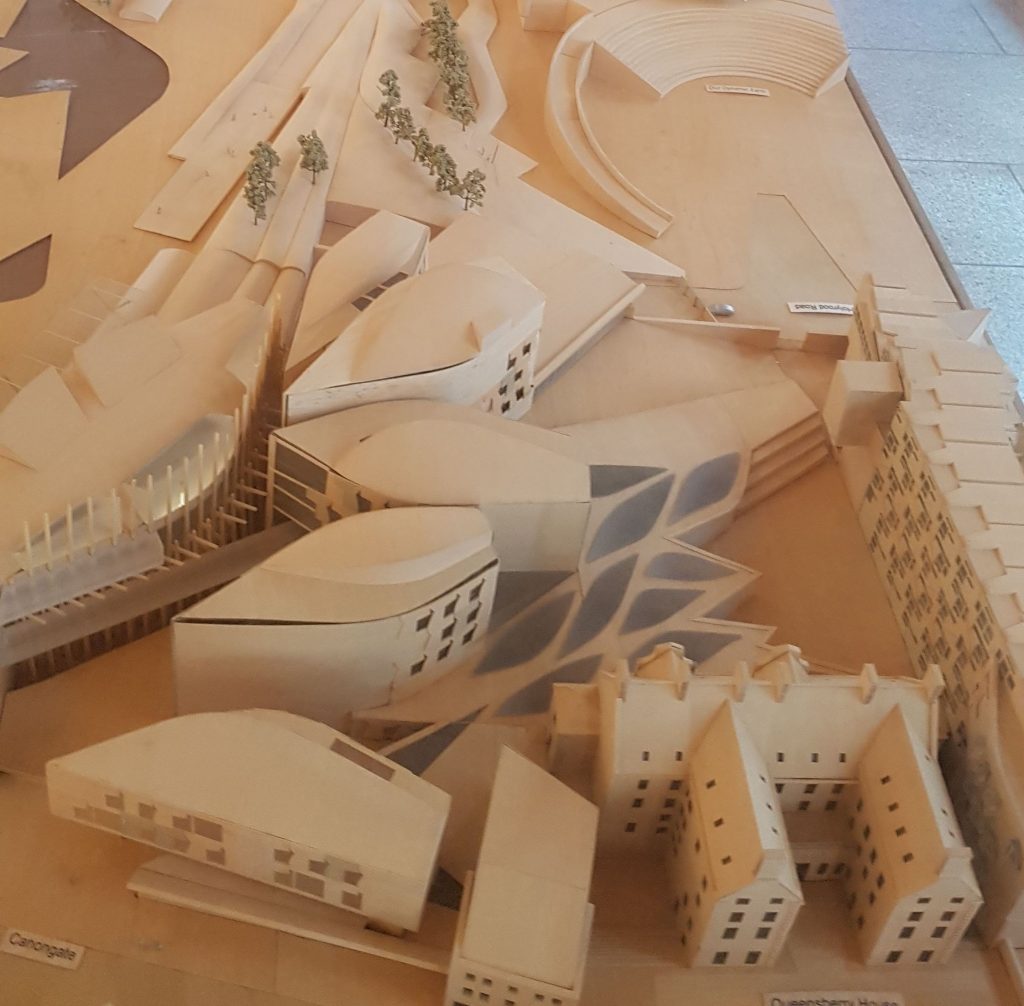
Model of the Scottish Parliament, with Queensberry House in the bottom right hand corner.
I haven’t read all the Rebus books but the one I want to feature is ‘Set in Darkness’ published in 2000. It is set in the period immediately after the success of the Scottish Referendum to set up a Scottish Parliament. The story also takes us back to 1979 when the first Scottish Referendum ‘failed’.
The Queensberry House Cannibal
The book begins with a body found in Queensbury House, which is being preserved and incorporated into the new Scottish Parliament buildings.
Scottish Parliament Building (photo by the author)
This setting was suggested by the well-known tale of the Queensberry House Cannibal; James Douglas the 3rd Marquess of Queensberry and, for a time, the Earl of Drumlanrig. The tale begins on the day, in 1707, that the Scottish Parliament agreed to disband itself. The Parliamentarians voted for an Act of Union with the United Kingdom.
On that day, the young Lord was left alone in Queensbury House with no one to look after him, except a kitchen boy. James had mental issues, and when the adults came home, they discovered that he had eaten the kitchen boy by spit-roasting him. The ghost of the boy is said to haunt the house. Or so the story goes. It’s always treated as a true story, but there is a suspicion it was a black calumny on those who agreed to the end of the Scottish Parliament.
The Restoration of the Scottish Parliament 11th September 1997
So, as today is the anniversary of the day the Scots voted Yes to a restoration of its Parliament (11th September 1997), let’s have a look at the long history of devolution. We will take the story backwards.
The referendum asked the Scots two questions. The first was: did they support a separate Parliament for Scotland? The second. Should it have the power to vary levels of taxation? 74.3% voted yes to the Parliament, and 63.5% voted yes for powers of taxation. On the 1st July 1999 the Scottish Parliament was set up by the Blair Government. The new Parliament was elected by the Additional Member system of proportional representation. The country is split into regions, the regions into constituencies, and each constituency elects a member of the Scottish Parliament by first part the post system. Each region has a party list of additional potential members, and the seats are allocated between the parties to make the final result as proportion as possible. This is said to combine the advantages of constituency MPs, and PR.
The ‘Failed’ 1979 Referendum
But this wasn’t the first vote for a measure of independence. In 1979, the Scottish Act set up a referendum for a Scottish assembly. James Callaghan was the Prime Minister, and the act followed a Royal Commision on the Constitution. The Referendum was won with a majority of 52%, but an amendment to the Act had a stipulation that there had to be a vote of at least 40% of the registered electorate for the vote to succeed. It won only 32% of the 62% turnout so the Act failed. (if only Cameron had done something similar for the Brexit Referendum!).
So it would be another almost 20 years before the Scots got their own debating chamber.
1707 Act of Union
The Scots lost their Parliament on the 1st May 1707 when the Act of Union with England was enacted. The Scottish Parliament had been in existence since the early 13th Century. The Scots had no House of Commons, but its unicameral Parliament had representatives from the Three Estates: prelates representing the Church; Aristocrats representing the nobility, and Burgh Commissioners representing the Towns. Later, Shire Commissioners were added to represent the countryside.
The decision to disband the Parliament of Scotland was very controversial, and blamed on the self-interest of the Nobility against the wishes of the people. Scotland had lost out on the huge profits being made by the Empire by England, excluded as the Scots were by the Navigation Acts from trading freely within the British Empire. So the Scots set up their own Company of Scotland Trading to Africa and the Indies which invested in the disastrous Darién scheme,
The idea was to build a colony on the Isthmus of Panama. 80% of the participants in the settlement died, and the 20% of Scottish wealth which was invested in the scheme was lost. Many of the Scottish members of Parliament lost money in the Scheme, and compensation and bribery offered by the English encouraged the Parliamentarians to accept the advantages of free trade within the British Empire and to join the Westminster Parliament.
Joint Monarchies
In 1603, the Scottish and English monarchies joined in the person of James VI of Scotland who became James 1st of England on the death of his childless aunt, Queen Elizabeth 1. But the Scots kept their own Parliament and legal system. There were attempts to bring a closer Union, but these all failed until 1707.
England Overlording it?
From the early beginnings of Scottish existence as an independent nation, the English Monarchy claimed to be the feudal overlord of Scotland. Scotland was normally able to deny this until the reign of Edward I. After the battle of Bannockburn the Scottish made a declaration of their complete independence from England at Arbroath. It was sent to the Pope who accepted it. This helped the Scots defy England until 1603 when the two monarchies joined.
Ice House in grounds of Keystone Pub, York, from Doubletree Hilton Photo K Flude
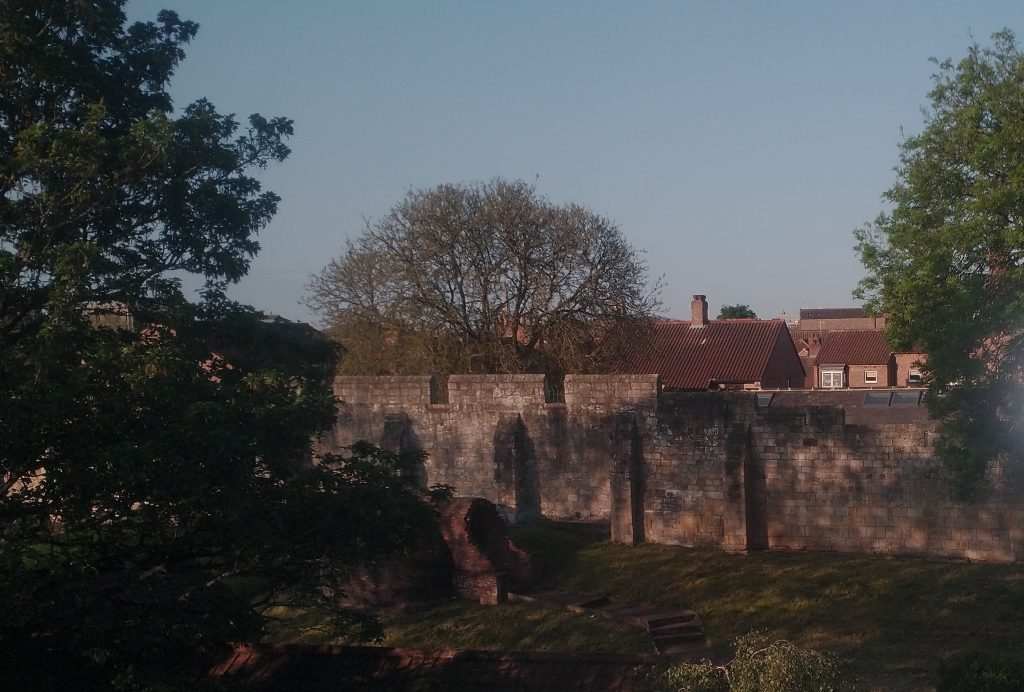
In 2023 I noticed a strange brick building dug into the bank in front of the City Wall. I could only see it from my Hotel Window, near Monk Bar. ‘Very curious.’ I thought, as I looked, ‘It’s either a kiln or an Icehouse. ‘ A ridiculous place for a kiln, I concluded, and as the weather was nice, I went out to explore.
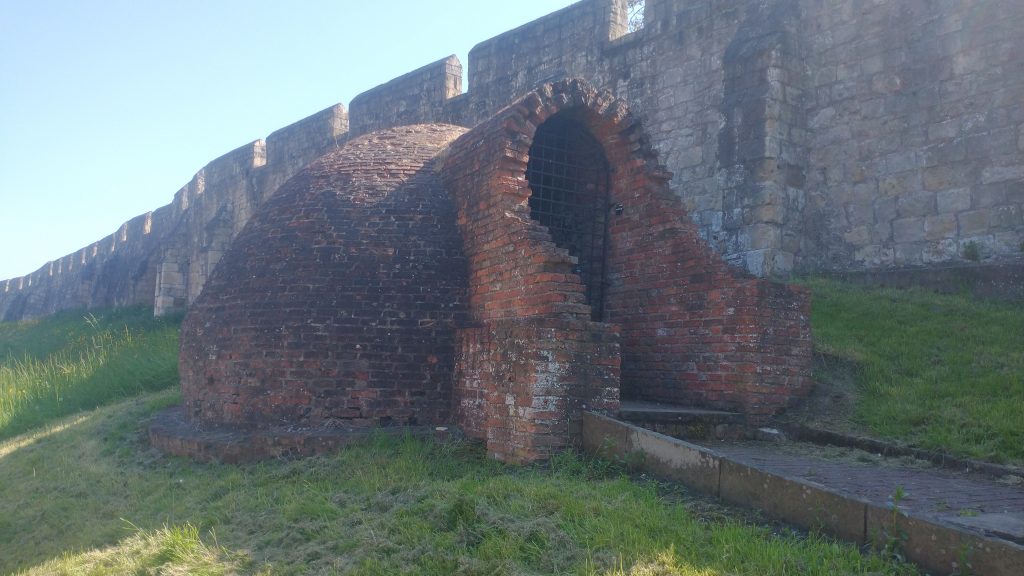
By Monk Bar (Bar means Gate in York) I found a pub called the Keystones. Through its yard I could see the round brick structure, in the photo below.
Ice House in grounds of Keystone Pub, York Photo K Flude
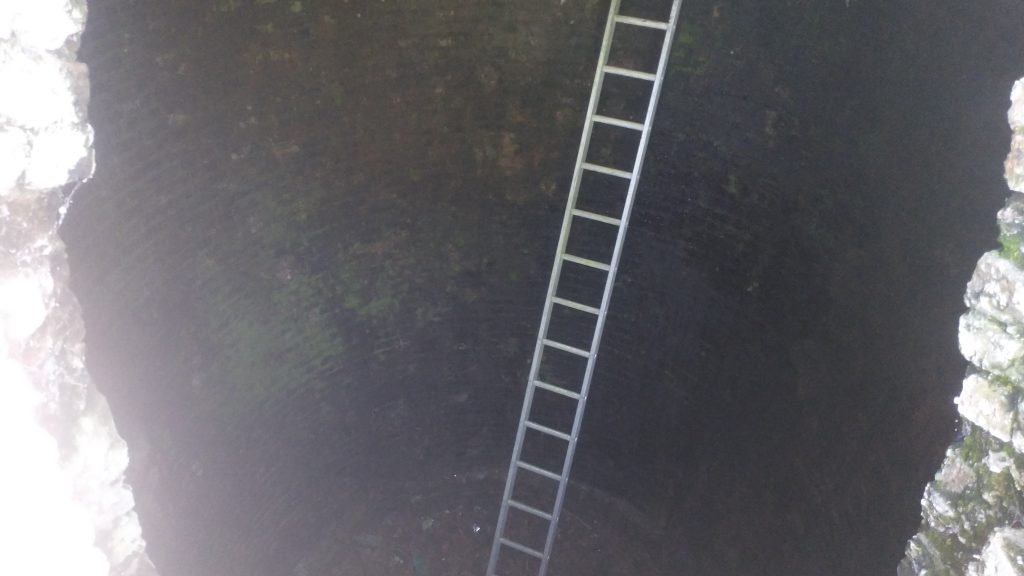
‘Icehouse!’ I thought to myself with increasing confidence. The ladder to the cavernous conical hole beneath it proved the point. It dates to about 1800.
Detail of Ice House in grounds of Keystone Pub, York Photo K Flude
I wrote a brief history of Ice Houses in November 2022. This you can read in my post ‘How to Make a Dish of Snow’ here. But it doesn’t say much about ice cream. I have been meaning to write a piece on that subject since I read an article on the history of Ice Cream. It was in the Friends of the British Museum magazine. I intended to précis it and do a little research and include here. But, in the meantime, I received an email from ‘Jetpack’, a plugin for WordPress users, that offered me an AI plugin, which I wanted to try. So this is the first AI generated piece of information I have ever used (Aug 2023).
WARNING AI GENERATED TEXT!
Ice cream has a long and fascinating history. It’s believed that the ancient Chinese were the first people to eat a form of ice cream, flavoured with fruit and honey. The Persians also had a version of ice cream using ice and grape syrup. In the 13th century, Marco Polo brought the idea of ice cream to Europe from China. The dessert became popular in Italy, where early recipes called for flavoured snow and ice. By the 18th century, ice cream was regularly served in English and American households. Today, ice cream is enjoyed all over the world in many variations and with a plethora of flavours.
JetPack AI Generated (I’ve improved spelling and grammar.)
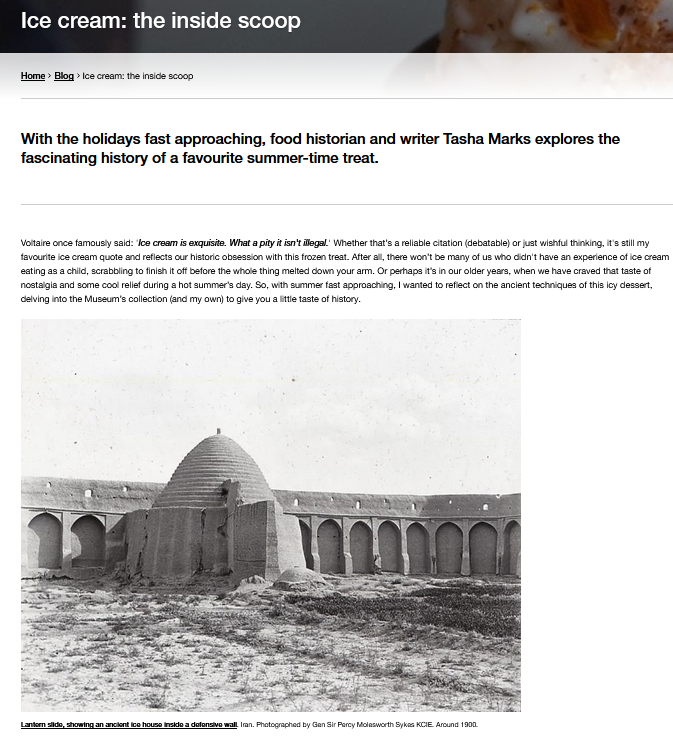
Now, settle yourself down with that pistachio and ciocolata gelato and read real writing on the subject. This from the British Museum. Please note that the ice house pictured below is also, weirdly, just by a City Wall. But this time in Mesopotamia.
Blog Page from British Museum showing picture of an ancient Mesopotamian Ice House by a defensive wall.