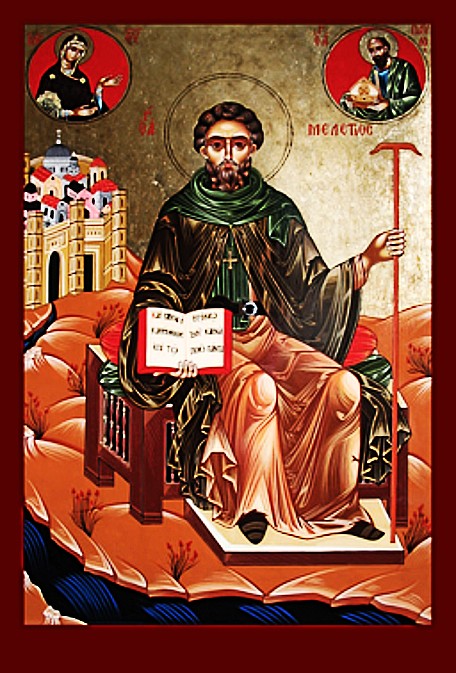
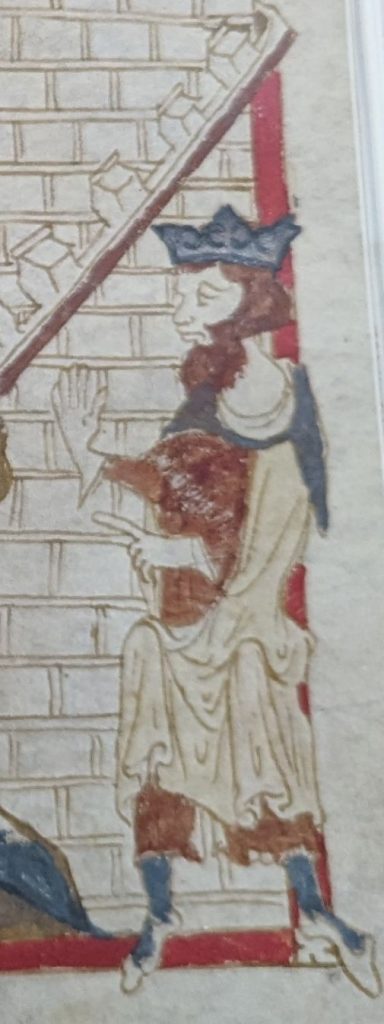
St Mellitus (Source: from saint-mellitus-of-canterbury-died-624
St Mellitus was the first Bishop of London (AD604) and the third Archbishop of Canterbury. But was he really? No, he was the first Bishop of London of the English Church. There were many before him. We know there were bishops of London from Britannia during the Roman period. And, according to John Stow, London’s first history. there were also post-Roman bishops. That line of Bishops ended, in 584 AD, when the 14th Bishop, Theanus, fled London. He headed for Wales to escape the Anglo-Saxon threat. However, even Stow was uncertain whether the list was genuine.
In 314 a Church Council or Synod was called at Arles, in France. Amongst those attending were three bishops from Britain, (and a Deacon and a presbyter) :
Adelfius “de civitate Colonia Londenensium” – that is, from the “colonia of the people of London”.
(Wikipedia)
The fact that two came from London suggests to some a mistake. Adelfus, perhaps, was either from Lincoln or Colchester which were Colonies. The Synod was called by the Emperor Constantine. Amongst its acts were to order that Easter should be held at the same time throughout the Empire. (See also my post on the Synod of Whitby which fixed the date of Easter in Britain as late as 684). They also banned Races, and Amphitheatre Games. and excommunicated all actors and charioteers. But it gives us our first certain facts about the origins of Christianity in Britain.
The Augustinian Mission and Mellitus
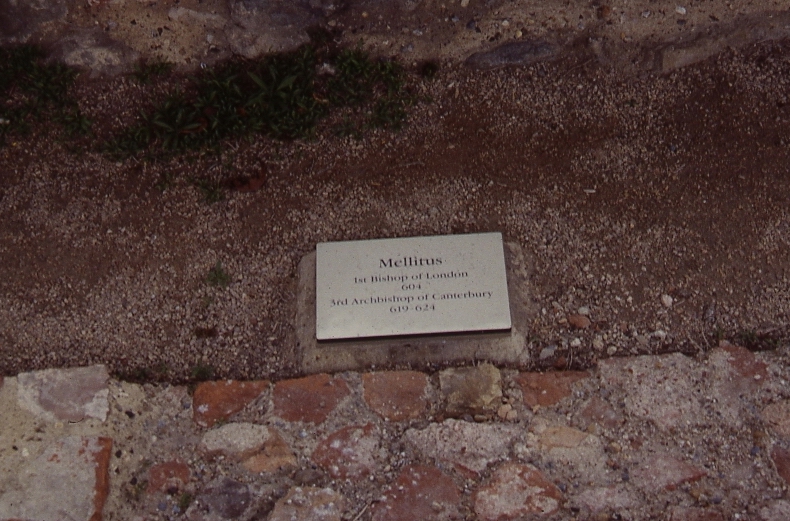
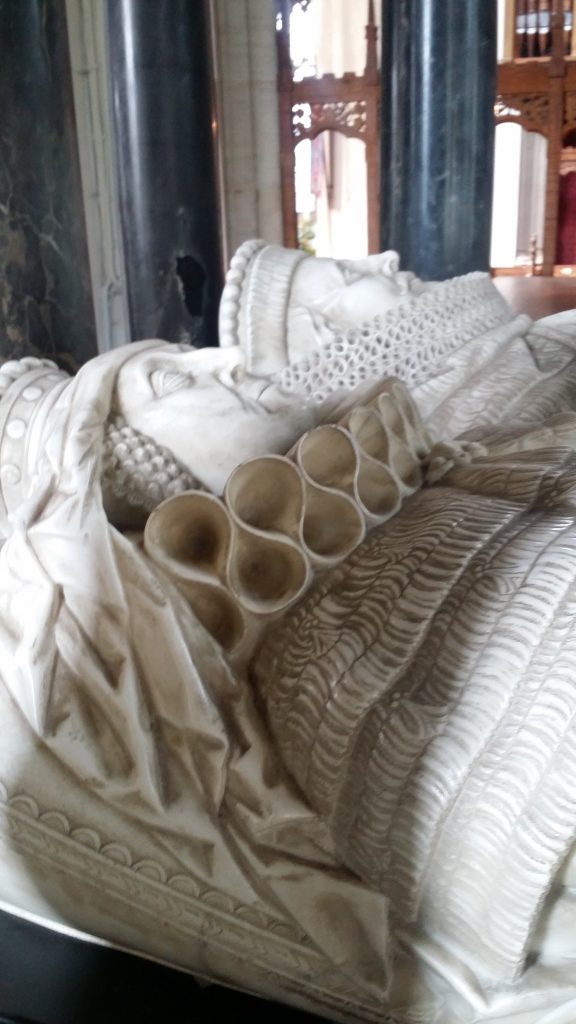
St Mellitus Burial Place, St Augustine’s Abbey, Canterbury. Photo K. Flude
In 597, the Augustinian Mission came to Kent. Mellitus was sent by Pope Gregory to join St Augustine’s mission in 601AD,. He was then sent to London to set up St Pauls and become its bishop (604). London was under the control of the Kingdom of Essex in those days. The King was Saberht, who was the nephew of St Ethelred, King of Kent. Saberht accepted Christianity but when he died. His heirs reverted to paganism and kicked Mellitus out. Mellitus went into exile in Gaul but came back to become the third Archbishop of Canterbury. He was buried in St Augustine’s Abbey in Canterbury. He is known as St Mellitus of Canterbury. St Mellitus had gout so is the go-to Saint for sufferers of gout.
London reverted to paganism until 654AD when St Cedd became its next Bishop.
1925 – McVitie’s Chocolate Digestive was created. There were made in Stockport and in Harlesden, London. I have moored my narrowboat outside the factory and been kept awake by the churning of chocolate in vast vats. News stories suggest that the Digestive was meant to be eaten with the chocolate on the bottom side. This is one of the most ridiculous things I have heard! But apparently it helps the chocolate get to your taste buds that bit quicker. But judge for yourself and read this page for the facts. And this one for more on the history of the Chocolate Digestive.
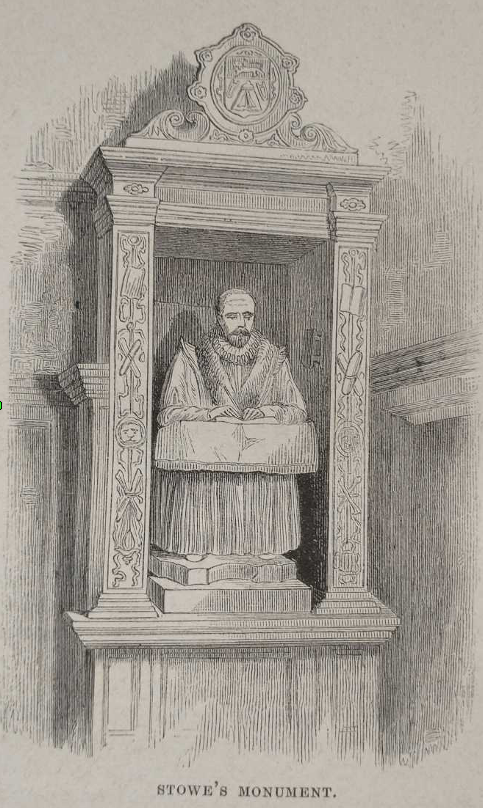
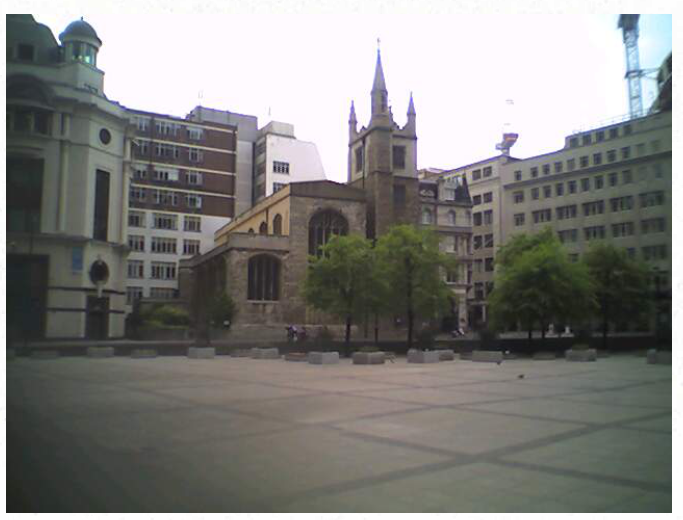
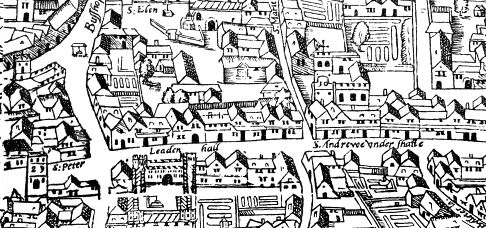
On the corner of Leadenhall Street and St Mary Axe in the City of London is one of the very few medieval Churches that survived the Great Fire of London is 1666. It was sheltered by the firebreak that was the Leadenhall, a big market building made of stone. This is where the great London historian John Stow is buried. His Survey of London is one of the best sources for Medieval and Tudor London. Every three years, there is a commemorative service and his quill is changed. Last year it was on the 22nd April. The next is due in 2027, date yet to be announced. The Lord Mayor attends, and it is organised by Stow’s Guild – the Merchant Taylors.
John Stow records that his father returned to his home at Austin Friars one day to find his house had been moved. He had no warning, nor payment for the loss of land. He had the misfortune to live adjourning the property of Thomas Cromwell. This is what Stow wrote:
‘My father had a garden there, and a house standing close to his south pale; this house they loosed from the ground, and bare upon rollers into my father’s garden twenty-two feet, ere my father heard thereof; no warning was given him, nor other answer, when he spake to the surveyors of that work, but that their master Sir Thomas commanded them so to do; no man durst go to argue the matter, but each man lost his land, and my father paid his whole rent, which was 6s. 6d. the year, for that half which was left. Thus much of mine own knowledge have I thought good to note, that the sudden rising of some men causeth them to forget themselves.’
St Andrew Undershaft
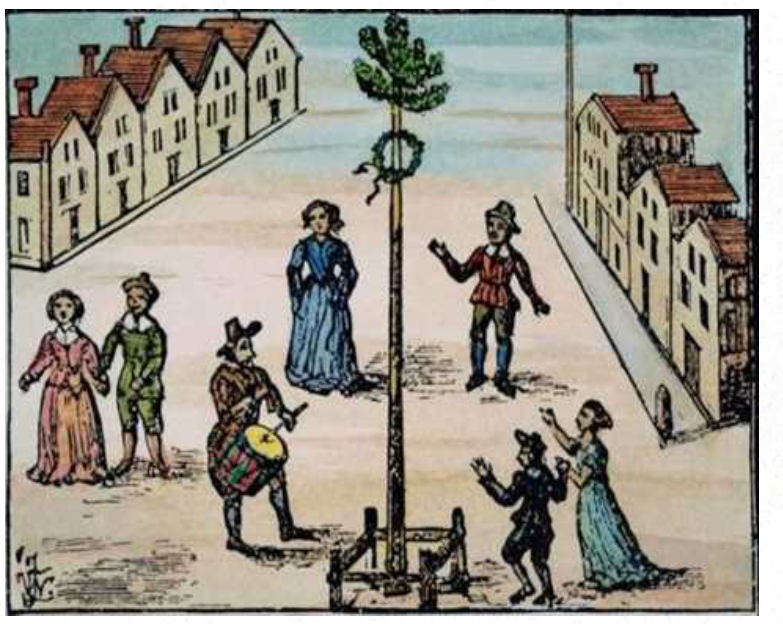
The Church is London’s Maypole Church as it was here the Maypole or the shaft was stored under the eves of the Church. Hence, St Andrew’s sobriquet of ‘Undershaft’. The May Day riot of 1517 put an end to the dancing around the Maypole but the pole itself survived until 1547. Then, in a Puritan riot, the ‘stynking idol’ was destroyed. (see my May Day blog post here for more more details.)
There is also a plaque to Hans Holbein, but no one knows for sure where he is buried. He died in London in 1543, possibly of plague. The present church was built in 1532, but it is first recorded in the 12th Century.
Today is Earth Day. It was set up in 1970. For more information click here.
2016 – On Earth Day the landmark Paris Agreement was signed by 123 countries including the United States, the United Kingdom, and China. The USA is the World’s the second largest emitter. They withdrew from the agreement in 2020, rejoined in 2021, and withdrew again in 2026. Iran has signed it but not ratified it.
First Published on 30th November 2022, Revised 2023, moved to April in 2024, and revised 2025, On This Day added 2026
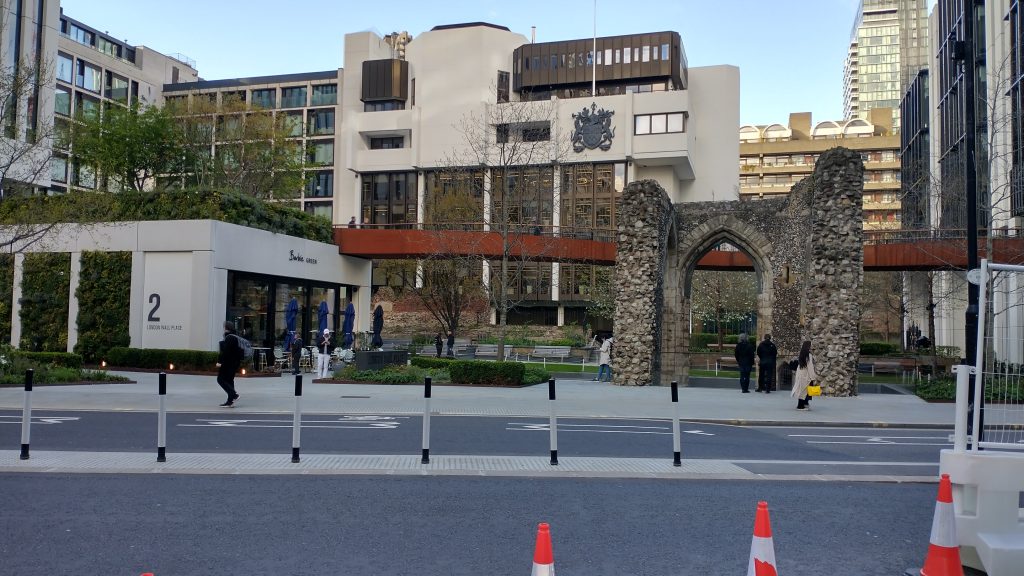
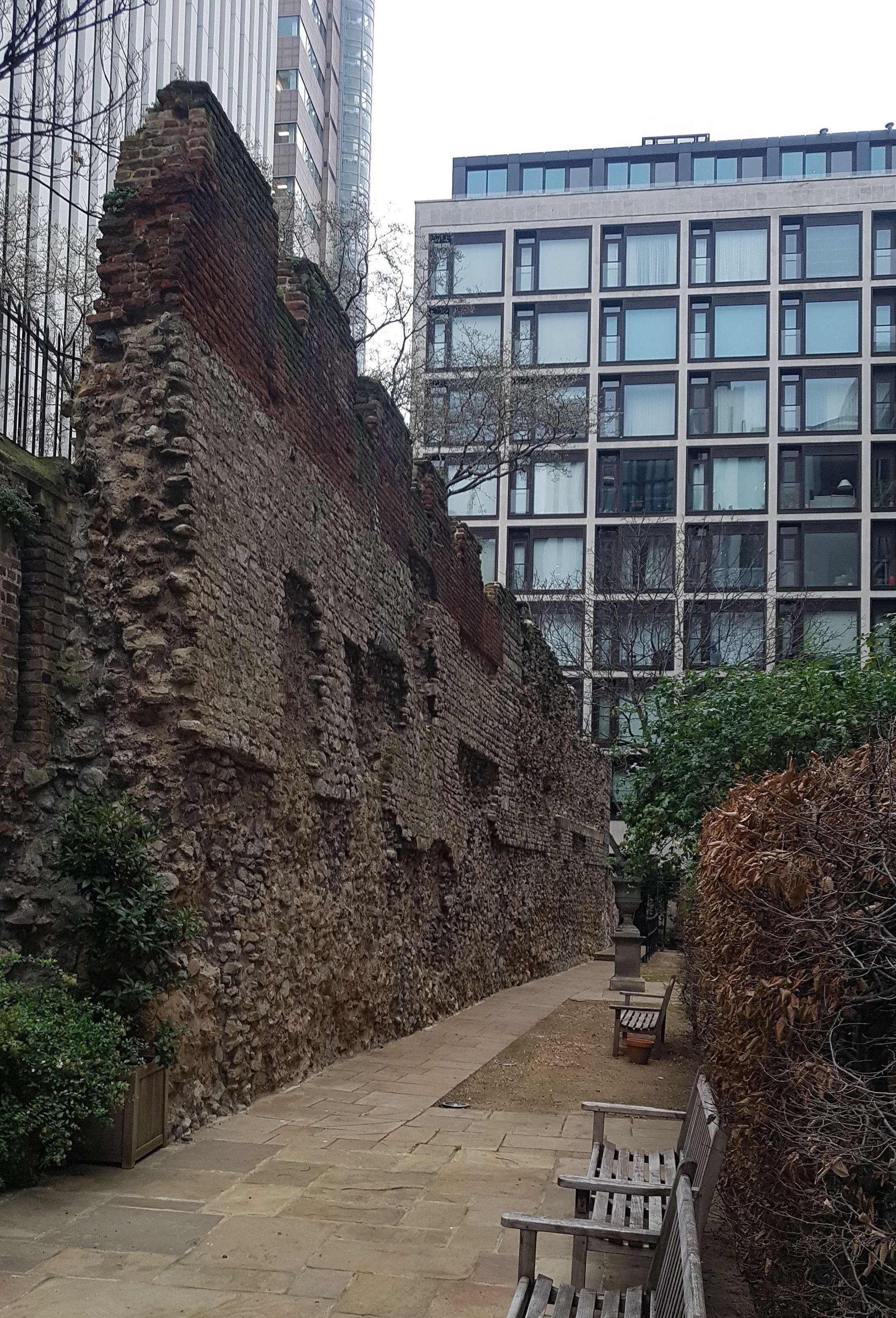
St Alphage. Church Tower on right, City Wall to left. Photo K Flude
I first came across St Alphage when I was working at the Museum of London. The Museum was built on the High Walk at London Wall. The raised Courbusian Walkway looked down on a ruin of a Gothic Church Tower, almost destroyed during the Blitz. This was St Alphage, a Church dedicated to the Saxon Archbishop of Canterbury. (Alphage is also spelt Alphege or Alfege or Ælfheah.)
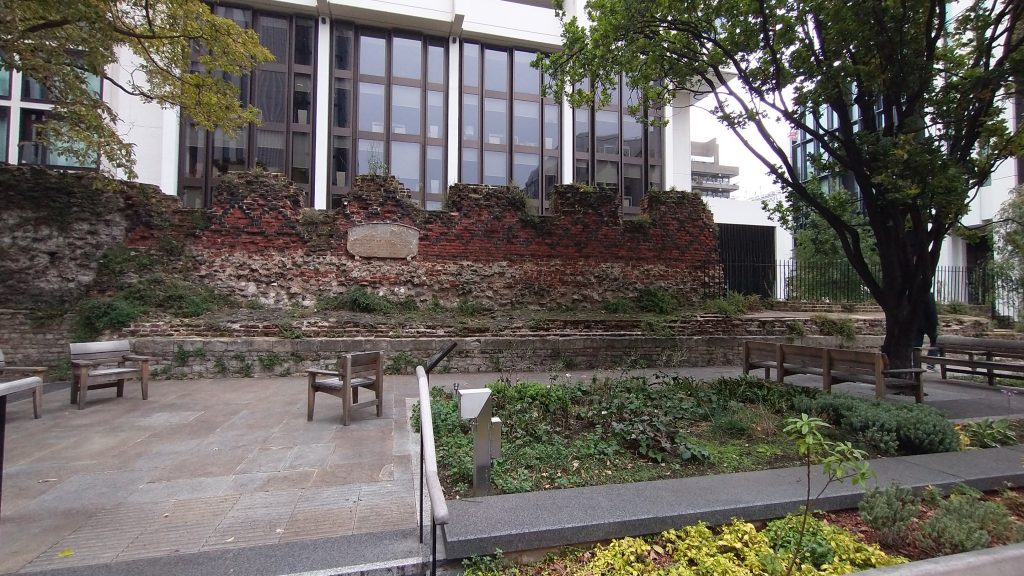
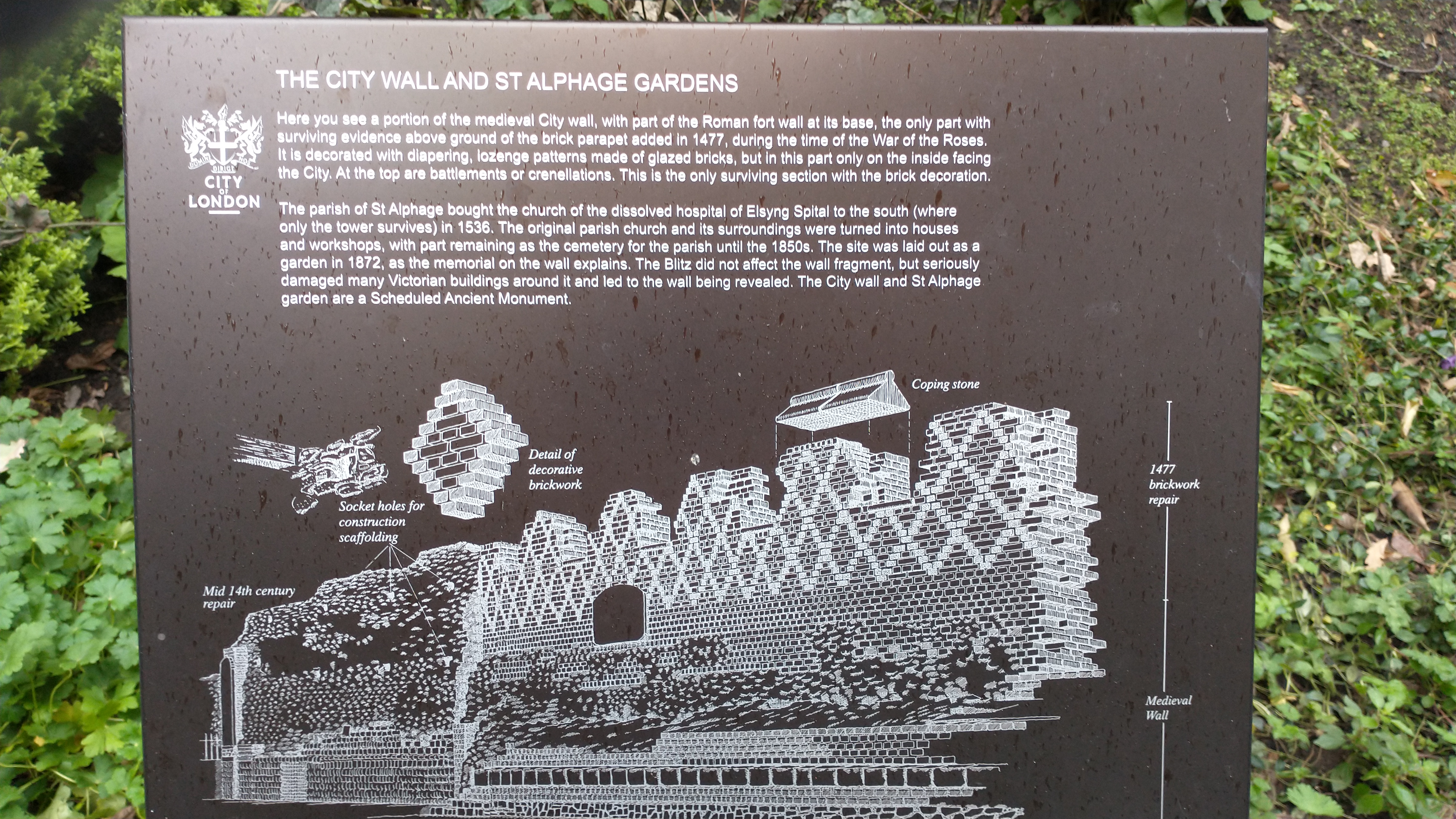
On the other side of the Walkway was the old graveyard of the Church. This preserved one of the very best sections of the old London Wall. Special because on one side its full height was displayed. On the other, the only crenelated bit of the City Wall survived. And the only surviving part of the Wall dating to the War of the Roses.
St Alphage Roman and Medieval WallThe Crennelated Red Brick Section dates to 1477, during the War of the RosesSt Alphage Wall explained on an information plaque.
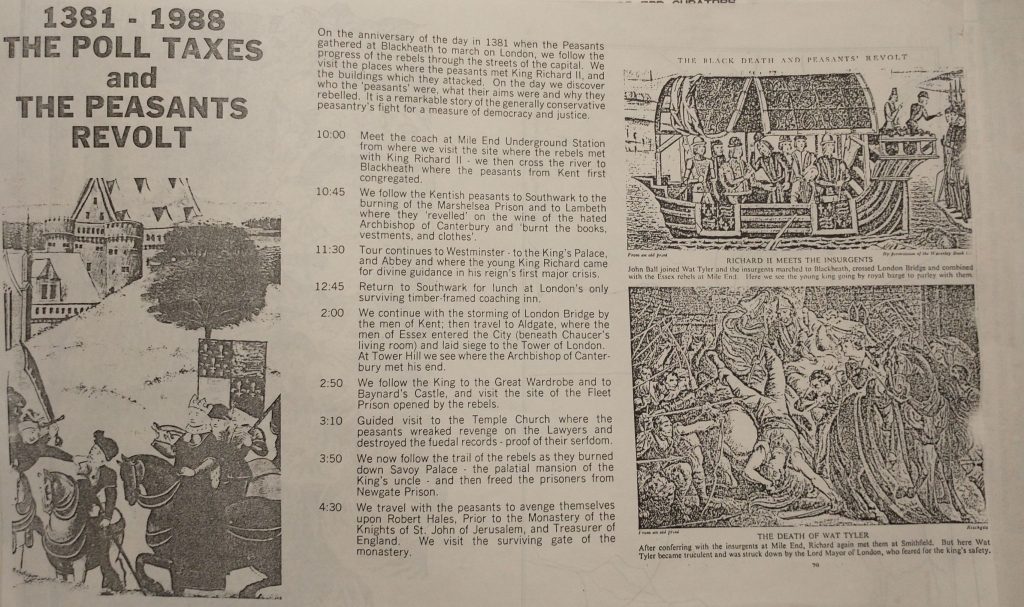
In the 1980s fellow Museum of London Archaeologist, Paul Herbert and I set up a Guided Walks company (Citisights of London). Our walks started from outside the Museum of London, and so St Alphage formed a big part of our success. It led to Guided Walks and tours being a big part of my life. So, St Alphage, thank you!
A Citisights Day Tour the Peasants Revolt (1980s)
St Alphage, Elsyng Spittle and St Mary
The Church was previously a monastic settlement called Elsyng Spittle (aka St Mary within Cripplegate). The Augustinian Canons looked after 100 blind men. It was refounded by Williain Elsing, and dissolved by Henry VIII in 1536. The Church was kept for a Parish Church. But the Puritans were not keen on dedications to St Mary. So, they renamed it after a London based Christian Martyr.
It remained a Parish Church until damaged in an air raid in World War One. (possibly on 8th September 1916 in a Zeppelin Raid – but I am speculating). The Church was partly demolished in 1923, leaving the Tower. The lower part of the Medieval Tower survived bombing in the Blitz. At 12.15 am on 25th Aug 1940, the first bombs on the City of London fell nearby in Fore Street. But the tower was hit in 1940. It was listed Grade 1 in 1950. Kept by the rebuilding of London Wall, and the Barbican area. Then substantially benefitting from a remodelling of the area in an excellent scheme of 2022.
St Ælfheah of Canterbury and Greenwich
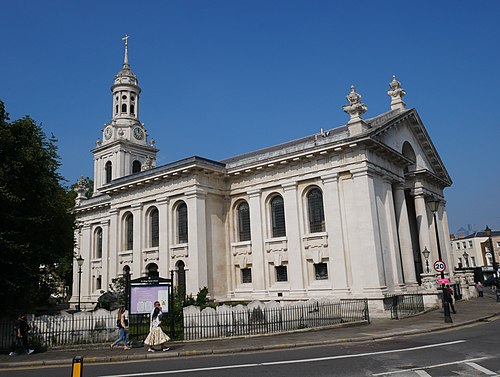
StAlfege Greewich – Doyle own work Wikipedia CC BY-SA 4.0
St Ælfheah was captured during a Viking attack on Canterbury. The Viking hoard relocated to Greenwich where they tried to negotiate a fat ransom for him. He was one of the richest men in the Kingdom. This is what the Anglo Saxon Chronicle says:
.. the raiding-army became much stirred up against the bishop because he did not want to offer them any money, and forbade that anything might be granted in return for him. Also they were very drunk, because there was wine brought from the south. Then they seized the bishop, led him to their “hustings” on the Saturday in the octave of Easter, and then pelted him there with bones and the heads of cattle; and one of them struck him on the head with the butt of an axe, so that with the blow he sank down and his holy blood fell on the earth, and sent forth his holy soul to God’s kingdom.
St Alfege Greenwich, which is now a lovely Hawksmoor Church is said to be on the site of St Ælfheah‘s death. Thorkell the Tall tried to save the Archbishop, but failed and subsequently changed sides and joined the English King. Thrum, who was converted by Alphage, ended his agony by hitting him on the head with the butt of an axe. This seems like a strangely Viking form of mercy!
St Alphage’s body was taken to St Pauls Cathedral where it became venerated and brought income to St Pauls. His remains were removed in suspicious and violent circumstances by soldiers of King Cnut who translated the Saint’s bones to Greenwich. It is suggested King Cnut was punishing London for their opposition to him.
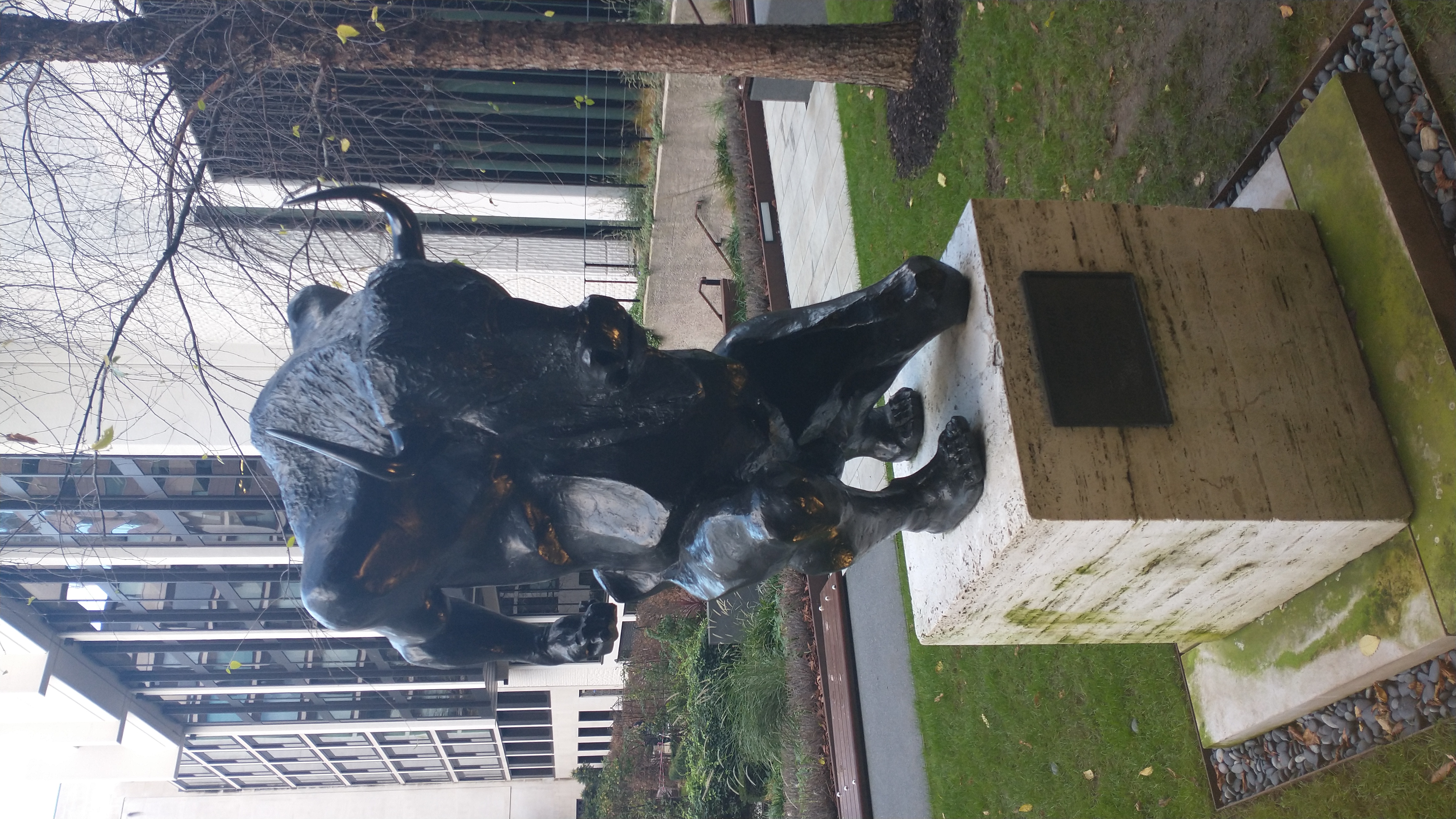
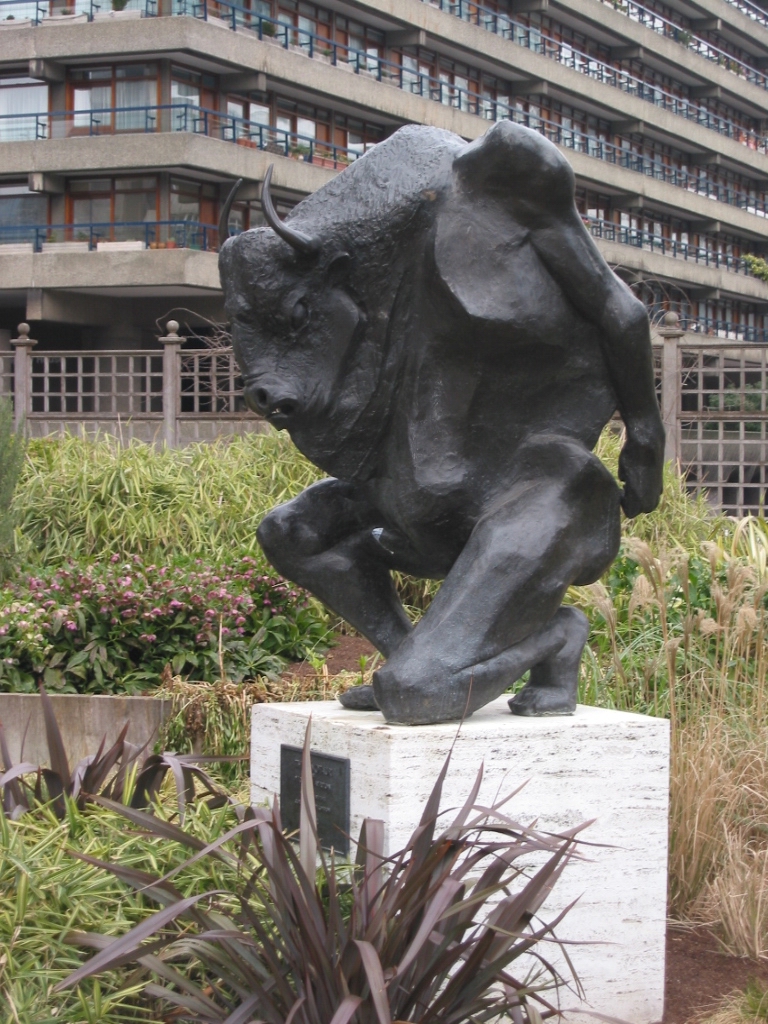
The Minotaur by Michael Ayrton
Also, part of the experience of visiting St Alphage from the High Walk was the statue of the Minotaur. I first came across this phallic Bull in Postman’s Park and am very fond of him. Then it disappeared and reappeared on the High Walk. Now it is on the ground level near the garden of St Alphage.
I understand that Michael Ayrton wanted to make a point about the destruction of London. He felt that the developers were more destructive than the Luftwaffe. They were like a Bull in a China Shop! So he created this statue of a very vigorous Bull (represented by the Minotaur). It is a very unusual work of art in that it sports a fully erect penis. Art History is full of naked women, but the erect male organ has largely not been seen to be a fit subject for art. For more about Ayrton follow this link.
The Minotaur in its present positionThe Minotaur on the High Walk
On This Day
1775 – Battles of Lexington and Concorde begin the American Revolutionary War.
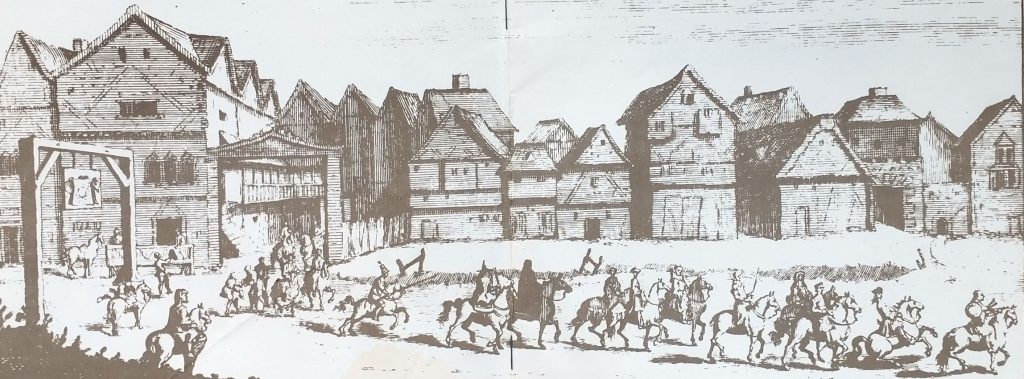
Pilgrims leaving the Tabard for the Canterbury Pilgrimage
Canterbury Pilgrimage
Tonight (April 18th 2026 7.45pm) , I am leading my annual Canterbury Tales Virtual Pilgrimage. This is the day Chaucer’s pilgrims leave London to ride to Canterbury. (For more details or to book look here.) Also, at 11am today i do my Chaucer’s London walk – for details click here.
And I have just realised the above paragraph is wrong! Chaucer mentions it is April 18th in the Man of Law’s Tale which is told on the day they leave Dartford, the second day of the pilgrimage! According to an academic 1387 was the year and the timetable is:
Tuesday 16 April Gather at the Tabard Wednesday 17th April Leave the Tabard early in the Morning. Ride to Dartford Thursday 18th April leave Dartford after 10am which annoys Harry Bailly. Overnight in Rochester Friday 19th April Probably overnight at Ospringe Saturday 20th April travel to Canterbury, Probably overnight in Chequer of Hope, Mercery Lane but this comes from medieval fan fiction as Chaucer doesn’t say much about what happened in Canterbury, But tells of their riotous time in Canterbury.
Dating the Pilgrimage
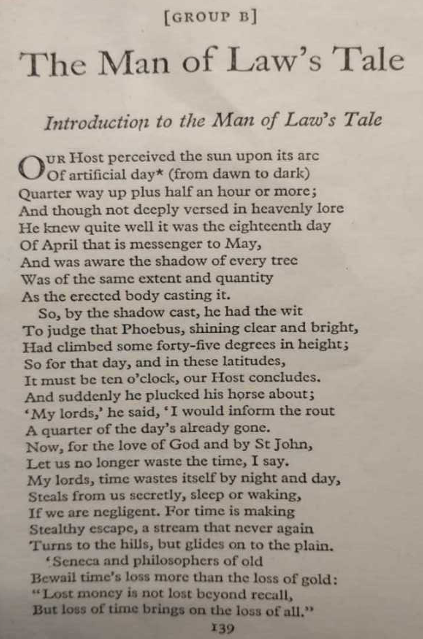
At the beginning of the prologue, Chaucer gives clues as to the date. They go when April showers and Zephyrus’s wind is causing sap to rise in plants, engendering flowers. It is also when Aries course across the sky is half run. The pilgrims are accompanied by Harry Bailly who is the landlord of the Tabard Inn in Southwark. He was a real person and a fellow Member of Parliament of Chaucer. He is jolly and quite knowledgeable. In the Man of Law’s prologue we get a glimpse of Harry time telling in the days before clocks.
Telling the Time
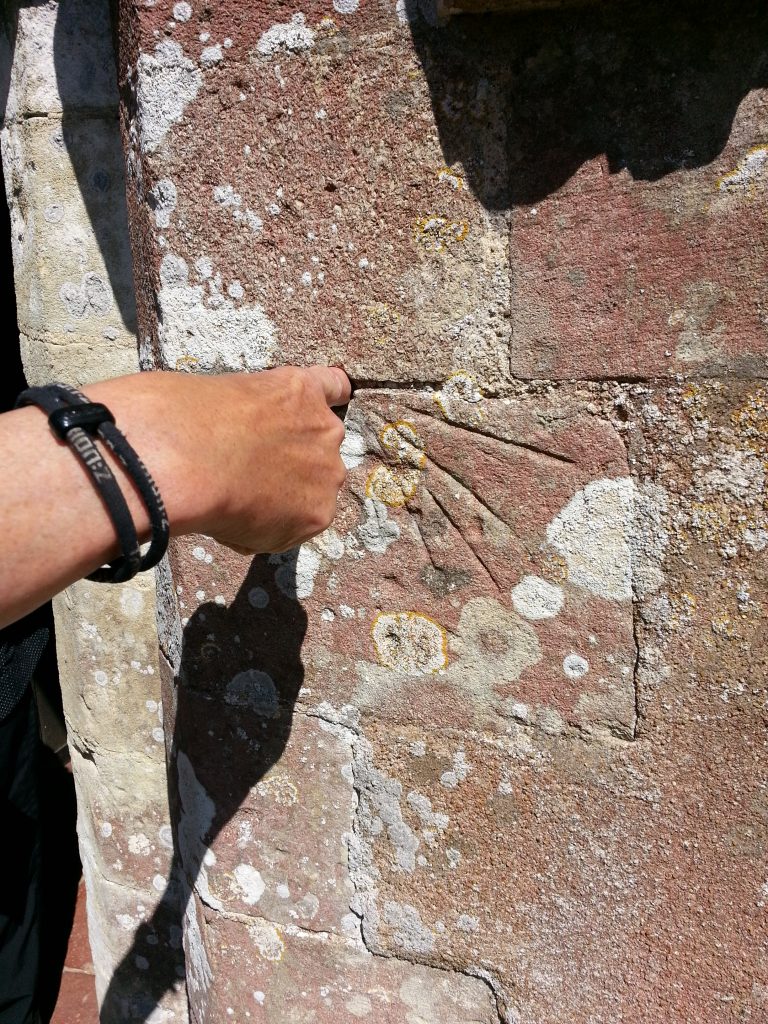
A mass clock (scratch dial) at Steventon Church. Hampshire, Photo K Flude
Chaucer mentions ‘artificial day’ and this is a reference to the way days were divided into hours. There were twelve hours in the daylight part of the day, and twelve hours in the dark night. So in the winter daylight hours were short, and in the summer long.
Romans used water clocks. King Alfred used candles marked into hours. Harry Bailly knows how to tell the time by the height of the Sun. Harry tells the pilgrims it’s about time they got underway. Here is an extract:
Essentially, he is telling the time by the length of the shadows. On April 18th the shadows of trees are equal in length to the tree. Showing that the Sun has climbed 45 degrees and in this latitude it must be 10 o’clock. Time to get going on the Pilgrimage!
Mass Clocks & Time Divisions
The illustration of the mass clock at Jane Austen’s Church at Steventon shows how easy it was to tell the time by the sun. The first mass clock I noticed was at St James’ Cooling in Kent. Dickens used this in Great Expectations, where Pip’s brothers and sisters were buried. Once you find one mass clock, you suddenly discover them everywhere!
Telling the time, before mechanical clocks, was not complicated. The basic unit is the day and the night, and we can all tell when the dawn has broken. The Moon provides another simple unit of time. The month’s orbit around the Earth is roughly every 29 days. The new, the crescents and full moons provide a quartering of the month. For longer units, the Earth orbits around the Sun on a yearly basic. But it is easily divided into four, the winter solstice; the spring equinox, the summer solstice and the autumn equinox.
Nature’s Way of Time Telling
But there were other ways of marking days in the calendar, with natural time markers marked by, for example, migrating birds, lambing, and any number of budding and flowering plants such as snowdrops, daffodils and elm leaves:
When the Elmen leaf is as big as a mouse’s ear, Then to sow barley never fear; When the Elmen leaf is as big as an ox’s eye, Then says I, ‘Hie, boys” Hie!’ When elm leaves are as big as a shilling, Plant, kidney beans, if to plant ’em you’re willing; When elm leaves are as big as a penny, You must plant kidney beans if you mean to have any.’
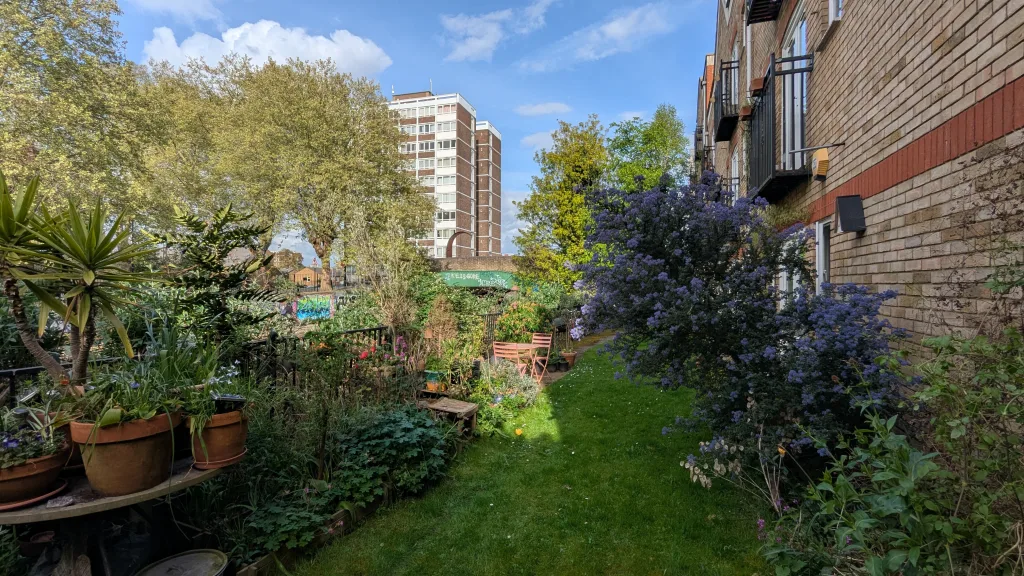
In my north-facing garden, I have my very own solar time marker. All through the winter, the sun never shines directly on my garden. Spring comes appreciably later than the front, which is a sun trap facing south. But on 17th April, just after 12 o’clock the sun peeks over the block of flats to the south of me. It finds a gap between my building and the converted warehouse next door. For a short window of time, a shaft of a sunbeam brings a belated and welcome spring. This for my garden is the real beginning of spring. I took a photo of it this year.
The First Chink of Sun in the year in my Garden. Photo K Flude
New Light on Thomas Becket’s Window at Canterbury
Recent research has revealed the true story behind stained glass windows at Canterbury which had been reassembled wrongly. The story is told here:
On This Day
2026 The Tweed Run is a mass cycle ride around London with everyone dressed in Tweeds. It’s a twelve-mile ride around London (not a run). This year it is starting near Spa Fields, which is near Exmouth Market in Islington. The route is only published on the day of the race. See here for some photos of last year’s run. https://www.tweedrun.com
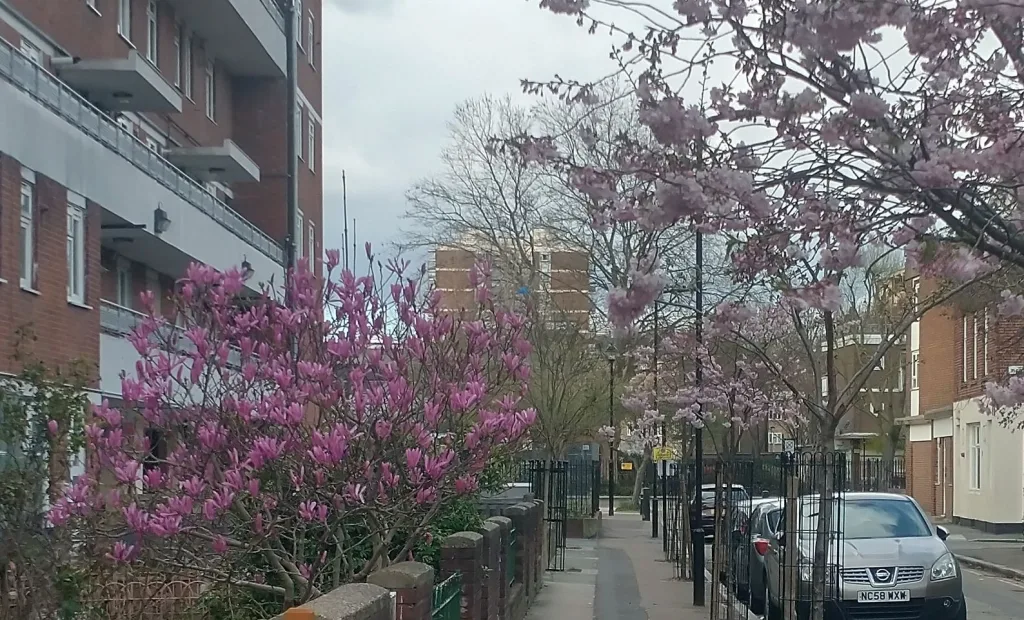
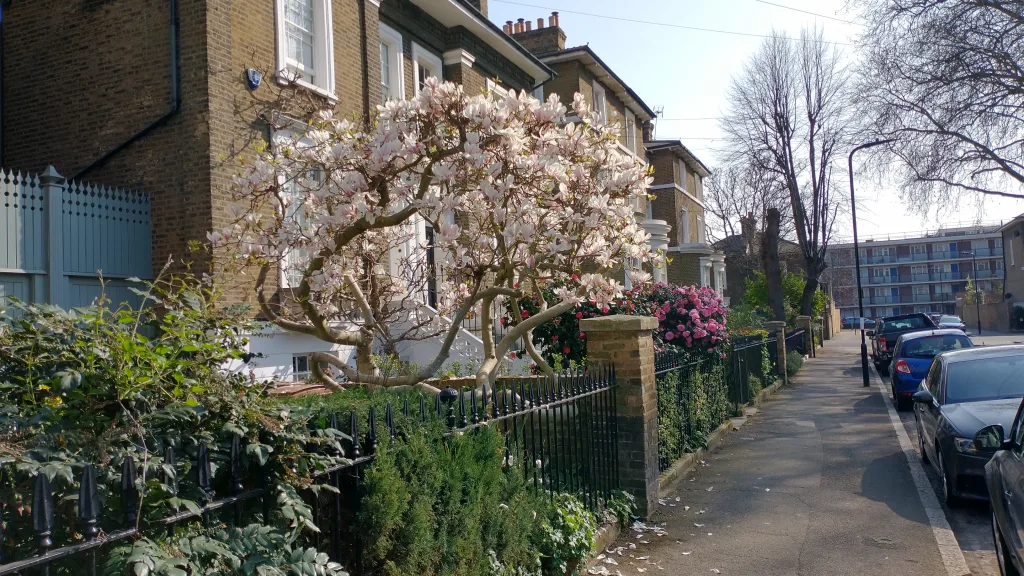
Magnolia and Cherry blossom in Weymouth Terrace Haggerston London. Photo K Flude
It might already have peaked in London, but there are lots of lovely magnolias still flowering. This year, last week was very hot and plant experts feared it would lead to a brief spring. However, the shirt-sleeve warmth was soon followed by a cold spell, dropping in some places to 0 degrees C. This may have saved the situation and prolonged the spring flowering.
Magnolias, Earnest ‘Chinese’ Wilson, said were the most esteemed of all flowers. He introduced new species from the Himalayas. Magnolias are among the oldest flowers and have their origins in the Cretaceous period. They evolved 100 million years ago before the evolution of bees. So they are pollinated by beetles, which is one reason for the size of the flowers.
The first magnolias to come to Britain were from America. John Banister sent Magnolia Virginiana to Henry Compton Bishop of London, who was also highly involved in the colony in Virginia. Compton sent Banister out as a missionary, but both loved flowers. Banister wrote the first flora of N. America which was included in John Ray‘s Historia Plantarum. Sadly, he was accidently shot while exploring.
Magnolias were named after the French botanist Pierre Magnol (1638-1715) ‘Professor of Botany and Director of the Royal Botanic Garden of Montpellier’. Magnol invented the idea of plant families, which Linnaeus developed.
Herbal uses
Mrs Grieve’s ‘A Modern Herbal’ suggests Magnolia was used for rheumatism and malaria. A warm infusion was thought to be laxative, sudorific (induces ‘sweating so that the sweat runs down the body in rills!’), If cold. If warm was antiperiodic (useful against diseases like malaria which keep coming back) and mildly tonic.
Where to see Magnolias
In London, they can be seen everywhere but Google suggests:
Kensington (Phillimore Gardens, The Boltons), Chelsea (Carlyle Square), and Notting Hill (Lancaster Road). And of course Kensington Gardens and Kew Gardens. My favourites ones are in the roads around my house, often in the most unprepossessing of places.
Magnolias and Camelias in Albion Square, Haggerston,. London. Photo by K Flude
But it is a delight to go to Hidecote the National Trust Property in Mickleton just off the edge of the Cotswolds. In April, it has spectacular magnolias. Unfortunately, I don’t have any good photos except this one which shows all the magnolia petals on the ground!
Hdcote in Magnolia time. Photo K Flude
Ernest ‘Chinese’ Wilson 1876 – 1930
Prunus Serrula, (aka Tibetan Cherry) brought to England by Ernest Wilson. My favourite tree because of its bark which feels like copper. Photo K Flude
He was born in Chipping Camden where there is a lovely memorial garden which contains my favourite tree, and many plants he introduced. He brought back over 2000 species into the West of which 60 are named after him. One of his expeditions took place during the Boxer revolution. So he adopted a native disguise and risked execution.
At 16, he was apprenticed at the Birmingham Botanical Gardens. Then he worked at the Royal Botanic Gardens, Kew. His next adventure was to be hired as the Chinese plant collector with James Veitch & Sons (originally based in Chelsea). He eventually moved to America, where he became keeper of the Arnold Arboretum in Boston. Unfortunately, he and his wife died in a car accident in 1930.
1116 (or 1117) – St Magnus the Martyr Executed. He was executed because of dynastic disputes amongst Vikings in the Orkneys. Magnus lived a pious life refusing, for example, to fight in the Battle of Menai Straits in Wales, and various miracles took place after his death. He is remembered by the Church of St Magnus at the foot of London Bridge in London. But that was, before the 18th Century, thought to be dedicated one or other of the other many St Magnus’s (6). The Church is by Christopher Wren, and very high Church Protestant. On the occasion I visited on his feast day I felt like I was in a Roman Temple.
Google Screenshot welcoming the Beginning of the Financial Year
Why is April 6th the Beginning of the Financial Year?
If you remember, in the medieval period, the official New Year was on March 25th. This was the Day of the Annunciation, the Day Mary conceived Jesus. (for much more on this see my post march-25th-feast-of-the-annunciation/). But in 1752, we followed belatedly, Pope Gregory’s reorganisation of the Julian Calendar. We had to put our days back in sync with the Sun. This had gone 11 days out of kilter since Julius Caesar’s reorganisation of the calendar (see my post here!). As we lost 11 days, we had to put them back. So the beginning of the Financial Year in 1753 was changed to April 5th. A further adjustment in 1800 was necessary, as this would have been a leap year. So the new Financial Year moved to April 6th. And it has remained so ever since. For more on the Gregorian Calendar look here.
Today, we breathe a sigh of relief if we have transferred money into our ISAs or briefed our investment advisers, or rue the day that we didn’t get around to any of it, yet again, or didn’t have any money to take advance of tax breaks.
Exploring Mayfair
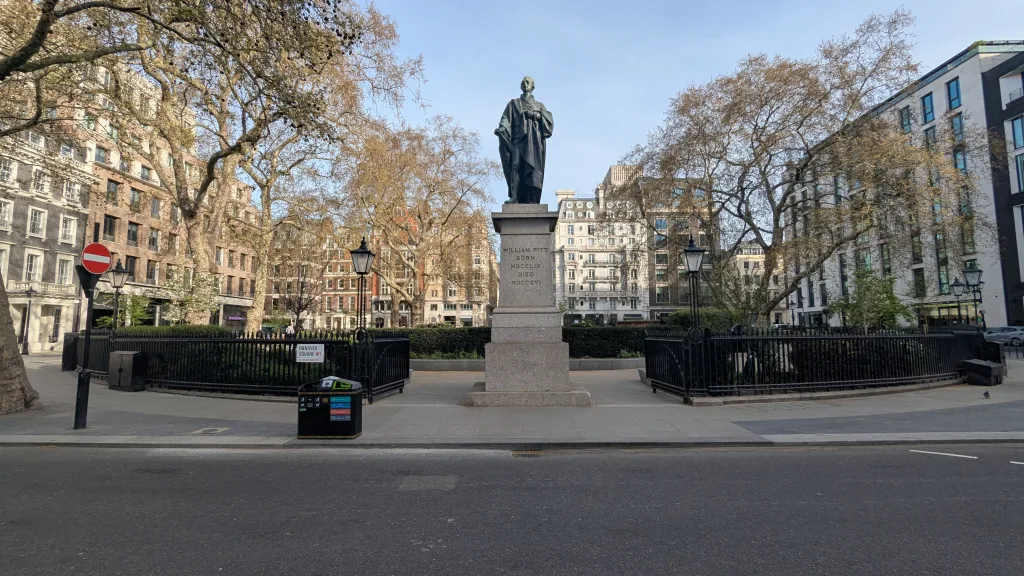
Hanover Square laid out in 1717. Statue of William Pitt the Younger.
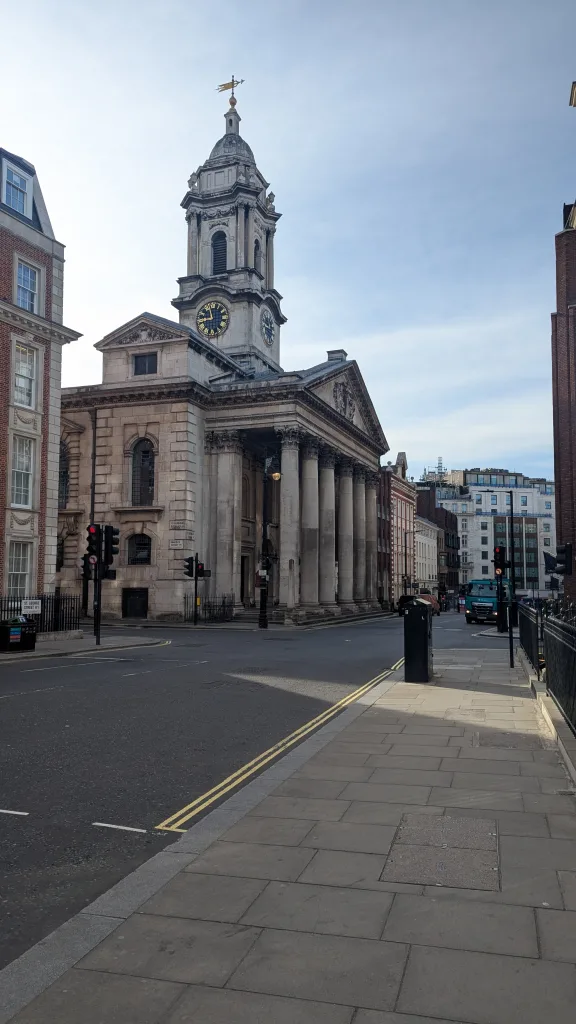
On April 6th 2025, and 2026. I did Jane Austen in Mayfair walks. Today, I met my client at Claridges, (£930 a night). Arriving early, I had a chance to look around, and work out some changes to my Jane Austen walk. I decided to start it at Bond Street, rather than Green Park. This gives a chance to look at Hanover Square, where the tedious Palmers fictionally live (Sense & Sensibility). It is also the location of St George’s Church where Henry Crawford is telling Fanny he will marry her (Mansfield Park). (He won’t).
St George’s Church – St George’s Street, Mayfair London.
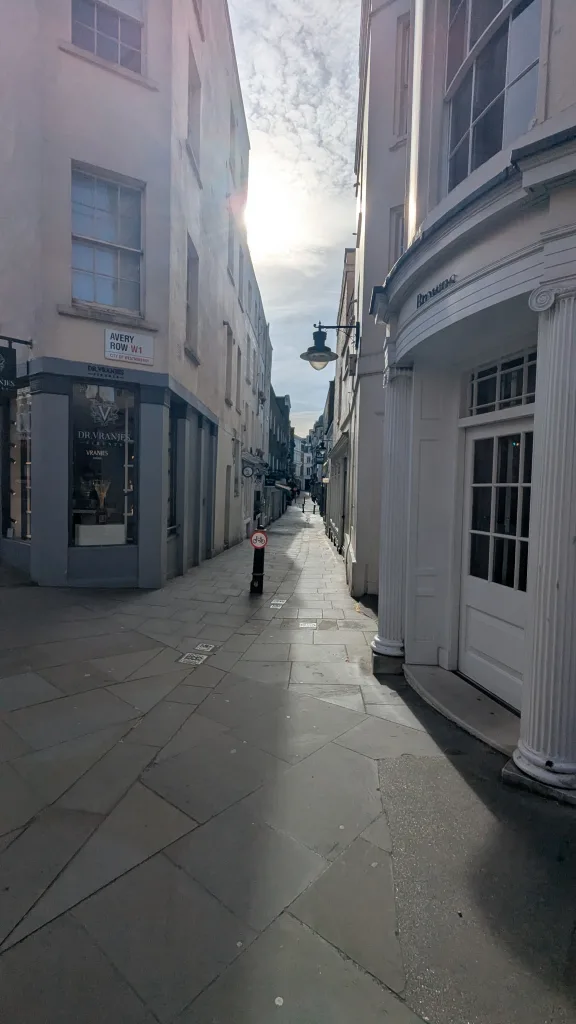
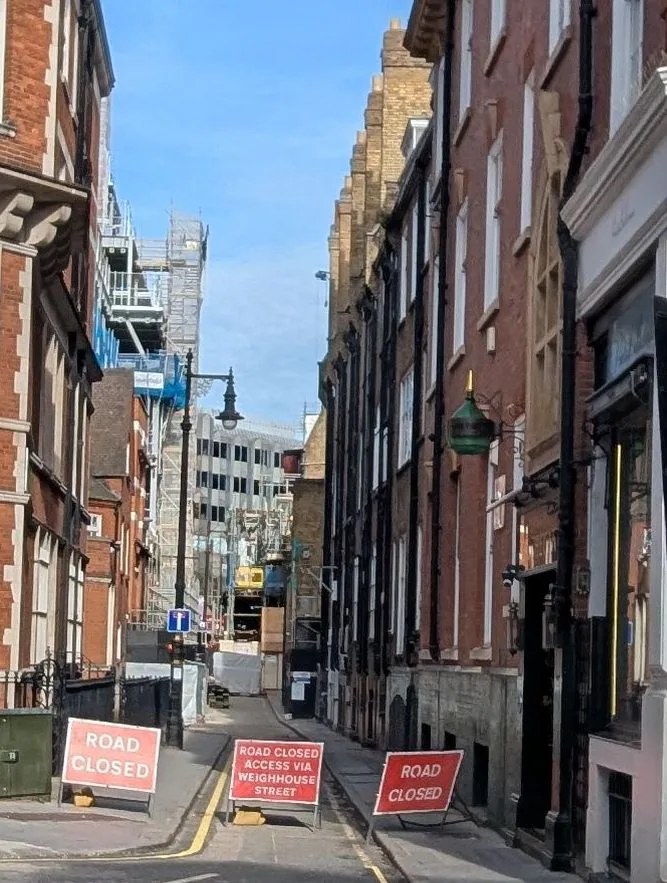
I really love exploring Cities, and here are a few reasons. I knew the Tyburn River used to flow near here. So, I was delighted to see a place where the road to the west rose in height and the road to the east also climbed a small hill. This was the valley of the Tyburn. As I reached the depression, looking left and right, instead of grand boulevards were two pokey little lanes, cutting at an angle in which you could imagine the babbling brook.
Avery LaneS Morton Lane
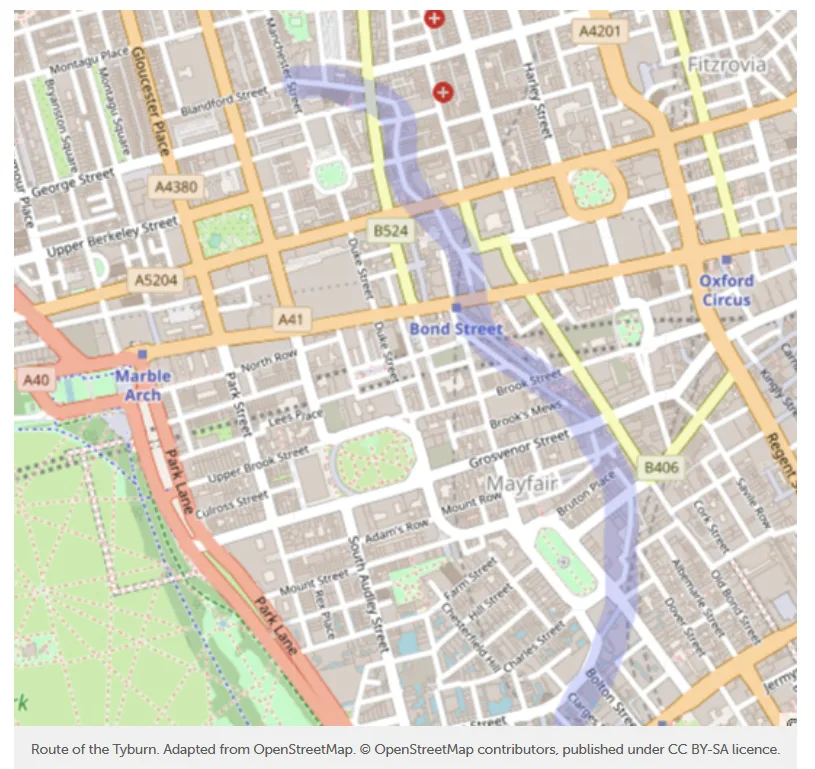
Post walk research confirmed the guess, this was the course of the Tyburn. Below is an open-source map from the Londonist. Look at their post for more on the Tyburn.
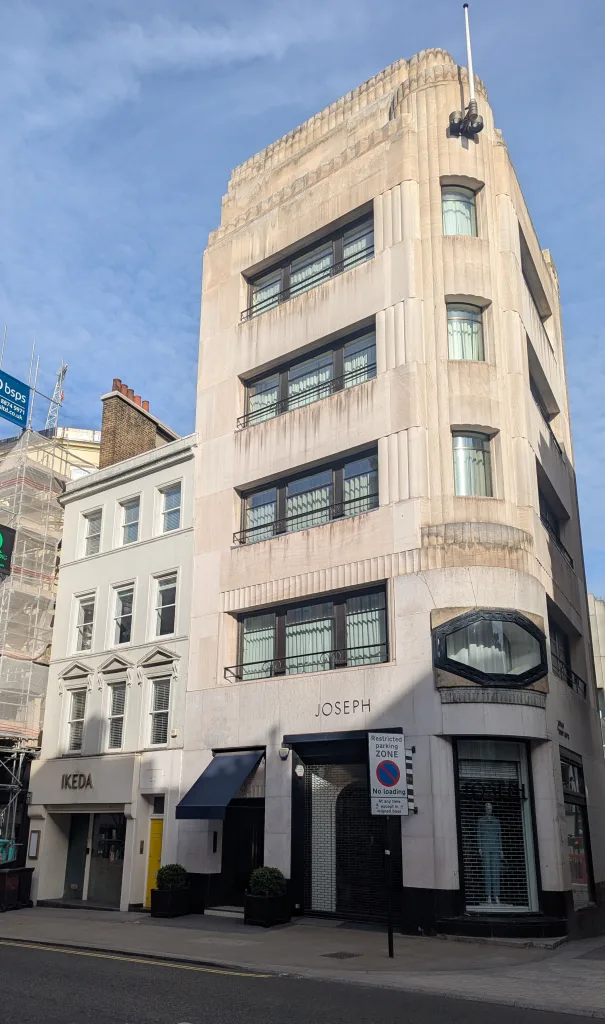
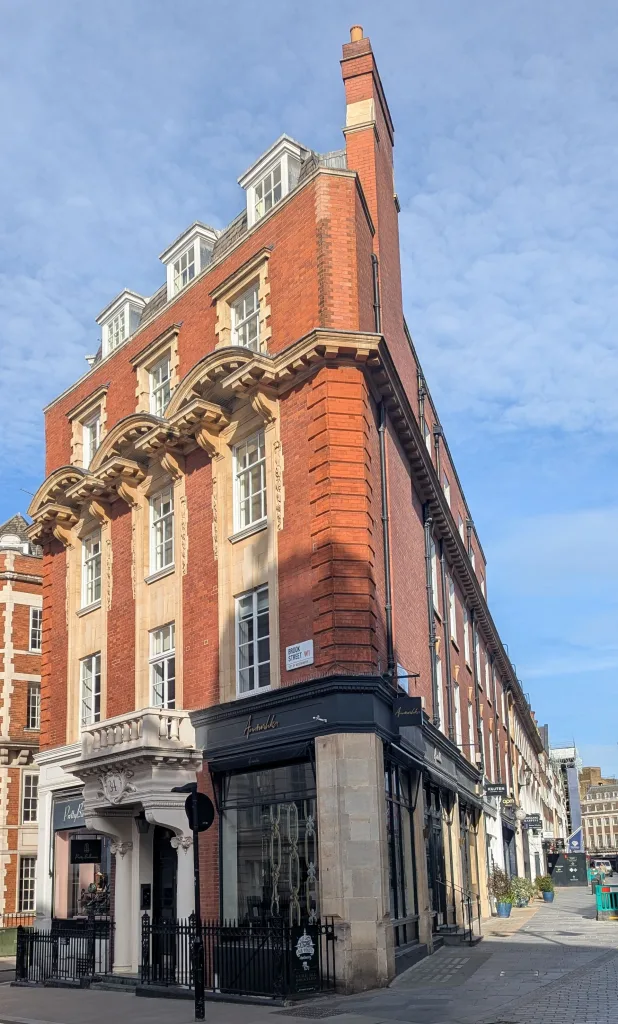
Further down Brook Street were a couple of delightful buildings. First a juxta-position of a Georgian town house with a fine brutalist tower, and then a fabulous triangular brick corner house.
Brook St, London, Photos K Flude
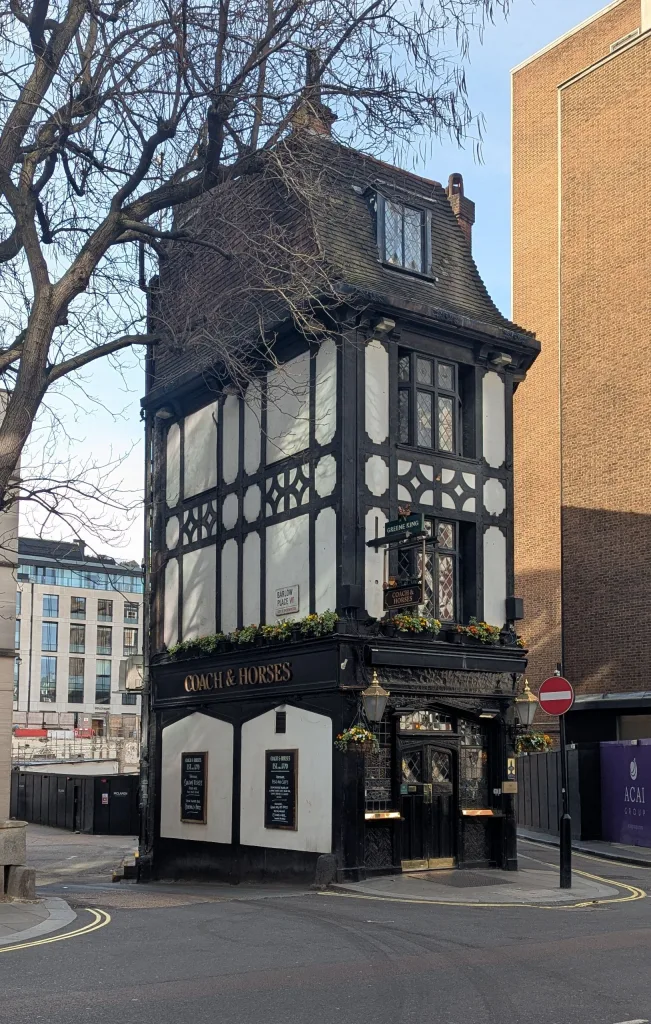
Finally, in Bruton Street just where the Tyburn would have crossed the road was the very epitome of an old inn – the Coach & Horses which survives since 1770, 5 years before the birth of Jane Austen! It is the ‘oldest surviving unreconstructed tavern in Mayfair.’ If you want to do my Jane Austen walk for London Walks, please follow this link.
Coach & Horses Bruton Street Photo K Flude
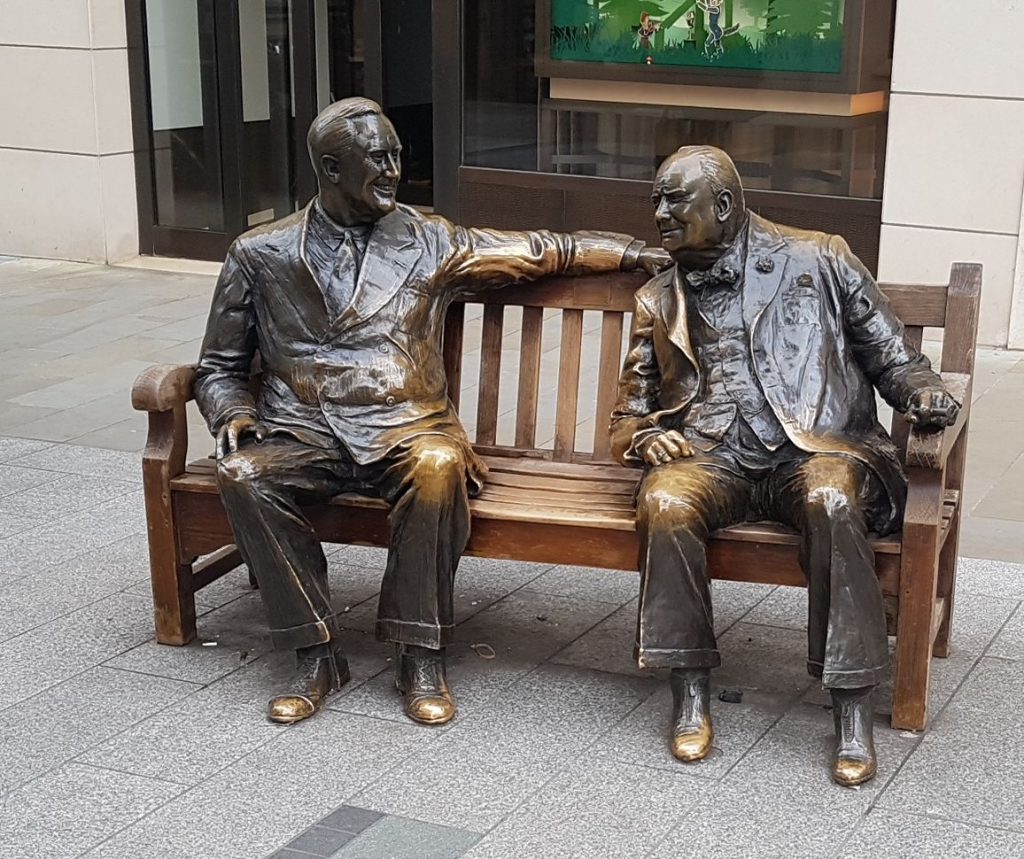
Object of the Day – Allies
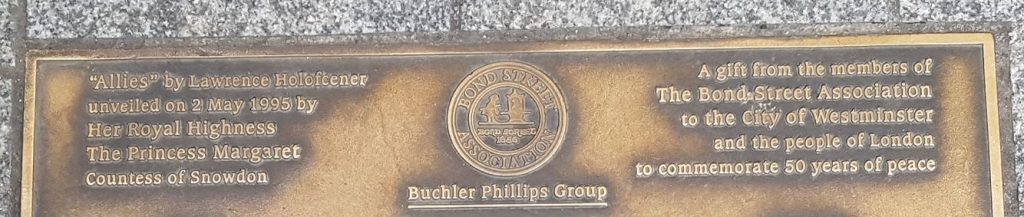
Allies by Lawence Holofcener. 2nd May 1995 to commemorate 50 years of Peace. Photo by K Flude
On my walk, like last year, we saw the statue of Churchill sitting on a park bench chatting with Roosevelt. Seemed like it was from a different world? Given President Trump’s recent statements on NATO?
Details of the Statue
Wise Words on Tariffs.
As it’s the end of the financial year I might be forgiven for keeping in this post words from last year when, coincidentally, I did the same walk. Last year the issue was Tariffs. This is what President Ronald Reagan said about high tariffs.
YouTube video of Ronald Reagan on Tariffs
First Published 6th April 2025, Mayfair content added and post revised 2026
This year, Good Friday is on Friday 3rd of April, and the day we eat Hot Cross Buns. The Hot Cross Bun is a simpler sort of bun than the Chelsea Bun, which was the bun to have at Easter in London in the 18th Century.
Hot Cross Buns Good Friday Traditions
There seem to be all sorts of dubious traditions around the origins of the Hot Cross Bun. It has been suggested that the Greeks knew how to put a cross on a bun. Also, that the Anglo-Saxons celebrated the Goddess Eostre with the crossed bun. It is suggested that the cross represents, not the cross, but the four quarters of the moon, the four seasons and the Wheel of the Year. But there is very little evidence for Eostre other than the Venerable Bede’s mentioning her name. Bede says:
‘‘Eosturmonath has a name which is now translated ‘Paschal month’, and which was once called after a goddess of [the English people] named Eostre, in whose honour feasts were celebrated in that month’ (quoted from florencehrs.substack.com/p/eostre-pagan-fertility-goddess)
So nothing is known about Eostra herself nor her rituals and customs. So her association with Hot Cross Buns cannot be known. However, the cross, and the association with Easter, makes the bun powerful, so there are many superstitions on record. A piece of an Easter Hot Cross Bun given to the sick may promote a cure. It was said that a bun cooked and served at Easter will not go off for a year. This might help explain the traditions that hanging them up on a string or ribbon is a good thing. One hung in a kitchen prevents fire. On a ship prevents sinking. In East London, the Widow’s Son Pub in East London has an old bun. This remembers a sailor-son who never returned to eat it on Good Friday.
Making and Eating Hot Cross Buns
The technology of putting a cross on a Bun requires nothing more complicated than a flour and water paste so it might well be an ancient tradition. A more impressive cross can be made with shortcrust pastry. The bun itself is simply flour, milk, butter, egg, salt, spices and mixed fruit. Here is a recipe from the BBC www.bbcgoodfood.com
In my opinion, they need to be purchased from a shop. Home-made Hot Cross Bun might be better but would be strangely disappointing. It’s normally eaten toasted and buttered although I prefer the soft doughy untoasted and unbuttered bun. But then I can get carried away and eat the entire pack of four.
‘RRRRRare Chelsea Buns’ as Jonathan Swift called them in a letter to Stella in 1711.
Fragrant as honey and sweeter in taste As flaky and white as if baked by the light As the flesh of an infant soft, doughy and slight.
The buns were made from eggs, butter, sugar, lemon and spices. The tradition was that, on Good Friday, 18th and 19th Century Londoners would go to Chelsea to buy Chelsea Buns. Thousands of people would turn up at the Five Fields. These stretched from Belgravia to what is now Royal Hospital Street. There were swings, drinking booths, nine pins and ‘vicious events that disgraced the metropolis’. The Bun House was on Jew’s Row as Royal Hospital Street was then called. As several King Georges visited the Bun House it became known as the Royal Chelsea Bun House. It was run by the Hands family. They were said to sell 50,000 Buns on the day. Stromboli tea garden was nearby.
Chelsea Cabinets of Curiosity
Inside the Chelsea Bun House was a collection of curiosities. Chelsea became known for its collection of curiosities in the 18th Century. Of course, there was the great Hans Sloane’s collection which was the founding collection of the British Museum. And then there was Don Saltero’s which was a coffee house that had curiosities on the wall. The Bun House displayed clocks, curiosities, models, paintings, and statues on display to attract a discerning Public.
Find me a Chelsea Bun! (Or make one yourself!)
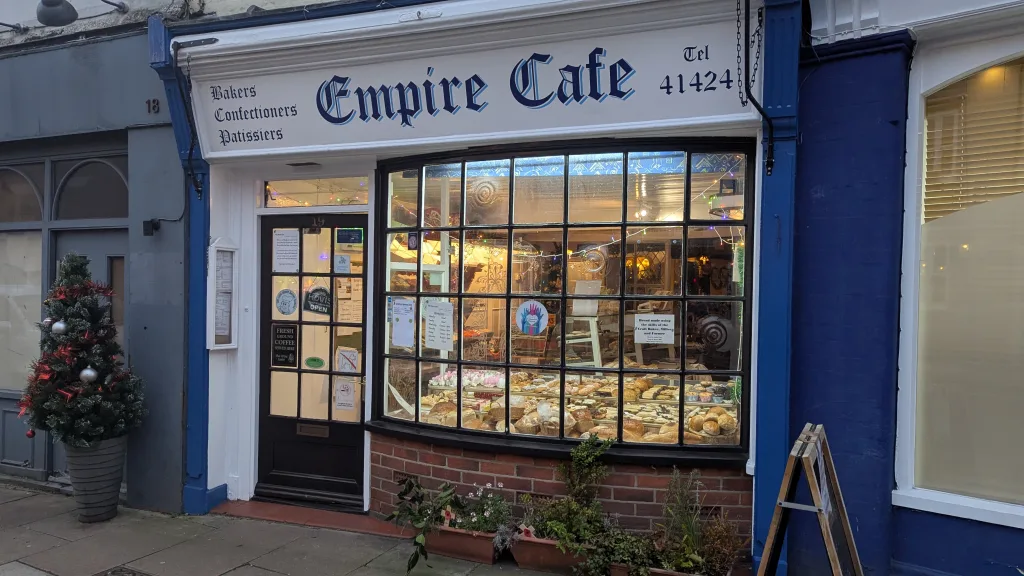
Me. I love a Chelsea Bun above all buns, But can you get them any more? The British Library Cafe was the last place I found that sold them. And that was 7 years ago. I did Chelsea Buns on sale in the Empire Cafe in Newbury but apart from that nada. Their place has been taken first by Danish Pastries and more recently the ubiquitous Cinnamon Bun. If you see any Chelsea Buns on sale please let me know.
Chelsea Buns, middle top row, next to the white cakesEmpire Cafe baking in Newbury since 1874
There is a tradition of Skipping on Good Friday. I can’t say I ever saw it – in my school skipping was a perennial activity, mostly enjoyed by the girls, but the boys would sometimes be intrigued enough to join in.
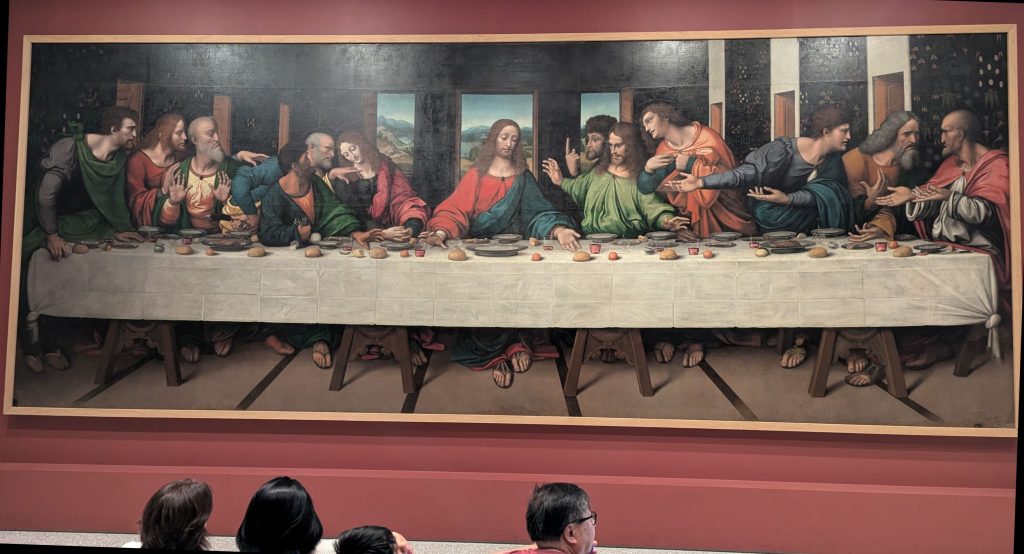
Copy of the Last Supper by Leonardo da Vinca at the Collection Gallery, Royal Academy, UK (Copy made 1515-1520, and was in the Carthusian Monsatery at Pavia in the 17th Century before being brought to the RA in the 19th Century) Photo K flude
April 2nd, 2026 is the day before Good Friday. It was on the Wednesday or the Thursday that the Last Supper took place. So I have relocated my ‘Sandals of the Saints’ post to here.
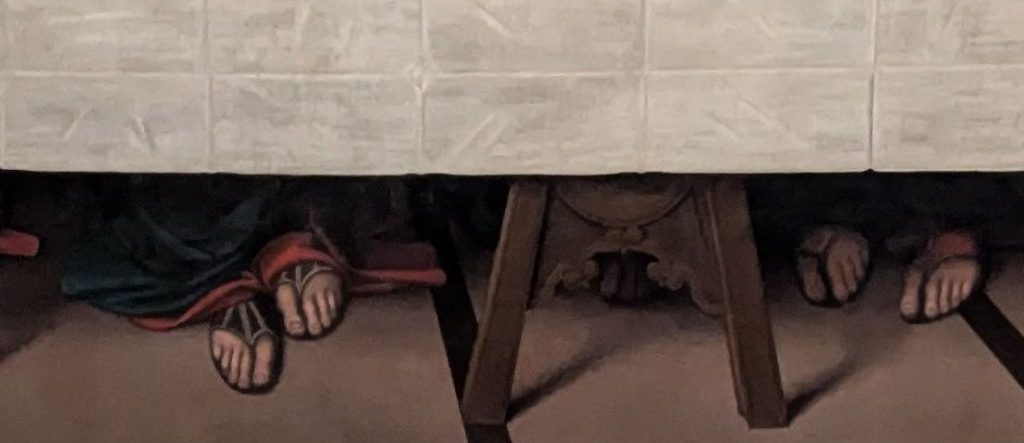
Whilst visiting Flaming June at the Royal Academy, it was nice to have another look at the RA’s copy of the Last Supper. What strikes me most is their sandals (and the beautifully pressed table cloth).
Detail of the RA Sandals in the copy of the Last Supper Photo Kflude
Details that bring the past to life. The shoes would surely sell today, while the table cloth really destroys the common idea that the past was dirty and smelly. It wasn’t. People took pride in their appearance and surroundings. Just look at the ironing!
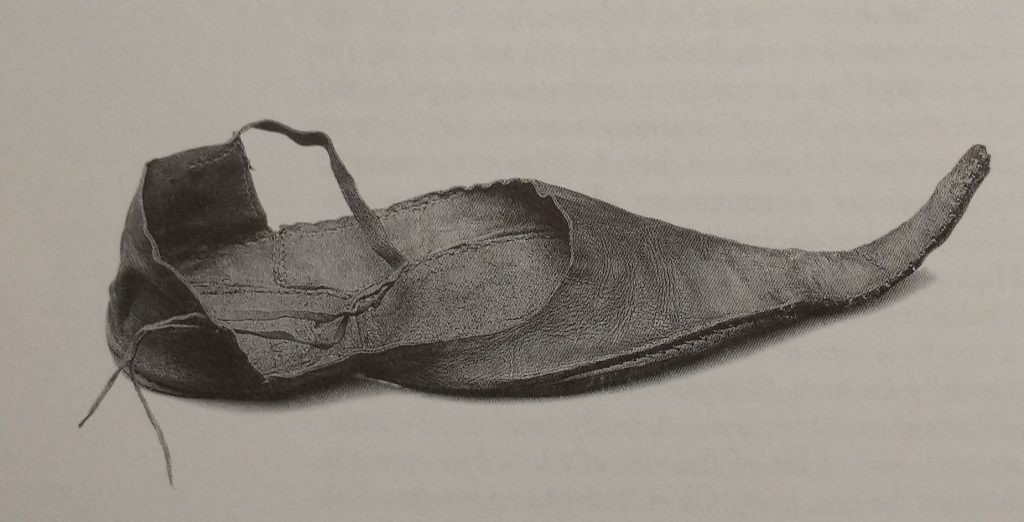
Here, by way of contrast, is a medieval shoe from the 14th Century from the Museum of London. And this is a link to the Museum of London’s collections of medieval shoes, most have been collected from excavations, and it is one of the best collections.
On This Day
Today is St. Urban of Langres Day.
He is the patron of Langres; Dijon; vine-growers, vine-dressers, gardeners, vintners, and coopers. And invoked against blight, frost, storms, alcoholism, and faintness. (www.catholic.org/saints/) But is also called upon to make maid’s hair long and golden.
On the feast of St Urban, (forsooth) maids hang up some of their hair before the image of St Urban, because they would have the rest of their hair grow long and golden.
Reginald Scott, the Discovery of Witchcraft, 1584. (Thanks to the Perpetual Almanac by Charles Kightly.) For more on Reginald Scott and Witches see my post.
1744 – First Golf Tournament. No, not at St Andrews but at Leith Links, Edinburgh.
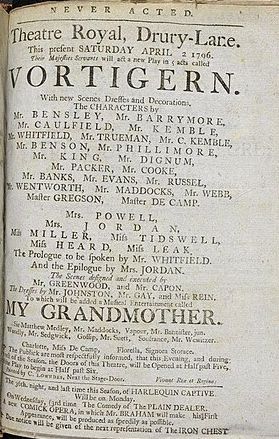
Bill for the 1796 play Vortigern and Rowena Public Domain Wikipedia
1796 – A great cast at the Drury Lane Theatre, owned and managed by Sheridan, put on a newly discovered play by William Shakespeare. The cast included Kemble, Barrymore, and Mrs Jordan, who was the mistress of Prince William (aka William III). Rumours swirled around about the authenticity of the play. Shakespeare was interested in Britain’s legendary history, having written Cymberline and King Lear. But critics thought it was too simple to be genuine. Eventually, William Henry Ireland admitted he was the author.
‘A London Year’ by Travis Elborough and Nick Rennison has a great quote from a visit to the play. It took place on April 2nd 1796 and is recorded in Joseph Farington’s diary. Compare this description to your last polite experience at the Theatre.
Shakespeare’s forgery staged
‘Island’s play of Vortigern, I went to. Prologue, spoken in 35 minutes past six, play over at 10. A strong party was evidently made to support it, which clapped without opposition frequently through near three acts. When some ridiculous passages caused a laugh, which infected the house during the remainder of the performance, mixed with groans. Kemble requested the audience to hear the play out about the end of the fourth act, and prevailed. The epilogue was spoken by Mrs. Jordan, who skipped over some lines which claimed the play as Shakespeare’s
Barrymore attempted to give the play out for Monday next, but was hooted off the stage. Kemble then came on. And after some time, was permitted to say that ‘School for Scandal’ would be given, which the house approved by clapping.
Sturt of Dorsetshire was a Stage Box drunk and exposed himself indecently to support the play. And when one of the stage attendants attempted to take up the green cloth, Sturt seized him roughly by the head. He was slightly pelted with oranges. Ireland, his wife, a son and a daughter and two others were in the centre box at the head of the Pitt. Ireland occasionally clapped. But towards the end of the fourth act, he came into the front row and for a little time, leaned his head on his arm. And then went out of the box and behind the scenes. The Playhouse contained an audience that amounted to £800 pounds.’
April 2nd 1796 from Joseph Farington’s Diary, (I have changed some of the punctuation.)
Who Was Vortigern?
Vortigern’s history is shrouded in Myth. But he was chosen as leader of Britannia after the Romans withdrew in the early 5th Century AD. His name means Great Leader in Brittonic. He is one of the few leaders we know to be a real person in what used to be called the Dark Ages. We accept him as real, as he appears in the near contemporary source by the Monk Gildas.
However, very little is known of him except legends. He was associated with Merlin. Legend accuses him of betraying the British for the lust for Rowena. She was the daughter of the Saxon Leader Hengist. Whatever the truth of this, Vortigern continued the late Roman policy of hiring Germanic mercenaries. They defend Britannia against Picts, Irish, Scotti,and, of course the Saxons. The legends say that Hengist and Horsa were hired with their three ‘keels’ of Saxon mercenaries. In payment for services rendered, or for lust, Vortigern surrendered the sovereignty of Kent to the Saxons. Thus began the so-called ‘Adventus Saxonum’, and the destruction of the power of the Britons.
Kent and the Survival of pre-Saxon names
Medieval portrait of Vortigern
How much of this is ‘true’ we have no idea. But the name of Kent survives from the prehistoric, into the Roman, unlike most tribal names. And unlike most tribal names survives to the modern day. Who now has heard of the Trinovantes, the Catuvellauni, Regneses or the Atrebates. The pre-Roman tribe were called the Cantii, or the Cantiaci. Caesar says they had 4 Kings, and the Cante part of Canterbury comes from their name. Why did the name survive? Probably because it was the first Roman Civitas to be taken over by the Saxons. Most likely still largely a working political unit. So it kept its name. The other Roman political units mostly lost their names in the anarchy of this period. The political boundaries from the Prehistoric period survived through the Roman period. But the names at least do not survive the fall of Rome.
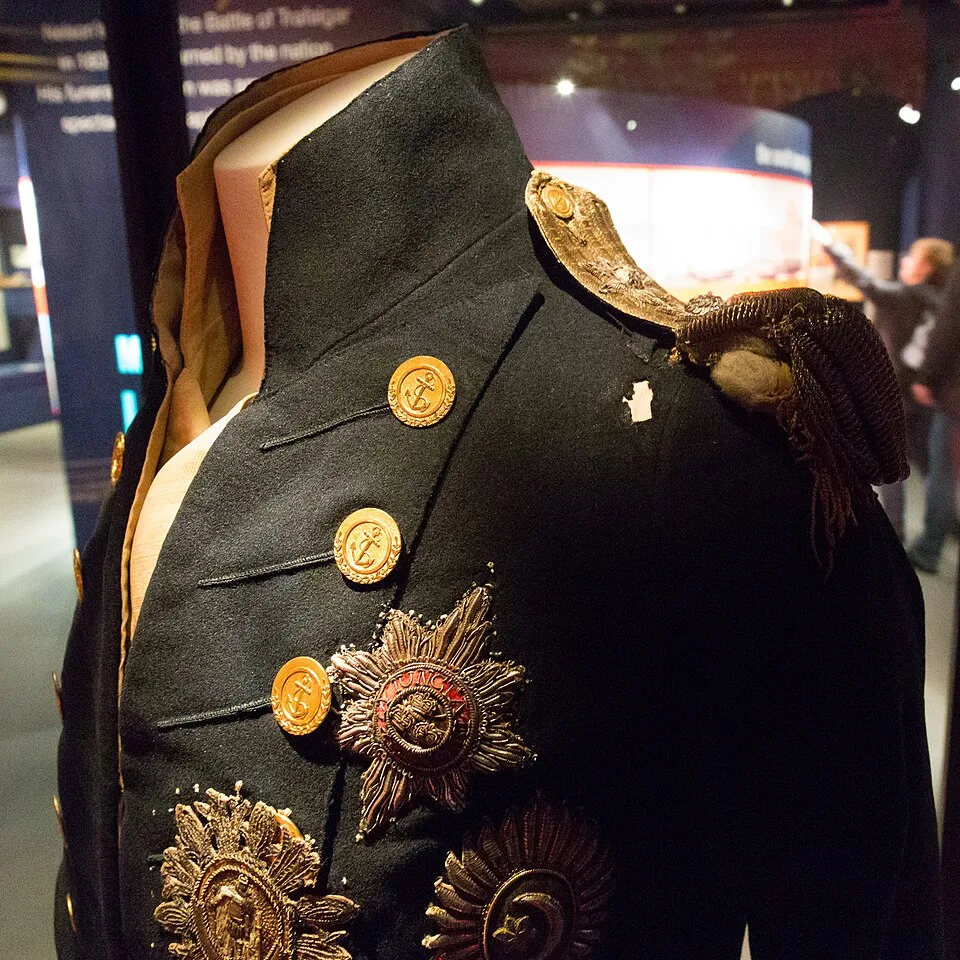
Uniform worn by Nelson at the Battle of Trafalgar (1805), his final engagement, showing the musket ball hole; now displayed at the National Maritime Museum, Greenwich By Morio – Own work, CC BY-SA 3.0,
Virginia Woolf In Greenwich
‘Where shall I spend the day? decided on Greenwich, arrived there at 1; lunched, everything fell out pat; smoked a cigarette on the pier promenade, saw the ships swinging up, one, two, three, out of the haze; adored it all; yes, even the lavatory keepers little dog; saw the grey Wren buildings fronting the river, & then another great ship, grey and orange; with a woman walking on deck; & then to the hospital; first to the museum, where I saw John Franklin’s pen and spoons (a spoon asks a good deal of imagination to consecrate it) – I played with my mind watching what it would do, and behold if I didn’t burst into tears over the coat Nelson wore at Trafalgar with the medal which he hid with his hand when they carried him down, dying, lest the sailors might see it was him.
There was too, his little fuzzy pigtail of golden greyish hair tied in black, & his long white stockings, one much stained, & his white breeches with the gold buckles, & his stock – all of which I suppose they must have undone & taken off as he lay dying. Kiss me Hardy, &c – Anchor, anchor, – I read it all when I came in, & could swear I was there on the Victory – So the charm worked in that case. Then it was raining a little, but I went into the Park, which is all prominence and radiating paths, then back on top of a Bus & so to tea. ‘
Virginia. Woolf, Diary, 1926, quoted from ‘A London Year’ Compiled by Travis Ellborough & Nick Bennison
Greenwich
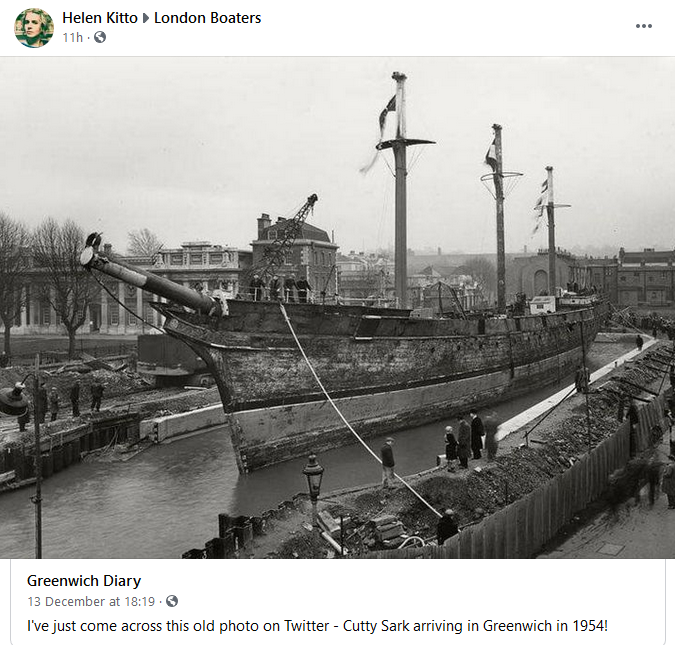
It’s a lovely description of her day out. I think it is like most of our excursions to Greenwich, except she didn’t go to the Market, nor stop in one of the historic pubs, nor go the Royal Observatory. Cutty Sark was not there until 1954. The Museum she mentions is not the National Maritime Museum as that was not opened till 1937, although the idea dates from the year after Woolf’s visit. So, the Museum is a precursor. Nelson’s funeral was preceded by a lying-in-state for three days at the Royal Hospital for Seamen at Greenwich, (which is the Hospital Viriginia Woolf mentions). He was buried in St Pauls on 9 January 1806 , with his body taken by boat from Greenwich to St Pauls. So, there was a local Museum with maritime content in it. I assume associated with the Royal Hospital.
I hate to think what my, unforgiving, on-line grammar editor will make of those long sentences with so many sub-clauses! It is a problem for me as the tool rates the writing on various criteria and refuses to give you a green tick when you have long sentences, not enough headings, paragraphs too short or long, passive writing, etc. etc. And an on-line automated, probably AI assisted tool is not going to let it through just because it is by Virginia Woolf.
Cutty Sark
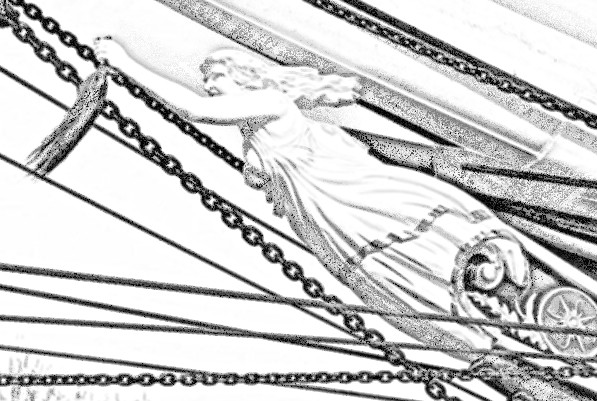
The Cutty Sark was one of the fastest Tea Clipper Ships. It was built in Dumbarton, Scotland in 1869. And is resting as a Tourist Attraction in Greenwich. She gets her name from Tam O’Shanter, one of Robert Burns’ greatest poems. written in 1791. The story of the name is told by the Figurehead.
Figureheads on the prow of ships are very often of a semi naked women with her torso breasting the water. The young witch, Nannie Dee, in Tam O’Shanter is identified as the one who is very ‘Vauntie’ and with a short shift that she wore as a child and so is now short and revealing. The poem names this garment as her ‘Cutty Sark. Sark is her shift. Cutty is dialect for short. The Cutty Sark’s figurehead shows Nannie in her shift holding the tail of Tam’s horse.
Tam O’Shanter
Her cutty sark, o’ Paisley harn, That while a lassie she had worn, In longitude tho’ sorely scanty, It was her best, and she was vauntie.— Ah! little kend thy reverend grannie, That sark she coft for her wee Nannie, Wi’ twa pund Scots, (’twas a’ her riches), Wad ever grac’d a dance of witches!
The story is that the drunken Tam on his steady horse Maggie is travelling home when he seems a devilish dance taking place in a graveyard, presided over by the devil himself. Tam is so excited when he sees the young beautiful witch that he bellows his approval and all of a sudden the merriment ends, and in deadly silence the witches turn on Tam and race to catch him.
Tam tint his reason a’ thegither, And roars out, ‘Weel done, Cutty-sark!’ And in an instant all was dark: And scarcely had he Maggie rallied. When out the hellish legion sallied.
As bees bizz out wi’ angry fyke, When plundering herds assail their byke; As open pussie’s mortal foes, When, pop! she starts before their nose; As eager runs the market-crowd, When ‘Catch the thief!’ resounds aloud; So Maggie runs, the witches follow, Wi’ mony an eldritch skreech and hollow.
Maggie
Tam and his horse have to get across a brook before the witches because the witches cannot cross the water. The witches must get him before the bridge over the brook or face burning at the stake. All depends on Maggie (Meg). The young witch in the Cutty Sark is catching up as they approach the bridge. Maggie makes a magnificent leap, the witch makes a despairing grab and only can reach Maggie’s tail but Tam and his horse make it to safety leaving the witch the tail.
Cutty Sark Figurehead
Ah, Tam! Ah, Tam! thou’ll get thy fairin! In hell they’ll roast thee like a herrin! In vain thy Kate awaits thy comin! Kate soon will be a woefu’ woman! Now, do thy speedy utmost, Meg, And win the key-stane of the brig; There at them thou thy tail may toss, A running stream they dare na cross. But ere the key-stane she could make, The fient a tail she had to shake! For Nannie, far before the rest, Hard upon noble Maggie prest, And flew at Tam wi’ furious ettle; But little wist she Maggie’s mettle— Ae spring brought off her master hale, But left behind her ain gray tail: The carlin claught her by the rump, And left poor Maggie scarce a stump.
Now, follow the link below and read the whole poem but read it out loud, standing up and with gusto. Don’t worry about the pronunciation, just enjoy it.
1802 – Treaty of Amiens brought peace between Revolutionary France and Britain. A Soho factory was lit up with gas lighting to celebrate, But it only lasted a year. Then began the Napoleonic Wars, which continued to 1815.
First Published on March 27th. 2026. Cutty Sark content transferred in from 2022.
Baptist Hicks and his, wife, Elizabeth in their Chapel at St James Church, Chipping Campden (Photo Kevin Flude)
This anniversary commanded my attention because I spend a few weekends each summer in the Cotswolds. There I see the ruins of Campden House in Chipping Campden. This was burnt down in 1645. So, when I read about the burning down of Campden House in the 19th Century, it had to be another one. And it turns out this one is in Kensington, London, Both Campden Houses were built for Sir Baptist Hicks, Viscount Campden.
Baptist Hicks Rise to Aristocracy
Baptist Hicks is an example of the flexibility of the British system of aristocracy. Hicks was a commoner, the son of a wealthy Mercer from Cheapside in the City of London. A mercer traded in prestige clothes imported into England. When Hicks’ Father died, his mother, who is said to have been a moneylender, was resourceful enough to take over their mercery business. She made a success of it and eventually passed it on to her son.
The family shop was on the corner of Cheapside and Soper Lane. Soper Lane is where Queens Street is. Their shop was signposted by the sign of the White Bear. Soper Lane was in the Cordwainers Ward. It was the haunt of soap makers and shoemakers (cordwainers got their name from their use of Spanish Cordovan leather). But Cheapside, itself, was the home of Goldsmiths and generally a wealthy area.
Hicks was educated at Trinity College, Cambridge and at the Inner Temple in London. But despite the education as a lawyer, he chose to continue in the family business. He supplied members of the Aristocracy with silk, velvet, taffeta, and other expensive fabrics. He rose to be Mercer to Queen Elizabeth I in 1598, and supplied James VI of Scotland. Indeed, he provided velvet, damask, and satin for the coronation of James 1st on 25 July, 1603.
As his business grew, he was able to lend large sums of money to the aristocracy and the King. He was duly knighted in 1603. He was still running his shop but was elected as an MP. Now, Hicks needed a country estate to further his transition to the aristocracy. So, in 1608, purchased the manor in Chipping Campden. Here he built a splendid new Mansion.
Baptist Hicks and Campden House, Kensington
At about the same time, he won a game of cards with Sir Walter Cope of the Strand. Cope was engaged in building himself a mansion (Holland House) on top of the Hill in Kensington. Hicks won a few acres of the Estate at cards. And he asked Cope’s architect John Thorpe to design him a house, which Hicks called Campden House after his Cotswold estate. Thus, Kensington became fashionable, and Campden Hill got its name. Campden Hill runs into Notting Hill.
After Baptist Hicks death there were many tenants of the house. One was Princess Anne before she became Queen Anne. Also Lady Burlington and her son, Richard Boyle, who became Britain’s first Palladian Architect.
Hicks was made a Baron in 1620 and Viscount of Campden in 1628. (a viscount is 4th in the ranks of aristocracy, being below an Earl and above a Baron). He died in 1629. He was buried in a very impressive marble monument in St James Church, Chipping Campden shown above.
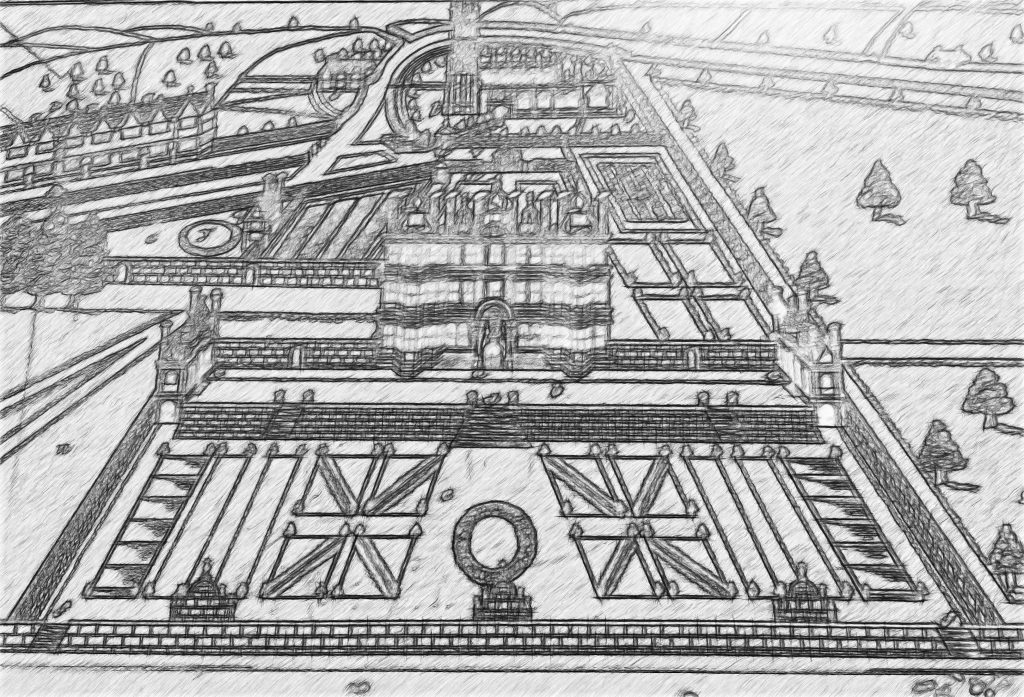
Campden House, Chipping Campden
Sketch from a display of Campden House, Chippping Campden. St James Church at the back, House in the Centre, Banqueting Houses in front of, and other side of the house. (A Banqueting House was originally where you had your pudding.)
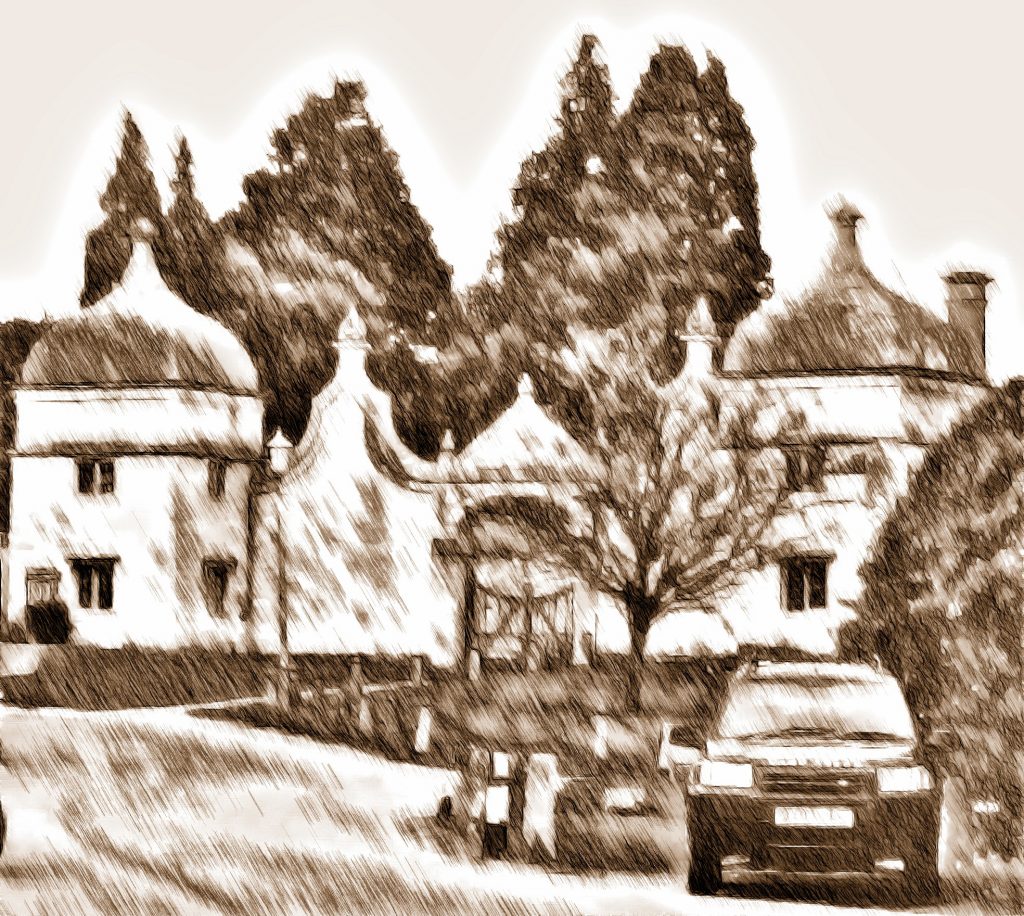
After his death, the house in Chipping Campden was held by the Royalists in the Civil War. But the Parliamentary Army forced the King’s men to retreat towards Oxford. Prince Maurice ordered the house to be burned down. All that survives of the property are two banqueting houses, and the entrance. All show what a fine building it was.
Sketch from photo of the entrance to Campden House, Chipping Camden.
Behind the wall can be seen the fire reddened ruin of the Banqueting House of Campden House, Chipping Campden. Photo of the other Banqueting House to follow in April
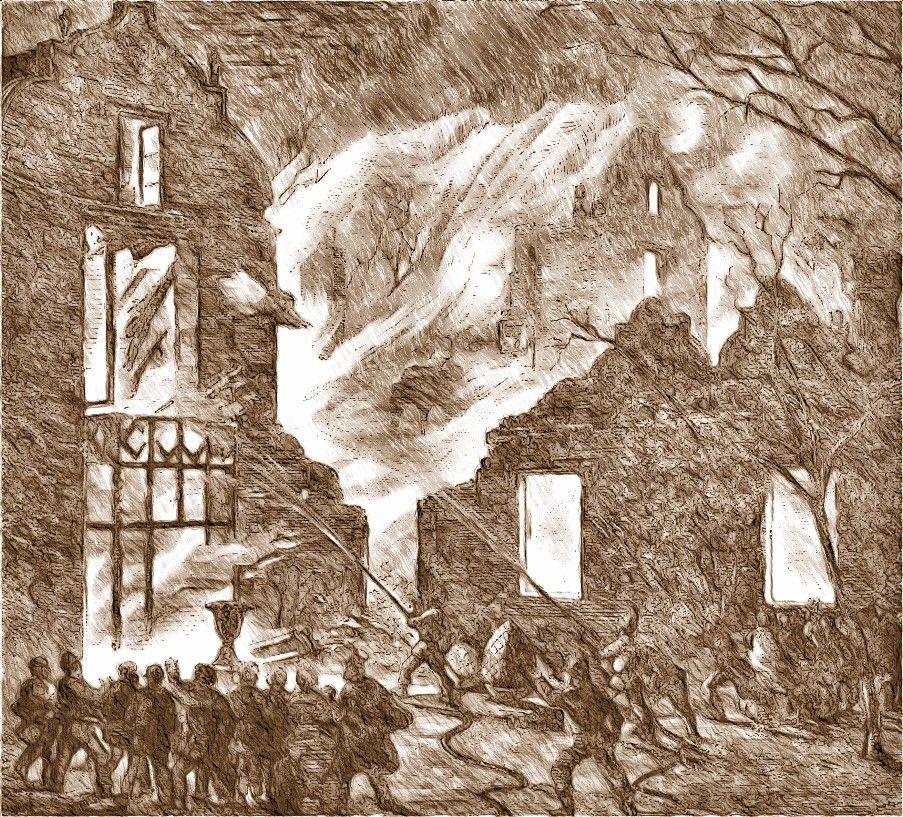
The fire at Campden House on 23rd March, 1862 gutted the building. It is really well described in this post. Briefly, a neighbour saw the fire. A fire engine was summoned. But before it could arrive, a servant appeared at a window. Her son tried to push past her, and she fell out of the window but survived. When the fire engine arrived, it was too late. So the house and its wonderful contents were destroyed. The owner was sued by the Insurance Company for fraud, but they lost the case.
Sketch from contemporary Magazine,showing the servant dropping out of the window. )In reality it was a first floor window.)
The English Year Almanac
I came across the anniversary of the fire in a secondhand book I picked up. It is by my old boss, Sir Roy Strong. The book is called ‘The English Year’. It is co-written by Julia Trevelyan Oman. The contents are ‘A Personal Selection from Chambers’ Book of Days’. Last year I also purchased the Chambers book on Abebooks for £2.10!) Both have been a useful source of information for my Almanac of the Past.
Sir Roy Strong was the Director of the V&A. Sir Roy is a dapper dresser you might almost call him a neo-Georgian. Certainly, a bit of a dandy. I always thought he resembled Charles 1, one of our most ineffectual Kings. I didn’t really have much contact with him, being a lowly Assistant Keeper at the V&A. But at the one Keepers’ Meeting I did attend he seemed rather ineffectual as the chairman of the meeting. But this is mere gossip! And I mention it to show how wrong one can be, in judging people.
Because, when I consider the revival of the V&A under his tenure, my judgement was facile. Sir Roy transformed the V&A. The Museum had been damaged by years of under-investment in the building since WW2. Sir Roy began a campaign to restore the rich and very beautiful old Victorian interior design. The original Victorian Restaurant was transformed. The shop turned into a retail paradise. Generally, the V&A ceased to be dusty and old under his tenure. The wonders of the Victorian Museum shone again with rich and vibrant colours. It reminds me that good leadership is allowing beneficial change to happen. It’s not about the leader being a dynamic leader. It’s about moving an institution positively forward, which Sir Roy certainly did.
1769 – William ‘Strata’ Smith was born. (died 28 August 1839) Smith is known as the Father of English Geology. He was a Canal and Mining Engineer and created ‘the first detailed, nationwide geological map of any country’. (Wikipedia). He worked in a town just down the road from Chipping Camden, and there is a plaque to him in Stow-on-the-Wold which I will write up at some point.
1839 – OK, this is the anniversary of the first appearance in print of the word OK! OK? OK, so, I see you want more of an explanation. The editor of the Boston Morning post had an interest in abbreviations. Charles Gordon Greene in a satirical article about the editorial practices of the rival Providence Journal coined OK as an abbreviation for “oll korrect,” or “all correct”. The rest is history. For more on this story, go to the Smithsonian here. OK?
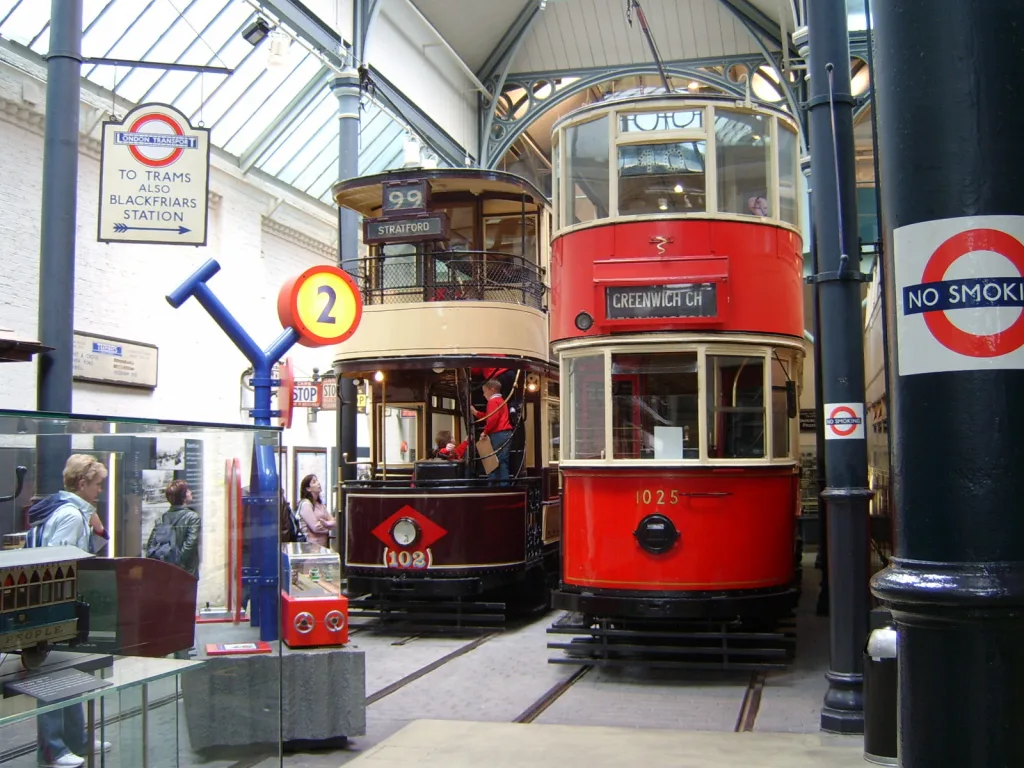
1861 – The first Trams plied London’s Streets.
London Trams, London Transport Museum (Photo KFlude)
1919 – Fascism invented when Mussolini founded the Italian Fascist Party. The repercussions of which led to World War II and the estimated deaths of 65 – 75 million people.
2020 – The UK’s first Covid-19 national lockdown ordered by Boris Johnson.