Greenwich: Crying over Nelson, Virginia Woolf March 27th 1926

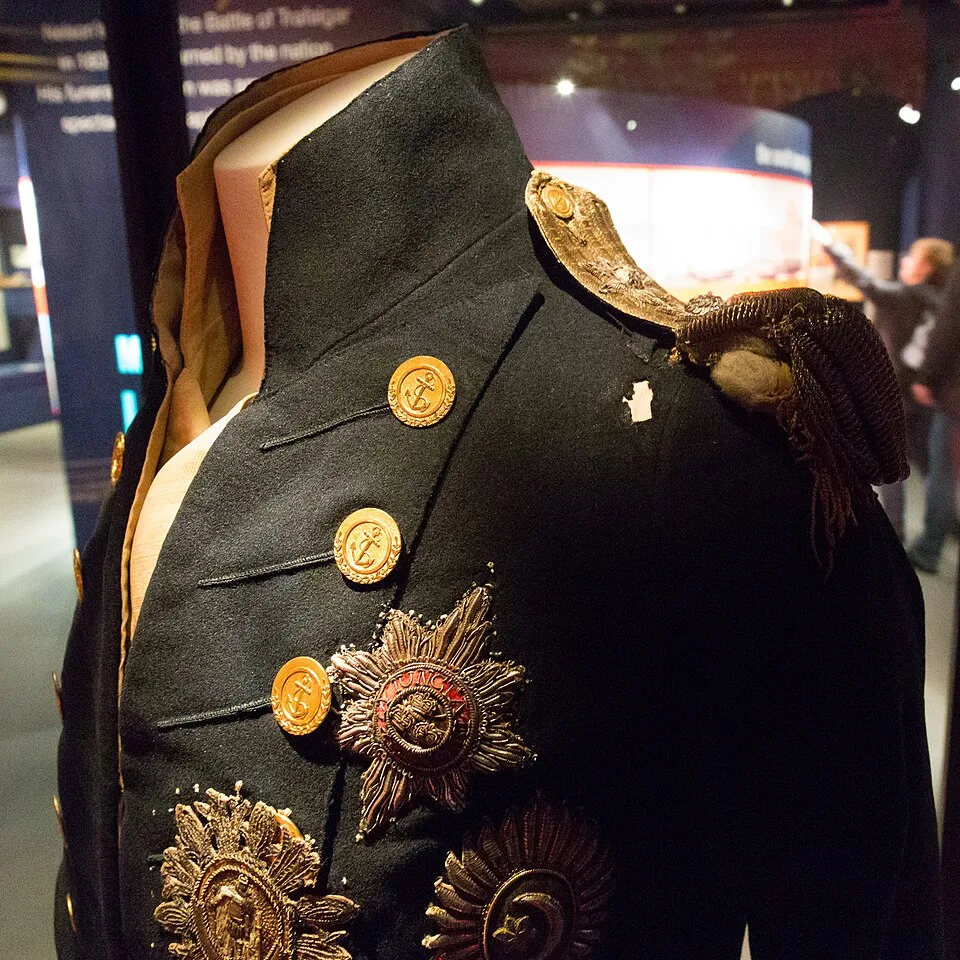
Uniform worn by Nelson at the Battle of Trafalgar (1805), his final engagement, showing the musket ball hole; now displayed at the National Maritime Museum, Greenwich By Morio – Own work, CC BY-SA 3.0,

Virginia Woolf In Greenwich

Where shall I spend the day? decided on Greenwich, arrived there at 1; lunched, everything fell out pat; smoked a cigarette on the pier promenade, saw the ships swinging up, one, two, three, out of the haze; adored it all; yes, even the lavatory keepers little dog; saw the grey Wren buildings fronting the river, & then another great ship, grey and orange; with a woman walking on deck; & then to the hospital; first to the museum, where I saw John Franklin’s pen and spoons (a spoon asks a good deal of imagination to consecrate it) – I played with my mind watching what it would do, and behold if I didn’t burst into tears over the coat Nelson wore at Trafalgar with the medal which he hid with his hand when they carried him down, dying, lest the sailors might see it was him.

There was too, his little fuzzy pigtail of golden greyish hair tied in black, & his long white stockings, one much stained, & his white breeches with the gold buckles, & his stock – all of which I suppose they must have undone & taken off as he lay dying. Kiss me Hardy, &c – Anchor, anchor, – I read it all when I came in, & could swear I was there on the Victory – So the charm worked in that case. Then it was raining a little, but I went into the Park, which is all prominence and radiating paths, then back on top of a Bus & so to tea.

Virginia. Woolf, Diary, 1926, quoted from ‘A London Year’ Compiled by Travis Ellborough & Nick Bennison

Greenwich

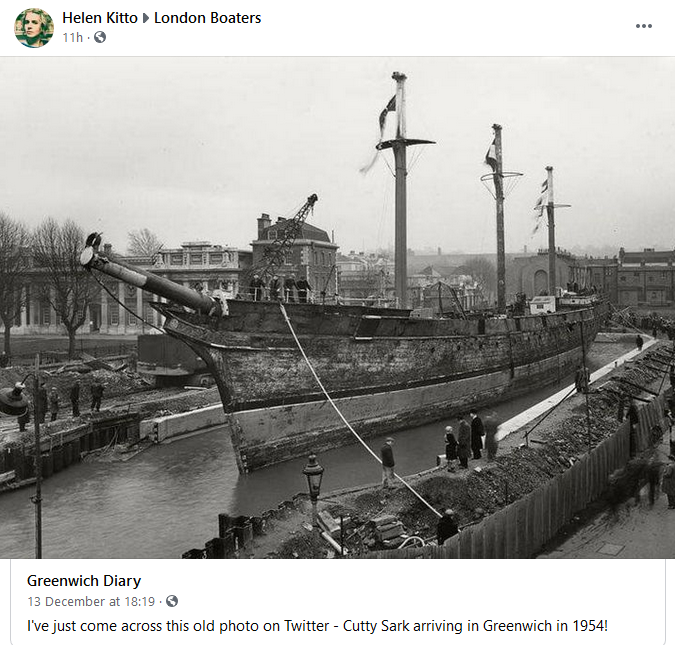
It’s a lovely description of her day out. I think it is like most of our excursions to Greenwich, except she didn’t go to the Market, nor stop in one of the historic pubs, nor go the Royal Observatory. Cutty Sark was not there until 1954. The Museum she mentions is not the National Maritime Museum as that was not opened till 1937, although the idea dates from the year after Woolf’s visit. So, the Museum is a precursor. Nelson’s funeral was preceded by a lying-in-state for three days at the Royal Hospital for Seamen at Greenwich, (which is the Hospital Viriginia Woolf mentions). He was buried in St Pauls on 9 January 1806 , with his body taken by boat from Greenwich to St Pauls. So, there was a local Museum with maritime content in it. I assume associated with the Royal Hospital.

I hate to think what my, unforgiving, on-line grammar editor will make of those long sentences with so many sub-clauses! It is a problem for me as the tool rates the writing on various criteria and refuses to give you a green tick when you have long sentences, not enough headings, paragraphs too short or long, passive writing, etc. etc. And an on-line automated, probably AI assisted tool is not going to let it through just because it is by Virginia Woolf.

Cutty Sark

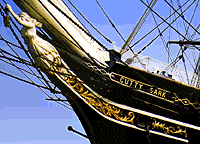
The Cutty Sark was one of the fastest Tea Clipper Ships. It was built in Dumbarton, Scotland in 1869. And is resting as a Tourist Attraction in Greenwich. She gets her name from Tam O’Shanter, one of Robert Burns’ greatest poems. written in 1791. The story of the name is told by the Figurehead.

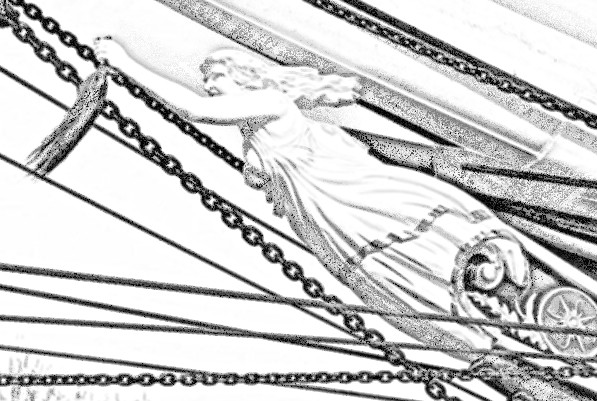
Figureheads on the prow of ships are very often  of a semi naked women with her torso breasting the water.  The young witch, Nannie Dee, in Tam O’Shanter is identified as the one who is very ‘Vauntie’ and with a short shift that she wore as a child and so is now short and revealing. The poem names this garment as her ‘Cutty Sark. Sark is her shift. Cutty is dialect for short. The Cutty Sark’s figurehead shows Nannie in her shift holding the tail of Tam’s horse.

Tam O’Shanter

Her cutty sark, o’ Paisley harn,
That while a lassie she had worn,
In longitude tho’ sorely scanty,
It was her best, and she was vauntie.—
Ah! little kend thy reverend grannie,
That sark she coft for her wee Nannie,
Wi’ twa pund Scots, (’twas a’ her riches),
Wad ever grac’d a dance of witches!

The story is that the drunken Tam on his steady horse Maggie is travelling home when he seems a devilish dance taking place in a graveyard, presided over by the devil himself. Tam is so excited when he sees the young beautiful witch that he bellows his approval and all of a sudden the merriment ends, and in deadly silence the witches turn on Tam and race to catch him.

Tam tint his reason a’ thegither,
And roars out, ‘Weel done, Cutty-sark!’
And in an instant all was dark:
And scarcely had he Maggie rallied.
When out the hellish legion sallied.

As bees bizz out wi’ angry fyke,
When plundering herds assail their byke;
As open pussie’s mortal foes,
When, pop! she starts before their nose;
As eager runs the market-crowd,
When ‘Catch the thief!’ resounds aloud;
So Maggie runs, the witches follow,
Wi’ mony an eldritch skreech and hollow.

Maggie

Tam and his horse have to get across a brook before the witches because the witches cannot cross the water. The witches must get him before the bridge over the brook or face burning at the stake. All depends on Maggie (Meg). The young witch in the Cutty Sark is catching up as they approach the bridge. Maggie makes a magnificent leap, the witch makes a despairing grab and only can reach Maggie’s tail but Tam and his horse make it to safety leaving the witch the tail.

Cutty Sark Figurehead

Ah, Tam! Ah, Tam! thou’ll get thy fairin!
In hell they’ll roast thee like a herrin!
In vain thy Kate awaits thy comin!
Kate soon will be a woefu’ woman!
Now, do thy speedy utmost, Meg,
And win the key-stane of the brig;
There at them thou thy tail may toss,
A running stream they dare na cross.
But ere the key-stane she could make,
The fient a tail she had to shake!
For Nannie, far before the rest,
Hard upon noble Maggie prest,
And flew at Tam wi’ furious ettle;
But little wist she Maggie’s mettle—
Ae spring brought off her master hale,
But left behind her ain gray tail:
The carlin claught her by the rump,
And left poor Maggie scarce a stump.

Now, follow the link below and read the whole poem but read it out loud, standing up and with gusto. Don’t worry about the pronunciation, just enjoy it.

On This Day

1802 – Treaty of Amiens brought peace between Revolutionary France and Britain. A Soho factory was lit up with gas lighting to celebrate, But it only lasted a year. Then began the Napoleonic Wars, which continued to 1815.

First Published on March 27th. 2026. Cutty Sark content transferred in from 2022.

Murder of St Alphage April 19th 1012

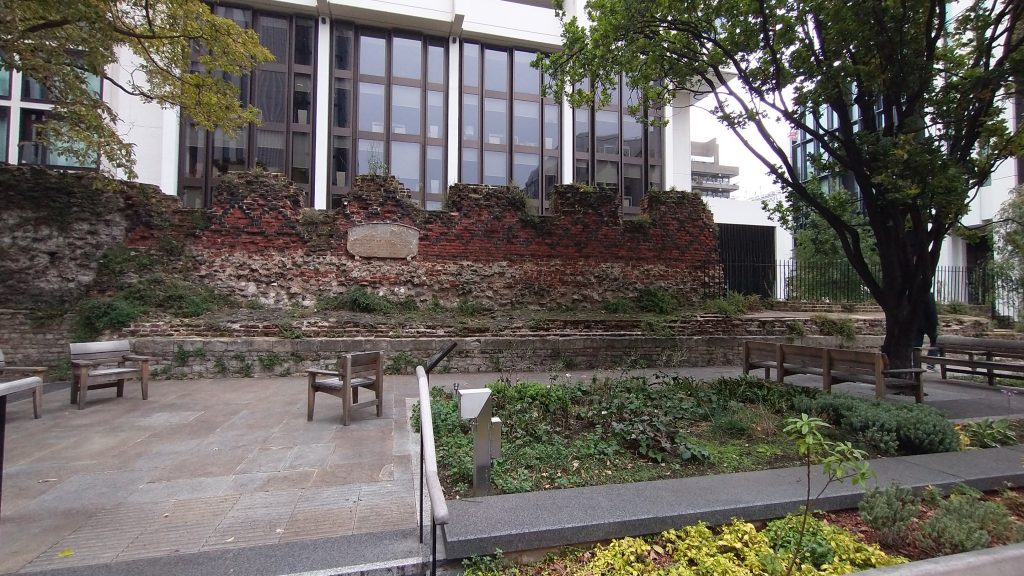
St Alphage. Church Tower on right, City Wall to left. Photo K Flude

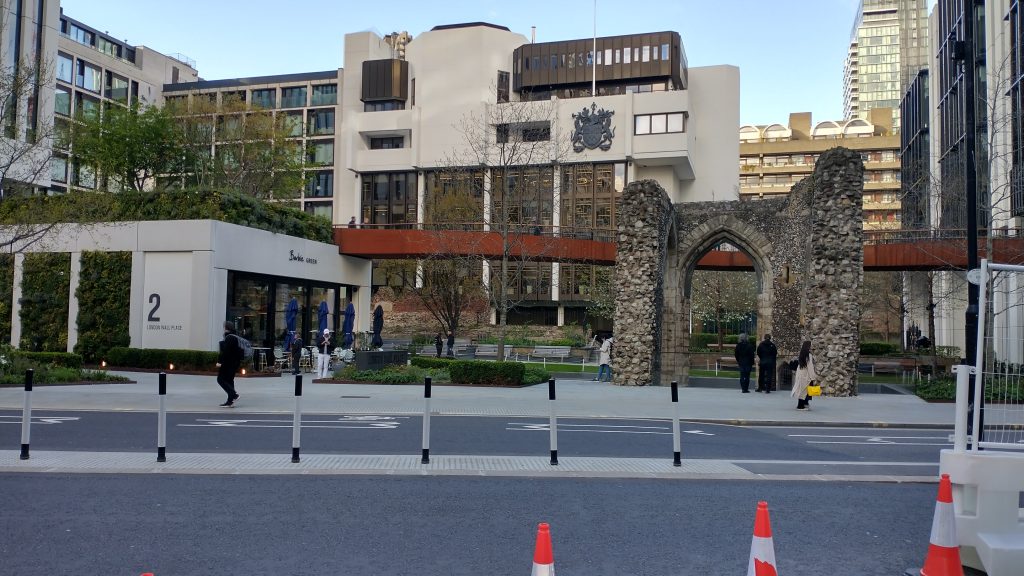
I first came across St Alphage when I was working at the Museum of London. The Museum was built on the High Walk at London Wall. The raised Courbusian Walkway looked down on a ruin of a Gothic Church Tower, almost destroyed during the Blitz. This was St Alphage, a Church dedicated to the Saxon Archbishop of Canterbury. (Alphage is also spelt Alphege or Alfege).

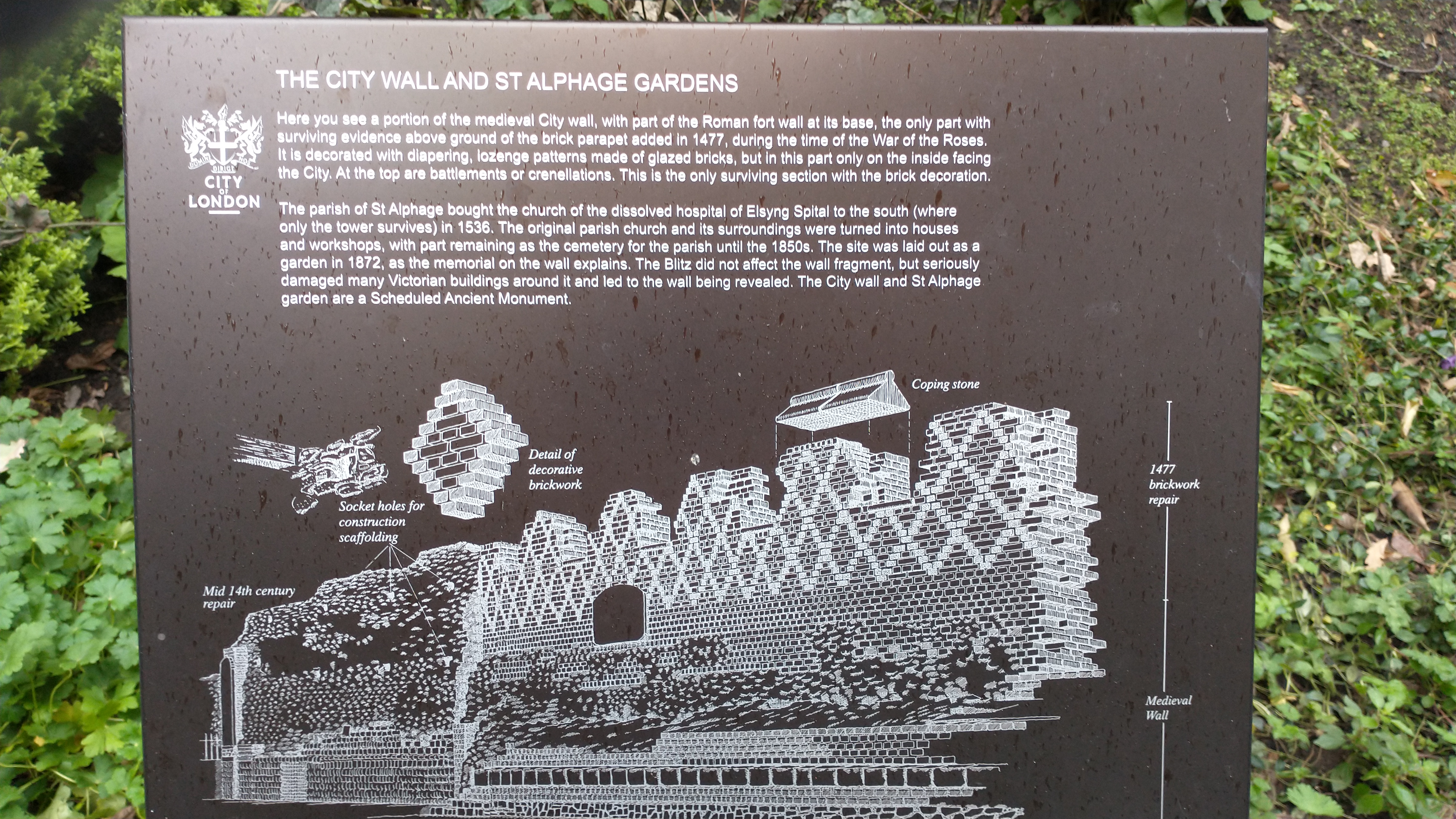
On the other side of the Walkway was the old graveyard of the Church. This preserved one of the very best sections of the old London Wall. Special because on one side its huge height was displayed. On the other, the only crenelated bit of the City Wall. And the only surviving part of the Wall dating to the War of the Roses.
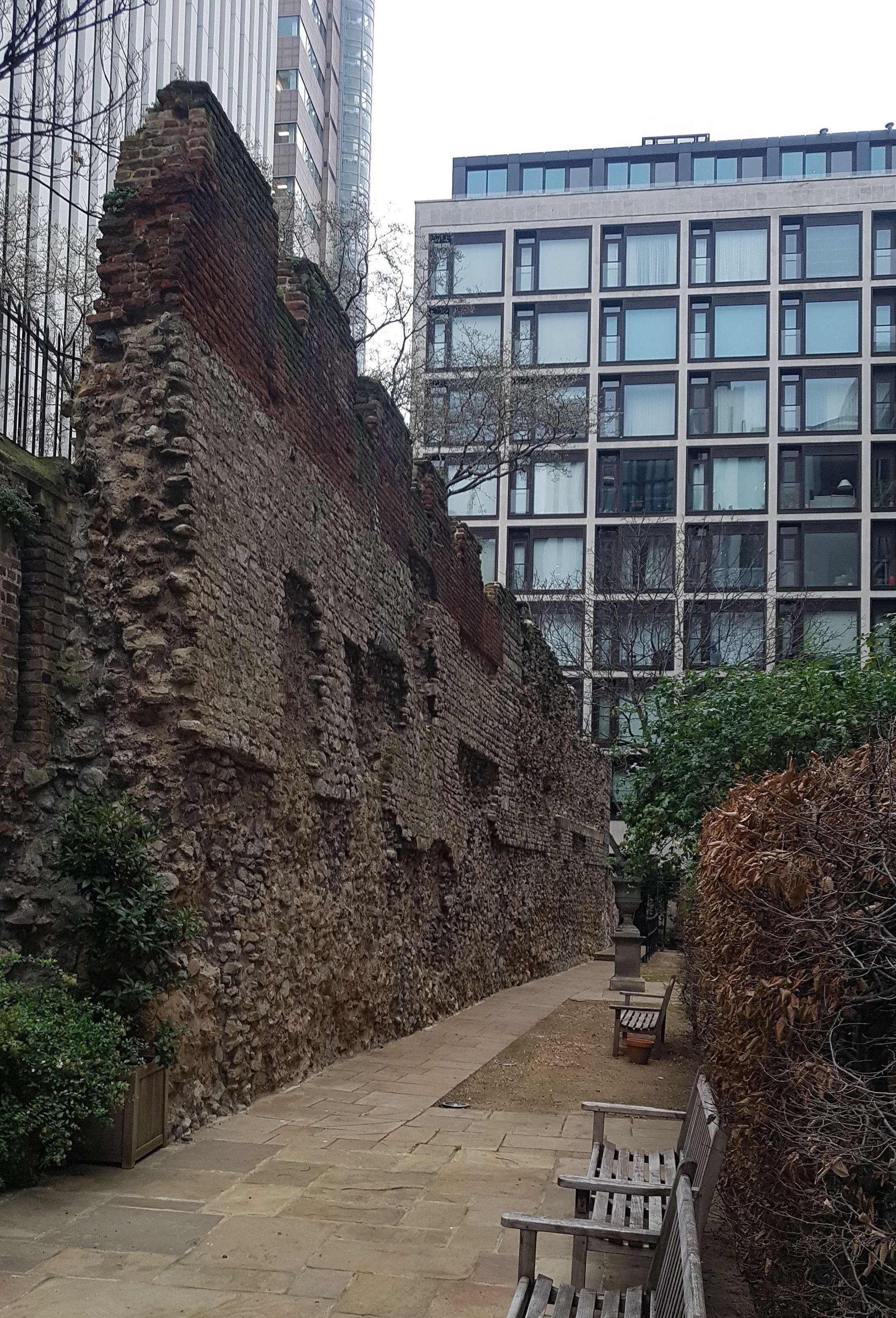
St Alphage Wall explained in an information plaque.
St Alphage Wall explained on an information plaque.

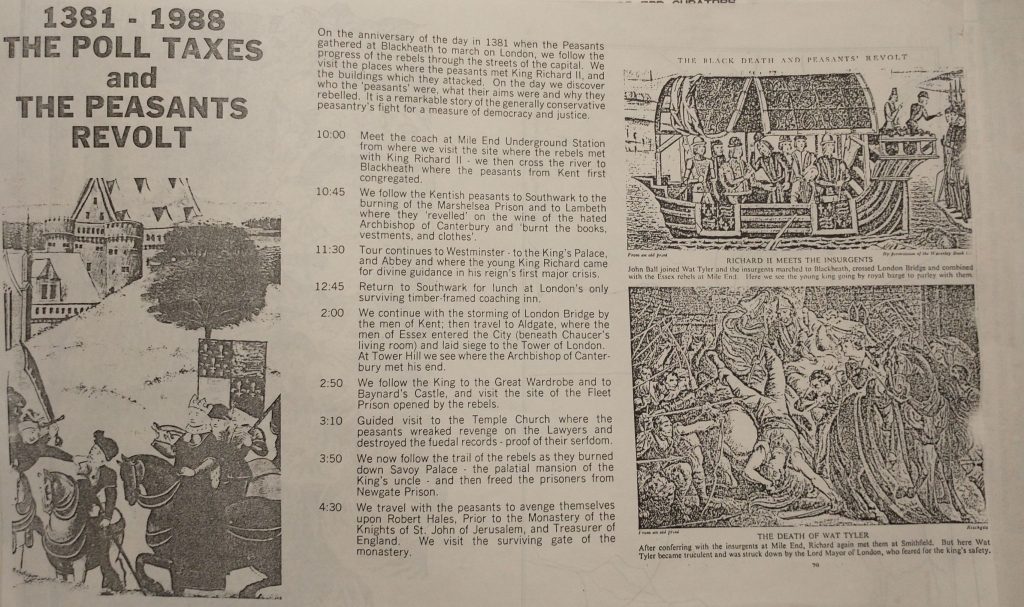
In the 1980’s fellow Museum of London Archaeologist, Paul Herbert and I set up a Guided Walks company (Citisights of London) . Our walks started from outside the Museum of London, and so St Alphage formed a big part of our success. It led to a life giving Guided Walks and tours. So, St Alphage, thank you!

A Citisights Day Tour of the 1980s

St Alphage Elsyng Spittle St Mary ?

The Church was previously a monastic settlement called Elsyng Spittle (aka St Mary within Cripplegate). The Augustinian Canons looked after 100 blind men. It was refounded by Williain Elsing, and dissolved by Henry VIII in 1536. The Church was kept for a Parish Church. But the Puritans were not keen on dedications to St Mary. So, they renamed it after a London based Christian Martyr.

It remained a Parish Church until damaged in an air raid in World War One. (possibly on 8th September 1916 in a Zeppelin Raid – but I am speculating). The Church was partly demolished in 1923, leaving the Tower. The lower part of the Medieval Tower survived bombing in the Blitz. At 12.15 am on 25th Aug 1940, the first bombs on the City of London fell nearby in Fore Street. But the tower was hit in 1940. It was listed Grade 1 in 1950. Kept by the rebuilding of London Wall, and the Barbican area. Then substantially benefitting from a remodelling of the area in an excellent scheme of 2022.

St Ælfheah of Canterbury and Greenwich
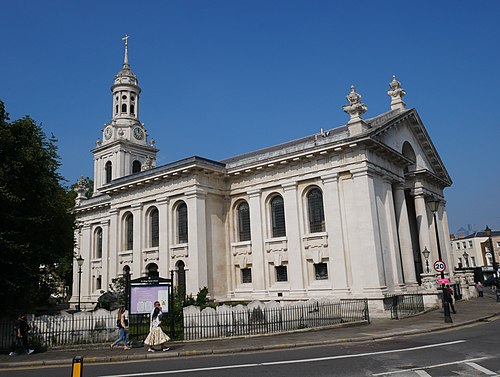
StAlfege Greewich - Doyle own work Wikipedia CC BY-SA 4.0
StAlfege Greewich – Doyle own work Wikipedia CC BY-SA 4.0

St Ælfheah was captured during a Viking attack on Canterbury. The Viking hoard relocated to Greenwich where they tried to negotiate a fat ransom for him. He was one of the richest men in the Kingdom. This is what the Anglo Saxon Chronicle says:

.. the raiding-army became much stirred up against the bishop, because he did not want to offer them any money, and forbade that anything might be granted in return for him. Also they were very drunk, because there was wine brought from the south. Then they seized the bishop, led him to their “hustings” on the Saturday in the octave of Easter, and then pelted him there with bones and the heads of cattle; and one of them struck him on the head with the butt of an axe, so that with the blow he sank down and his holy blood fell on the earth, and sent forth his holy soul to God’s kingdom.

St Alfege Greenwich, which is now a lovely Hawksmoor Church is said to be on the site of St Ælfheah‘s death.

St Alphage’s body was taken to St Pauls Cathedral where it was venerated. His remains were removed in suspicious circumstances by soldiers of King Cnut who translated the Saint’s bones to Greenwich. It is suggested King Cnut was punishing London for their opposition to him.

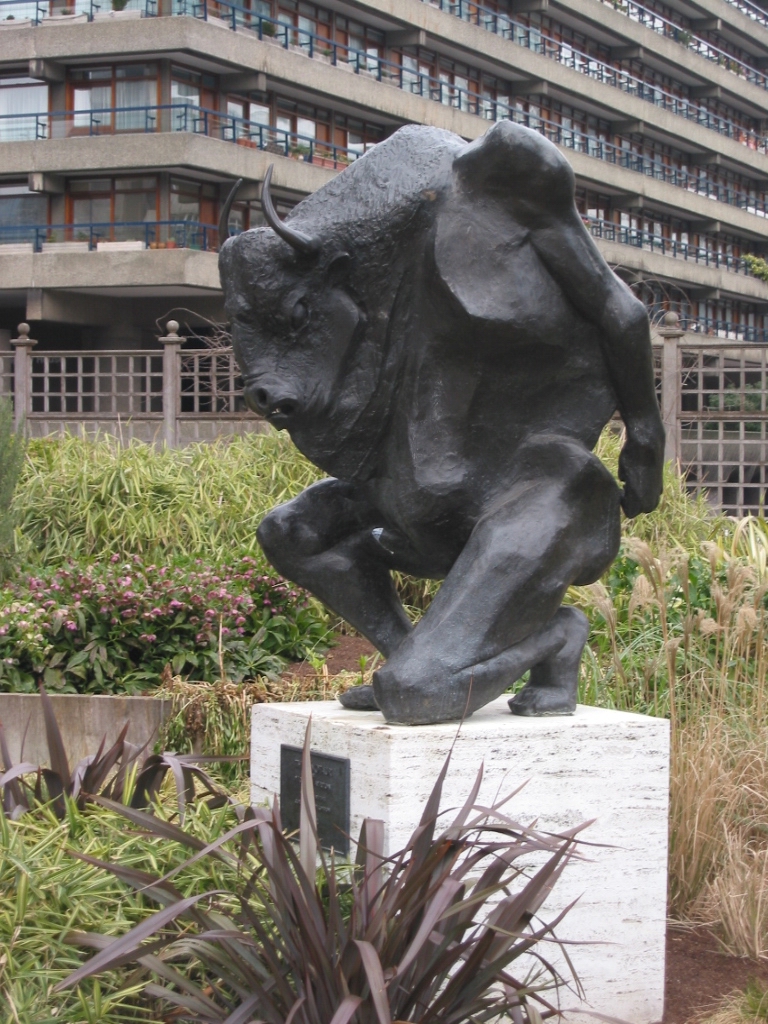
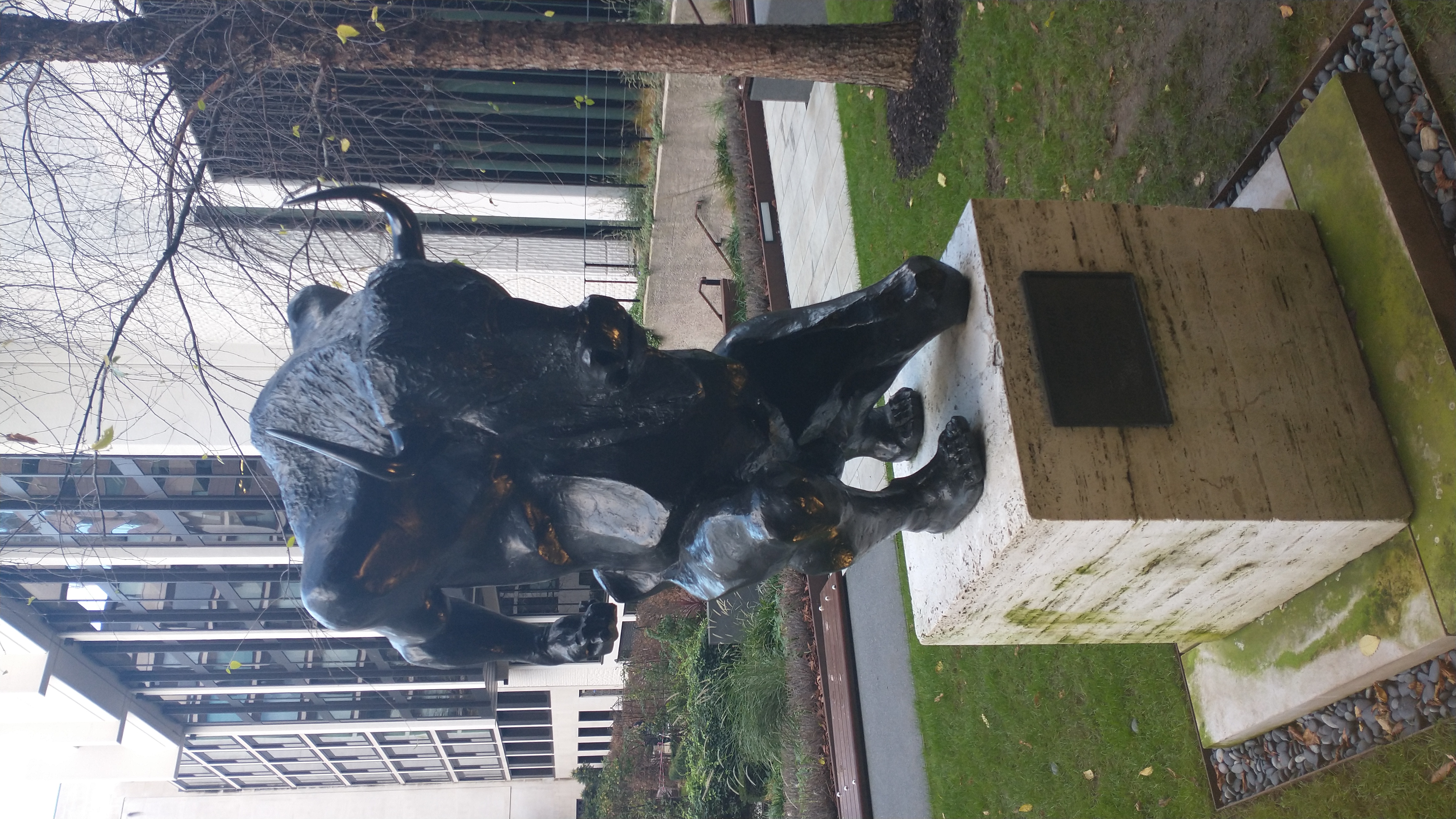
The Minotaur by Michael Ayrton

Also, part of the experience of visiting St Alphage from the High Walk was the statue of the Minotaur. I first came across this phallic Bull in the Postman’s Park and am very fond of it. Then it disappeared and reappeared on the High Walk. Now it is on the ground level near in the garden of St Alphage.

I understand that Michael Ayrton wanted to make a point about the destruction of London. He felt that the developers were more destructive than the Luftwaffe. They were like a Bull in a China Shop! So he created this statue of a very vigorous Bull representing the Minotaur. It is a very unusual work of art in that it sports a fully erect penis. Art History is full of naked women, but the male organ is largely left to pornography. For more about Ayrton follow this link.
First Written on April 19th 2025

Why do you think Cutty Sark has been popular as a name for whiskey and sailing ships?

Is the question that Terry Cook asked me, and this is my answer.

Image of the Cutty Sark (from Facebook)

So the Cutty Sark is twice famous. Firstly as one of the first Tea Clippers and secondly, on account of the Witch nicknamed Cutty Sark (short skirt) in Tam O’Shanter, one of Robert Burns’ greatest poems. written in 1791. And everyone knows of Robert Burns, Scotland’s national poet. Burns night has become world famous for anyone interested in Scotland.

The rest of this content has been reposted to March 27th

First Published 2022, moved March 27th 2026