Kalendar of Shepherds
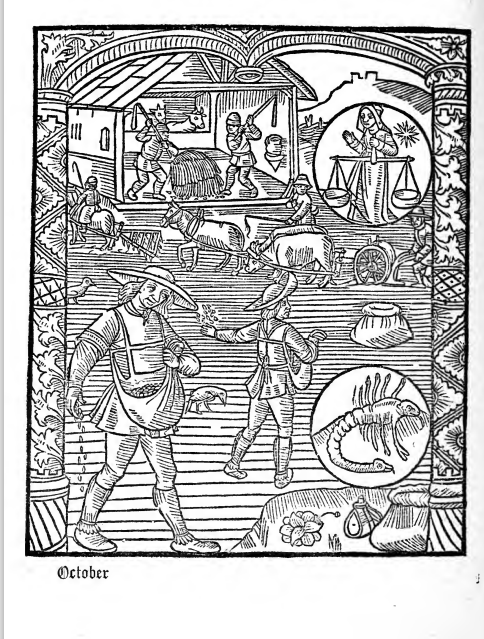
The 15th Century French illustration in the Kalendar of Shepherds shows October as a busy month. It is the time when the cereals are being flailed, the fields ploughed and sown. Perhaps winter wheat or barley or peas and beans?
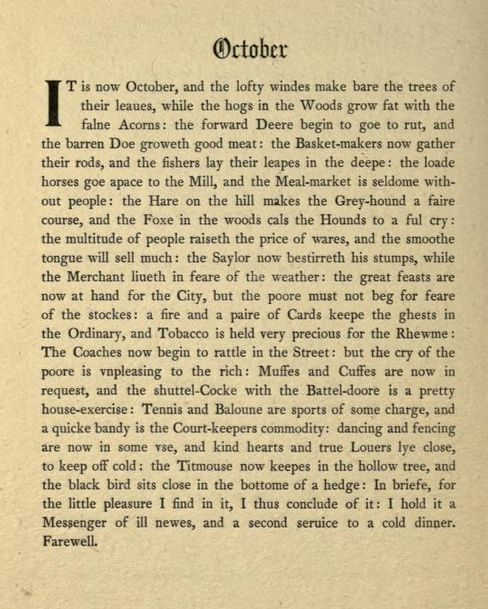
The 16th Century English text of the Kalendar of Shepherds (read the illustration) shows what a busy month it was, but the writer comes down hard against the month as ‘a messenger of ill news’ the harbinger of cold dark nights.
About the Kalendar of Shepherds.
The Kalendar was printed in 1493 in Paris and provided ‘Devices for the 12 Months.’ I’m using a modern (1908) reconstruction of it using wood cuts from the original 15th Century version. It includes various text from 16th and 17th Century sources. (Couplets by Tusser ‘Five Hundred Parts of Good Husbandrie 1599. Text descriptions of the month from Nicholas Breton’s ‘Fantasticks of 1626. This provides an interesting view of what was going on in the countryside every month.
https://wellcomecollection.org/works/f4824s6t To see the full Kalendar, go here:
Astrological October
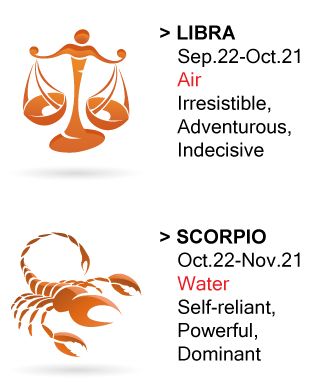
The star signs of October are the Scales of Libra and the Scorpion of Scorpio.
Angelic October
Michael is the Angel of Autumn, the Angel of Judgement Day, and the Weigher of Souls. Uriel is the Angel of Libra and was sent by God sent to warn Noah. So the protector against, floods, fire and natural disasters. Scorpio’s Angel is Barbiel, he looks over health, genitalia and doubtful things. (‘An Angel Treasury’, Jacky Newcomb).
You might like to look at my post on Michaelmas here.
Roman October
In the Roman world it was, originally, the 8th Month (octo=8) but then they added January and February to the year. So it became the 10th Month. It was their time to celebrate the new wines of the Harvest. In Britain, the wine harvest is late September to October, but in hotter climes can be from July. But the grapes need to be processed, and the Romans thought that new wine was health giving and celebrated it in October.
Rustic October
But for many people, October is a beautiful month. The dying leaves bring a sophisticated array of rustic colours, which makes the wooded countryside exceptionally beautiful.
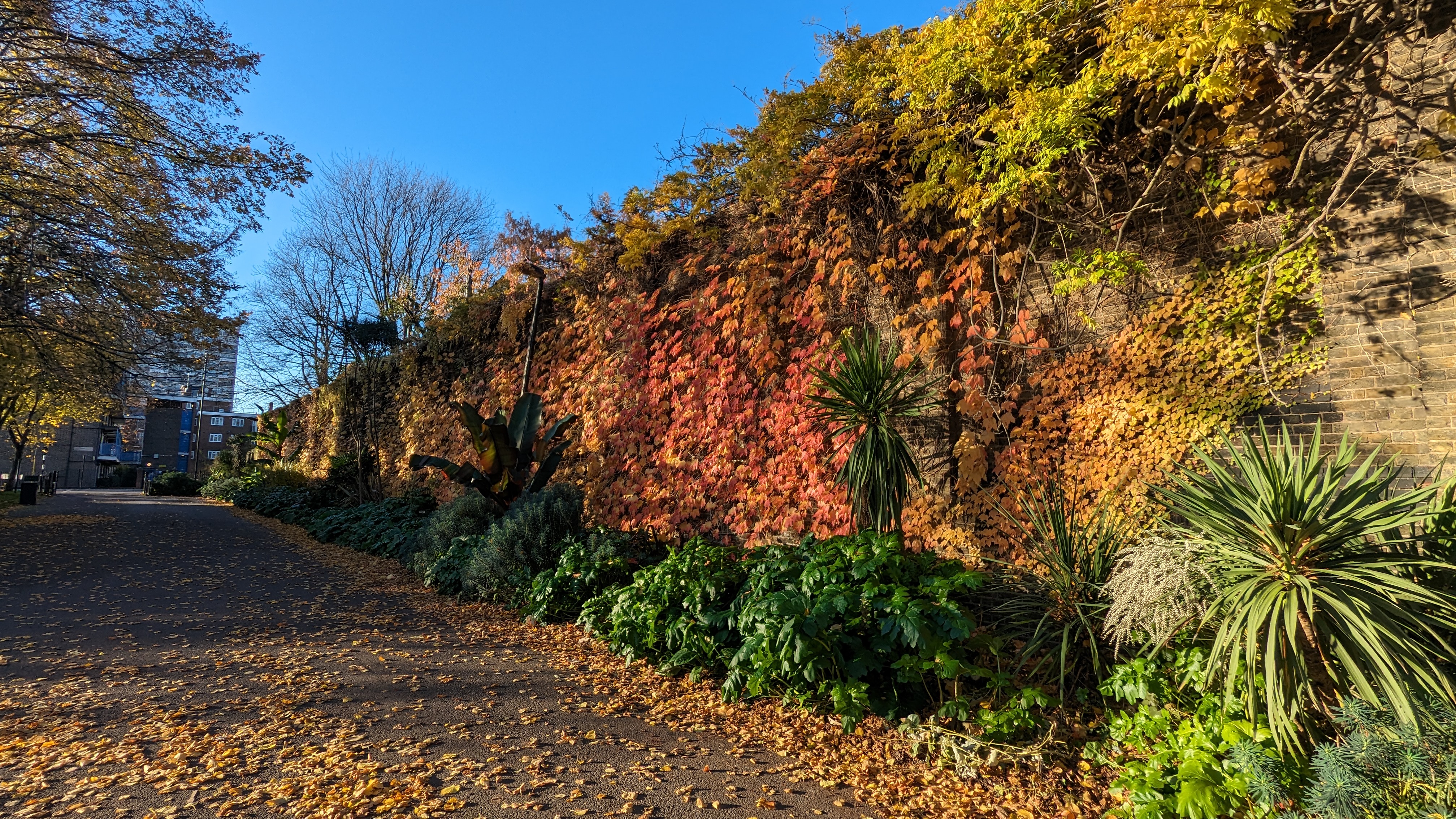
It can still be warm enough to go for pleasant walks. And the surfeit of the harvest and the culling of animals meant there was plenty to eat before winter austerity begins.
Anglo-Saxon Winter Fall
The Venerable Bede tells us that the month was called Winterfylleth, in the 8th Century. The English divided the year into Summer and Winter. And Winter began for the Anglo-Saxons on the first full moon of October. This means that this year winter begins on 7th October. This is the Harvest or Hunter’s Moon, which is also a supermoon, the first of 3 ending the year.
Celtic October
In Welsh, it is Hydref, which also means Autumn. For the Welsh it was the last month of Autumn and the last month of the year. The Celtic new year, and winter starts on 1st November. The same is true of the Irish Calendar. Autumn is called Fómhair, and October Deireadh Fómhair which means ‘End of Autumn’.
Astronomical & Meteorological Autumn
Astronomically, autumn ends at the Winter Solstice and meteorologically at the end of November. So the Celtic Autumn ends a whole month or more earlier than the other measures. My very personal view is that Winter begins on November 5th more often than not. This is an evening we often spend outside watching the fireworks displays to celebrate Guy Fawkes’ Night. It always seems to be the first time that you feel cold enough to need hat, gloves, and scarves.
First Published in Autumn 2024, revised 2025