Thoreau moves to Walden Pond July 4th 1845

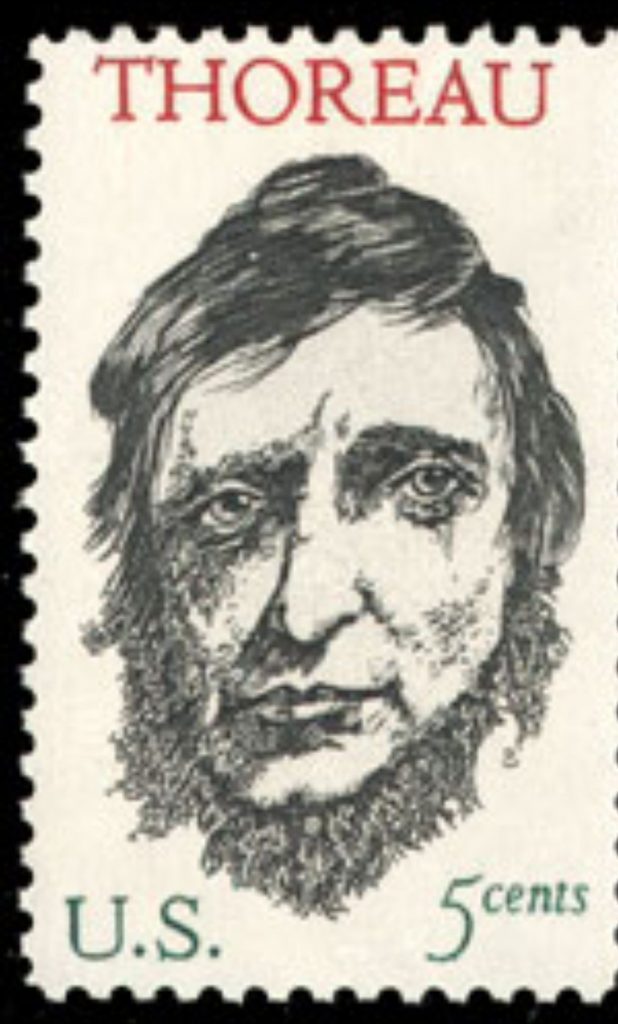
1967 postage stamp of Thoreau

Today, is Independence Day. The day that a great democracy came into being and established a rational system of Government, designed to stop autocracy. One of the great thinkers of the US was Henry David Thoreau. He moved into his hut on Waldon Pond on 4th July 1845. He wanted to experience life to the full. He thought he could best do that by living a simple life in the wild. 

Some think he was autistic, but his journals and publications show he lived a rich life.  His work links observations of nature with philosophic meditations and folk lore. His interest in ecology and avoidance of waste are forerunners of modern environmentalism. 

‘Walden’ his book about life in his hut near Concord, Massachusetts is his best known work. 

I began to occupy my house on the 4th of July, as soon as it was
boarded and roofed, for the boards were carefully feather-edged and
lapped, so that it was perfectly impervious to rain; but before
boarding I laid the foundation of a chimney at one end, bringing two
cartloads of stones up the hill from the pond in my arms. I built the
chimney after my hoeing in the fall, before a fire became necessary for warmth, doing my cooking in the mean while out of doors on the ground, early in the morning: which mode I still think is in some respects more convenient and agreeable than the usual one. When it stormed before my bread was baked, I fixed a few boards over the fire, and sat under them to watch my loaf, and passed some pleasant hours in that way. In those days, when my hands were much employed, I read but little, but the least scraps of paper which lay on the ground, my holder, or tablecloth, afforded me as much entertainment, in fact answered the same purpose as the Iliad.

Thoreau and Civil Disobedience.

From Project Gutenberg. Thoreau was also a principled opponent of unjust laws. He inspired Gandhi, amongst others, in the principles of Civil Disobedience.  He was imprisoned for refusing to pay tax to the American state in protest at the African-American War and Slavery.  He supported John Brown. 
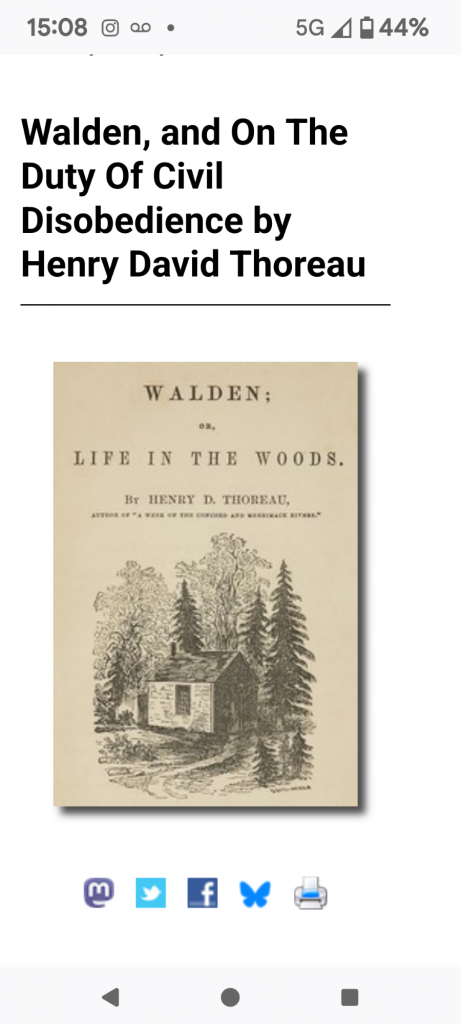
Project Gutenberg page of Thoreau’s ebook.

John Brown’s Body lies a mouldering in his grave.

Brown believed that slavery would only be ended by fighting to liberate the slaves.  He was involved in the State Civil War in Kansas. Subsequently, he then launched a raid on Harper’s Ford, which caused several deaths.  Brown was found guilty of Treason against the Commonwealth of Virginia and executed. He was the first American to be found guilty of Treason. But Thoreau supported him, while other Abolitionists took a more pacifist position.

All in all, he is therefore an inspiring character. His life can inform that still tricky debate about challenging injustice in the modern world. Attitudes to ‘Just Stop Oil’ and the war in Gaza are causes where the same issues are still open to debate.

First published July 2025
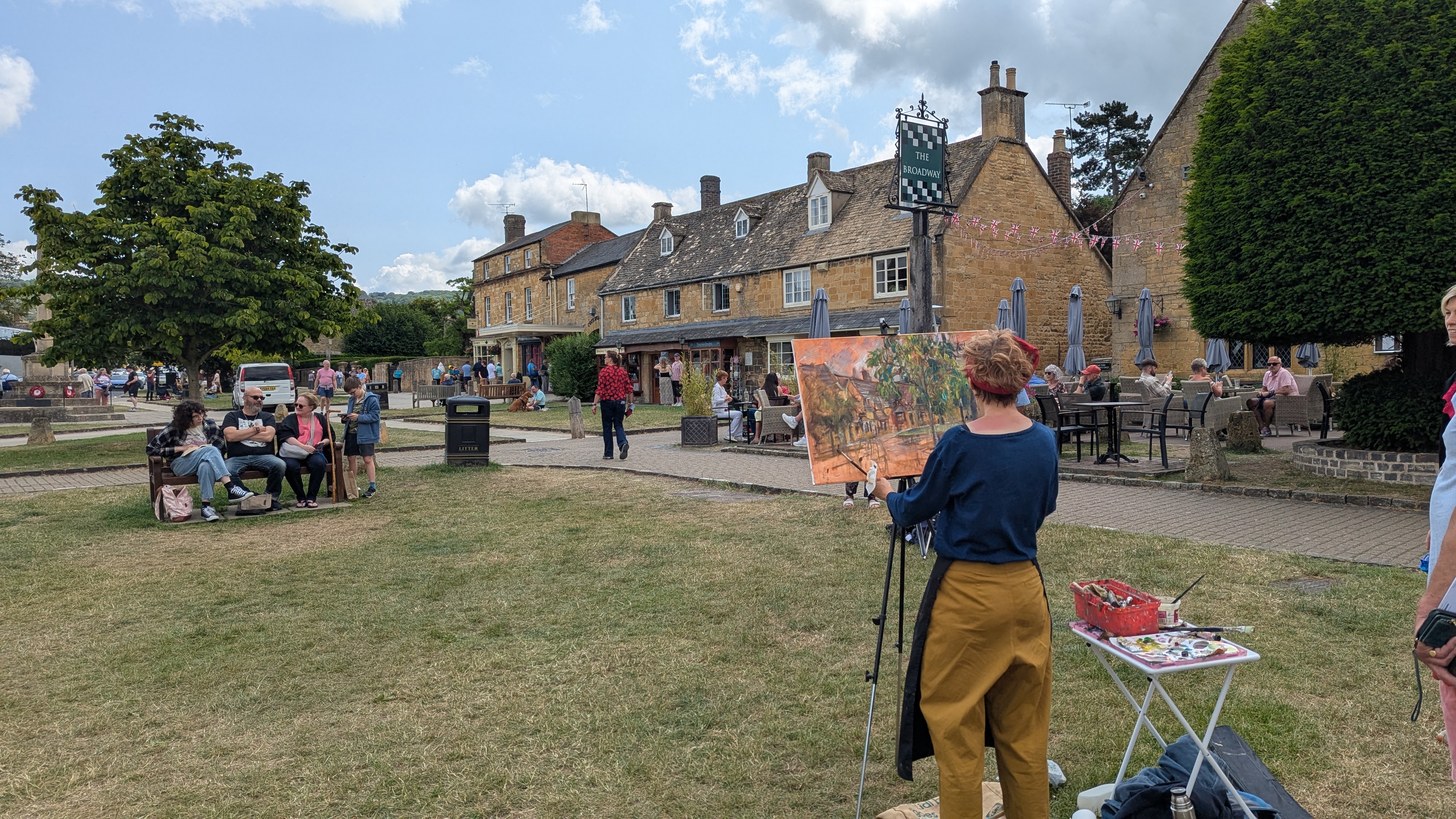
The Great Broadway Paint off

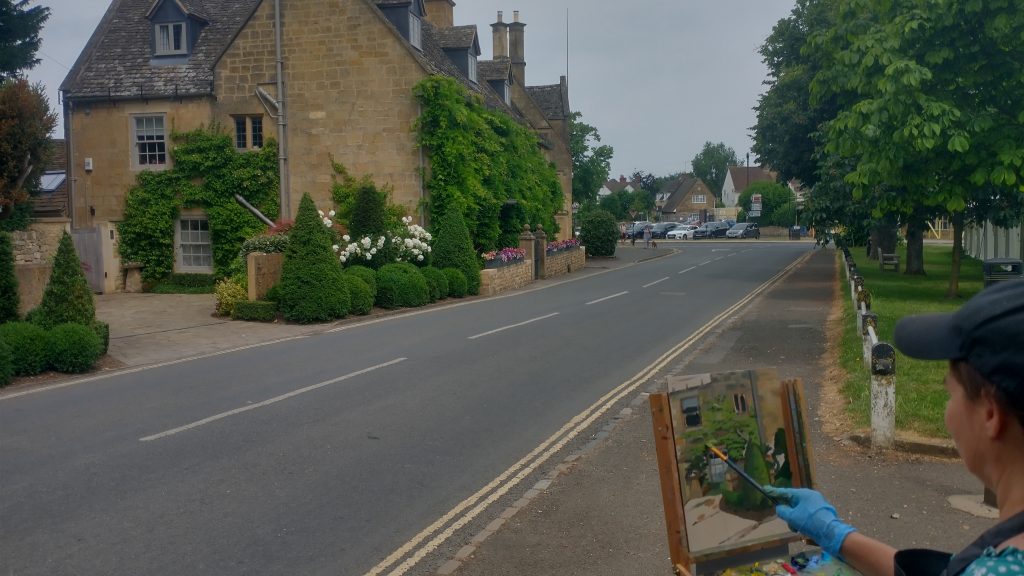
The Great Broadway Paint Off. Photo K Flude 2025

One of the joys of my Summer is revisiting places I know and love in my role as a Course Director for Road Scholar. I first came across the ‘en plein air’ in 2023. On Sunday, June 18th. I was in Broadway, once considered the most beautiful village in Britain. It was also the model for Riseholme in the wonderful Lucia books by E. F. Benson (made into a TV series by the BBC starring Prunella Scales, Geraldine McEwan and Nigel Hawthorne).

The day I visited, in 2025, was last Sunday, June 15th. I have added new photos and revised the texts.

How it Works

The artists register in the morning and have their paper or canvas stamped, or given a block of Maltese stone. This proves that they have done all the work on the day itself.

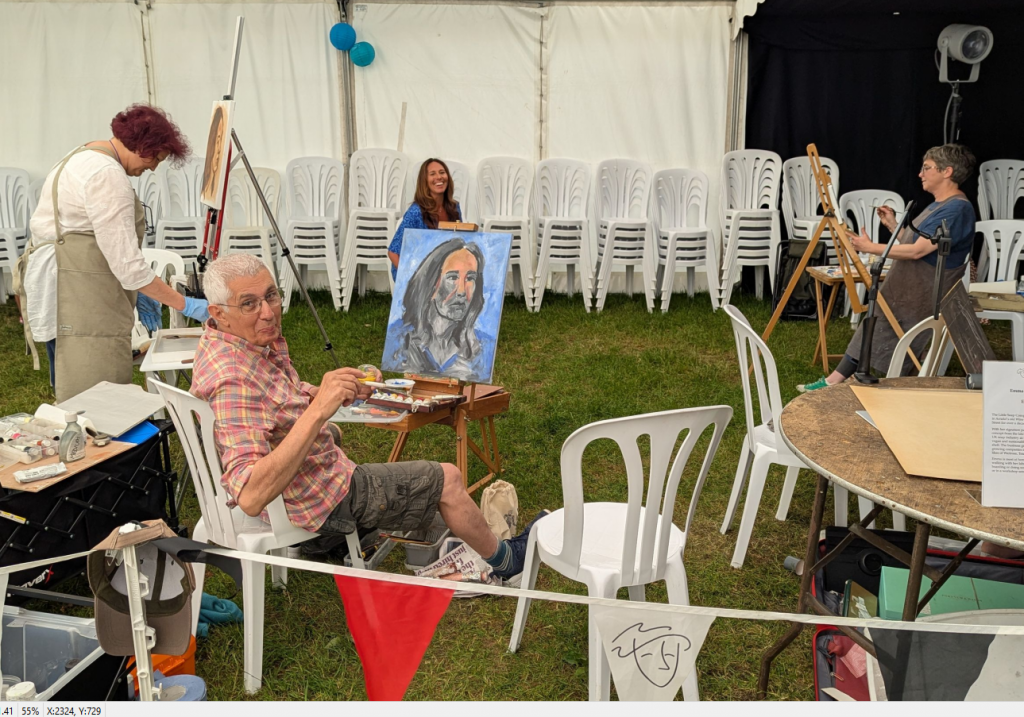
This year there were no sculptors.  Instead, there were live models in the marquee being painted by portrait painters. 

Broadway Paint off, Local Portraits. 2025 Photo K Flude

They take their blank canvases to create a work of art in the village. At 4pm or so, they are judged. At 5pm, the art works are exhibited and are on sale in the Marquee on the village green.

Broadway Arts Festival 2025, Photo K Flude

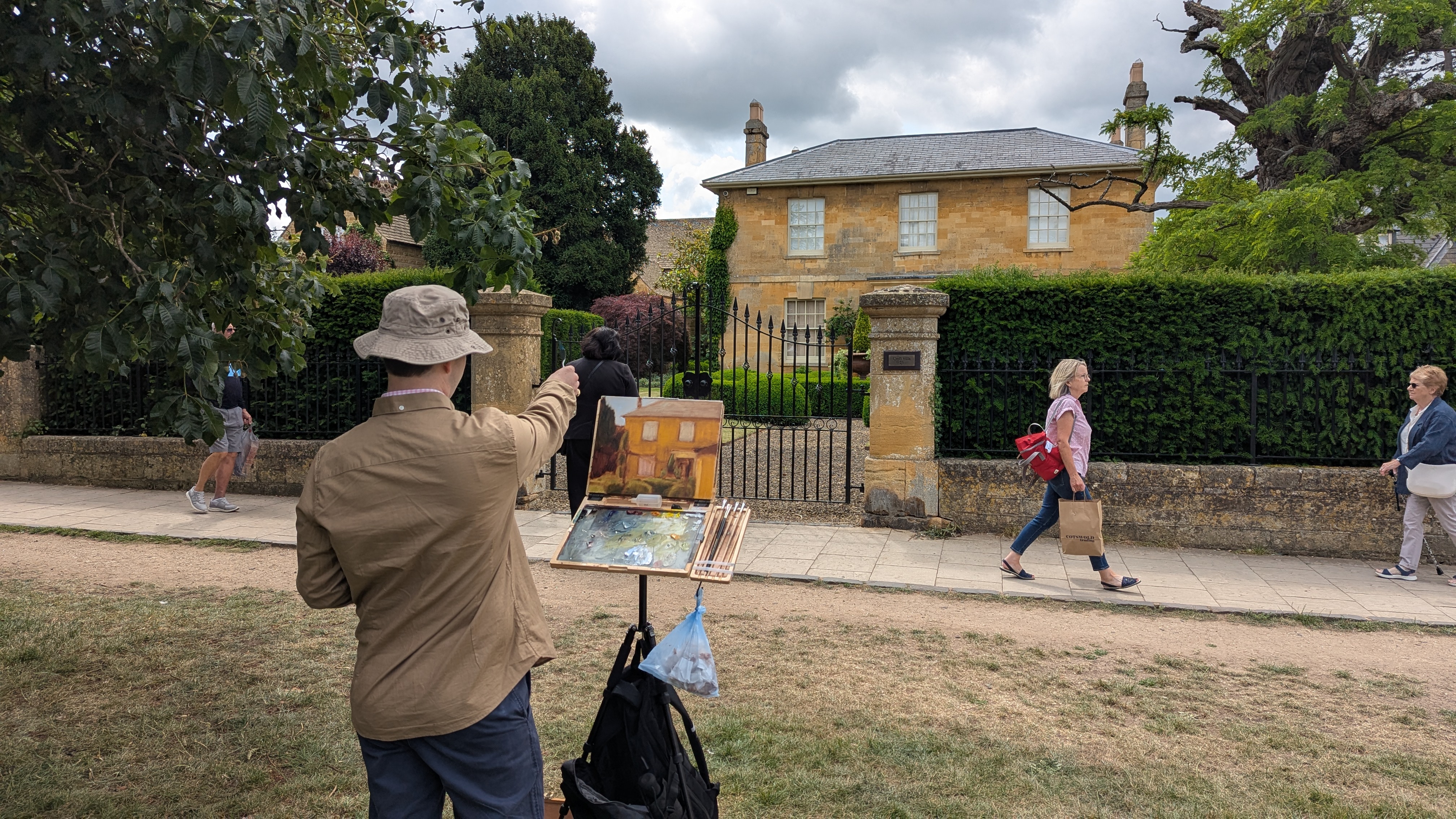
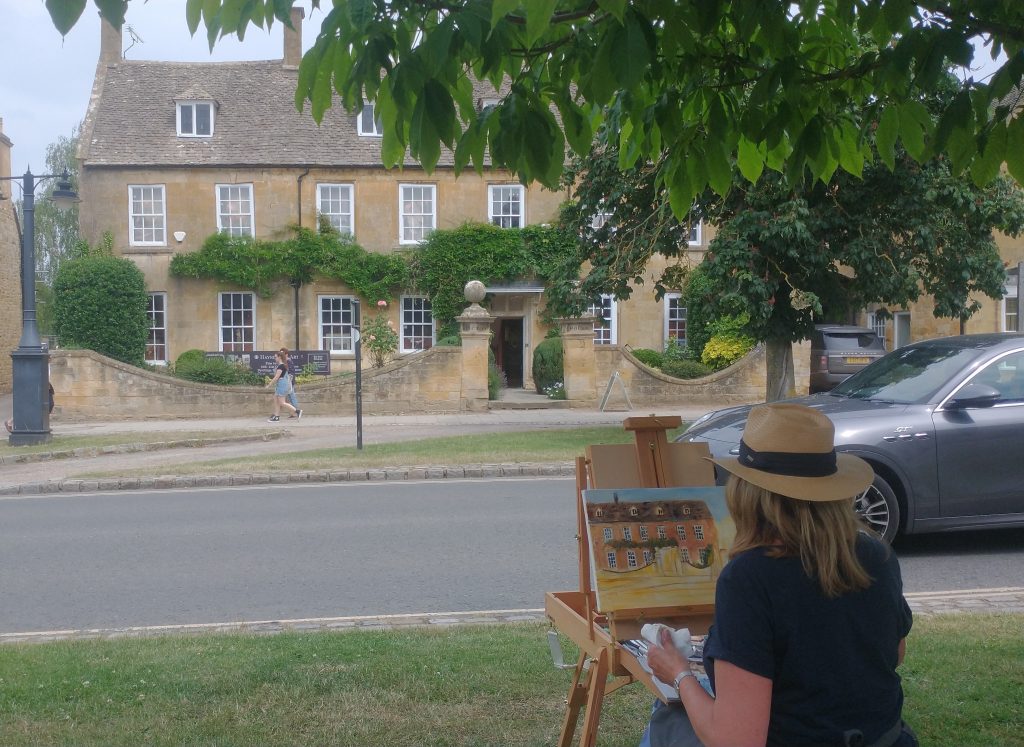
It’s always a delight walking around Broadway. Bun, but with an artist and easel every 50 yards or so even more enjoyable.

The Most Beautiful Village?

The appellation of most beautiful village, came in the late 19th Century. Broadway, once gained its wealth by selling wool. When that declined, the village became an important stop on the Toll Roads. It was on the stage coach route from Aberystwyth to Worcester, Oxford, and London. Fish Hill, nearly 1000 feet high, was an obstacle and coaches made a stop here to prepare or recover. Some coaches used up to 10 horses to get to the top. But with the arrival of Brunel’s Great Western Railway to the Cotswolds the village was nearly ruined. Half the village, the Broadway Museum says, moved away as their livelihood serving the coaching trade died.

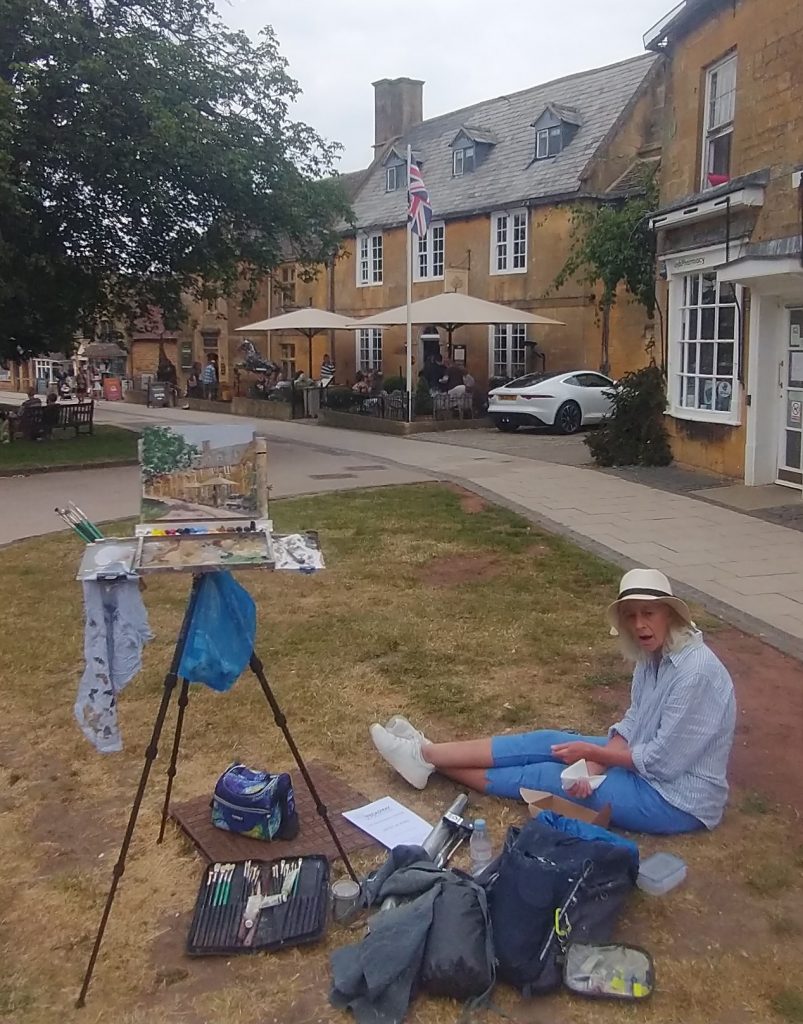
Artist painting in the Broadway 'Great Paint off'
Artist painting in the ‘Great Broadway Paint off’ 2023 Photo K Flude
Artist painting in the Broadway 'Great Paint off'
Another artist participating Artist in the ‘Great Broadway Paint off’ Photo K Flude 2023
Painting in Broadway
@dawnjordanart Great Broadway Paint off’ Photo K Flude 2023

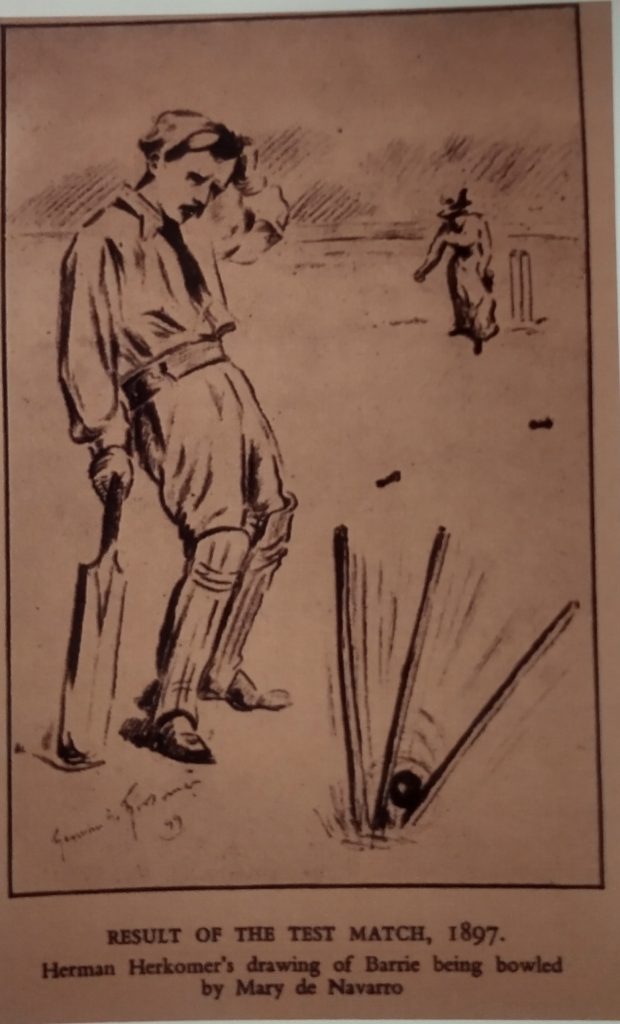
But artists and writers, led by Americans Frances Millet and Edwin Abbey, turned Broadway into a much sort-after country retreat. Visitors included Oscar Wilde, J. M. Barrie, Singer-Sargeant, William Morris, Edward Burne-Jones, Gabriel Dante Rossetti, American actress, Mary Anderson, Edward Elgar, E. F, Benson. Mark Twain visited for Millet’s marriage.

J.M. Barrie being bowled by Mary de Navarro. (aka Mary Anderson, who played many roles including Juliette at Stratford-on-Avon)

Gordon Russell & Henry T Ford

What made the visit particularly interesting was the story told by the volunteer at the Gordon Russell Museum in Broadway. This is the story as I understood it:

The Russells restored the Lygon Arms in Broadway using Arts And Crafts architects. They also restored antique furniture. The son, Gordon Russell, became a leading designer of modernist Furniture. He advertised to passengers on the Cunard Line in order to attract the attention of rich American visitors. One, Henry T Ford, was interested. He came to Broadway, staying at the Lygon arms. He was taken to nearby village Snowshill, where Ford bought a Cotswolds Farmhouse, complete with Blacksmith’s workshop. They were shipped stone by numbered stone to Brentford on the Thames. Then to the London Docks and across the Atlantic. Here. Ford set them up in a Museum in Michigan where they still are!

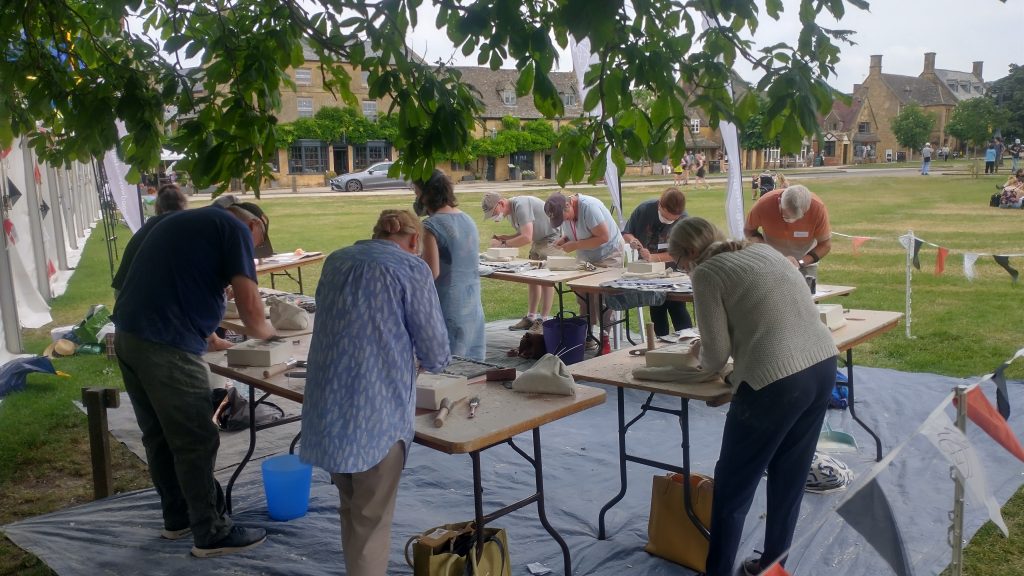
Sculptors at the Great Broadway Paint off.
Sculptors at the Great Broadway Paint off (2023)

Research suggests it’s a little more complicated, in so far as Ford purchased his first Cottage before coming to Broadway. But it still leaves a delightful story about American ideas of Quintessential English village life. For pictures see my post here. And for another look at the story look at this web site here:

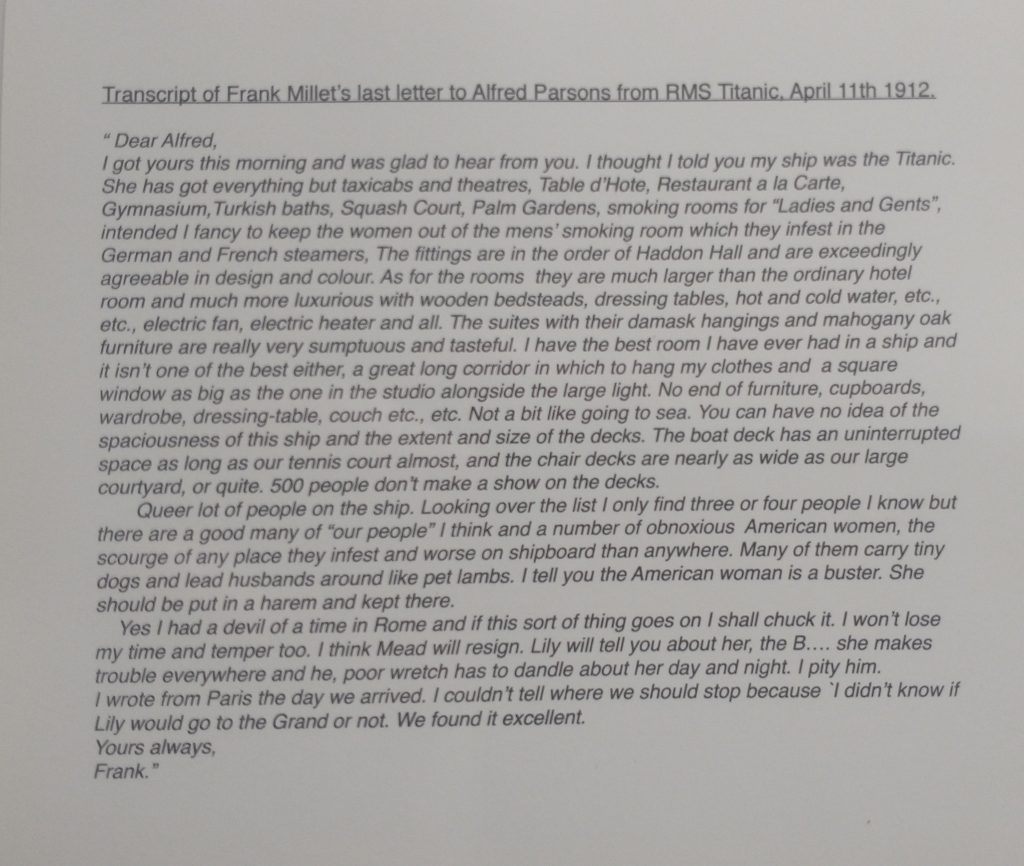
By the way, Frances Millet planned to return to the States on the Titanic. He was one of the 1500 who drowned. A letter he wrote while on the ship was posted, probably in France. It is on display in the Broadway Museum (2023).

For more about Broadway, Gordon Russell and Word War 2 see my post here:

June 18th is also:

International Sushi Day

Autistic Pride Day

National Chocolate Ice Cream Day

First Published in June 18th 2023, Republished in June 2024, and revised in 2025

The most important weather forecast in History D Day June 6th

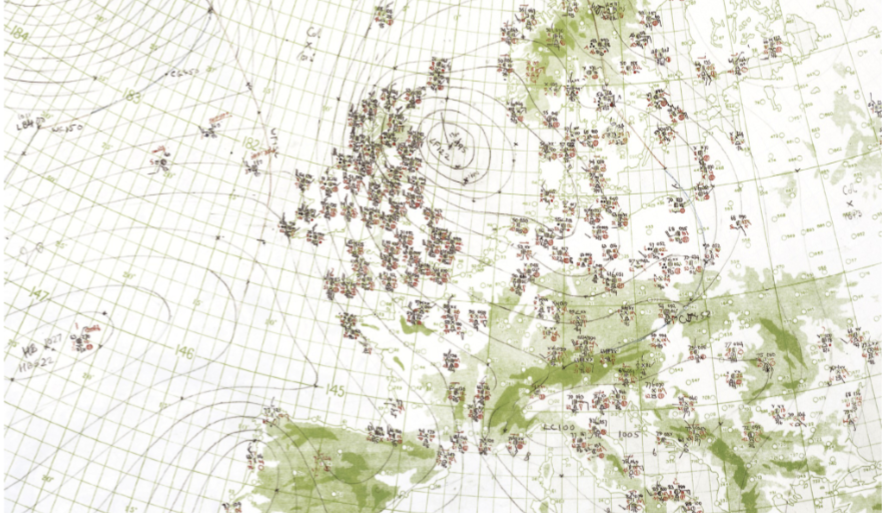
North Atlantic chart of weather for June 6th 1944.  D Day. Showing occupied Europe with observations obtained from the enigma machine

In 2014 or thereabouts I went to a play by David Haig which was based on the true story of a weather forecaster’s role in D Day. James Stagg’s advice was that the weather on June 5th, the intended day, was too volatile. He suggested the 6th June 1944 instead.

The play was called Pressure and was great because it really conveyed the enormity of the decision that Ike, Churchill and others had to make.  To go ahead in bad weather risked enormous casualties and the failure of the Landings.  To postpone, might mean Hitler discovered the location of the invasions and might lead to disaster.

Major characters portrayed in the play included Ike and his driver, Kay Summersby with whom he was very close. Also depicted was an American forecaster who disagreed with the British meteorologist James Stagg.  How much of the play was for dramatic effect and how much is true, I’m not entirely sure but it is a fascinating D Day story.

The maps were hand drawn and partially based on intercepted data decoded by the enigma machine.  Stagg recommended postponing the landings one day from the 5th to the 6th of June, when it was hoped the ideal combination of calm seas, low water at first light and a full moon would occur.

Maps used to present the data have recently been  up for sale and are discussed here https://www.bbc.co.uk/news/uk-england-somerset-68845546

I was reminded of the play by this article on the weather on D DAY on the BBC website https://www.bbc.co.uk/weather/articles/c2995n9wgz8o.

Please have a read.

First published 2024, republished 2025.

Digital Heritage – The Past Deciphered by AI

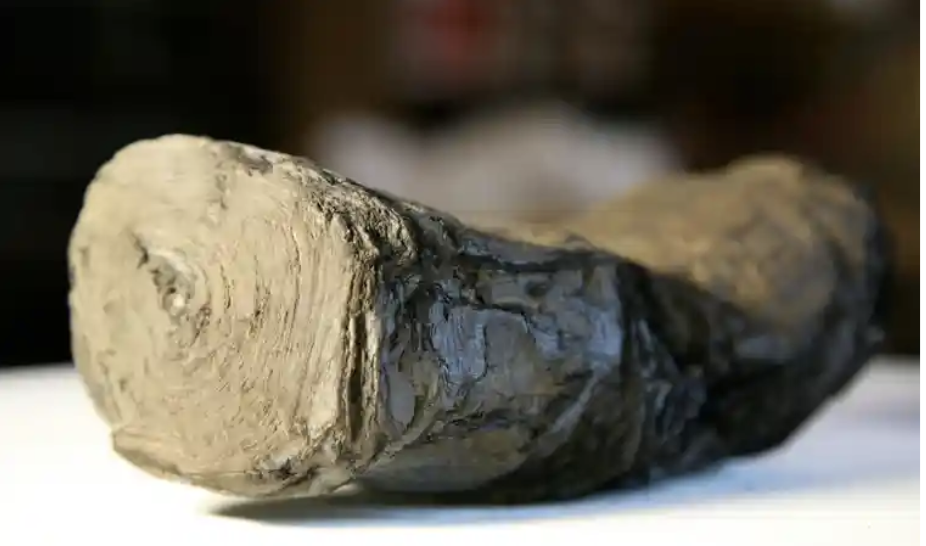
This is one of the most exciting advances I have read about for a long time! A pile of burnt scrolls survive from the Villa dei Papiri, Herculaneum. They are being examined by several teams from American Universities including the University of Michigan, and the University of Kentucky. They are just beginning to read fragments of the texts, using all the scientific techniques they can throw at it including AI. The AI has begun to learn to read fragments of the tightly rolled scroll.

Burnt Scroll
Burnt Scroll

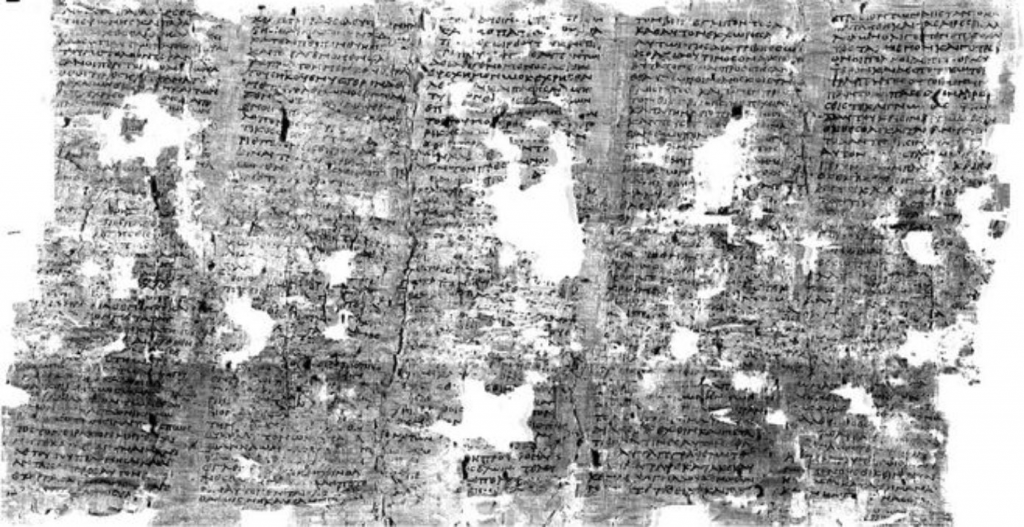
The scroll they are working on appears to be a piece about Alexander the Great and his legacy. It is an unknown text or to put it another way, it is potentially a brand new source of information for this period of time. It has been suggested that it might possibly be a copy of the lost diary of Alexander’s secretary, Eumenos or may have been written by a friend of the general Antigonos.  Either way, potentially eye witness accounts. Or not, as perhaps, they may be asking too much from the first investigation. It may be more prosaic. Time will tell.

The implications, however, are so exciting! Just as the amazing excavations at Stonehenge (and indeed in London) have revolutionised our knowledge of these places, so AI could introduce completely new insights into the past. There are many rolls that were burnt in the collection, but now AI is beginning to read them. what insights we might get even from small fragments? One of the scholars involved is particularly excited to imagine the discoveries that could be forthcoming from the Middle East

‘While others would love to see some of the lost work of the ancients, what I’d like to see is evidence of the turmoil that was happening in the first century around the development of Christianity and the Judeo-Christian tradition as it was evolving.’

Brent Seales, University of Kentucky

Part of scroll unfolded

But those ‘lost works of the ancients’. There are so many that would rock history: Tacitus’s ‘Annals’ missing missing the last two years of Nero’s reign. Pytheas ‘On the Ocean’ with its first references to Britain in writing. 6 Plays of Aeschylus, 9 Books of Sappho and the list goes on. Have a look at Charlotte Higgins piece in Prospect Magazine for a little more detail.

Another feature of the study is that the teams have released images to the cloud and are encouraging others to ‘have a go’ at reading them. This shows the strides that Citizen Science has made, and how, scientists acknowledge that, in the days of big data, cooperation pays huge dividends.

My source of information is the marvellous The Society of Antiquaries of London Online Newsletter (Salon) which ‘is a fortnightly digest of heritage news‘ and for more information look at Issue 509.

Another source is Interestingengineering.com.

Old Moore’s Almanac, January 12th

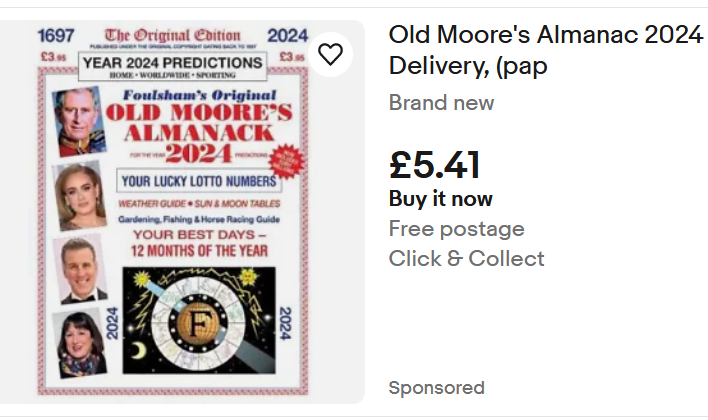
ebay advert screenshot for Old Moore's Almanac 2024
eBay advert screenshot for Old Moore’s Almanac 2024

This week I received my copy of Old Moore’s Almanac. This is probably the best known Almanac in the Uk. It follows the format of Alamancs which have been published since the medieval period as I discussed in an earlier post about the Kalendar of Shepherds of the 15th Century. Almanacs became the third most popular book published in London.

Old Moore’s, which claims ancestry back to 1697, begins with a large tranche of predictions both for the world and for celebrities, based on astrology. 2024, Frances Moore says, is the ‘Year of Hope’. He says, ‘we may have a good time, [but] a severe money problem from elsewhere may surface to worry us’. Hedging his bets or what?!

He predicts astonishing advances in technology, and thinks that Britain is in a good place to profit from these advances in healthcare, IT, and Robotics.

We need good, old-fashioned leadership to get through challenging times, with Pluto in Aquarius and Saturn through Pisces, we should be steered to ‘safe management.’

Wokery will lead us down a spiral to weakness. However, the Tories will remain disorganised with the country receptive to caring Socialism, with an upsurge in local power. The UK will become a more caring society.

Old Moore hints that Putin might be indicted. The US will have deep financial and social problems. The election might be close, but he also suggests Trump’s support might be on the wane.

There is a page for each month, noting the calendar events such as Epiphany, Burns Night, Australia Day, and other days filled with very random notable events chosen to represent that day through history- 2nd Jan Conquest of Granada 1462. 9th Jan Duchess of Cambridge b. 1982, 13th Jan Trump impeached 2021 etc. It also gives a forecast for the Month. January is likely to see constitutional change, Old Moore predicts which seems very unlikely.

Next are columns for Sun rise and set, high water at London Bridge, moon at London. And a weather column. (Early cold spell followed by normal rainy pattern), which isn’t wrong yet.

It has pages of predictions for celebrities such as King Charles III, which suggests ‘communication problems’ in the family. Who could have guessed that! Anton Du Beke, Adele. Zelenskyy, whose entry suggests success will be achieved only by diplomacy; otherwise the stubbornness predicted by the stars will lead to a long stalemate.

Then there are charts for each star sign. Towards the back are astrological help for winning on Horse Racing, Greyhound Racing, Football pools, Bingo, Lottery, Lucky Lotto, Euro Millions and pages for sowing and planting times for gardening by the moon, and a Guide for Anglers.

£5.41 good value, or is it just cheap? It was £3.50 in 2022.

Town Exploration Amsterdam 1

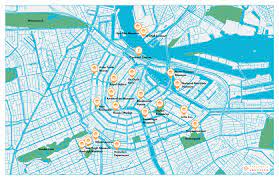
The Canals of Amsterdam

I’ve relieved of the necessity to search for the Town Walls of Amsterdam without prior research by the fact that I am here to see my daughter who has recently broken her ankle, so she has an excuse for refusing to go on forced forced marches around the City.

I haven’t yet had a good look at a map, but the pattern of Canals circuling the centre is amazing and it seems possible there was no need for walls, when the centre is protected by so many rings of water.

I don’t know much about Amsterdam, but it reminds me of the surprising fact that Holland was a major power in the 17th/18th Century. I discovered this on a visit to Kerala in India where I realised that Portugal had a vast empire which was largely taken over by the Dutch in the 17th Century and then taken over by the British in the 18th Century.

It was one of the major pivots in world history. These three countries were small peripheral seafaring nations of no great importance in Europe until the Age of Discovery. Portugal set up trading systems (perhaps rather systems of exploitation) first down the coast of Africa and then to India and beyond. The Dutch then took over the trading stations and took control of the spice routes. Then the British took over.

Previously the spice routes from the East came through Egypt, Greece, Rome, Carthage and later the Ottoman and the Venetian Empires. This made the Mediterranean the richest place in Europe, both north and southern coasts.

The new ocean routes led to a major shift in power from the Mediterranean to the North Sea, leading to the current situation where the Mediterranean is no longer the centre of the world. Greece, Southern Italy, North Africa now under performing economies. A Roman would find this hard to believe.

Portugal, then Holland followed by Britain rose to the status of world power which would, itself, have been inconceivable before the 16th Century.

Holland was in the perfect geographic position astride the trade routes that lead to the heart of Europe. The entry point was the major river systems around the Rhine/Danube axis including the Rhine, the Scheldt, the Waal, and the Amstel. Antwerp, Rotterdam and Amsterdam developed from regional trading towns to global Cities. They spawned a self confident set of merchants who set the foundations of modern capitalism with foundations in spices and slaves.

Central to this was the Dutch East India Company. The first organisation in Europe where an investor only risked their investment rather than the shirt off their back in the event of bankruptcy. This let the shackles off investment, took money out of gold in the bank vaults and multiplied it around the economy.

But not only did it take away the risks of the consequences of investment the Dutch East India Company, set up in Amsterdam in 1602, was given quasi state power, with the ability to fight wars and impose laws on subject populations. This template was copied by the British East India Company which conquered and ran India, setting the seal for the British Empire and Capitalism.