St Clements Day, the Blacksmith’s Holiday, the Early Church, Lydia and Wickham November 23rd

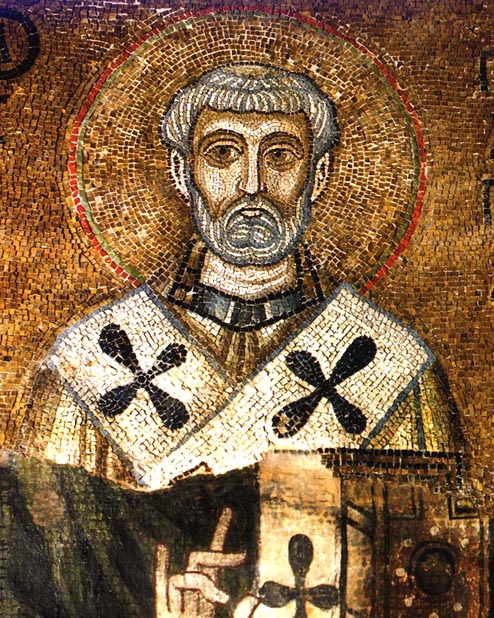
Clemens I, the Pope of Rome. Mosaic from St. Sophia of Kyiv, 11th c. In places of loss (lower part of the composition) — oil painting of the 18th c. (Wikipedia) for St Clements Day

St Clement was a very early Bishop of Rome, shortly after St Peter. Although thought to be a historical and therefore a very important peron in the history of Christianity, his mode of martyrdom is a matter of legend. He is supposed to have been tied to an anchor and thrown in the Black Sea in around AD 99. He is, therefore, particularly venerated by Blacksmiths and Sailors. Some believe he is earlier than AD99 and place his letter as early as AD60.

St Clements and the Early Church

A letter of St Clements survives and is addressed to the Christians of Corinth. This letter is of fundamental importance, as it appears to have been written when the martyrdoms of St Peter and St Paul were relatively recent memories. The letter is also important as a counterargument to the Protestant view that there is no evidence that Peter was ‘Pope’. In this letter, St Clement is giving advice to the Church of Corinth as a Pope would. This can be used as early proof of Papal supervision of the early Church.

The letter is therefore worth reading, and you can read a version of it here. . I have chosen two extracts from a long letter. The first illustrates how close to the deaths of Peter and Paul it was. The second extract gives a great insight into an early Christian World view. I think there is also very little here that a Pagan would object to? The main message of the letter is to follow the example of Jesus and adopt humility.

Chapter 5. No Less Evils Have Arisen from the Same Source in the Most Recent Times. The Martyrdom of Peter and Paul.

But not to dwell upon ancient examples, let us come to the most recent spiritual heroes. Let us take the noble examples furnished in our own generation. Through envy and jealousy the greatest and most righteous pillars [of the church] have been persecuted and put to death. Let us set before our eyes the illustrious apostles. Peter, through unrighteous envy, endured not one or two, but numerous labours; and when he had at length suffered martyrdom, departed to the place of glory due to him. Owing to envy, Paul also obtained the reward of patient endurance, after being seven times thrown into captivity, compelled to flee, and stoned. After preaching both in the east and west, he gained the illustrious reputation due to his faith, having taught righteousness to the whole world, and come to the extreme limit of the west, and suffered martyrdom under the prefects. Thus was he removed from the world, and went into the holy place, having proved himself a striking example of patience.

Chapter 20. The Peace and Harmony of the Universe.

The heavens, revolving under His government, are subject to Him in peace. Day and night run the course appointed by Him, in no wise hindering each other. The sun and moon, with the companies of the stars, roll on in harmony according to His command, within their prescribed limits, and without any deviation. The fruitful earth, according to His will, brings forth food in abundance, at the proper seasons, for man and beast and all the living beings upon it, never hesitating, nor changing any of the ordinances which He has fixed. The unsearchable places of abysses, and the indescribable arrangements of the lower world, are restrained by the same laws. The vast unmeasurable sea, gathered together by His working into various basins, never passes beyond the bounds placed around it, but does as He has commanded. For He said, Thus far shall you come, and your waves shall be broken within you. Job 38:11 The ocean, impassable to man and the worlds beyond it, are regulated by the same enactments of the Lord. The seasons of spring, summer, autumn, and winter, peacefully give place to one another. The winds in their several quarters fulfil, at the proper time, their service without hindrance. The ever-flowing fountains, formed both for enjoyment and health, furnish without fail their breasts for the life of men. The very smallest of living beings meet together in peace and concord. All these the great Creator and Lord of all has appointed to exist in peace and harmony; while He does good to all, but most abundantly to us who have fled for refuge to His compassions through Jesus Christ our Lord, to whom be glory and majesty for ever and ever. Amen.

https://www.newadvent.org/fathers/1010.htm (Translated by John Keith. From Ante-Nicene Fathers, Vol. 9. Edited by Allan Menzies. Revised and edited for New Advent by Kevin Knight. )

Towards the bottom of this post you will find out more about St Clements place in Christian History, but first, lets find out his associations with London.

London & St Clements

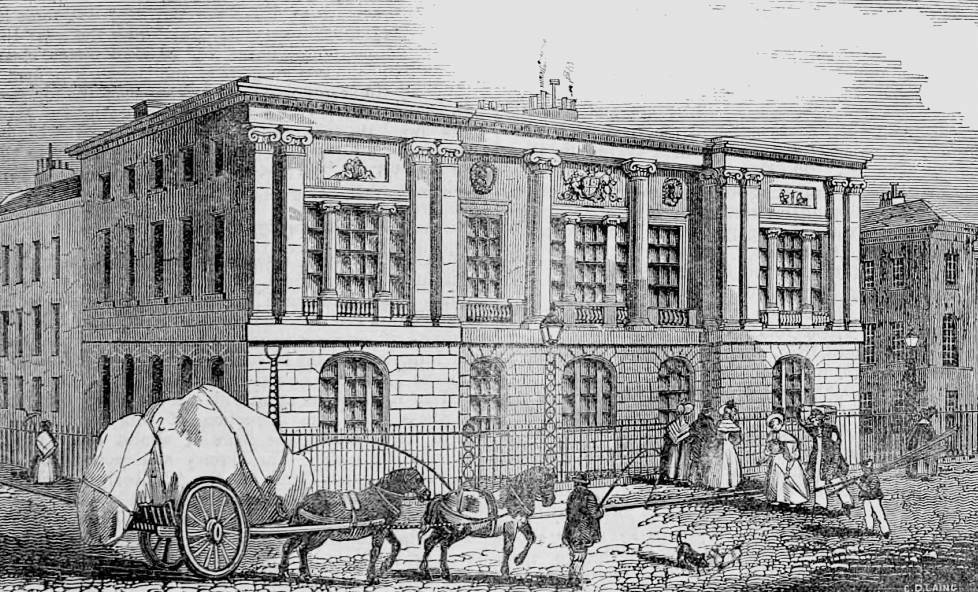
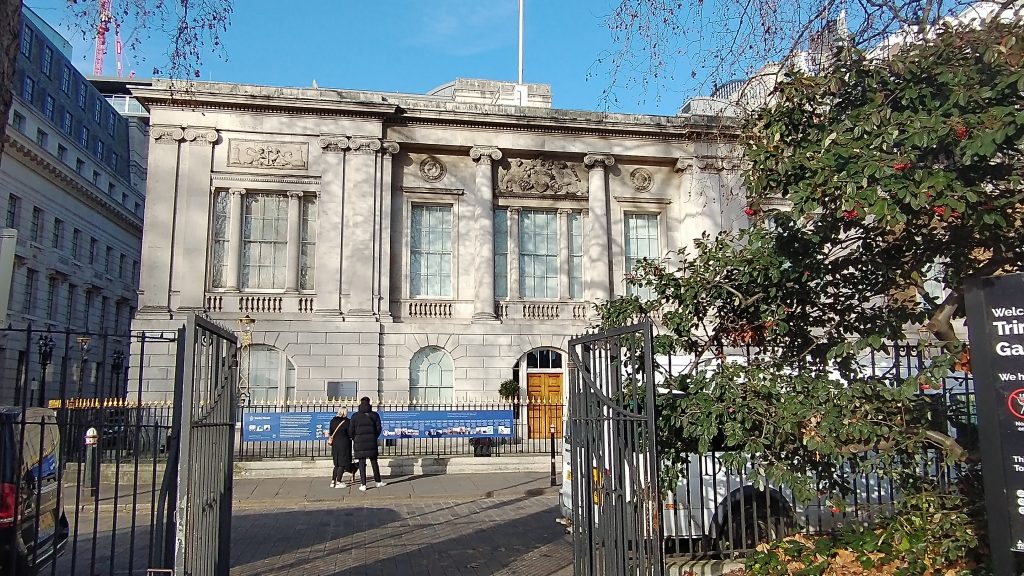
The maritime connection may explain the three St Clements connections in London. Trinity House On Tower Hill has been working to keep shipping safe since being founded in Deptford in the 16th Century as:

The Master, Wardens and Assistants of the Guild Fraternity or Brotherhood of the most glorious and undivided Trinity and of St Clement in the Parish of Deptford Strond in the County of Kent.

They look after light ships, lighthouses, navigation buoys and licence Deep Sea Pilots. The HQ moved to Tower Hill in 1796.

London has two churches dedicated to St Clements. Both are by early London waterfronts and rebuilt by Christopher Wren and his team.

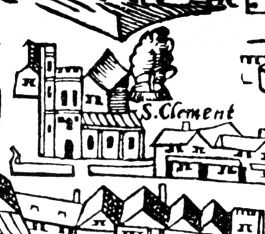
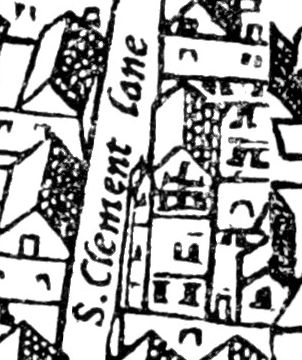
St Clement’s Eastcheap is on the terrace above the Roman port of London, near London Bridge (which leads to Wikipedia speculation that it might have been an early Roman foundation). And St Clements Danes is where the Strand meets Fleet Street on the terrace above the Lundenwic Saxon waterfront.

Lydia and Wickham get married

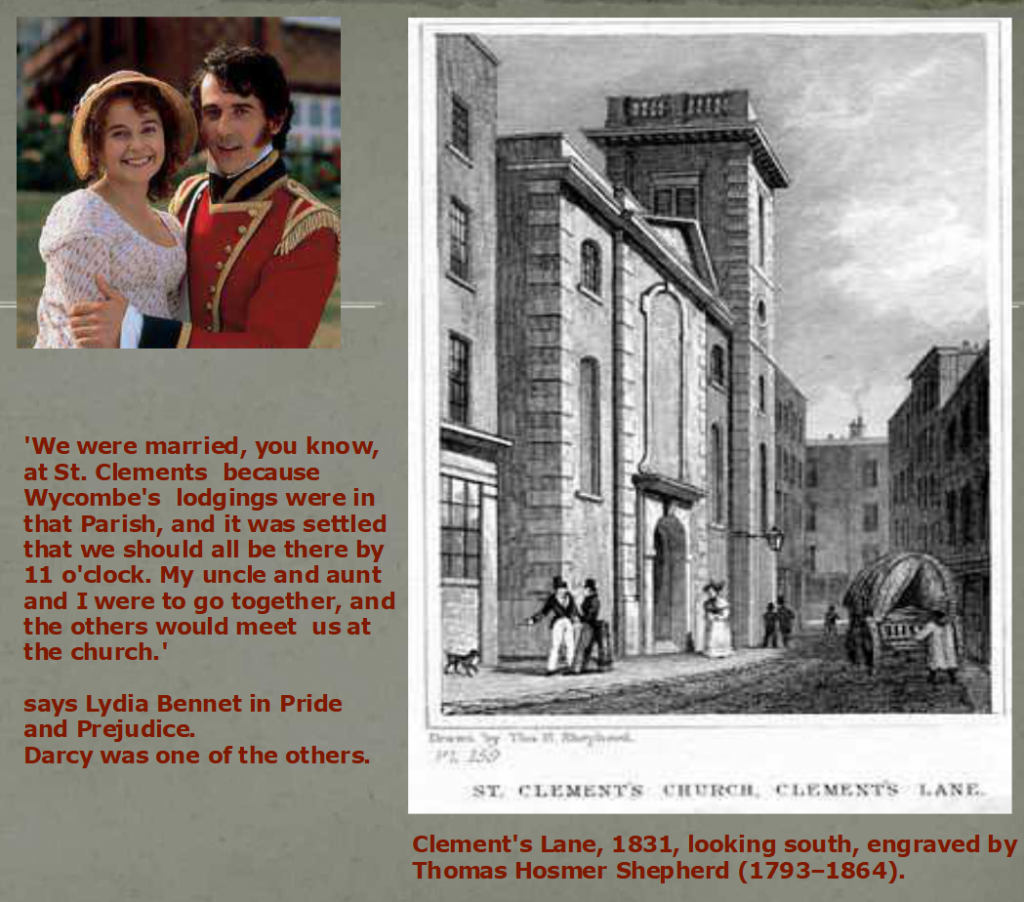
St Clements is where Lydia and Wickham finally get married in Jane Austen’s Pride and Prejudice. But which of the two St Clements? Wickham had lodgings in the East Cheap area. The Gardiners, Lydia’sUncle and Aunt were the only people at the wedding except Darcy. They lived in nearby Gracechurch Street. But perhaps St Clements Dane was more fashionable and might be more the raffish Mr Wickham’s cup of tea? (Jane Austen bought her family’s tea from Twinings, just off Fleet Street, where you can still buy it today )

Slide from my ‘Jane Austen’s 1809 Virtual Tour of London’

Oranges & Lemons

St Clements appears in the nursery rhyme/game Oranges and Lemons and both churches claim it refers to them, but as both are by the waterfront, either will do.

Oranges and lemons,
Say the bells of St. Clement’s.

You owe me five farthings,
Say the bells of St. Martin’s.

When will you pay me?
Say the bells at Old Bailey.

When I grow rich,
Say the bells at Shoreditch.

When will that be?
Say the bells of Stepney.

I do not know,
Says the great bell at Bow.

Here comes a candle to light you to bed,
And here comes a chopper to chop off your head!
  Chip chop chip chop the last man is dead

I remember playing this as a child. Two children form an arch with their hands. The other children go through the arch reciting the rhyme until the chopper comes down when the hands forming the arch traps one of the children. The trapped child then whispers which side they want to be join, and they leave the procession to stand behind one or other of the arch-makers. I seem to remember we ended it off by having a tug of war between the two teams.

Alternatively, the trapped/chopped children make an additional arch and the remaining kids have to rush through a large space, fearing the chop.

On this day:

1963 the first episode of Dr Who was broadcast on the BBC, starring William Hartnell and his assistants played by William Russell;Jacqueline Hill; and Carole Ann Ford. The ‘An Unearthly Child’ episode may be responsible for me becoming an archaeologist. It begins in London and the Tardis is transported 100,000 years into the past where stone-age humans are fighting over lost fire-lighting skills. I don’t remember hiding behind a sofa but I do remember being gripped by it. This is now 62 years of Doctor Who.

Originally published Nov 23rd, 2022. Revised & Rewritten on Nov 23rd 2023, 2024 and 2025
Sagittarius, Martinmas Old Style and Pack-Rag Day November 22nd

November 22nd is the dawning of Sagittarius.

According to the Kalendar of Shepherds 1604, women born on this day should marry at age 13, shall have many sons and live to 72 years old. Men born on November 22nd will be merciful, far-travelled, prosperous after early dangers and live to 72 years and 8 months. Can’t help feeling that prophecy this precise is heading for a fall. (see my post sliding-ducks-and-the-equivocation-of-prophecy/).

Martinmas Old Style and Pack-Rag Day

Pack-Rag Day, hiring of farm workers

Martinmas was the Festival of Winter’s Beginning and is celebrated on November 11. It was one of the most famous medieval festivals. In 1752, the calendar was transformed when Britain transferred from the Julian to the Gregorian Calendar, 11 days were lost from the Calendar, so the original date of the festival would be what we know as November 22nd. So this is Martinmas Old Style.

In the East Riding of Yorkshire, hiring fairs were held around this time. It was also called Pack-Rag Day as servants carried their clothes to their new place of work.

A hiring fair is how Gabriel Oak is hired by Batheseba Everdene in ‘Far From the Madding Crowd’ by Thomas Hardy. They were often also held at Michaelmas, and in Warwickshire are called Mops. See my post on the Mop here.

On this Day

As you may have noticed, I have been adding a section called ‘On this Day’ which highlights some notable events that have happened on this day in history. In my quest to create an almanac of the past with a reasonable post for every day, my loyal subscribers will be getting a post they read last year. So, I am trying to add extra content to make it worthwhile. Hence, this ‘new’ section (one year old today).

So, I will either republish a previously published post. It should be better proofread (although I’m perfectly capable of adding extra embarrassing typos). The content should be improved or expanded. Or with an added ‘On this Day’ section. Therefore, if you find you have read the post before, just scroll down to the new content at the bottom.

One of my sources for the ‘On this Day’ section is Chambers’ ‘Book of Days A Miscellany of Popular Antiquities’in connection with the Calendar’. The original was published, in 1864, by Robert Chambers one of the original founders of Chambers Publishing. The new one takes is inspiration from the original. I found out about it from Sir Roy Strong and Julia Trevelyan Oman’s ‘The English Year, which is itself a personal selection from the Chambers Book of Days. Sir Roy was my boss when I was an Assistant Keeper at the V&A.

1963 President Kennedy and Governor John Connally were shot while part of a motorcade in Dallas.

1968 The Beatles White Album was released

1990 British Prime Minister Mrs Thatcher resigned.

Originally published as two separated posts on 22nd November 2022, republished on 22nd November 2023, merged 2024, and expanded 2025

Night Fowling November 19th

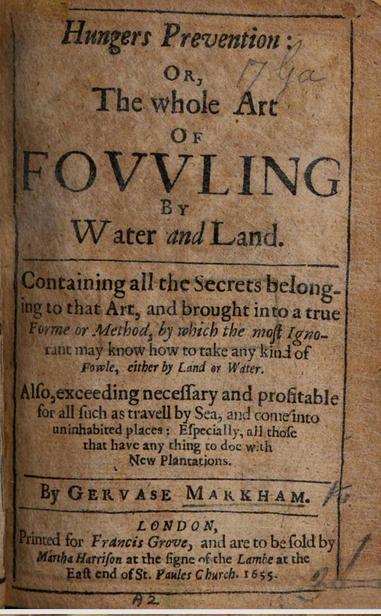
Gervase Markham Hungers Prevention: or, the Whole Art of Fowling by Water and Land. (Printed, London: for Francis Grove, 1655).

This was the period of the year for ‘Night-fowling’. Gervase Markham wrote a whole book about it in the 17th Century. It was called Hungers Prevention: or, the Whole Art of Fowling by Water and Land. (Printed London: for Francis Grove, 1655).

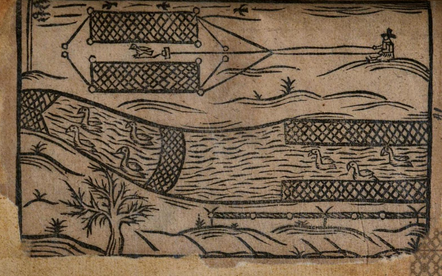
In it, he tells the reader to go to ‘a stubble field in November when the air is mild and the moon not shining. There take a dolorous low bell, and net. Spread the net over the stubble where there may be fowl, ring the bell, light fires of dry straw, and the fowl will fly and become entangled in the net.

Title illustration from Gervase Markham Hungers Prevention: or, the Whole Art of Fowling by Water and Land. (Printed London: for Francis Grove, 1655).

In Britain today, the Wild fowling season is from 1 September – to 20th February and largely takes place on the marshes and foreshore.

Duck, Geese, waders and other birds are the quarry. Species involved include:
Gadwall goose, Canada goose, Common snipe, Coot, Goldeneye duck, Greylag goose, Golden plover, Moorhen, Mallard, Pink-footed goose, Jack snipe, Pintail, European Woodcock, white-fronted goose, Pochard, Scaup1, Shoveler, Teal, Tufted duck, Wigeon

(from https://basc.org.uk/wildfowling/advice/wildfowling-code-of-practice/)

For more Gervase Markham books see my post here:

On this Day

On this day, in 1660, Charles I was born.

In 1863. President Abraham Lincoln gave the Gettysburg Address.

World Toilet Day

Today is the United Nations’s World Toilet Day. It is ‘Sustainable Development Goal 6 Safe toilets for all by 2030’. It is astonishing that we, as a species, have:

3.5 billion people (who) still live without safely managed sanitation, including 419 million who practise open defecation.’

That is a third of the world’s population if my figures are correct. It also impacts particularly badly on women in those areas where decent hygiene cannot be guaranteed.

These are the ‘Key messages you should know on World Toilet Day’

  1. Toilets are a place for peace. This essential space, at the centre of our lives, should be safe and secure. But for billions of people, sanitation is under threat from conflict, climate change, disasters and neglect.
  2. Toilets are a place for protection. By creating a barrier between us and our waste, sanitation services are essential for public and environmental health. But when toilet systems are inadequate, damaged or broken, pollution spreads and deadly diseases get unleashed.
  3. Toilets are a place for progress. Sanitation is a human right. It protects everyone’s dignity, and especially transforms the lives of women and girls. More investment and better governance of sanitation are critical for a fairer, more peaceful world.

First published Nov 19th 2022. Republished Nov 19th 2023, 2024, 2025

Exercise to keep you warm and fit for the ordeal of winter – November 15th

Medieval drawing of an archer
Medieval drawing of an archer. Good resistance exercise to get the muscle/fat ratio on the healthy side?

‘Leaping is an exercise very commendable and healthful for the body.’

The Compleat Gentleman 1634

Thomas Fuller in his book published in 1642 says:

Running, Leaping, and Dancing, the descants on the plain song of walking, are all excellent exercises. And yet those are the best recreations which besides refreshing enable, at least dispose, men to some other good ends. Bowling teaches mens hands and eyes Mathematicks, and the rules of Proportion: Swimming hath sav’d many a mans life, when himself hath been both the wares, and the ship: Tilting and Fencing is warre without anger; and manly sports are the Grammer of Military performance. But above all Shooting is a noble recreation…..

‘The Holy State’ by Thomas Fuller B.D. and Prebendarie of Sarum

Published St Pauls Churchyard 1642

The Holy State is a fascinating book – it provides instruction on how to be the Good Wife; the Good Advocate; the Good King; Bishop etc. etc.; has general rules of behaviour; some case studies of good lives to emulate and discussion of profane states not to emulate.

It can be read online here:

On This Day

15th of November 1712 A Famous Duel between Lord Mohun and the Duke of Hamilton

‘In short, they fought at seven this morning. The dog Mohun was killed on the spot; and while the Duke was over him, Mohun shortening his sword, stabbed him in at the shoulder to the heart. The Duke was helped towards the Cake House by the Ring in Hyde Park (where they fought) and died on the grass, before he could reach the house; and was brought home in his coach by eight, while the poor Duchess was asleep.

Jonathan Swift ‘The Journal to Stella’ 1712

Lord Mohun seemed to be the villian, not only making the initial affront, but also issuing the challenge and stabbing his rival in such an underhand way! After the Duel there was fighting between the servants of the men, and the seconds had to flee to avoid arrest. Duels were illegal but remained a part of upperclass society into the 19th Century. Pehaps, Thomas Fuller’s advocacy of fencing as a good keep fit exercise is not such a great idea!

Text taken from ‘A London Year’ Compiled by Travis Elborough and Nick Rennison

To read my post on Jonathan Swift and Chelsea Buns see my post here.

First published November 2023, republished 2025

Lay in stocks of fire wood against the Winter November 14th

Photo by Sergey Lapunin on Unsplash

As the winter comes nearer and the St Martin’s Summer comes to an end – make sure you have good stocks of firewood. Here, is some ancient advice on the burning of wood:

Beechwood fires burn bright and clear
If the logs be kept a year
Oaken Logs if dry and old
Keep away the winter’s cold
Chestnut’s only good they say
If for years ’tis laid away
But ash-wood green or ash-wood brown
Are fit for a King with a golden Crown
Elm she burns like the churchyard mould
Even the flames are cold
Birch and pine-wood burn too fast
Blaze too bright and do not last
But ash wet or ash dry
A Queen may warm her slippers by.

For more professional modern advice for your wood burning stove, look here, or at this, excellent, although American source. For more on a St Martin’s Summer, see my post here:

IKEA Furniture and Me.

My own very limited experience of firewood is from the very occasional fires I lit during Christmas past. I found a particular joy in burning IKEA furniture which had failed during the year. My kindling of choice was dried Christmas tree, which pops and crackles like a good indoor firework. I suspect burning IKEA furniture, however good for the soul, is appalling for the environment, so please don’t do it! Take a pickaxe to it instead, or even better, upcycle it.

The nightmare that is a flatpack!

A postscript on IKEA. To appreciate the joy this gave me, you have to understand my dislike of shopping in IKEA. And my even greater frustration at putting together the flatpack items. I have a form of flatpraxia which begins with an inability to spot key construction information cryptically hidden in those little drawings. Magically, as you survey the slightly wonky creation in front of you at ‘completion’, my mind finally resolves the importance of tiny details on those little diagrams. Understanding comes with the realisation that I have put it all together in the wrong sequence. This added with a ham-fisted DIY disability means, my IKEA is full of quirks such as drawers that are not the smooth sliders you dream of. So, when an alternative piece of furniture comes to my attention, with more character and, crucially, already put together, the IKEA is ready for its joyous ritual disappearance from my house.

First Published 14th November 2022, revised 14th November 2023, 2024 and 2025

Remember, Remember, the 5th of November

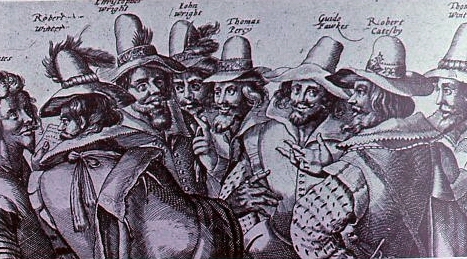
Old print showing the plotters for the Gunpowder plot
The Gunpowder Plotters, culminating on the 5th of November

Soon, after the discovery of the Gunpowder Plot, Parliament legislated for an annual commemoration of the Catholic Plot. The date they chose was the anniversary of finding Guy Fawkes with a lantern next to piles of barrels of Gunpowder underneath Parliament. This was the occasion of the State Opening of Parliament, 5th November 1605. The King, his Queen, the King’s children. The Lords from the House of Lords & MPs from the House of C would all have been blown up.

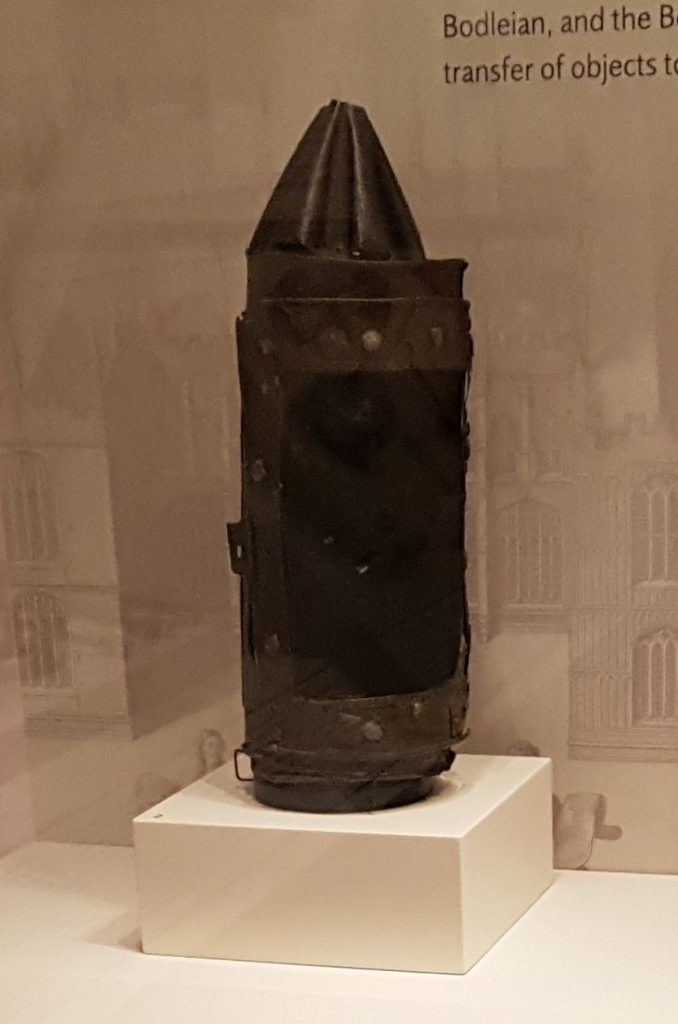
The Ashmolean Lantern

Guy Fawkes Lantern at the Ashmolean Museum

This was the one held by Fawkes. It was given the Museum by Robert Heywood in 1641. He got it from his brother, Peter, who was a Westminster Magistrate among the party who arrested Guy Fawkes in the cellar. Peter Heywood, took the lantern from Guy Fawkes to stop him setting fire to the pile of gunpowder barrels. Or at least that is the story Robert Heywood told.

A commemoration of fireworks and bonfires was clearly appropriate given that it has been estimated that the amount of gunpowder in the barrels would have killed the king, the Royal Family, the House of Lords and the House of Commons and devastated a huge area around Westminster. But some suggest that the nature of the commemoration draws some elements from Halloween – use of bonfires and dressing up. Halloween was frowned upon by puritans, but they supported Guy Fawkes Day as it was anti-catholic.

Banner in Lewes

The anti-catholic nature of the celebration is a fact, but it really isn’t something we think about today. There is little anti-Catholic prejudice in Britain (except in one or two very specific places). Irish friends are amazed we still celebrate it, but for the vast majority of people in Britain it is really just Fireworks night, nothing to do with anti-catholic sentiment.

The Lewes Bonfire

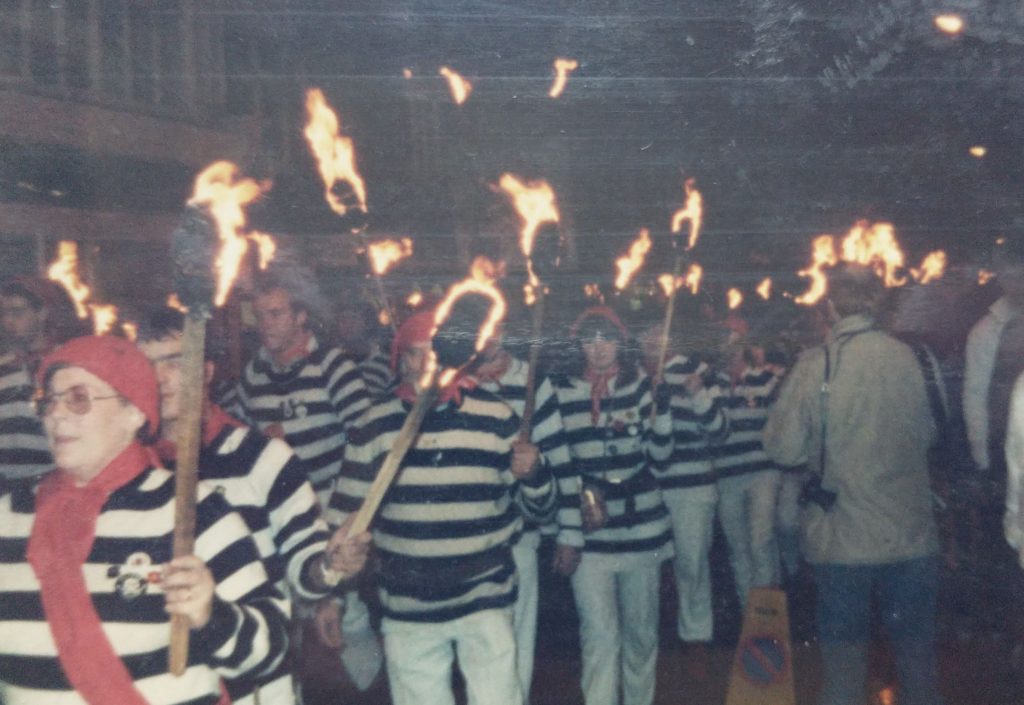
Traces of the original anti-catholic nature of it do continue in places like Lewes, which is one of the most traditional Fireworks Nights. This consists of clubs who organise a parade through the town. Then it ends with the burning of an effigy of the Pope and, more recently, other unpopular figures on the contemporary scene. Click here for more on Lewes.

Procession in Lewes

Tar Barrel Rolling

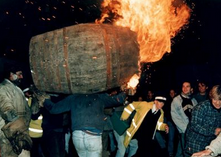
Ottery St Mary continues the tradition of using Tar Barrels. These are wooden barrels in which tar and tinder are set on fire. The Barrels are either rolled through the Town, or down a hill. But in Ottery they are carried on the shoulders of volunteers (see video below). This has a pedigree which goes back before 1605 as there are references to tar barrels and displays in Protestant processions to celebrate the accession to the throne of Edward VI and Elizabeth 1.

Tar Barrels in Ottery St Mary
Stephen and Claire – 2 Zany Brits on YouTube

Discovering the Plot

King James 1 took credit for discovering the plot as he is said to have deciphered the warning given in a letter, written to William Parker, 13th Baron Morley, 4th Baron Monteagle. Monteagle wrote the letter at his house in Hoxton, London (commemorated by a plaque in Hoxton Street near where I live) which warned against turning up at Parliament but was not explicit as to the nature of the threat.

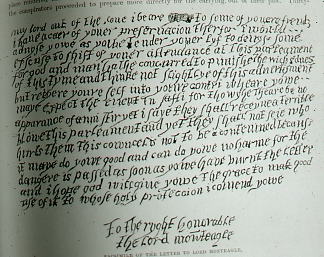
Letter Lord Monteagle passed on to King James 1

My lord, out of the love I beare to some of youere frends, I have a care of youre preservacion, therefore I would aduyse you as you tender your life to devise some excuse to shift youer attendance at this parliament, for God and man hath concurred to punishe the wickedness of this tyme, and thinke not slightly of this advertisement, but retire yourself into your country, where you may expect the event in safety, for though there be no apparance of anni stir, yet I saye they shall receive a terrible blow this parliament and yet they shall not seie who hurts them this cowncel is not to be contemned because it may do yowe good and can do yowe no harme for the dangere is passed as soon as yowe have burnt the letter and i hope God will give yowe the grace to mak good use of it to whose holy proteccion i comend yowe.

National Archives

James realised this sentence: ‘they shall receive a terrible blow this parliament and yet they shall not seie who hurts them ‘ implied an explosion. His father, Lord Darnley, was killed in a Gunpowder Plot in Edinburgh, so perhaps he was particularly attuned to the threat. On the other hand, there is a possibility that the King’s Secret Service were aware of the plot and arranged matters, so the King could receive the credit for its discovery.

The Fifth of November

    Remember, remember!
    The fifth of November,
    The Gunpowder treason and plot;
    I know of no reason
    Why the Gunpowder treason
    Should ever be forgot!
    Guy Fawkes and his companions
    Did the scheme contrive,
    To blow the King and Parliament
    All up alive.
    Threescore barrels, laid below,
    To prove old England’s overthrow.
    But, by God’s providence, him they catch,
    With a dark lantern, lighting a match!
    A stick and a stake
    For King James’s sake!
    If you won’t give me one,
    I’ll take two,
    The better for me,
    And the worse for you.
    A rope, a rope, to hang the Pope,
    A penn’orth of cheese to choke him,
    A pint of beer to wash it down,
    And a jolly good fire to burn him.
    Holloa, boys! holloa, boys! make the bells ring!
    Holloa, boys! holloa boys! God save the King!
    Hip, hip, hooor-r-r-ray!

English Folk Verse (c.1870)

See my post on preparing for Guys Fawkes day here:

First published 5th November 2021, revised 2024, 2025

All Souls Day – November 2nd

Picture of window sill with skulls, Chrysanthemums  and pictures of remembrance
El Dia de los Muertos – All Souls Day, in Haggerston, London. Photo K Flude.

Today is the Mexican Day of the Dead. In fact, the second day of El Dia de Muertos. Here is a video from Mexico, which you will enjoy for its Latin song and images of the Day of the Dead in Mexico. (It’s on Facebook, so may not work unless you have a login). And here is a YouTube explanation of celebrations in Mexico.

Today is the day to celebrate all those loved ones who have passed away. To keep them in mind, to remind you that you still care about them. It is the third day of the season of Allhallowstide, following All Hallows Evening (Halloween), and All Saint’s Day.

Beata, who comes from Poland, tells me that, November the 1st is the day when relatives visit the cemeteries of the dead. Loved ones bringing chrysanthemums to decorate the graves. It’s a happy day for the dead because they are being remembered and visited. Today, November 2nd, is a more sombre day – a day to stay at home and think of the loved ones. Perhaps looking through albums of photographs?

Souling

In England, it was the time of year in which ‘Souling’ used to take place. Households made soul-cakes. Children or people in need of food come to visit and are given soul cakes in exchange for praying for the dead.

Soul, soul, for a souling cake.
I pray good Missus for a souling cake.
Apple or pear, plum or cherry.
Anything good to make us merry.

Traditional rhyme from Shropshire and Cheshire

Moving on from Purgatory

This is based upon the idea of Purgatory, and the belief that intervention on Earth can influence the amount of time an ancestor spends in purgatory for their sins. John Aubrey (1626 – 1697), antiquarian, collector of folklore and writer, mentions a custom in Hereford which shows a variant of the idea.

John Aubrey (Wikipedia)

In the County of Hereford was an old Custom at Funerals, to hire poor people, who were to take upon them all the Sins of the part deceased. One of them I remember (he was a long, lean, lamentable poor rascal). The manner was that when a Corpse was brought out of the house and laid on the Bier; a Loaf of bread was brought out and delivered to the Sin-eater over the corps, as also a Mazer-bowl full of beer, which he was to drink up, and sixpence in money, in consideration whereof he took upon him all the Sins of the Defunct, and freed him (or her) from Walking after they were dead.

John Aubrey, Remains of Gentilism 1688

This belief in the power of action in the Here and Now to lubricate passage through Purgatory to the Ever After was a major part of fund-raising for Catholic Institutions before the Reformation. For example, in the records of St Thomas Hospital, Southwark, a wealthy widow called Alice (de Bregerake – if I remember the spelling correctly) left her wealth to the hospital in return for an annual Rose rent; lifetime accommodation in the Hospital in Southwark, and for the monks and nuns to pray for her soul and the souls of her ancestors.

Purgatory was not a settled thing in Catholic Theology before the 12th Century or so. However, the idea that prayers for the dead could be useful dates back before the Roman period. Catholics took 2 Maccabees as their biblical authority for Purgatory. But Luther demoted Maccabees to “apocrypha“. And today the Anglicans view it as ‘useful’ but not to be used for ‘doctrine.’

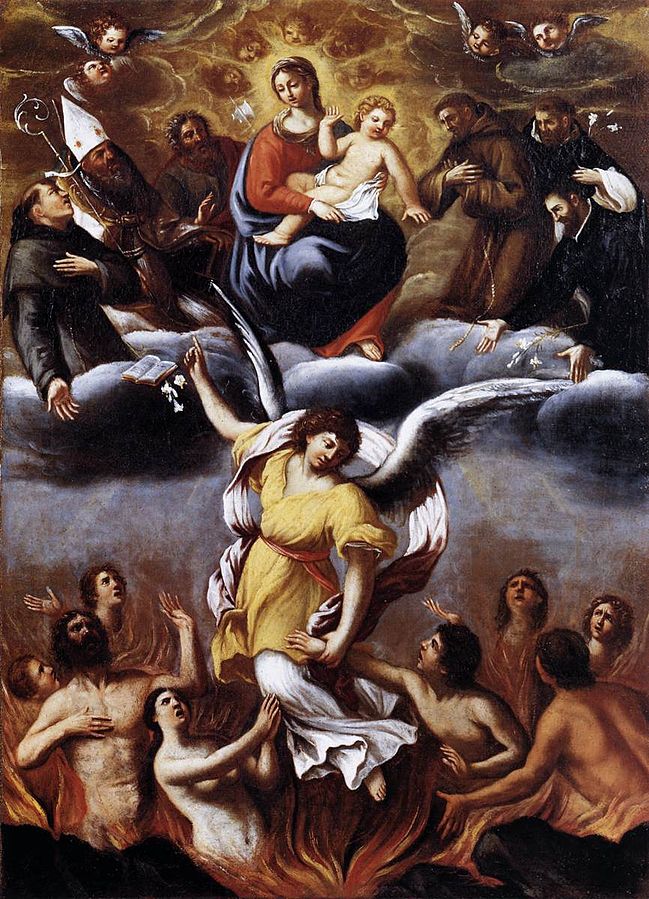
Ludovico Carracci: English: An Angel Frees the Souls of Purgatory (Wikipedia)
Ludovico Carracci: English: An Angel Frees the Souls of Purgatory 1610 (Wikipedia)

All Souls, London

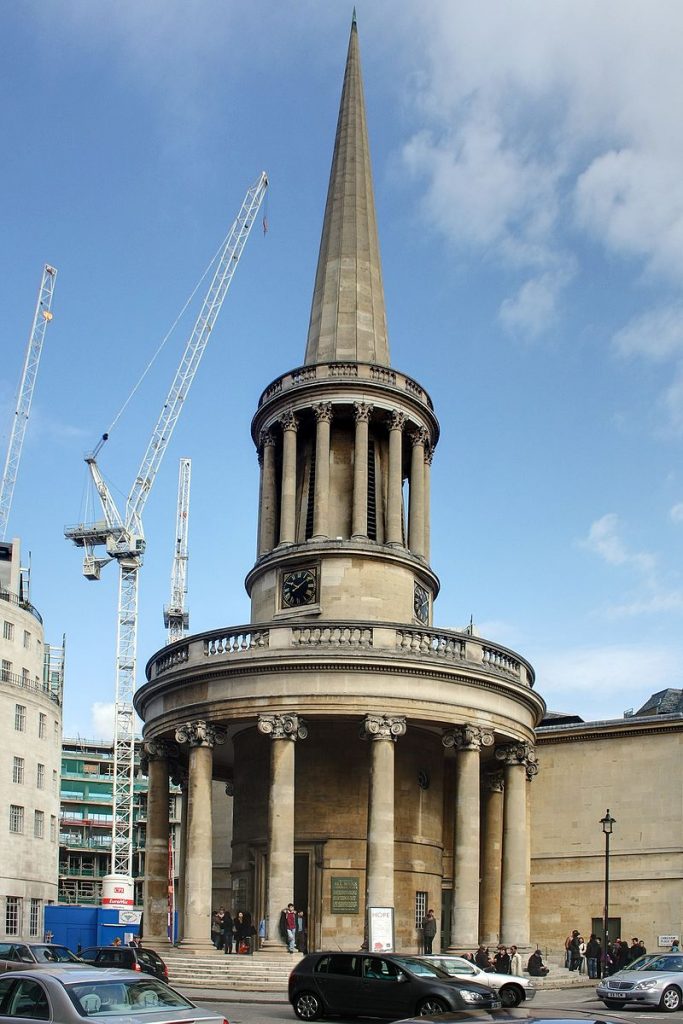
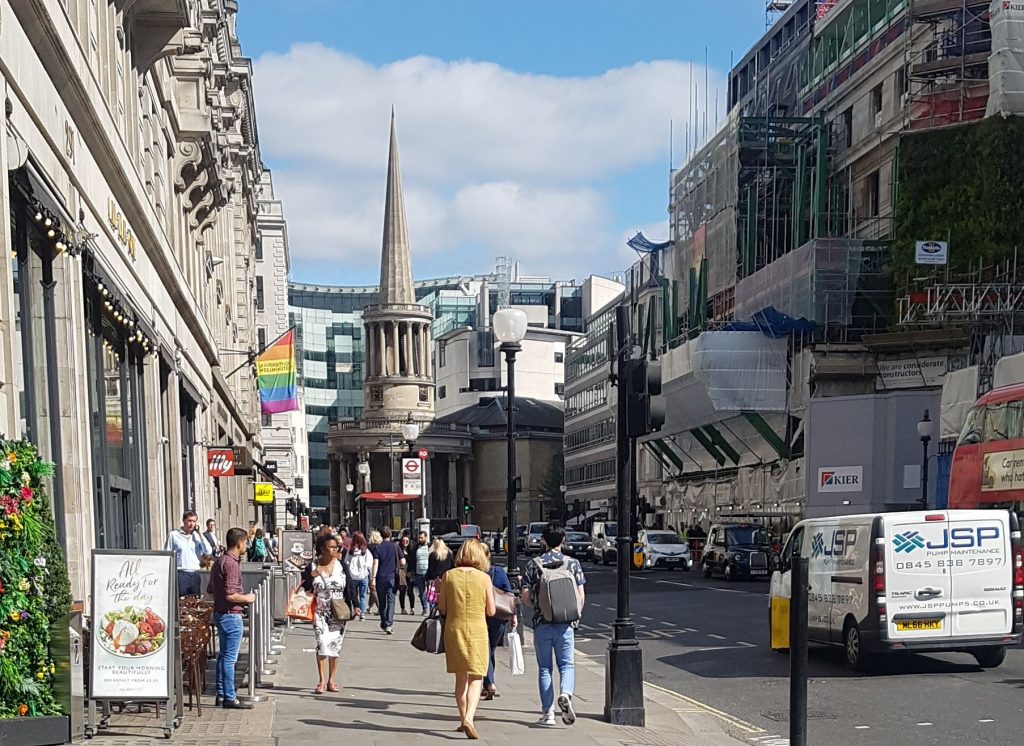
One of London’s most beautiful churches is dedicated to All Souls. It is All Souls, Langham Place. It is just near the BBC HQ and on a wonderful site, as it is on a bend in Regent’s Street. This shows it to great advantage. The architect was John Nash (1824) as part of his transformation of the West End with his boulevard from Regent’s Park south to Westminster. As he could not get all the property owners on the alignment of the road to sell him the land, he disguised this enforced bend with a magnificent Church.

All Souls Langham Place By David Castor (dcastor) – Own work, Public Domain, https://commons.wikimedia.org/w/index.php?curid=6516081
Regent’s Street looking north to All Souls (photo K Flude)

See my posts on Halloween and, and All Hallows Day here

Revised 2nd November 2025, 2024, 2023 and first published 2nd Nov 2021

St Etheldreda October 17th 679

St Etheldreda or St Audrey By monk – [1], Public Domain, https://commons.wikimedia.org/w/index.php?curid=32907989

I’m republishing this post as I dated it to February 17th rather than October 17th and a few other egregious typos.

Etheldreda, also known as Audrey or Æthelthryth or Æðelþryð or Æþelðryþe is celebrated on October 17th, (the date her remains were ‘translated’ from her burial place to the Church at Ely) and on 23 June the date she died,

She lived from March 4th 636 to June 23rd 679. She is one of the well-born Saxon Virgin Saints of the 7th Century. This is when many royal Abbeys were founded by female members of the Anglo-Saxon Royal families, in the years following the conversion of the Anglo-Saxons to Christianity. She is the daughter of King Anna of East Anglia, and the sister of Saint Sexburga (widow of King Erconbert of Kent).

Etheldreda is said to be a Virgin despite being married twice. Etheldreda was widowed after three years of her first marriage. Then she married Egfrid, son of King Oswy of Northumbria. Egfrid got fed up with her virgin state. With the support of St Wilfrid, St Etheldreda was released to a Nunnery run by Wilfred’s aunt. In 672 she founded the famous double monastery at Ely, which is where the wondrous Cathedral of Ely still stands.

Here she died, and the many miracles that followed, led to Ely being one of the main destinations for Pilgrimages. St Sesxburga took over as Abbess after her death. By the number of Churches and holy days remembering Etheldreda show she was perhaps the most famous female saint of the era.

Tawrdy Audrey

Etheldreda died of a neck tumour, which she blamed on the heavy jewellery she wore around her neck before she became a nun. So she is a patron of those with neck or throat ailments. Accordingly, on February 3rd St Etheldreda’s Church in London holds the Blessing of the Throats ceremony. St Blaise is also a saint protecting the throat and you might like to read my post about him and throats here.

Pilgrims used to buy cheap, old-fashioned linen from the market at Ely, which they would wear around their neck to protect or cure them of throat illnesses. Puritans satirised the practice by coining the word Tawdry, from St Audrey, which came to represent cheap goods sold to gullible pilgrims.

Mopsa the shepherdess in Shakespeare’s Twelfth night says to her sweetheart:

“Come, you promised me a tawdry-lace and a pair of sweet gloves.

Have a look at this excellent article to read more about Tawdry and St Etheldreda.

However, I thought something was amiss and searched for Tawdry in the excellent website SHAKESPEARE’S WORDS by DAVID CRYSTAL & BEN CRYSTAL (which I use all the time). And indeed Mopsa is not in Twelfth Night but in the Winter’s Tale which I saw recently at the RSC. Mopsa’s man can’t buy it for her as he has been cheated out of his money by the fey Autolycus.

St Etheldreda’s Church in Ely Place London

Church of St Etheldreda., Ely Place London

St Etheldreda’s in London is in Ely Place, near Hatton Garden. There is a lovely old pub there called the ‘Ye Olde Mitre’ (which is a reference to a Bishop’s Mitre). The Church was founded (1250 and 1290) as the London residence of the Bishops of Ely. Inside are memorials to Catholic martyrs executed during the Reformation. (see my post on the Douai Martyrs here).

Ely place was lived in by John of Gaunt following the destruction of his Savoy Palace in the Peasants Revolt. Christopher Hatton rented parts of it in the reign of Queen Elizabeth II. During the Civil War it was used to hold Royalist Prisoners of War. Agnes Wicks fictionally lives at Ely Place. (Agnes is the woman David Copperfield should have married, rather than the ridiculous Dora).

In the 19th Century, the former Chapel was bought by the Catholic Church and restored by George Gilbert Scott.

Etheldreda is remembered in the Church of England with a Lesser Festival on 17 October according to Book of Common Prayer tradition, and alternatively 23 June in the Common Worship calendar of Saints. (Wikipedia.

First Published on October 17th 2025

The Archaeology of London Walk

Roman layer opus signinum,

This is Kevin Flude’s Walk for London Walks. It normally starts in the early evening and from Exit 3 Bank Underground Station To See if the walk is running soon follow this link.

Legend says that London was founded as New Troy. Historians believed it was founded as Londinium after the Bridge was built by the legionaries of the Emperor Claudius in AD 43.   Archaeologists in the 1970s and 1980s discovered that London was refounded as Lundenwic in the 7th Century and again in the 9th Century when it was called Lundeburg.

This walk tells the epic tale of the uncovering of London’s past by Archaeologists. And provides an insight into the dramatic history of the Capital of Britannia, and how it survived revolts, fires, plagues, and reacted to the decline and fall of the Roman Empire.  It became the foremost English City but with periods under Viking and Norman control.

We tell the story in the streets of the City of London, beginning in the valley of the River Walbrook by the Temple of Mithras, and visit many sites where important archaeological discoveries were made.

See my Roman London

Updated 7th October

Beware the Surfeits of Autumn September 23rd

Apples. Unsplash photo by Sydney Rae
A Surfeit of Apples. Unsplash photo by Sydney Rae

So, it may be a surprise that the Autumn is the time of plenty. I think, townies like me, would assume spring or summer. But in Autumn, not only is the Harvest in, but nuts and fruits are ripening and ready to pick. As we go deeper into Autumn, the livestock is culled to a level that can be sustained through the harsh winter. And so a lot of meat is also available. Truly a time of ‘mellow fruitfulness’.

A Surfeit of Autumn Peaches or Lamphreys

Anything with the word ‘surfeit’ in it must begin with the wonderful comic history of Britain called:1066 and All That: A Memorable History of England, Comprising All the Parts You Can Remember, Including 103 Good Things, 5 Bad Kings and 2 Genuine Dates

Here we find that King Henry I died of a ‘surfeit’ of lamphreys’, which he indulged in against his Doctors’ advice. This was in November,. While his Great Grandson, King John:

finally demonstrated his utter incompetence by losing the Crown and all his clothes in the wash and then dying of a surfeit of peaches and no cider; thus his awful reign came to an end.’

He is a fine example of a ‘Bad King’. He died on the night of October 18th — 19th. So another King to leave this mortal coil by the means of an autumnal surfeit. Other accounts say his ale was poisoned or the surfeit was of plums. But he did have dysentery shortly before he died.

If you haven’t already it got it you probably, at this point, need to buy my book ‘Divorced, Beheaded, Died’. This is the best selling book about the Kings and Queens of England, told in bite sized chunks. It is always on sale at the British Museum.

‘No surfeit so evil as the surfeit of eating naughty bread’

Andrew Boorde in ‘Dietary of Health’ 1547 says that Wheat Bread makes you fat, particularly when made from new wheat. He says’Evil Bakers’ will add half of Barley. This is no good, nor is bread made from beans or peas. He continues:

hot bread is unwholesome to any man, for it doth lie in the stomach like a sponge: yet the smell of new bread is comfortable to the head and the heart. Old or stale bread doth dry up the blood or natural moisture in man, and doth engender ill humours; and is evil and tardy of digestion: wherefore is no surfeit so evil as a surfeit of eating naughty bread.

Lavendar Caps

Now is the time to protect your head with Lavendar as winter approaches, or so says William Turner’s Herbal of 1568:

I judge that the flowers of lavender, quilted into a cap and daily worn, are good for all diseases of the head, that come of a cold cause, and that they comfort the brain very well, namely if it have any distemperature that cometh of moistness.

If you remember, I wrote about Turner’s medical education in Ferrara in Italy in June. You can read it here.

Apples and Pears & No Cider

The fate of King John (above) shows the danger of running out of cider. But the apple trees are now groaning with Apples and Pears. So production can begin. I have been at my Father’s House picking up all the pears that drop every night. We have been cutting them up and putting them in the freezer, making purée and crumbles. Also, giving them to anyone who enters the house. But still not able to keep up with the Pears! Lots of Apples too, infact a bumper crop, many more than in any previous year. Earlier there was a host of plums from which I made my very first plum jam. I am looking forward to making a batch of Quince Jam, for the third year running.

Storing a Surfeit of Apples

Picking up windfall is problematic, as it was thought they would soften and bruise much easier than those picked from the trees. They would also contaminate other apples if laid with them. So it is best to pick apples before they are completely ripe. Then you can use Gervase Markham’s apple storage advice, which I wrote about in January and you can see here:

But:

A Surfeit of unripe fruit is a danger:

Green fruits make sickness to abound
Use good advice to keep thee sound
Give not thy lusts what they do crave
Lest thou unawares step in to thy grave.

Ranger’s Almanack 1627

If you do succumb, you need a medicine of nettle-seeds and honey.

A Surfeit of Filberts

As a caution to persons at this season, when nuts are so very abundant, we state that the sudden death of Mr Nunn of Cley, Norfolk is generally attributed to eating a great quantity of filberts and drinking pork wine therewith.’

York Current, September 1794

I do hope you have found this post fruitful and not too nutty. Please consult a doctor if you are having head or brain issues. The Lavender in your Peaky Blinders Cap may not do the trick

Acknowledgement

Again, I am very dependent on fruity tales from Charles Kightly’s A Perpetual Almanac of Folklore. It is worth buying as it also has many pretty pictures.